
 English
 简体中文
简体中文



In the global energy metering landscape, the EU's Measuring Instruments Directive (MID) functions as a precision technical sieve, determining whether electricity meters can enter the European market. As one of the largest and stringent certification systems worldwide, MID not only regulates metrological performance but also reshapes the technological R&D logic of the entire supply chain. For Chinese meter manufacturers, mastering MID certification’s core technical framework and implementation pathways has become a critical strategic capability for penetrating Europe’s high-end market.
I. The Technical Essence & Core Requirements of MID Certification
The MID framework is built on the principle of "lifetime metrological reliability," with core requirements spanning three dimensions: environmental adaptability, interference immunity, and long-term stability.
Environmental Adaptability: Meters must endure temperature cycling (-40°C to +70°C), driving manufacturers to adopt wide-temperature components (e.g., industrial-grade MCUs, low-drift resistors).
EMC Testing: Simulates real-world interference (4kV surge voltage, 10V/m RF field disturbances), demanding <0.5% measurement error under harsh conditions.
Long-Term Stability: Accelerated aging tests (e.g., 3,000 hours at 85°C under full load) limit metrological drift to ≤0.2% over a simulated 10-year lifespan.
These mandates force innovations in production processes.
II. The Industrial Logic of Certification
MID’s workflow is an industrial quality-control system comprising:
Type Examination: Notified Bodies conduct exhaustive tests, including 12 electrical safety metrics (e.g., 4kV AC insulation withstand, ≤0.25mA leakage current).
Factory Audit: Ensures production consistency via traceability systems (e.g., AOI-equipped PCB assembly lines) to align mass-produced units with certified prototypes.
Surveillance: Unannounced annual audits penalize unauthorized component substitutions or parameter deviations, enforcing ISO 10012-compliant quality management.
III. Dual Value for Manufacturers
Commercial Impact:
Explicit: MID-certified meters qualify for EU public tenders (60%+ of smart meter procurements), often securing 5–10-year contracts.
Implicit: Technological edge—e.g., "metering core + application" partitioned firmware (locked metrology algorithms during OTA updates) cuts maintenance costs while complying with anti-tampering rules.
ROI: Despite €120K–180K per-model certification costs, premium pricing (20–30% markup) recoups investments within two years. Certified firms also gain 3.2x greater influence in IEC standard-setting (per German PTB data).
IV. Key Technical Breakthrough Paths
Pre-Certified Components: STPM metrology ICs or Würth Elektronik EMI beads slash 30% off certification timelines while ensuring EN 50470-1 compliance.
Secure Software Architecture: IEC 62304-aligned development with code signing/dual Bootloader prevents unauthorized firmware modifications.
In-House Testing: -40°C chambers and 10m anechoic labs enable preemptive defect detection.
V. Future Evolution & Strategic Insights
The EU is advancing MID’s smart integration:
2024 Draft Reforms:
Cover EV charging metering (V2G bidirectional accuracy ≤0.2%).
Add CO₂e monitoring (7-year data retention), transforming meters into energy data hubs.
Emerging Trends:
Blockchain-based metering certification for immutable records.
Synergy with CBAM: Dutch regulators now mandate full lifecycle carbon footprints for imported meters, pressuring supply-chain greening.
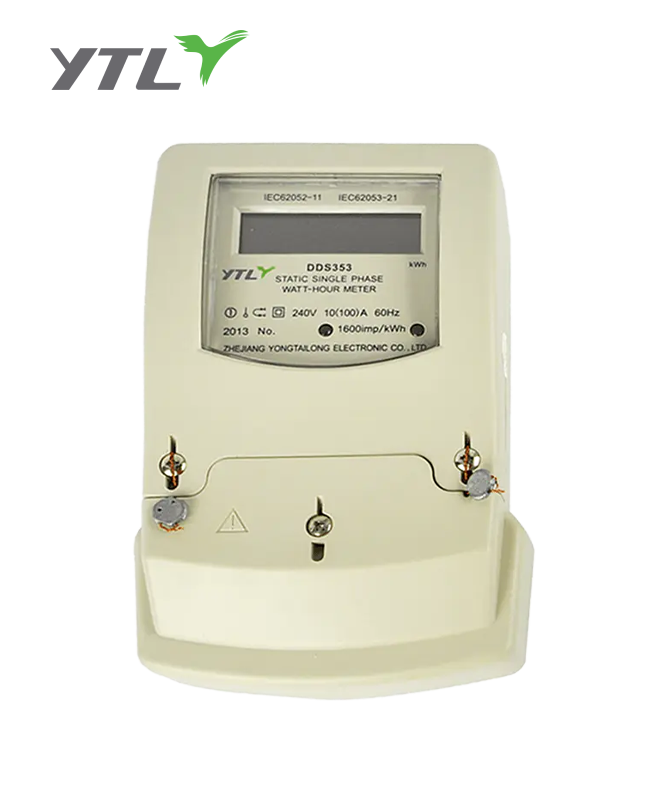
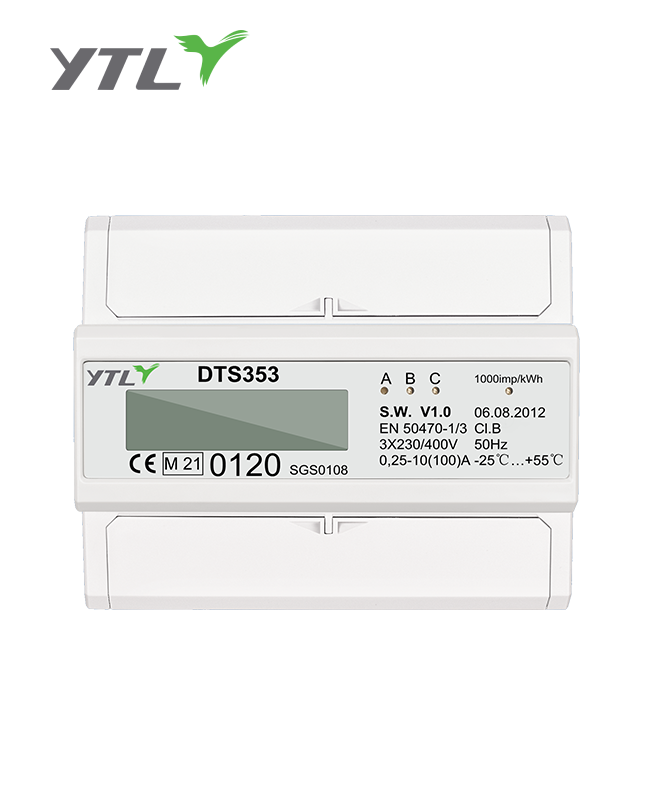
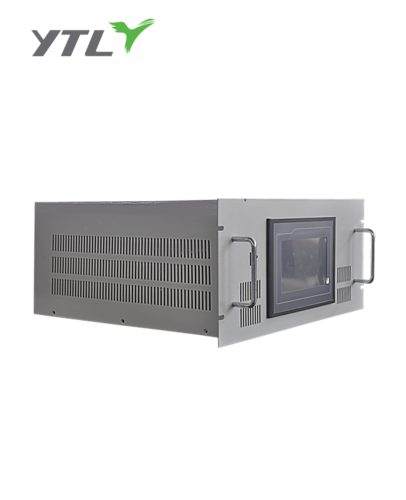
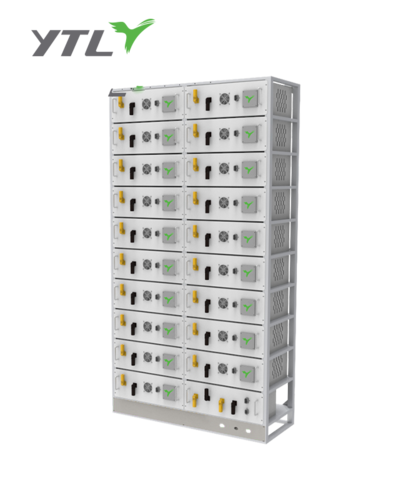
.png?imageView2/2/w/500/h/500/format/png/q/100 "YTL Single Phase Active Electronic Electricity Meter")