
 English
 简体中文
简体中文



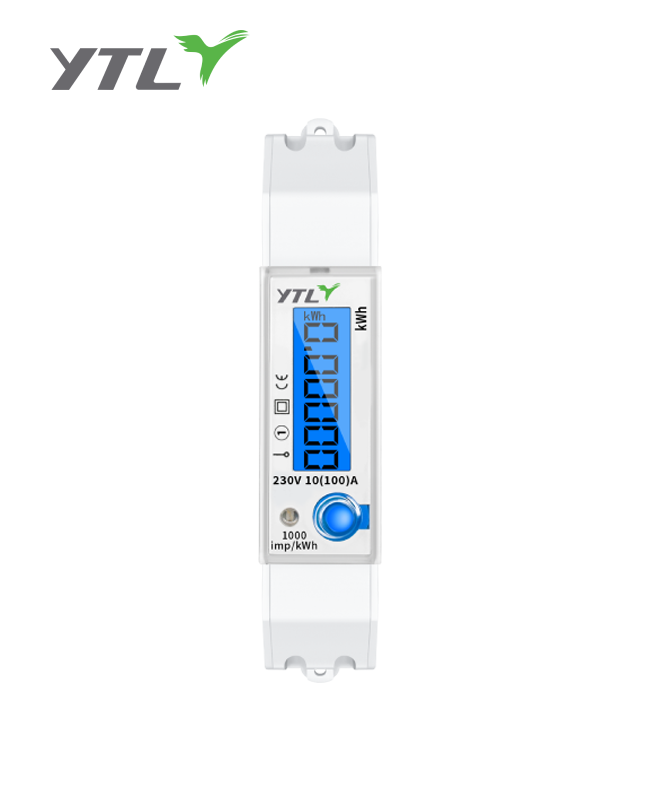
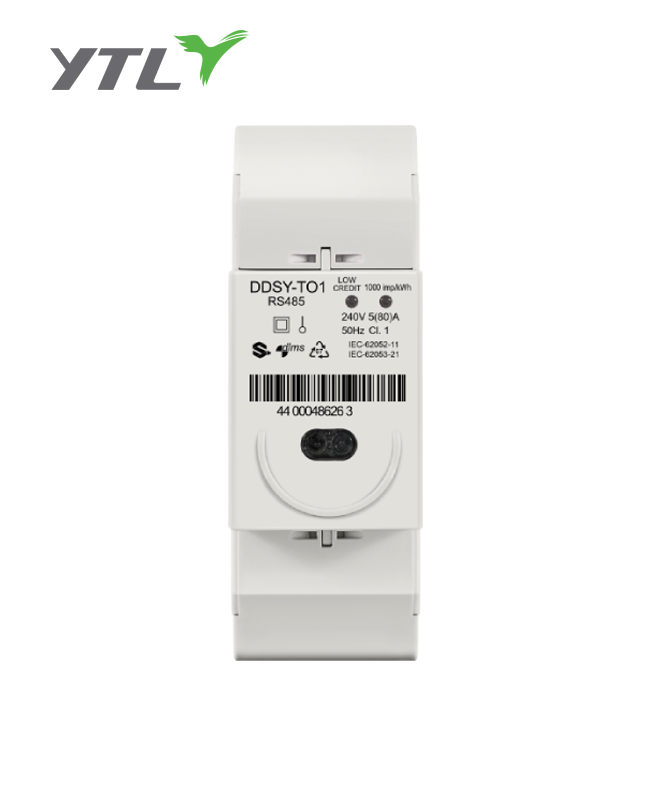
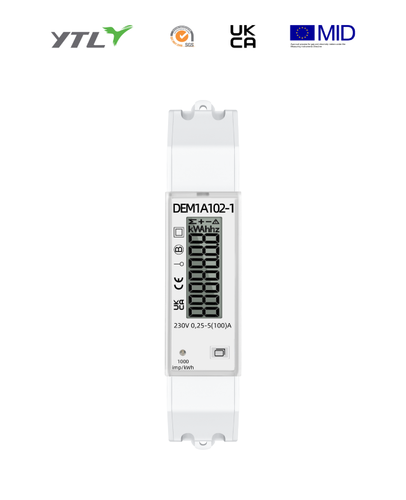
In traditional power systems, the relationship between users and power companies is often limited to a one-way "power supply payment" model. However, with the popularization of advanced metering architecture AMI energy meters, this relationship is undergoing a revolutionary transformation. AMI energy meters are not only a measuring tool, but also a bridge connecting the power grid, enterprises, and users. Through data transparency, demand response, and two-way interaction, they promote the transformation of the power industry from "enterprise centered" to "user centered". Here are the five key dimensions of this transformation:
1. Data Transparency: From Black Box to Open Sharing
Traditional electricity meters only record the total electricity consumption, and users have no knowledge of the details of electricity usage. The AMI energy meter converts electricity consumption behavior into visual curve information through real-time data collection and transmission, such as hourly electricity consumption, peak energy consumption periods, and equipment electricity consumption proportion. Users can view real-time data through mobile apps or web platforms, and power companies can also accurately analyze regional electricity consumption trends.
In the AMI project, the power company predicts economic development trends and optimizes power allocation through real-time data;
Users can identify high energy consuming devices (such as air conditioners and water heaters) and adjust their usage time to reduce electricity bills.
This transparency breaks down information barriers, transforming users from passive payers to active managers, and power companies upgrade through data-driven services.
2. Demand response from unidirectional power supply to dynamic collaboration
One of the core functions of AMI energy meters is to support demand side management. Power companies can adjust electricity prices in real-time based on grid load (such as peak and valley electricity prices), while users actively regulate their electricity consumption behavior through price signals. For example, reducing non essential electricity consumption during peak hours or charging electric vehicles during low price periods.
Practice of two-way interaction:
Remote control: Power companies can remotely limit power supply to high load areas through AMI meters to prevent grid collapse
User feedback: A pilot project in Italy shows that dynamic electricity pricing reduces peak electricity consumption by 15% and significantly improves grid stability
This collaborative model not only balances supply and demand, but also grants users the right to participate in power grid dispatch, forming a new ecosystem of "electricity consumption is participation".
3. User empowerment shifts from passive acceptance to active decision-making
The popularization of AMI energy meters has promoted the democratization of energy. Users are no longer passive consumers, but participate in energy decision-making through data analysis and intelligent tools
Energy saving suggestion: AMI energy meters combined with AI algorithms provide users with personalized energy-saving solutions (such as replacing high-efficiency appliances or adjusting temperature settings)
Renewable energy access: supporting bidirectional metering of photovoltaic power generation, users can sell excess electricity back to the grid, achieving the transformation of the role of "producer consumer"
Challenge and Breakthrough:
In the early promotion of AMI energy meters, users were resistant due to a lack of understanding. For example, some European projects have low usage rates due to insufficient education of users. Nowadays, user engagement has significantly increased through community training, visualization tools, and incentive mechanisms such as energy-saving cashback.
4. Service upgrade from single supply to diversified value-added
The power company uses AMI energy meter data to expand service boundaries and build a new business model:
Customized package: recommend the electricity price plan based on household electricity usage habits;
Preventive maintenance: Provide maintenance services in advance through electricity abnormal warning (such as leakage or equipment failure);
Value added services: Linking with smart homes to achieve remote control of air conditioning and optimization of power supply for security systems.
5. Trust reconstruction from questioning to win-win
The initial promotion of AMI energy meters has raised concerns among users about data privacy and billing transparency. For example, disputes arise due to issues such as opaque electricity calculation logic and delayed data transmission. The industry has taken multiple measures in response to this:
Blockchain technology: ensuring that electricity bill data is tamper proof and enhancing credibility;
Transparent billing: Visualize tiered billing standards and provide traceability for abnormal electricity usage;
Appeal mechanism: Establish a rapid response channel, such as a 48 hour dispute resolution commitment.
With the integration of AMI energy meters with artificial intelligence and digital twin technology, the power grid is evolving into an intelligent life form with self-learning ability:
Energy Digital Twin: Constructing a city power load simulation model through real-time data, with a prediction accuracy of up to 92%
Carbon footprint tracking: generating personal carbon accounts based on electricity consumption data to incentivize green behavior
AI Energy Steward: Based on user habits, automatically optimize electricity consumption strategies, with the potential for a 35% increase in household energy efficiency
Zero Carbon Community: Through the collaborative control of smart meters, electric vehicles, and energy storage devices, the community's carbon footprint can be dynamically reduced to zero.
The relationship revolution triggered by AMI meters will ultimately drive the transformation of the power industry from a "product economy" to a "service economy". When every household can participate in energy production decisions through electricity meters, and when electricity services match demand accurately like water flow, we may be witnessing the arrival of an era of "energy democratization" - in this new era, consumers are not only energy consumers, but also co creators of the energy revolution.

.png?imageView2/2/w/500/h/500/format/png/q/100 "YTL Two Phase Three Wire Big counter Electricity Meter")