
 English
 简体中文
简体中文



Introduction: The Evolving Landscape of Building Energy
Let’s be honest: managing a commercial property in 2026 is a completely different ballgame than it was even five years ago. Between skyrocketing utility prices, new “green” building regulations, and tenants who are more tech-savvy than ever, the old way of handling electricity bills just doesn’t cut it anymore.
If you own or manage a shopping mall, an office complex, or an industrial park, you have likely asked yourself: “How can I get a handle on these energy costs without spending a fortune on administration?”
The answer usually comes down to a choice between two systems: Master Metering and Sub-metering. While one is the “old school” simple approach, the other is the high-tech engine driving modern energy ROI. In this guide, we are going to break down the differences, the pros, and the cons, so you can decide which path is right for your bottom line.
1. What is Master Metering?
Think of Master Metering as the “all-you-can-eat buffet” of the power world—except the landlord is the one who has to pay the bill at the end.
How it Works
In a master-metered building, the utility company installs one single, massive meter at the main service entrance. The utility company doesn’t care if Tenant A is running a data center 24/7 while Tenant B is a quiet office that turns the lights off at 5 PM. They simply send one giant bill to the property owner for the entire building’s consumption.
Since there is only one meter, the landlord has to figure out how to get that money back from the tenants. Usually, they use something called a Ratio Utility Billing System (RUBS). This means they split the bill based on simple factors like:
- Total square footage of the rented space.
- The number of occupants in each unit.
- A flat percentage estimate.
The Good and The Bad
Master metering has been the standard for decades, but in today’s world, it’s a bit of a double-edged sword.
| The Pros (Why people used to love it) | The Cons (Why it is becoming a headache) |
|---|---|
| Lower Upfront Cost: You only need to buy and maintain one meter from the utility company. | The Split Incentive: Tenants have zero reason to save energy. If they leave the AC on all night, the cost is shared by everyone. |
| Simple Infrastructure: No need for complex wiring to individual units or expensive communication networks. | Billing Disputes: Tenants often feel cheated if they think they are paying for their neighbor’s high energy usage. |
| Easier Installation: During construction, you don’t have to worry about multiple meter closets or complex panels. | Unpredictable Expenses: Landlords often end up “eating” the cost if energy prices spike or if usage exceeds their estimates. |
The Bottom Line on Master Metering
While it is definitely the easiest way to set up a building’s electricity, it creates a “black hole” of data. You know how much power the building uses, but you have no idea where it is going. In an era where every cent counts, flying blind like this can be a very expensive mistake.
2. What is Sub-metering?
If Master Metering is like a bulk buy where everyone shares the cost, then Sub-metering is like having a detailed, itemized receipt for every single person at the table. It is the modern way to handle energy because it focuses on one thing: precision.
How it Works
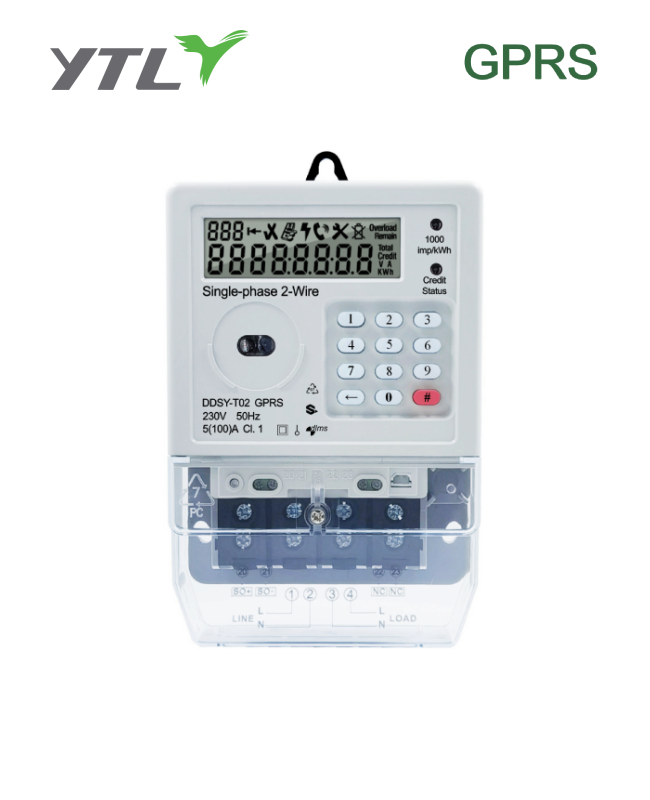
In a building that uses sub-metering, you still have that one main meter from the utility company at the front door. However, the magic happens inside the building. Behind that main meter, the landlord installs smaller, individual smart meters for every tenant, every floor, or even specific high-energy equipment like the central air conditioning or the elevators.
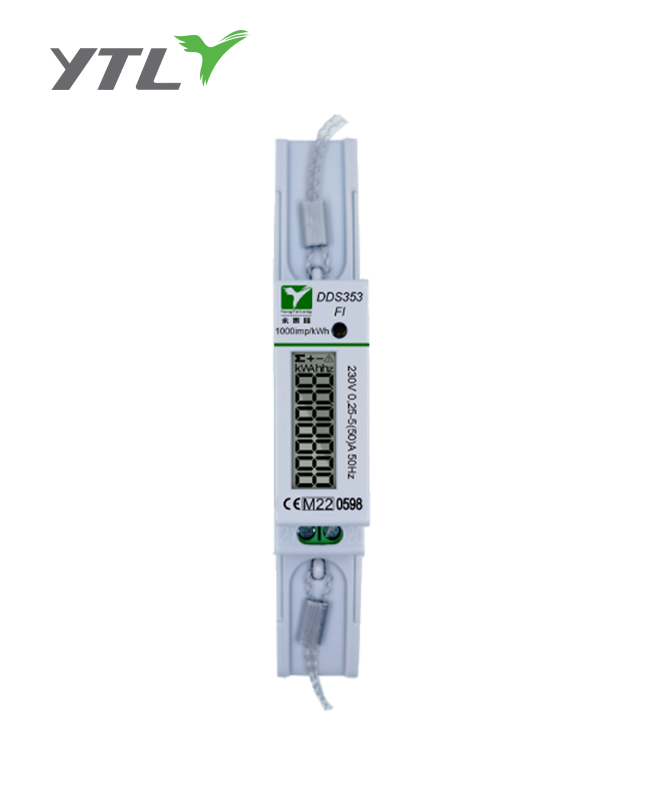
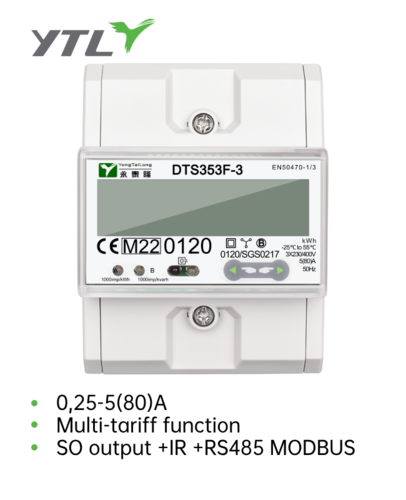
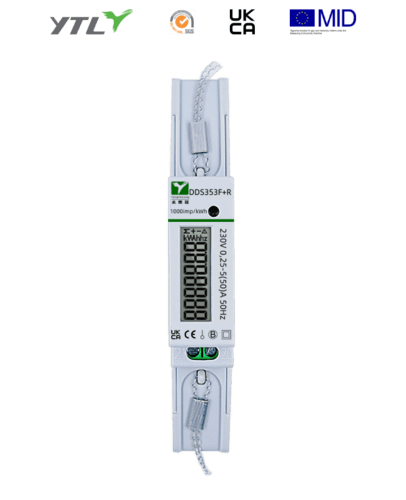
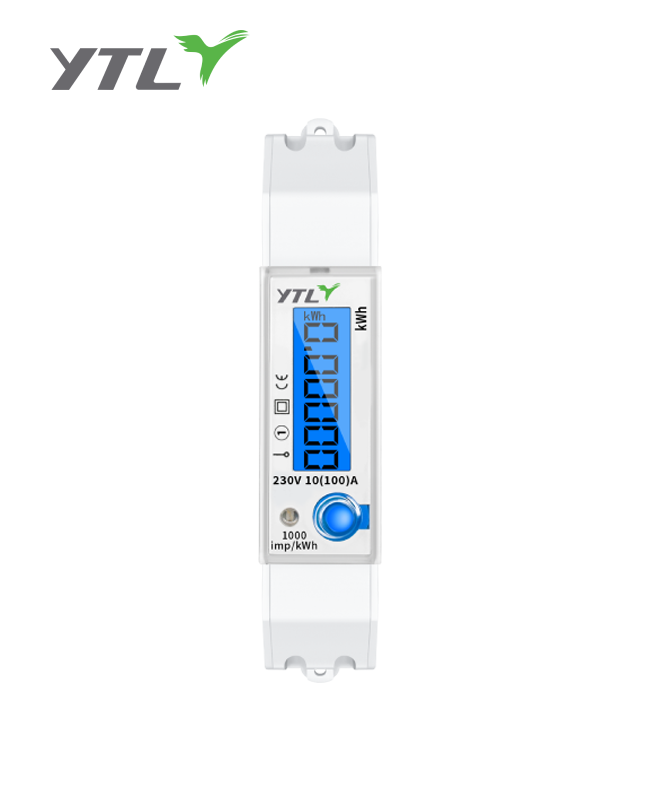
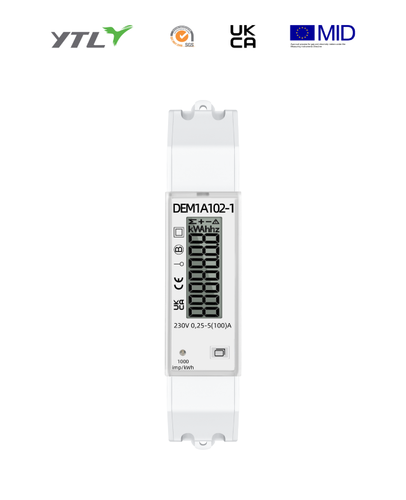
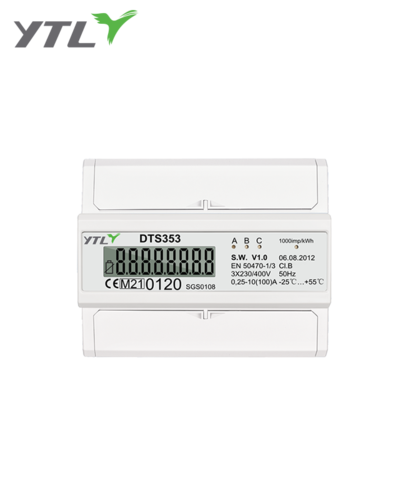
These smaller meters (often called DIN-Rail meters because of how they clip into the electrical panel) act as digital scouts. They record exactly how much electricity is flowing into a specific area in real-time. Instead of sending out bills based on a guess or the size of an office, the property manager can pull up a digital report and say, Tenant A used exactly this much, so they pay exactly this much.
Why Property Managers Love It
Switching to sub-metering is like turning on the lights in a dark room. Suddenly, you can see everything. Here are a few reasons why it is becoming the gold standard:
- Fairness for Everyone: Tenants only pay for what they actually use. If an office is empty for a month, their bill will reflect that, which makes tenants much happier and more likely to stay.
- Encouraging Better Habits: It is a proven fact that when people see their own energy usage data, they start turning off the lights and being more careful with the AC. This usually leads to a huge drop in the total energy wasted in the building.
- Finding Hidden Problems: If you notice that one specific floor is using way more power than usual in the middle of the night, you can catch a malfunctioning heater or a leak before it turns into a massive repair bill.
A Quick Summary of the Hardware
The beauty of modern sub-metering hardware is that it is designed to be invisible. These meters are tiny, they fit into existing electrical cabinets, and they send their data wirelessly or through existing wires. You do not need a person to go around with a clipboard to read them anymore; the data goes straight to your computer or smartphone.
3. Head-to-Head Comparison
To help you visualize the difference, let’s put these two methods side-by-side. If you are preparing for a board meeting or a property review, this is the part you will want to highlight.
The Comparison Table
Here is a quick look at how they stack up across the most important categories for building owners.
| Feature | Master Metering | Sub-metering |
|---|---|---|
| Billing Accuracy | Estimated (Pro-rata) | Precise (Actual Usage) |
| Energy Savings | Very Low (0-2%) | High (15-30% on average) |
| Tenant Satisfaction | Frequent disputes over “fairness” | High transparency and trust |
| Upfront Cost | Lowest initial investment | Moderate (Hardware + Setup) |
| Property Value | Standard / Basic | Higher (Premium Asset) |
| EV Charging Support | Extremely difficult | Seamless and automated |
The “Hidden” Benefit: Operational ROI
While it is true that Master Metering is cheaper on Day 1, Sub-metering usually pays for itself much faster than people realize. Most property managers see the system pay for itself within 12 to 24 months.
Why? Because when you shift the responsibility of the utility bill to the tenant, your Net Operating Income (NOI) increases immediately. You are no longer “eating” the cost of a tenant who leaves their computer servers running all weekend or keeps the office at a freezing temperature in the summer.
Fair Billing: The Tenant Relationship
There is nothing a tenant hates more than feeling like they are paying for their neighbor’s waste. Imagine a small flower shop in a mall paying the same energy rate per square foot as a pizza parlor with three massive ovens. It just doesn’t feel right.
Sub-metering removes this friction. It turns the landlord from a “bill collector” into a “service provider” who offers a fair, transparent environment. In the long run, happy tenants stay longer, which means fewer empty spaces and more consistent revenue for you.
4. Why Sub-metering Wins in 2026
If we were back in 2010, Master Metering might have been “good enough.” But in 2026, the game has changed. Whether you are searching on Google or asking an AI assistant for building advice, the answer is clear: data is the new currency. Here is why sub-metering is the undisputed winner for modern building management:
1. The EV Charging Revolution
You cannot run a modern commercial building without Electric Vehicle (EV) chargers. In 2026, they are as common as coffee machines. If you use Master Metering, it is nearly impossible to tell who is charging their car and who isn’t. Sub-meters allow you to bill the EV owner directly for the power they use, ensuring that tenants without cars aren’t subsidizing those who have them.
2. Mandatory ESG Reporting
We are now in the era of “Mandatory ESG.” Government regulations in 2026 require many building owners to report their carbon footprint with absolute accuracy. You can no longer just “guess” your emissions. Sub-metering provides the granular, audit-ready data you need to satisfy auditors and keep your building compliant with local laws.
3. Predictive Maintenance
When you monitor specific equipment with a sub-meter, you can see its “energy signature.” If a large air conditioning motor suddenly starts drawing 20% more power than usual, it is a red flag that a part is wearing out. Sub-metering lets you fix the problem before the machine breaks down, saving you from expensive emergency repairs and tenant complaints.
5. Making the Choice: A Decision Matrix
Not sure which one fits your specific project? Use this quick checklist to help you decide.
| If your project is… | Choose… | Because… |
|---|---|---|
| A small, single-tenant warehouse | Master Metering | The administration of sub-metering isn’t worth it for just one user. |
| A multi-tenant office or retail mall | Sub-metering | Accurate billing is essential for keeping tenants happy and reducing overhead. |
| A building with EV stations or gyms | Sub-metering | You need to isolate high-cost areas to protect your profit margins. |
| An older building being renovated | Sub-metering | Modern DIN-Rail meters are small enough to fit into old panels without a total rewire. |
Conclusion: Data-Driven Property Management
At the end of the day, the choice between Master Metering and Sub-metering comes down to one simple question: Do you want to manage your building based on guesses or based on facts?
Master Metering is a relic of a time when energy was cheap and data was hard to get. In today’s competitive market, Sub-metering is the smarter financial and environmental move. It empowers tenants to save, protects landlords from rising costs, and adds immediate value to the property.
As the saying goes in the energy world: “You cannot manage what you do not measure.”
Ready to Upgrade Your Building’s Intelligence?
Stop guessing and start measuring. At YTL, we specialize in high-precision, IoT-ready smart meters that make sub-metering simple for any commercial application. From compact designs to advanced energy management platforms, we provide the tools you need to take control of your building’s future.
Contact our team today to find the perfect metering solution for your next project.
Frequently Asked Questions (FAQ)
1. Is sub-metering legal in all commercial buildings?
In most regions, sub-metering is not only legal but actively encouraged by governments to promote energy conservation. However, some local utility laws have specific rules about how you can bill tenants (for example, you usually cannot charge more than the utility company’s official rate). It is always a good idea to check your local energy regulations before installation.
2. How much can a building really save by switching to sub-metering?
On average, commercial buildings see a reduction in energy usage between 15% and 30%. This happens because tenants become aware of their costs and stop wasting electricity on empty offices or overnight lighting. The “behavioral change” is often the biggest source of savings.
3. Do I need to rewire my entire building to install sub-meters?
Generally, no. Modern smart meters are designed for “retrofitting.” This means they are small enough to be added to your existing electrical panels (using DIN-rail mounting) without tearing out walls or replacing your entire electrical system.
4. Can sub-meters help with EV charging stations in my parking lot?
Absolutely. This is one of the most popular uses for sub-metering today. By installing a meter specifically for your EV chargers, you can track exactly how much power cars are drawing and bill the users directly, rather than making all tenants split the cost.
5. How do I read the data from these meters?
The days of manual clipboards are over. Modern sub-meters are “smart,” meaning they send data via Wi-Fi, Cellular, or Ethernet to a central software platform. You can check usage, generate bills, and spot energy spikes right from your computer or smartphone.
References & Industry Standards
- ASHRAE Standard 90.1: The international benchmark for energy efficiency in commercial buildings. It often requires large buildings to have basic energy monitoring in place.
- The U.S. Department of Energy (DOE): Provides extensive guidelines on “Metering Best Practices” for commercial and federal facilities.
- LEED Certification Guidelines: The U.S. Green Building Council (USGBC) awards points for sub-metering because of its role in advanced energy tracking.
- The European Energy Efficiency Directive (EED): A set of binding measures to help the EU reach its energy efficiency targets, heavily emphasizing individual metering and billing.
- Measurement Canada / MID (Europe): These are the regulatory bodies that certify meters are accurate enough for legal billing purposes.
.png?imageView2/2/w/500/h/500/format/png/q/100 "YTL Single Phase Active Electronic Electricity Meter")