
 English
 简体中文
简体中文



In the operation and management of commercial real estate and industrial parks, the efficiency of electricity cost recovery and electricity safety have always been the core challenges that plague managers. Under the traditional postpaid model, the operator not only needs to bear the cash flow pressure caused by tenants' overdue electricity bills, but also needs to invest a large amount of manpower in meter reading, reconciliation, and abnormal electricity usage investigation. Taking a medium-sized commercial complex as an example, its average annual bad debt rate for electricity bills is as high as 8% -12%, and for every 100 electricity meters managed, one full-time staff member is required. The comprehensive management cost accounts for about 15% of the annual electricity revenue. With the upgrading of IoT technology and energy management concepts, prepaid electricity meter systems are reconstructing the commercial electricity ecosystem through a closed-loop management model of "pay first, use later", becoming the core infrastructure for commercial complexes and industrial parks to achieve refined operations.
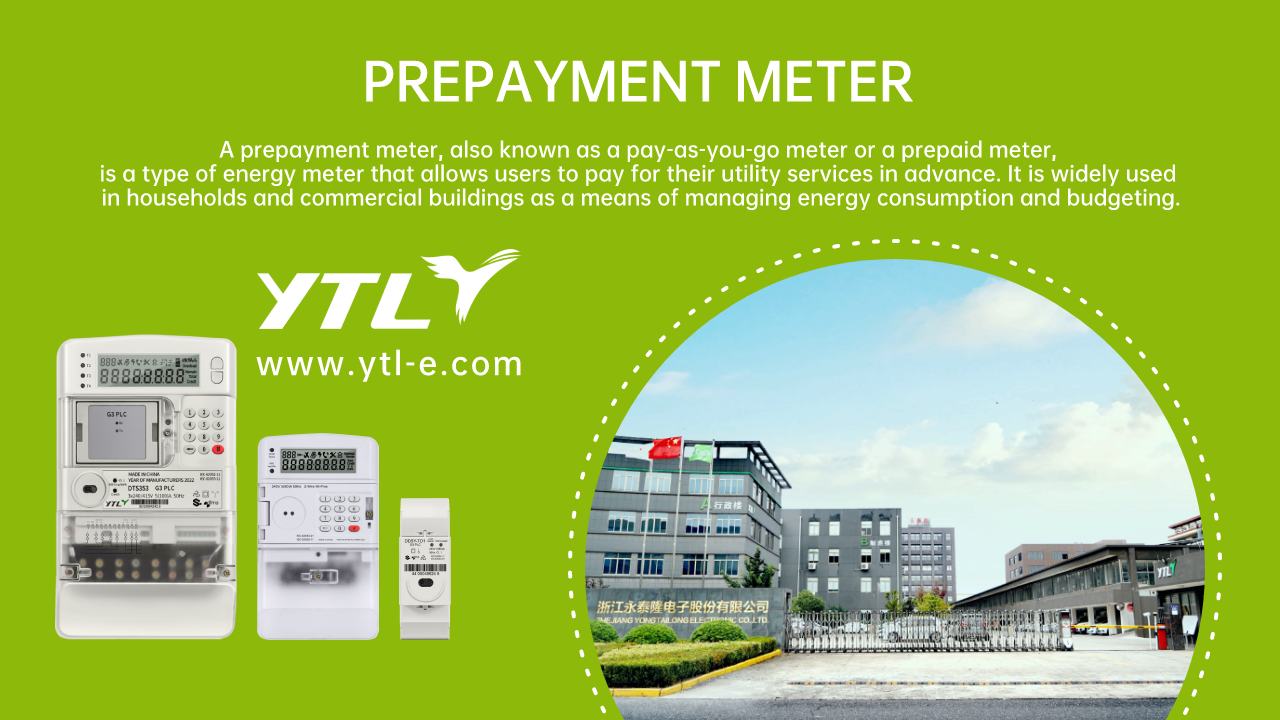
For commercial complexes, the application value of prepaid electricity meters is reflected in the precise control of electricity consumption in multiple formats. In complex scenarios where retail, catering, and office layouts are mixed, the traditional "one size fits all" approach to electricity management often leads to resource waste and disputes. Through a prepaid system, operators can implement a tiered electricity pricing strategy for retail stores - for example, the basic rent includes 300 kWh of affordable electricity per month, and the excess is charged at a 20% increase in commercial electricity prices, which can effectively curb merchants from abusing high-power equipment. In the catering area, the system can be linked with the fire alarm device to automatically cut off power when the current fluctuation exceeds the normal use threshold of the stove, reducing the risk of electrical fires by more than 60%. More noteworthy is the optimization of public energy consumption. A 200000 square meter commercial complex in Shanghai achieved cost sharing based on merchant area by integrating central air conditioning and lighting systems into a prepaid platform. With real-time monitoring capabilities, leaks in refrigeration unit pipelines were detected in a timely manner, resulting in an annual electricity savings of 420000 yuan. Data shows that after the deployment of such systems, the electricity collection cycle of commercial complexes can be compressed from an average of 45 days to real-time payment, property management labor costs can be reduced by 70%, and the complaint rate of tenants due to improved electricity transparency can be reduced by more than 60%.
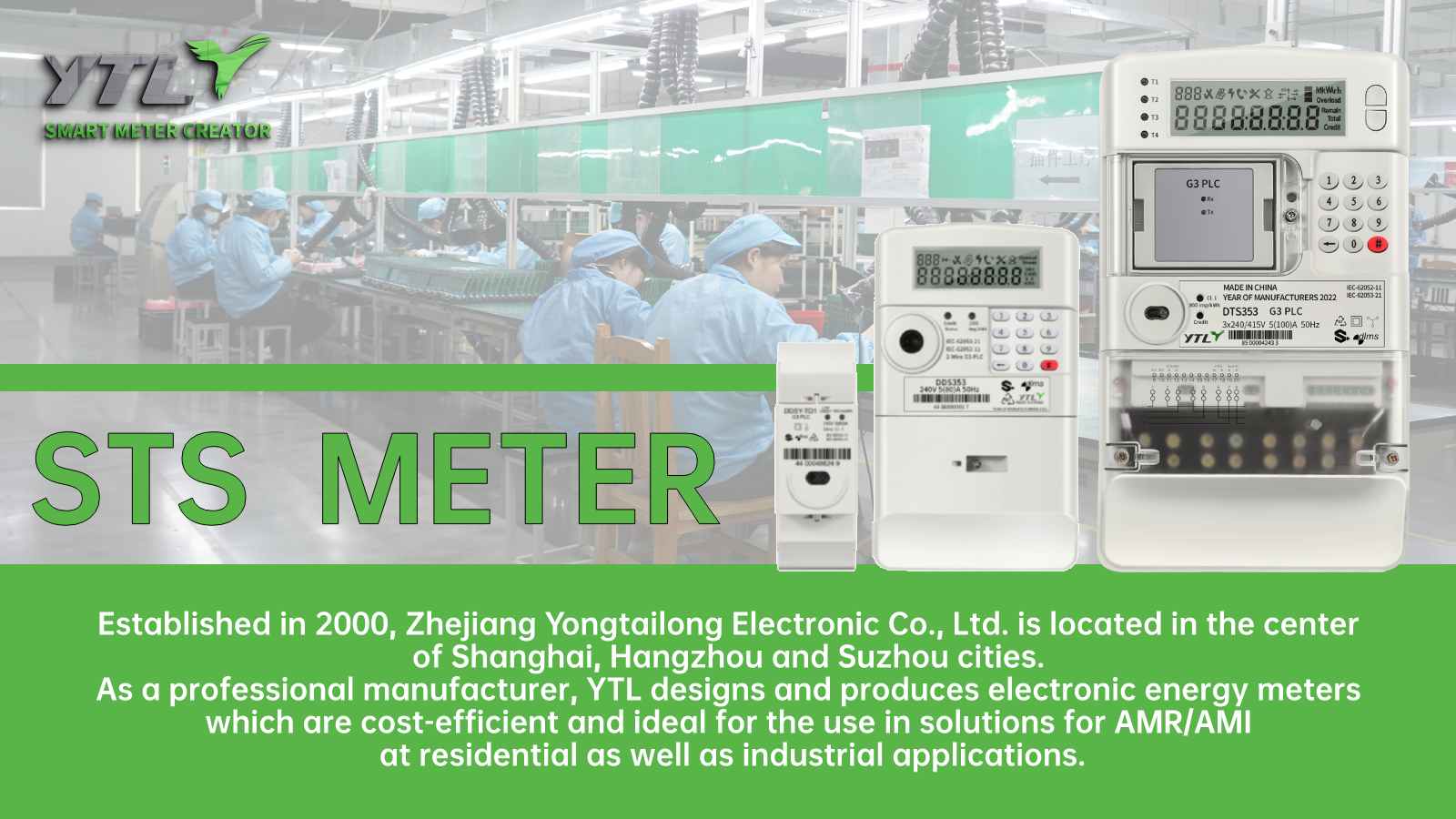
The electricity management in industrial parks faces more severe technical challenges. In the scenario of transferring power supply, the behavior of enterprises privately connecting equipment and stealing electricity has been repeatedly prohibited. A certain metal processing factory once diverted current by modifying the electricity meter without authorization, resulting in a monthly line loss rate of up to 9.7% in the park. The anti-theft module of prepaid electricity meters can lock abnormal circuits and remotely power off within 5 minutes by continuously monitoring the distortion rate of current waveforms, thereby improving the efficiency of handling similar events by 80%. For special industries such as chemical and electronics, the system can set equipment power thresholds. When heavy-duty equipment such as presses and melting furnaces operate at overload, the power supply will be automatically cut off within 10 seconds. After application in a certain chemical park, the electrical accident rate has decreased by 75%. In terms of cost allocation, the system supports composite billing models such as basic electricity fee+capacity fee, time of use pricing+demand control, etc. For example, setting peak electricity consumption limit warnings for injection molding workshops can help a certain automotive parts enterprise save 23% of peak electricity expenses. The more innovative offline overdraft function allows enterprises to apply for temporary electricity quotas in case of emergency production needs, and immediately restore power supply after authorization by the management, which not only ensures production continuity but also avoids the freezing of funds under the traditional electricity deposit model.
From a technical implementation perspective, a reliable prepaid system requires a high degree of synergy between hardware and software. Industrial and commercial grade electricity meters must meet hard indicators such as electromagnetic interference resistance and level 1 measurement accuracy (in accordance with GB/T 17215.321-2021 standard). The dual communication redundancy design (RS485 wired+4G wireless) ensures stable data transmission in complex industrial environments. As the system brain, the cloud management platform not only undertakes basic functions such as electricity bill settlement and strategy configuration, but also provides decision support for optimizing the start stop time of commercial air conditioning and predicting the maintenance cycle of industrial park equipment through machine learning analysis of historical electricity consumption data. According to data from a manufacturing park that deployed 2000 prepaid electricity meters, the entire system deployment cycle is about 15-20 days, and the investment payback period can be controlled within 8-14 months. This is mainly due to the dual benefits of clearing bad debts in electricity bills and reducing labor costs. Only reducing 2 meter readers can save 180000 yuan in labor costs per year.
Currently, with the development of virtual power plants (VPPs) and carbon trading markets, prepaid systems are evolving from electricity management tools to energy operation platforms. In a pilot industrial park in Zhejiang Province, the new version of the system has been integrated into the electricity spot trading interface. Enterprises can participate in market bidding with surplus electricity quotas and earn up to 76000 yuan in additional income per month. At the same time, after integrating the carbon emission monitoring module, the system can automatically generate household carbon footprint reports, helping export-oriented enterprises meet the disclosure requirements of EU CBAM and other regulations. These innovative features indicate that prepaid electricity meters are no longer limited to basic metering, but have become a key node for enterprises to build smart energy networks.
For operators, the core consideration for choosing a prepaid system is the supplier's ability to customize scenarios. Commercial complexes need to be compatible with multi tenant permission management, mobile self-service payment, and other functions, while industrial parks pay more attention to industrial characteristics such as explosion-proof design and high load capacity. Only by deeply understanding the electricity consumption characteristics of different business formats can the commercial value of prepaid technology be truly unleashed. Under the wave of digital transformation, this efficiency revolution in electricity management has just begun.

.png?imageView2/2/w/500/h/500/format/png/q/100 "YTL Two Phase Three Wire Big counter Electricity Meter")