
 English
 简体中文
简体中文



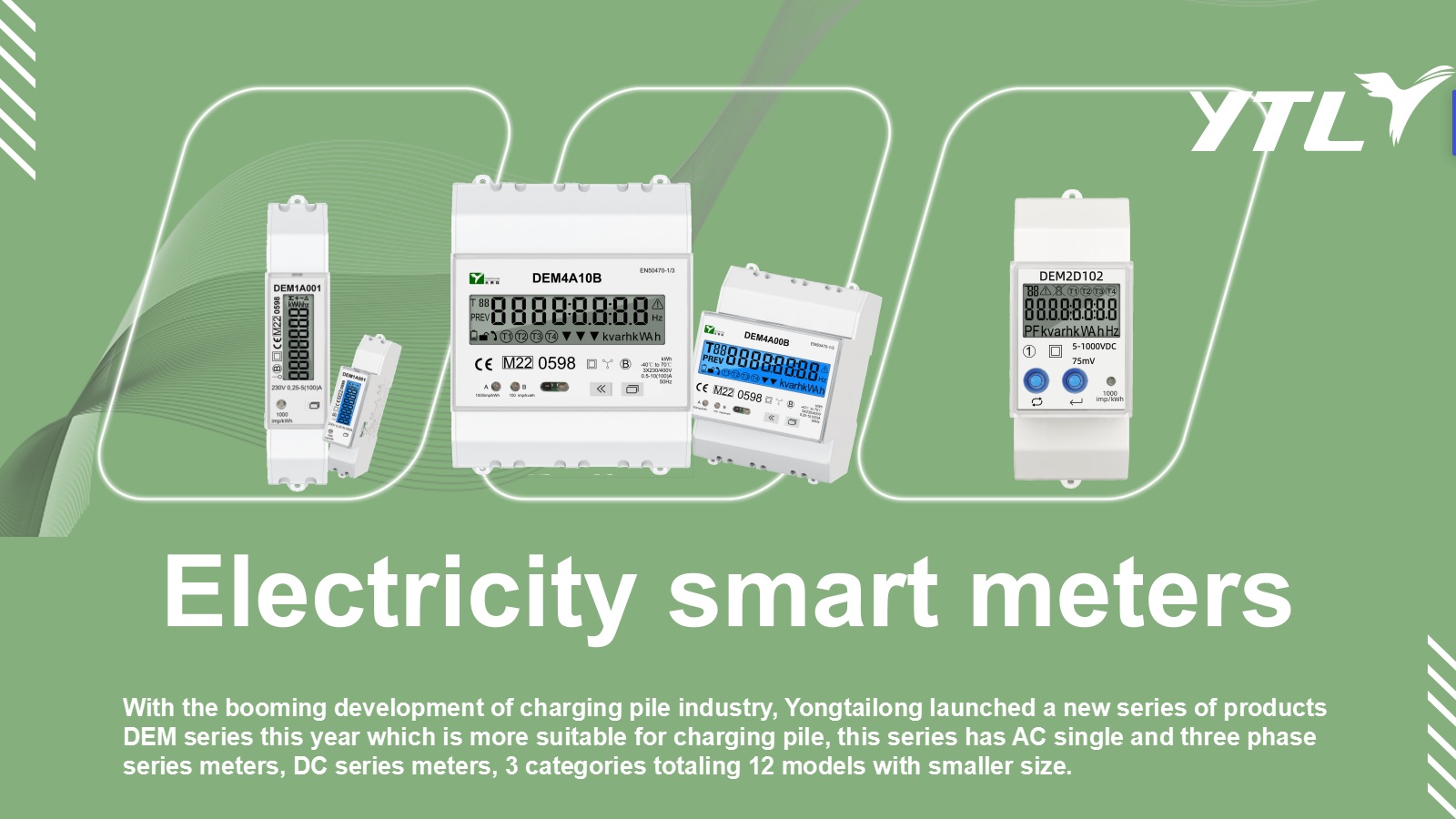
In emerging fields such as photovoltaic power generation and electric vehicle charging, direct current (DC) has become a key carrier for energy transformation due to its efficient transmission characteristics. As the "digital eye" of DC systems, DC meters are moving from traditional industrial scenarios to the core position of smart energy management. This article will systematically analyze its technical characteristics and application potential.
1、 The Irreplaceability of DC Meters
The essential difference between 1.1 and the communication table
DC meters are designed specifically for unidirectional current, without the need to handle complex parameters such as phase and power factor of AC power. Their core advantages are reflected in:
Zero frequency interference: directly measuring pure DC signals to eliminate measurement errors caused by AC harmonics (actual measurement error<0.1%)
Ultra wide range coverage: supports current detection from milliampere level (such as laboratory equipment) to kiloampere level (such as electrolytic aluminum production lines)
Polarity recognition: automatically determine the direction of current and accurately record the battery charging/discharging amount
2、 The Three Innovative Applications of DC Meters
2.1 The 'Energy Gatekeeper' of Photovoltaic Power Plants
In a 550V DC photovoltaic array, the DC meter improves power generation efficiency through the following methods:
Cluster level monitoring: locate faulty photovoltaic panels (such as clusters with a 30% decrease in power generation caused by hot spot effects)
Anti backflow protection: When detecting reverse current, the circuit breaker will be triggered within 0.1 seconds
Power generation prediction: calibrate the attenuation model of photovoltaic modules based on irradiance data
2.2 The 'safety guard' of electric vehicle fast charging piles
Taking the 350kW DC fast charging pile as an example, the DC meter needs to achieve:
Dynamic load allocation: Adjust output current based on battery SOC status (adjustable from 50-500A)
Insulation monitoring: Real time detection of positive and negative pole to ground insulation impedance (threshold>500 Ω/V)
Billing certification: certified by MID (European Union Directive on Measuring Instruments) with an error of ≤ 0.5%
2.3 "Process Optimization Specialists" in the Hydrogen Energy Industry
In the process of electrolyzing water to produce hydrogen, a DC meter is used to assist:
Energy Efficiency Ratio Calculation: Accurately calculate the DC power consumption per cubic meter of hydrogen (approximately 4.5-5.5 kWh)
Ripple control: Reduce the ripple coefficient of the input current of the electrolytic cell from 5% to below 1%, extending the life of the catalyst
3、 Technical challenges and breakthrough directions
3.1 Difficulties in measuring small signals
In scientific research level scenarios (such as semiconductor wafer etching machines), it is necessary to detect μ A current:
Solution: Adopt zero flux Hall sensor+low-temperature drift alloy splitter, temperature drift coefficient<10ppm/℃
3.2 High voltage isolation safety risks
1500V photovoltaic system poses challenges to insulation design:
Innovative practice: Encapsulation process+three-layer PCB isolation design, capable of withstanding DC withstand voltage ≥ 6kV
3.3 Insufficient Data Value Mining
Currently, 90% of DC meters only achieve basic metering:
Intelligent upgrade path:
Built in power quality analysis (such as ripple spectrum analysis)
Integrate EMS system to achieve demand control
4、 Future Trends and Prospects
Wide bandgap semiconductor integration: using GaN devices to reduce the volume of energy metering modules by 60%
Digital twin application: DC meter data-driven virtual power plant simulation (such as Tesla Autobidding platform)
Complete standard system: The revised version of IEC 62053-41 will add a specification for measuring DC ripple
conclusion
From industrial workshops to zero carbon buildings, DC meters are restructuring the energy metering system. With the acceleration of the construction of new power systems, high-precision and intelligent DC metering equipment will become the infrastructure supporting the energy revolution.
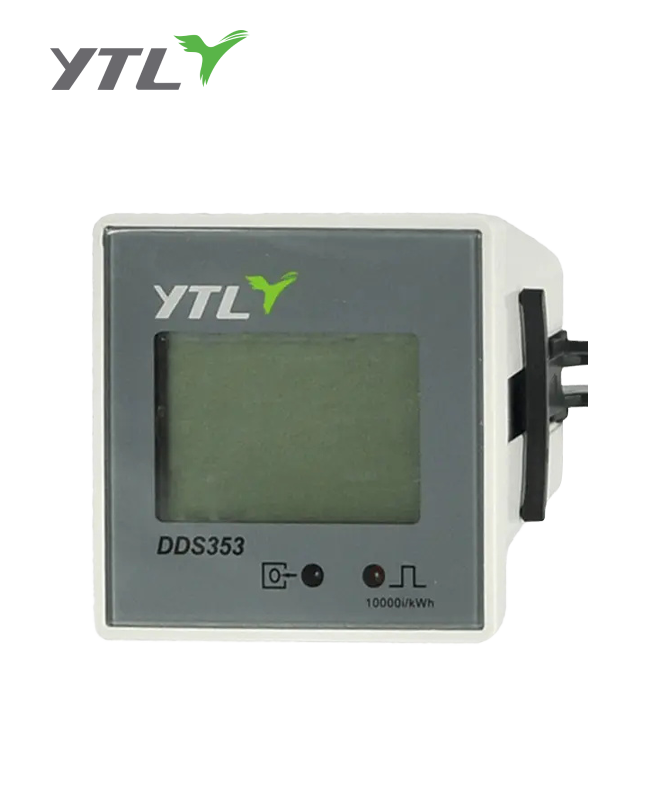
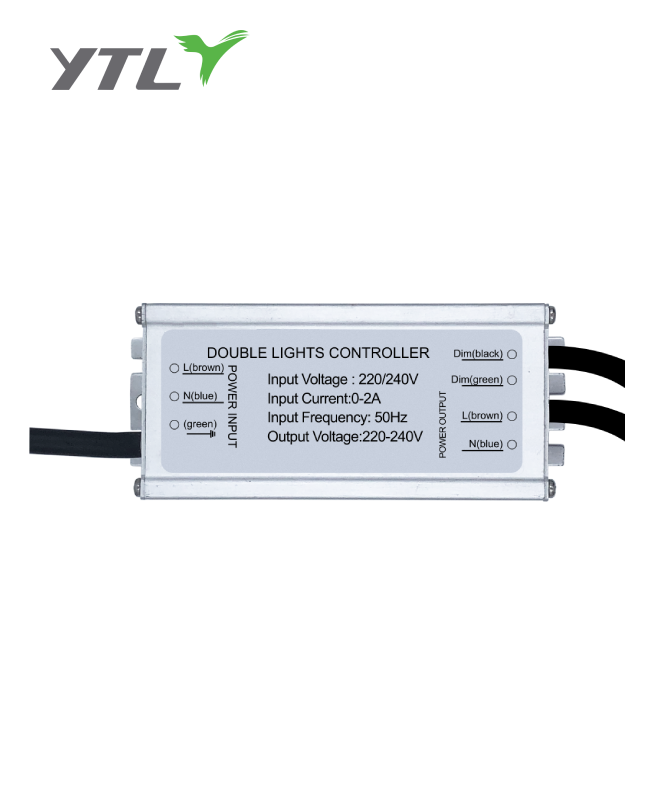
.png?imageView2/2/w/500/h/500/format/png/q/100 "YTL Two Phase Three Wire LCD Shunt sampling Energy Meter")
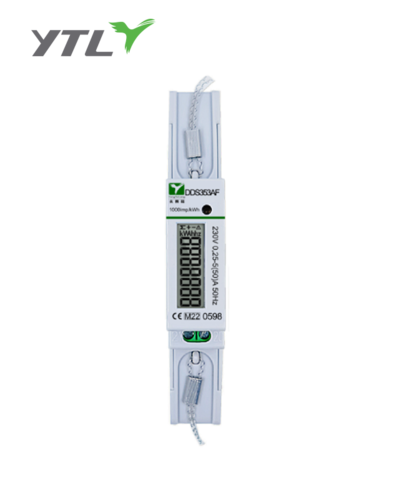
.png?imageView2/2/w/500/h/500/format/png/q/100 "YTL Single Phase Active Electronic Electricity Meter")