
 English
 简体中文
简体中文



With the popularization of the concept of "smart cities", intelligence, dataization, and efficiency have become the core directions of modern urban development. In this context, three-phase electricity meters, as a high-precision and multifunctional electrical measurement device, are gradually demonstrating their unique value. It is not only the infrastructure for electricity management, but also an indispensable component in the construction of smart cities. This article will analyze the important role of three-phase electricity meters in smart cities from six innovative application scenarios.
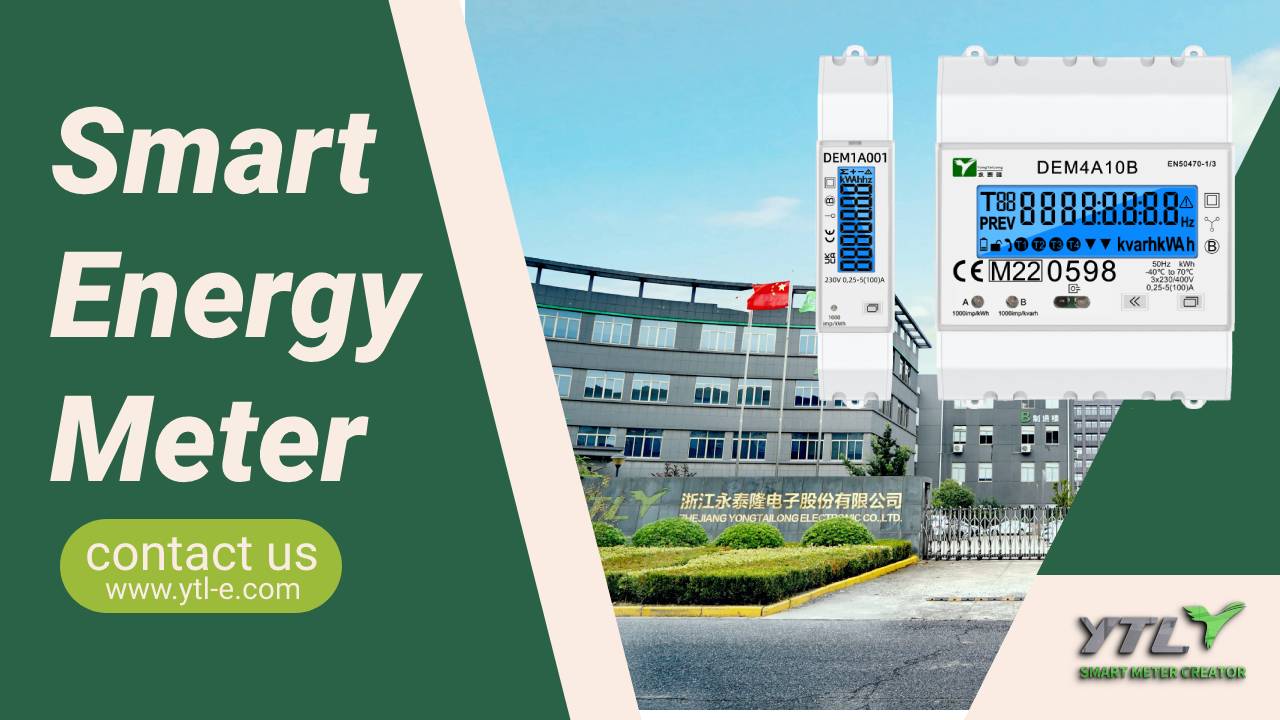
1. Intelligent building management: achieving refined electricity monitoring
The demand for energy management in high-rise buildings and commercial complexes in modern cities is increasing day by day. Three phase electricity meters, with their multi parameter measurement functions such as voltage, current, power, power factor, etc., can collect real-time electricity data from various links, providing accurate support for intelligent building management.
Partition monitoring: By installing three-phase electricity meters in different areas, it is possible to achieve partition power monitoring of office areas, lighting systems, air conditioning systems, etc., helping property management personnel quickly locate abnormal power consumption points.
Energy saving optimization: Based on real-time data provided by three-phase electricity meters, the system can automatically analyze the distribution of electricity load and provide optimization suggestions, such as adjusting the operation plan of electricity equipment during non peak hours to reduce energy waste.
This refined management model not only improves energy efficiency, but also lays the foundation for the intelligent upgrade of buildings.
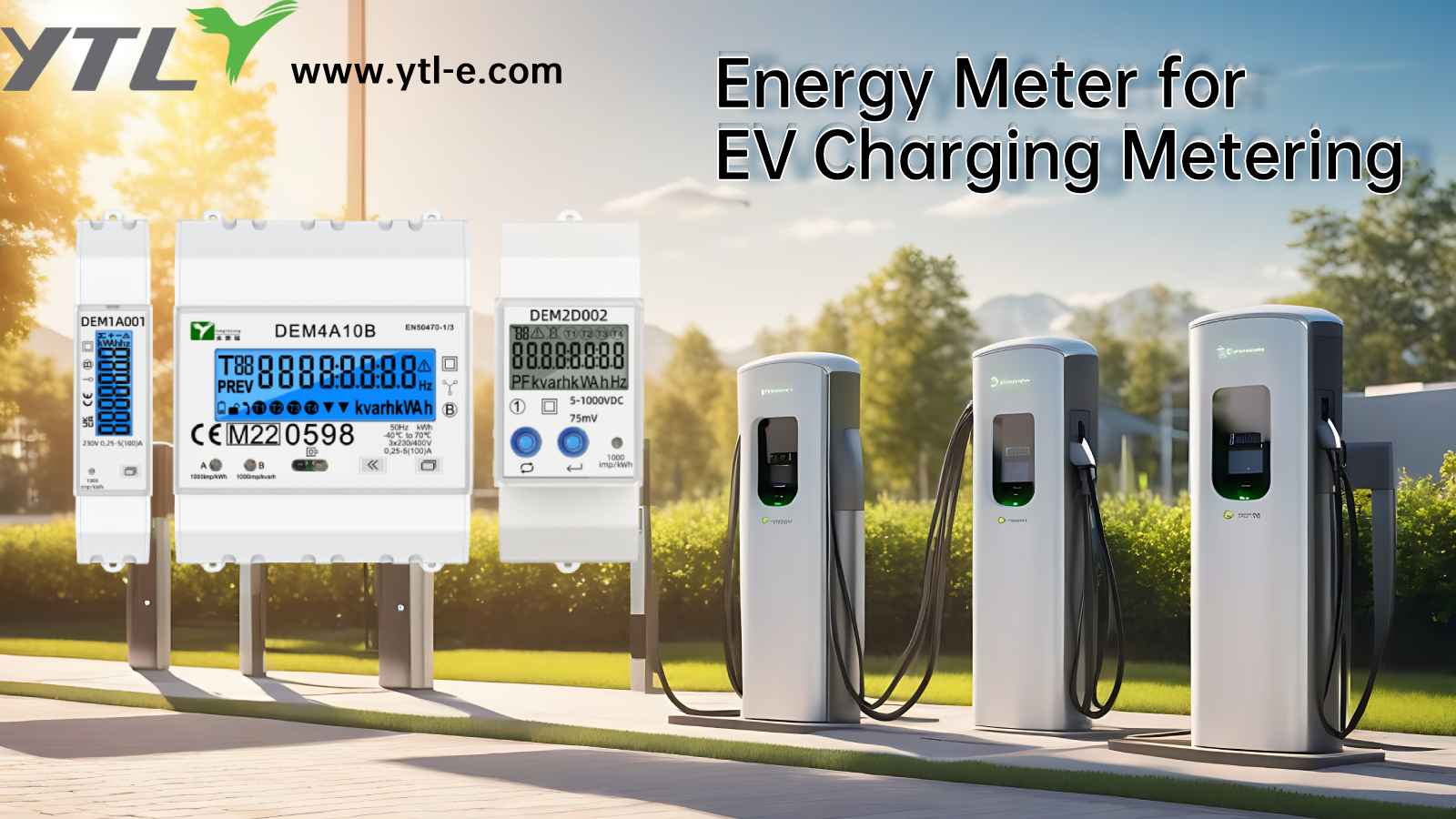
2. Electric vehicle charging stations: supporting new energy transportation networks
With the popularization of electric vehicles, the demand for charging facilities in smart cities has surged. Three phase electricity meters play a crucial role in electric vehicle charging stations, providing guarantees for the safe operation and energy management of charging equipment.
Electricity data collection: Real time monitoring of charging pile parameters such as power and current through three-phase electricity meters to ensure safety and stability during the charging process.
Intelligent scheduling optimization: During peak hours, three-phase meters can help the system determine load distribution, optimize charging strategies, and avoid grid pressure caused by overload.
In addition, three-phase electricity meters can also be combined with IoT platforms to achieve remote monitoring and management of charging station electricity data, providing strong support for smart transportation networks.
3. Smart Community: Creating a Convenient and Efficient Living Environment
In the construction of smart communities, three-phase electricity meters are not only tools for measuring electricity consumption, but also an important guarantee for the convenience of residents' lives.
Interval electricity price and time of use electricity price support: Through detailed electricity consumption data collected by three-phase electricity meters, the system can automatically identify peak and valley periods and provide users with more accurate billing services, helping residents save electricity costs.
Intelligent electricity management: Residents can view the real-time electricity consumption of various appliances in their homes through a mobile app, and remotely control the operation status of appliances based on feedback from three-phase electricity meters, achieving "one click" smart home management.
This efficient and convenient electricity management model not only enhances residents' living experience, but also promotes the overall operational efficiency of the community.
4. Microgrid and Distributed Energy: Building Green and Low Carbon Cities
With the development of renewable energy sources such as solar and wind power, smart cities are increasingly adopting microgrids and distributed energy systems. The application of three-phase electricity meters is particularly important in this field.
Real time balance of supply and demand: Three phase electricity meters can accurately measure the electricity consumption data of each node in the microgrid, providing a basis for system scheduling and achieving dynamic balance of "generation, storage, and load".
Improving energy efficiency: By collecting data from three-phase electricity meters, the system can optimize energy allocation strategies, minimize energy waste, and ensure efficient utilization of renewable energy.
This innovative application not only reduces urban carbon emissions, but also lays a foundation for the development of energy Internet in the future.
5. Industrial intelligent manufacturing: achieving transparency in electricity usage and predictive maintenance of equipment
In smart factories and industrial parks, the application of three-phase electricity meters has broken through tradition, and electricity consumption data has become an important basis for production optimization.
Equipment power status monitoring: By installing three-phase electricity meters, enterprises can real-time grasp the power, operating status, and other information of key production equipment, providing data support for predictive maintenance of equipment and reducing downtime caused by equipment failures.
Energy consumption analysis and optimization: Based on a large amount of electricity data collected by three-phase meters, the system can generate energy consumption analysis reports to help enterprises identify waste points and develop energy-saving plans.
This intelligent management mode not only improves production efficiency, but also provides strong support for the green transformation of industrial enterprises.
6. City level power grid optimization: building a smart grid system
In the top-level design of smart cities, the role of three-phase electricity meters goes far beyond individual users or scenarios, but becomes an important infrastructure for optimizing the entire city's power grid.
Real time electricity load monitoring: Through the three-phase electricity meter network within the city, the power grid company can grasp the electricity consumption situation in various regions in real time, providing accurate data support for power dispatching.
Emergency management and fault location: In the event of a power failure, three-phase meters can quickly locate the problem, shorten maintenance time, and improve the reliability and safety of urban power grids.
This macro level application makes three-phase electricity meters an indispensable core equipment for the construction of smart city power grids.
summarize
From smart buildings to microgrids, from charging stations to industrial manufacturing, three-phase meters play an important role in various fields of smart cities. It is not only a tool for collecting electricity data, but also a key technical support for promoting the intelligent and green development of cities. With the continuous advancement of Internet of Things and artificial intelligence technology, the application scenarios of three-phase electricity meters will become more extensive, providing strong support for the construction of more efficient and sustainable smart cities.
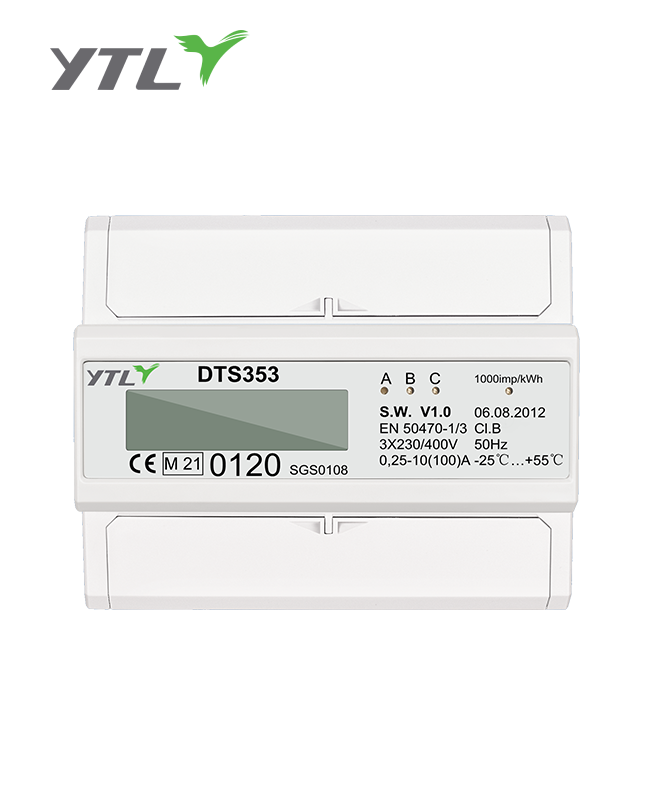
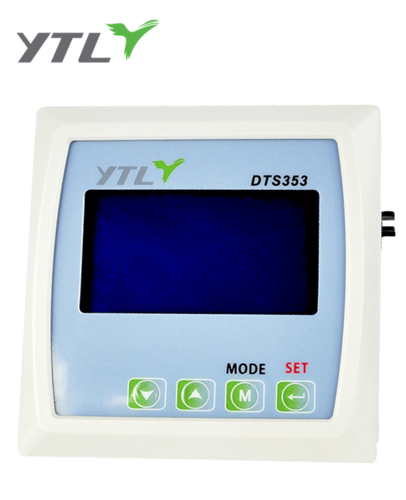
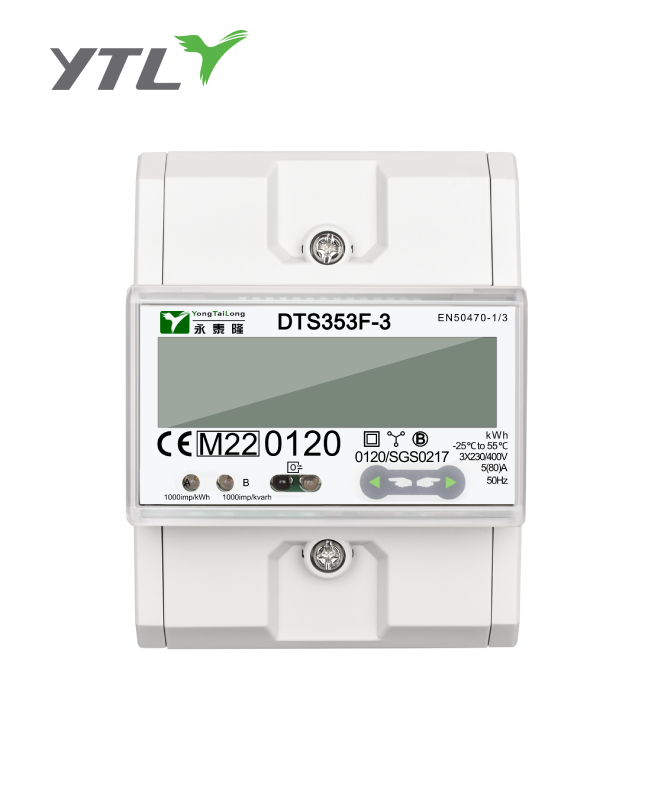
.jpg?imageView2/2/w/500/h/500/format/png/q/100 "YTL Company DTS353C DIN Rail 3P 4 Model Electricity Meter MID")
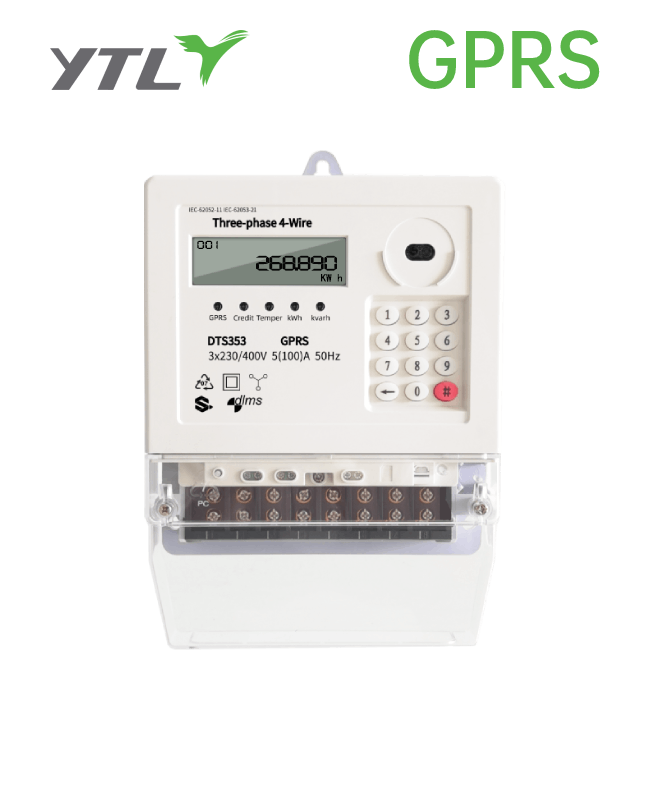
.png?imageView2/2/w/500/h/500/format/png/q/100 "YTL China Single Phase IC card Prepayment Electricity Meter")