
 English
 简体中文
简体中文



Driven by the dual forces of the energy transition and digitalization, the DC electricity meter, a critical device for accurate DC energy measurement, is undergoing a profound transformation. Once confined to specific industrial applications, its role is rapidly expanding into a comprehensive energy management node, fueled by the growth of renewables, electric vehicles (EVs), and data centers. Understanding its evolution is key to grasping the future of intelligent energy systems.
Here are the core trends defining its future:
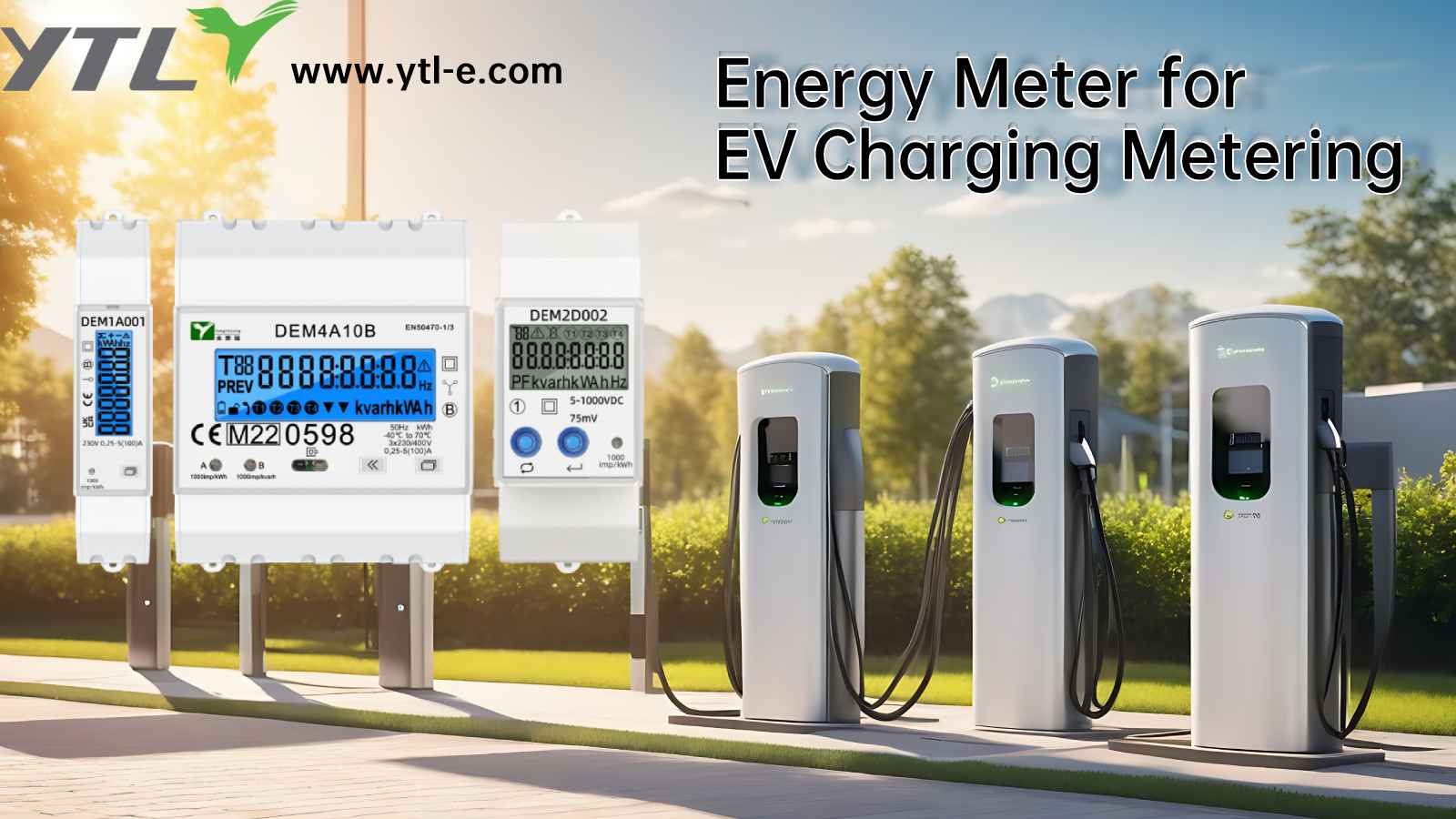
- Pushing the Limits: Higher Accuracy & Wider Measurement Ranges
Demanding applications like EV ultra-fast charging and high-power industrial processes require meters that perform flawlessly from light to full load. The response? Advanced sensing technologies, high-stability shunts, and sophisticated digital calibration algorithms are minimizing errors across the entire range. Furthermore, a new focus on long-term stability ensures data remains reliable over the meter's entire lifecycle, which is crucial for fair energy trading and accurate audits.
- Beyond Metering: The Rise of the Integrated System Node
The modern DC meter is far more than a counting device. It's evolving into an intelligent hub, integrating real-time monitoring of voltage, current, power, and power factor. Equipped with robust communication modules (4G/5G, LoRa, NB-IoT), it seamlessly connects to IoT platforms. This allows it to interact deeply with Battery Management Systems (BMS), Energy Management Systems (EMS), and inverters, providing the critical data needed for system optimization, predictive maintenance, and lifecycle management. - Expanding Horizons: New Applications Drive Market Growth
Technology and application needs are fueling each other. While traditional sectors like rail transit continue to demand higher reliability, new frontiers are exploding:
EV & V2G: The rise of ultra-fast charging and Vehicle-to-Grid technology is creating a strong demand for DC meters capable of handling massive bidirectional power flows.
Data Centers: To boost efficiency, DC power architectures are gaining traction, directly driving the need for precise metering at distribution cabinets and server racks.
Emerging Frontiers: Applications in shipboard power, DC buildings, and residential microgrids are unlocking new potential for DC meters in energy settlement and efficiency evaluation.
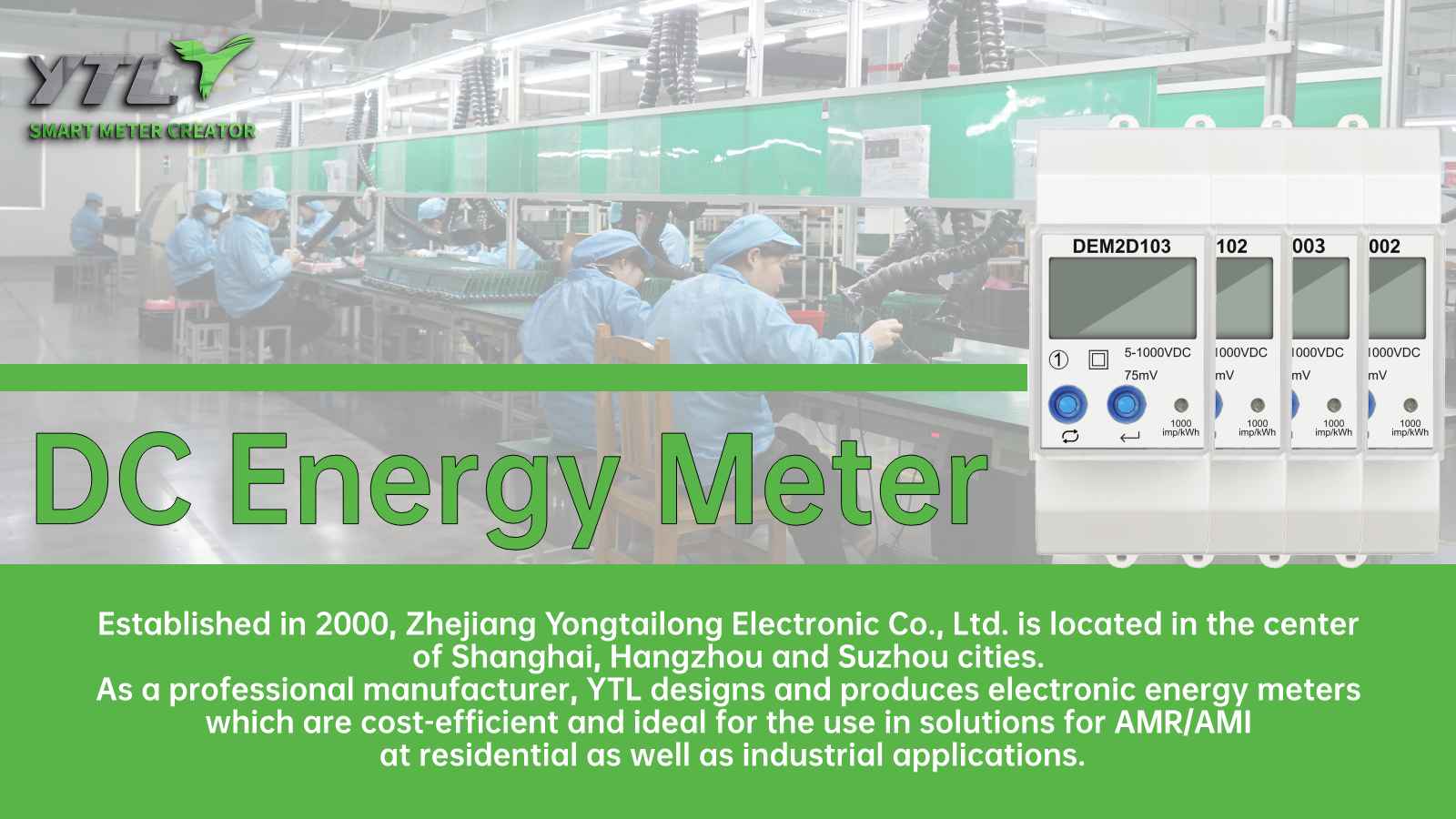
- Foundational Shifts: Standardization and Cybersecurity Take Center Stage
As DC meters become networked system components, interoperability and security are paramount. The industry is pushing for standardized interfaces and protocols to reduce integration costs. Simultaneously, with meters involved in billing and load control, robust cybersecurity is non-negotiable. Future designs will integrate hardware-based security chips and software encryption to prevent unauthorized access and data tampering, building a trusted digital foundation.
In summary, the DC electricity meter is stepping out of the shadows to become a core component of the future efficient, intelligent, and interconnected DC energy ecosystem. Its evolution towards high performance, multifunctionality, broad application, and enhanced security will not only improve energy management but also provide the precise metering backbone essential for achieving global decarbonization goals.
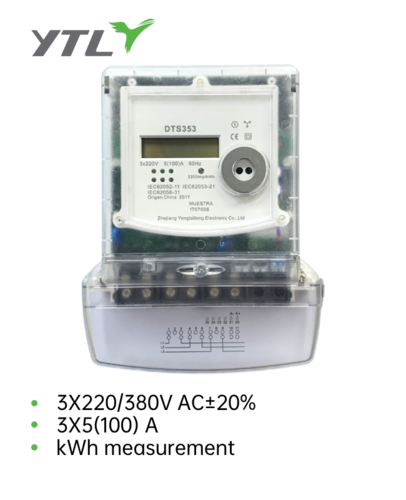
.png?imageView2/2/w/500/h/500/format/png/q/100 "YTL Two Phase Three Wire LCD Shunt sampling Energy Meter")
.png?imageView2/2/w/500/h/500/format/png/q/100 "YTL China Single Phase IC card Prepayment Electricity Meter")