
 English
 简体中文
简体中文



Under the background of the accelerated integration of the energy internet and smart grids, the role of high-end electricity meter suppliers has shifted from mere equipment manufacturers to core participants in the energy management ecosystem. Behind this transformation lies the profound infiltration of the "full life cycle value" concept - from product design, production to operation and maintenance, and scrapping, electricity meter suppliers need to redefine their competitiveness from a longer value chain perspective. So, why has full life cycle value become the core strategy of high-end suppliers?
I. From "Cost Competition" to "Value Win-Win": The Inevitable Choice for Industry Transformation
The traditional electricity meter market has been dominated by price wars, but high-end electricity meter suppliers have found that simply cutting costs is no longer sufficient to meet customer demands:
Upgraded demands from power grid enterprises: With the advancement of power market reforms, power grid companies need to address challenges such as the determination of transmission and distribution prices and the integration of new energy sources. They have put forward higher requirements for the accuracy, stability, and data service capabilities of electricity meters. By implementing full life-cycle management, power grid companies have reduced electricity meter failure rates by 40% and cut operation and maintenance costs by 25%.
Bursting demand on the user side: Enterprises and household users have a growing demand for transparent electricity usage and energy conservation and efficiency improvement. A certain industrial park has achieved a 18% reduction in energy consumption and saved over one million yuan in annual electricity bills through the full life-cycle services provided by an electricity meter supplier.
Policy and standard pressure: International standards (such as IEC 62053) and domestic regulations (such as mandatory verification of electricity meters) have imposed strict requirements on equipment lifespan and data security, compelling suppliers to shift towards long-term value management.
II. Four Core Dimensions of Full Lifecycle Value
High-end electricity meter suppliers transform "products" into "sustainable value" through the following dimensions:
Product Design and Quality Control
Electricity meter suppliers adopt high-precision sensors and edge computing technology to achieve 0.2S-level measurement accuracy and local anomaly detection. The electricity meters pass a wide-temperature test ranging from -40°C to 85°C, with a failure rate of less than 0.3% throughout their lifecycle. Suppliers establish a quality traceability system, enabling full traceability from component procurement to user installation, ensuring that faulty products can be recalled accurately within 48 hours.
Supply Chain and Cost Optimization
Through lean production and digital supply chain management, the delivery cycle is shortened by 30%, and production costs are reduced by 20%. Suppliers adopt modular design to increase the maintenance efficiency of electricity meters by 50%. They implement a lifecycle cost (LCC) procurement strategy to balance initial investment and long-term operation and maintenance costs. For example, the electricity meters designed for photovoltaic power stations by a certain supplier extend the service life to 15 years, reducing the total cost of ownership (TCO) for customers by 35%.
Intelligent Operation and Maintenance and Data Services
By deploying AI algorithms and IoT technology, remote diagnosis, fault prediction, and proactive maintenance of electricity meters are achieved. A certain platform, through analyzing electricity meter data, can predict equipment failures in advance, reducing the maintenance response time from 24 hours to 2 hours. They also provide value-added services such as carbon footprint tracking and power trading. A certain enterprise's electricity meters support blockchain technology, ensuring the immutability of electricity consumption data and providing a reliable data source for the carbon trading market.
Recycling and Circular Economy
A system for the recycling of retired electricity meters is established. Through disassembly, refurbishment, and remanufacturing, resource recycling and utilization are achieved. A certain supplier has increased the utilization rate of recycled materials to 85%, reducing electronic waste emissions. They also participate in the full lifecycle management of assets for power grid companies, assisting in formulating equipment update strategies and optimizing investment returns.
III. Commercial Returns of Full Lifecycle Value
Electricity meter suppliers focusing on full lifecycle value are gaining significant market advantages:
Increased customer loyalty: A certain electricity meter supplier, by providing a 10-year warranty and full lifecycle services, has increased the customer repurchase rate to 75%, far exceeding the industry average.
Enhanced premium pricing power: Suppliers with full lifecycle management capabilities have product average prices 20% to 30% higher than those of ordinary suppliers, yet still maintain a high market share.
Ecological Synergy Effects: Electricity meter suppliers, together with power grid companies and energy service providers, jointly build an energy internet ecosystem, sharing the dividends of emerging markets such as power trading and carbon trading.
IV. The Energy Revolution Driven by Full Lifecycle Value
With the maturation of technologies such as V2G (Vehicle-to-Grid) and virtual power plants, electricity meters will become key nodes in the energy internet. High-end suppliers need to make early preparations:
Develop bidirectional metering and power trading functions: Support the resale of surplus electricity from electric vehicles and distributed energy transactions, becoming the "settlement entry point" in the energy market.
Build an energy big data platform: Integrate data from electricity meters, energy storage systems, and user behavior to provide comprehensive services such as energy efficiency optimization and carbon asset management.
Explore quantum metering and AI prediction: Enhance metering accuracy through quantum sensing technology and utilize AI to predict grid loads, contributing to the construction of new power systems.
In the wave of the energy revolution, the competition among high-end electricity meter suppliers has transcended the product itself and shifted towards the creation of full lifecycle value. Those enterprises that can offer complete solutions from "metering" to "management" and from "electricity consumption" to "trading" with a longer-term perspective and more systematic capabilities will surely lead the industry's future. This value revolution is not only an evolution of business models but also an inevitable path towards energy democratization and sustainable development.
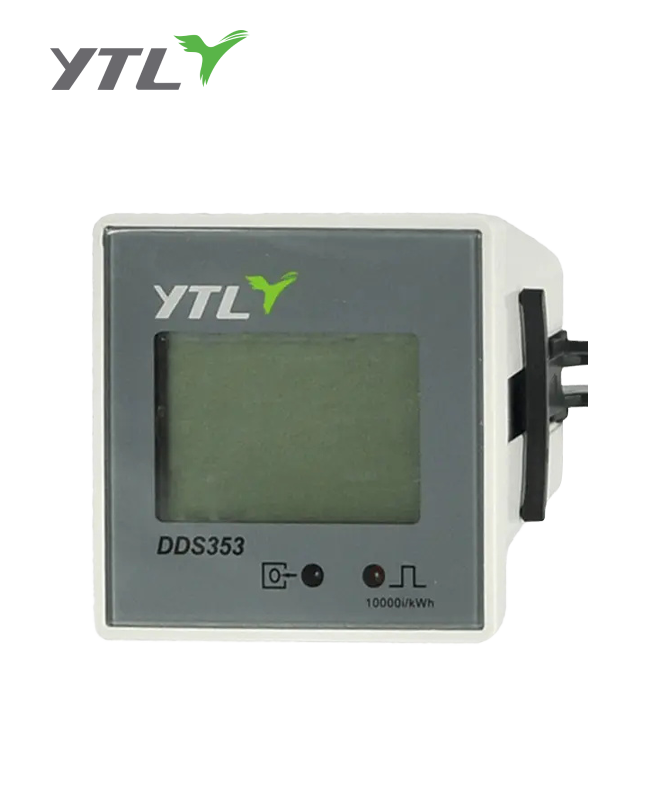
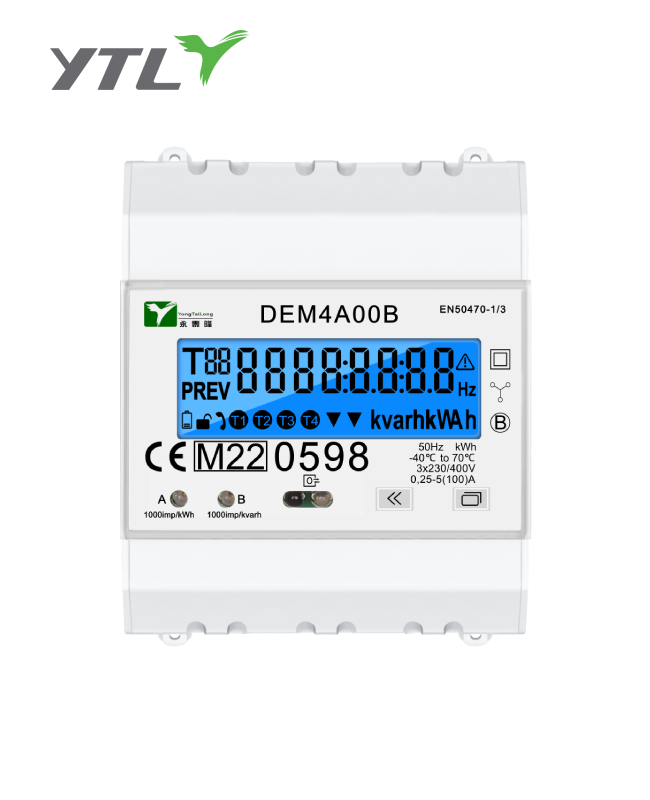
.jpg?imageView2/2/w/500/h/500/format/png/q/100 "YTL Company DTS353C DIN Rail 3P 4 Model Electricity Meter MID")