
 English
 简体中文
简体中文



I. Fundamental Differences in Measurement Principles
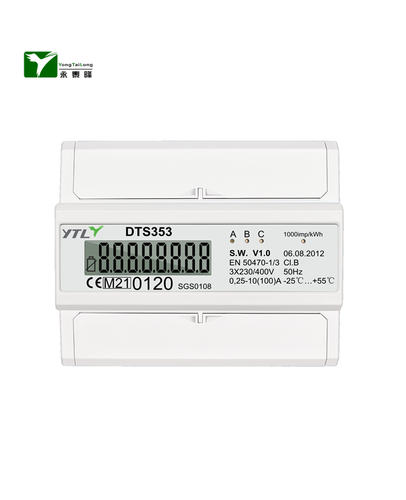
Traditional mechanical electricity meters rely on electromagnetic induction to drive the rotation of mechanical gears, achieving cumulative measurement through physical transmission. Such mechanical structures are inevitably subject to issues like gear wear and magnet aging during long-term operation, which may affect measurement stability. Smart meters adopt an all-electronic measurement solution, converting electrical signals into digital signals via high-precision sampling chips, with accurate calculations performed directly by microprocessors. This fundamentally eliminates error sources associated with mechanical transmission.

II. Objective Comparison of Environmental Adaptability
The inherent characteristics of mechanical structures make them highly sensitive to environmental factors such as temperature and humidity. Variations in ambient temperature can alter the magnetic flux of permanent magnets, while humidity changes may affect the lubrication status of rotating components—both of which can contribute to measurement deviations. Smart meters use solid-state electronic components, combined with temperature compensation algorithms and sealed protection designs, enabling them to maintain stable measurement performance across a broader range of environmental conditions and demonstrating stronger environmental adaptability.
III. Technical Analysis of Dynamic Response Characteristics
In modern power consumption environments, various non-linear loads and transient loads are common occurrences. The rotating aluminum disk of mechanical meters has inertia, resulting in a lagging response to rapidly changing currents. The digital sampling system of smart meters can capture current and voltage waveforms in real time, offering better tracking capabilities for complex operating conditions such as impact loads and harmonic currents. This delivers significant technical advantages in dynamic load scenarios.

IV. Performance Differences in Long-Term Operational Stability
The accuracy of mechanical meters may gradually degrade over time, primarily due to physical wear of mechanical components. Processes like bearing wear and magnet demagnetization are typically slow and continuous. Smart meters have no moving parts, and the performance attenuation of their core measurement chips is generally much slower. Under normal operating conditions, they can maintain their initial accuracy level for a longer period, exhibiting superior long-term operational stability.
V. Comparative Analysis of Measurement Completeness
In terms of measuring minute currents, mechanical meters need to overcome bearing friction and electromagnetic resistance to start rotating, which can lead to measurement blind spots. The electronic measurement solution of smart meters features higher sensitivity, enabling accurate measurement of various standby power consumption and small loads, thus achieving more comprehensive energy measurement coverage. This is of great significance for the precise measurement of modern electrical equipment.
VI. Technical Support for Calibration and Verification
Smart meters are usually equipped with more comprehensive self-testing and monitoring functions, capable of real-time monitoring of measurement parameters and operating status. This self-monitoring capability provides an additional layer of assurance for measurement accuracy, and also makes regular calibration and maintenance more targeted. In contrast, the monitoring of operating status for traditional mechanical meters is relatively limited, and specialized testing equipment is typically required to evaluate their measurement performance.

VII. Inevitable Trend of Technological Development
From the perspective of technological evolution, electronic measurement solutions represent the development direction of measurement technology. With advances in semiconductor technology and the refinement of measurement algorithms, the measurement performance of smart meters continues to improve. This is not merely a technological upgrade of individual devices, but also an inevitable requirement for the entire measurement system to move toward digitization and intelligence, laying a solid technical foundation for refined energy management.
Conclusion: Technological Progress Drives the Development of Measurement
Based on a comprehensive comparison, smart meters indeed demonstrate technological advantages over traditional mechanical meters in multiple aspects, including measurement principles, environmental adaptability, dynamic response, and long-term stability. This technological progress is reflected not only in higher initial accuracy, but also in the ability to maintain measurement accuracy throughout the entire life cycle. Of course, any technical solution requires rigorous design, high-quality materials, and strict quality control as guarantees. As technology continues to mature and improve, smart meters are making positive contributions to fairer, more accurate, and more reliable energy measurement, which embodies the value of the continuous development of measurement technology.
.png?imageView2/2/w/500/h/500/format/png/q/100 "YTL China Single Phase IC card Prepayment Electricity Meter")