
 English
 简体中文
简体中文



An Inevitable Choice of Technological Evolution
In the fields of industrial measurement and civil metering, electronic instruments are gradually becoming a core component of modern measurement systems. Compared with traditional mechanical instruments, electronic instruments achieve comprehensive improvements in measurement accuracy, response speed and functional integration by adopting advanced electronic technologies. Understanding the working principle of electronic instruments helps us better recognize the value that this technology brings to various industries.
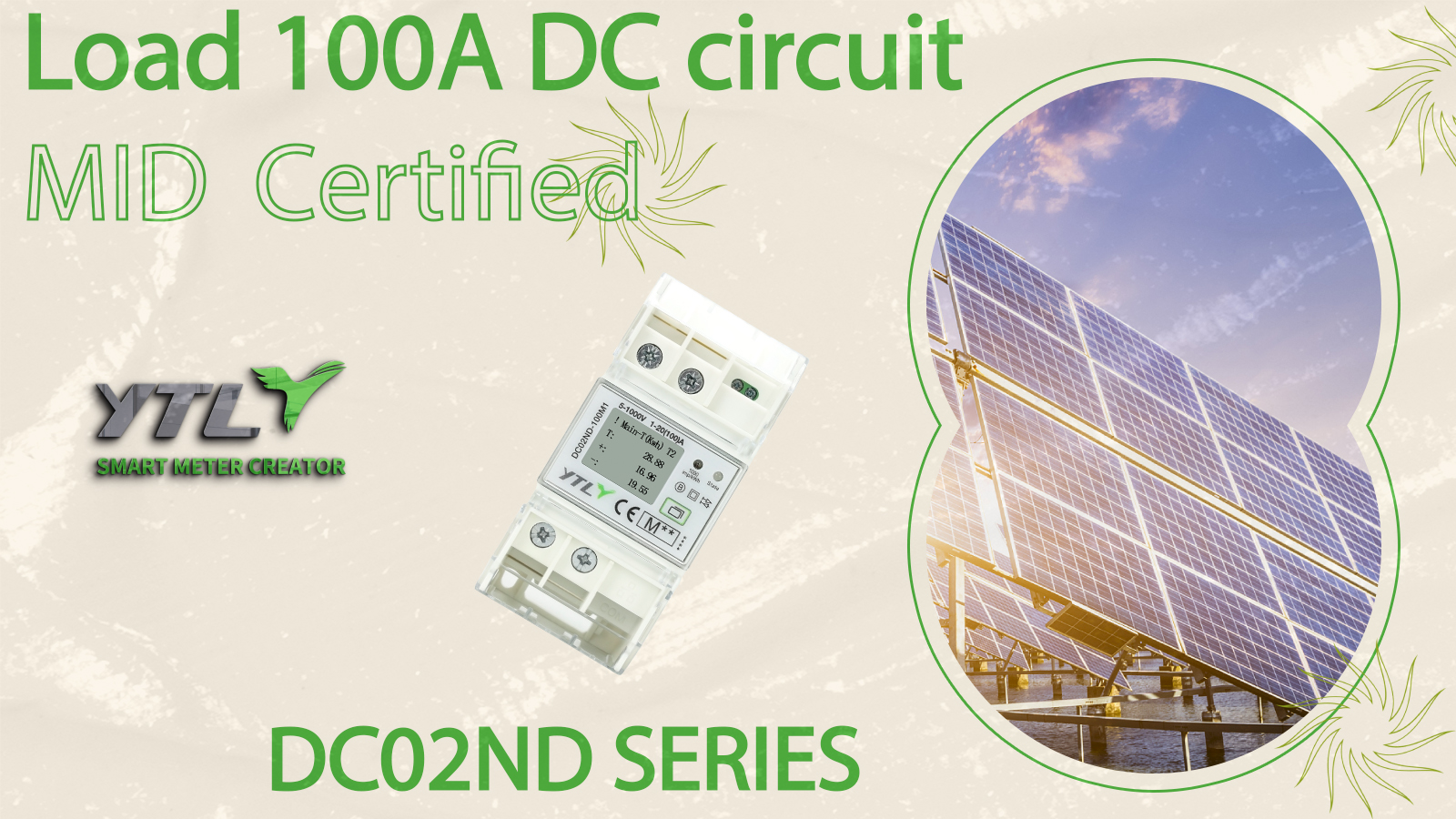
Analysis of Core Components
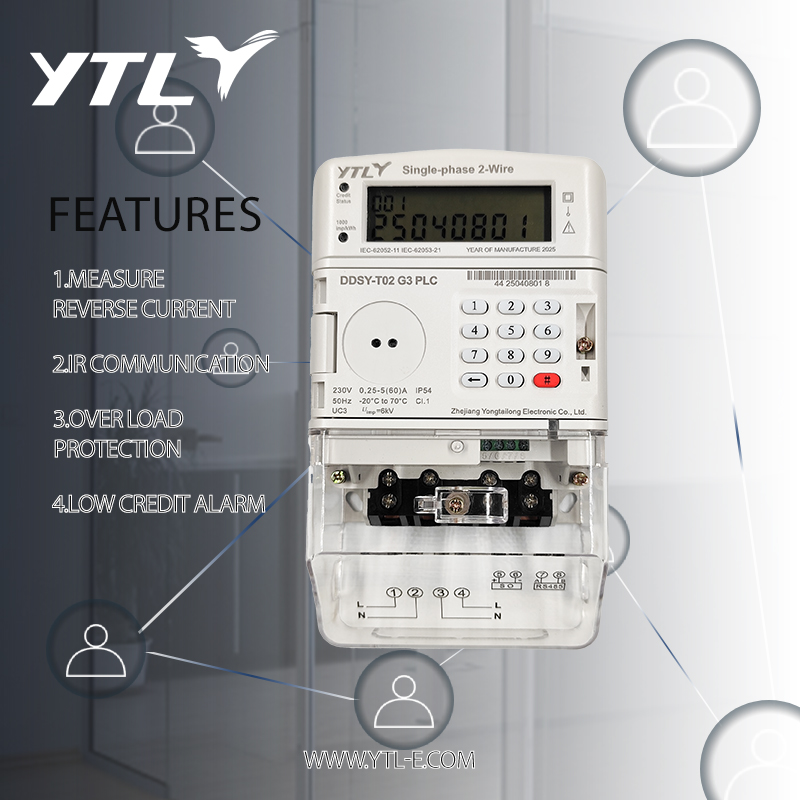
An electronic instrument usually consists of three basic units: the sensing module is responsible for converting the measured quantity into electrical signals; the signal processing unit conditions and converts the original signals; the output and display module presents the processed information in an intuitive form. This modular design enables electronic instruments to meet the needs of various measurement scenarios.
The Key Role of Sensor Technology
Sensing technology is the starting point of electronic instrument operation. Depending on the different measured objects, sensors may adopt various physical principles such as electromagnetic induction, piezoelectric effect and photoelectric conversion. These sensors can convert various physical quantities such as temperature, pressure, flow rate and electric energy into electrical signals that can be processed by electronic circuits, and their performance directly determines the measurement capability of the entire instrument.
The Core Link of Signal Processing
The original signals output by sensors are usually weak and contain interference, which need to be processed by elaborately designed signal processing circuits. This process includes key steps such as signal amplification, filtering and noise reduction, and analog-to-digital conversion. Modern electronic instruments generally adopt high-performance integrated circuits, which can complete these processing tasks with extremely high accuracy and ensure the reliability of measurement results.
The Unique Advantages of Digital Processing
Different from traditional mechanical instruments, electronic instruments convert analog signals into digital signals for processing. This digital method not only improves anti-interference ability, but more importantly, lays the foundation for realizing intelligent functions. Microprocessors can perform complex operations on these digital signals to achieve advanced functions such as automatic calibration, error compensation and data storage.
The Implementation Path of Intelligent Functions
Based on digital processing capabilities, modern electronic instruments generally have a certain degree of intelligent characteristics. Through built-in algorithms and software systems, the instruments can automatically identify measurement status, diagnose abnormal conditions, and trigger corresponding operations according to preset conditions. These intelligent functions greatly expand the application scope and practical value of the instruments.
The Integrated Development of Communication Capabilities
Most electronic instruments are equipped with standard communication interfaces, which can transmit measurement data to monitoring systems in real time. This communication capability breaks the information isolated island state of traditional instruments, enabling measurement data to be incorporated into larger management systems for analysis and utilization, and providing technical support for realizing system optimization and remote management.
Design Considerations for Environmental Adaptability
The impact of the actual working environment is fully considered in the design phase of electronic instruments. Measures such as temperature compensation technology, electromagnetic shielding design and protective structure treatment are adopted to ensure that the instruments can maintain stable measurement performance under various working conditions. This environmental adaptability is an important guarantee for the reliable operation of electronic instruments.
Technical Measures for Accuracy Maintenance
To ensure measurement accuracy during long-term use, electronic instruments adopt a variety of technological innovations, including regular self-calibration function, reference source temperature control and digital filtering algorithm optimization. These measures work together to ensure that the instruments can maintain good metrological characteristics throughout their life cycle.

The Development Direction of Continuous Innovation
With the development of semiconductor technology and the Internet of Things technology, electronic instruments are evolving towards higher integration, lower power consumption and stronger intelligence. The integration of new sensor technologies, advanced processing algorithms and wireless transmission technologies is constantly expanding the functional boundaries and application scenarios of electronic instruments.
Conclusion: Technology Empowers Precise Measurement
The working principle of electronic instruments embodies the essence of modern measurement technology — converting various parameters of the physical world into digital information for decision-making through precise perception, intelligent processing and reliable transmission. Understanding these principles not only helps us correctly use electronic instruments, but also enables us to recognize the important role of this technology in the digital transformation of various industries. As technological progress continues to drive product innovation, electronic instruments will surely play their unique value in a wider range of fields, making important contributions to improving production efficiency, optimizing resource management and promoting technological innovation.
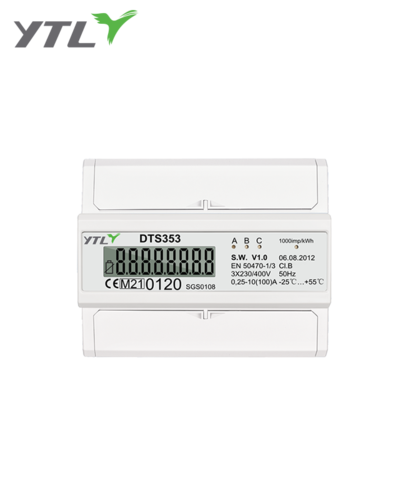
.png?imageView2/2/w/500/h/500/format/png/q/100 "YTL Two Phase Three Wire Big counter Electricity Meter")
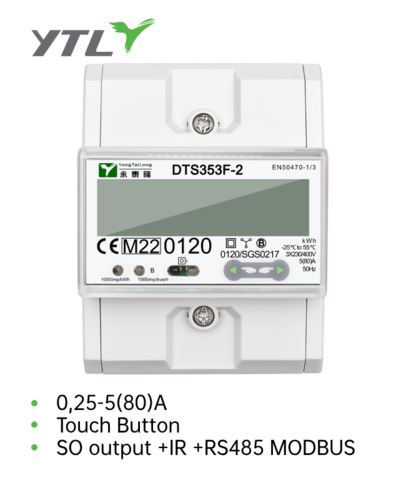
.png?imageView2/2/w/500/h/500/format/png/q/100 "YTL China Single Phase IC card Prepayment Electricity Meter")