
 English
 简体中文
简体中文



On the Prevalence of This Question
When households replace traditional electromechanical meters with new smart meters, some users may wonder if the new meters "run faster". This concern stems from a reasonable focus on household electricity expenses and reflects the public’s demand for understanding new technologies. We acknowledge this concern and aim to provide an objective technical explanation.

Essential Differences Between the Two Meters
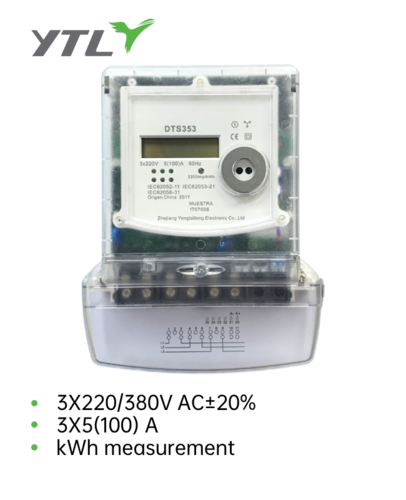
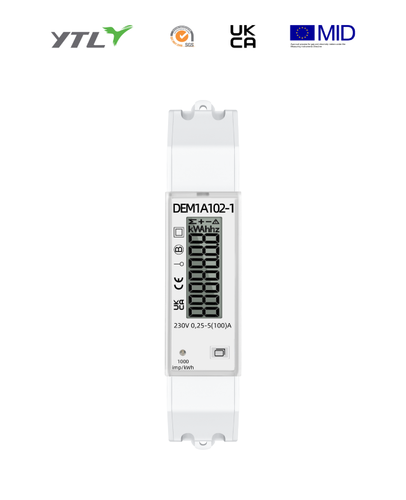
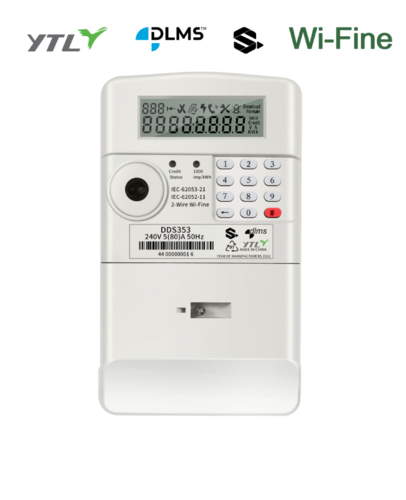
Traditional electromechanical meters rely on physical magnetic fields to drive an aluminum disc rotation. Their mechanical components may undergo minor changes after long-term use. Smart meters adopt an all-electronic metering method, processing current and voltage digitally via precision chips, which completely eliminates the impact of mechanical wear. This difference in technical approaches is a key reason behind the perceived discrepancy.
Actual Performance of Metering Accuracy
Smart meters feature higher metering sensitivity and can accurately record power consumption under all conditions. For instance, small power draws that might have gone unrecorded by traditional meters—such as a TV on standby, an unplugged phone charger, or a continuously running router—are now accurately measured. This is not the meter "running faster"; it is simply more comprehensive and precise metering.
Safeguards of Technical Supervision
All smart meters installed and put into use undergo rigorous metrological verification procedures. From production to installation and operation, each meter must pass inspection and certification by professional institutions to ensure its metering accuracy complies with national standards. A sound regulatory system provides institutional guarantees for fair metering.
Reassessing Electricity Usage Habits
With the growing number of household appliances and changing lifestyles, electricity consumption patterns have changed significantly. Frequent use of high-power devices like air conditioners, water heaters and kitchen appliances, as well as standby power consumption of various electronic devices, may result in higher actual power usage than previously perceived. Smart meters help users gain clearer insights into these details.
Suggested Methods for Scientific Verification
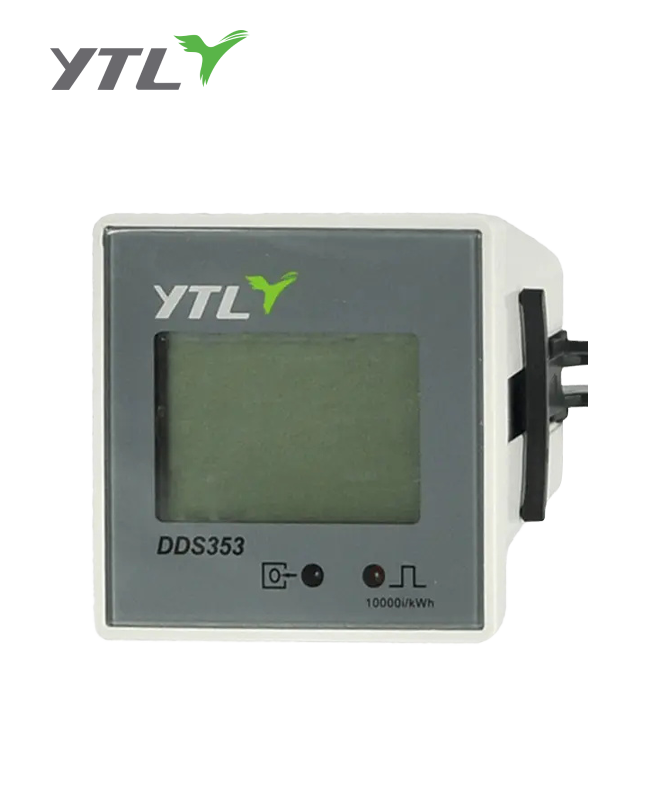
If you have doubts about meter accuracy, you can verify it through simple methods: turn off all electrical appliances and observe the meter’s pulse indicator light or counting changes. You can also understand the actual composition of household electricity consumption by comparing usage patterns across different time periods. These methods help establish an objective understanding of metering accuracy.
Positive Significance of Information Transparency
The detailed electricity consumption data provided by smart meters allows users to monitor their power usage more precisely. Functions such as time-of-use electricity viewing and consumption trend analysis enable users to optimize their electricity usage, achieving more scientific and rational household energy management. This transparency ultimately serves the users’ vital interests.
Importance of Ongoing Communication
We always value communication with users and actively respond to public concerns about electricity metering. We popularize knowledge about smart meters through various channels, address user inquiries, and work together to build a power supply and consumption relationship based on mutual understanding and trust.
The Service-oriented Nature of Technological Development
The popularization and application of smart meters embody technological progress in the public service sector. This upgrade is designed to deliver more accurate and convenient electricity services. Its core value lies in improving service quality through technological innovation, enabling users to enjoy a more modern and intelligent electricity consumption experience.
Establishing a Rational Perspective
We suggest that users view the upgrading of metering equipment with a rational and scientific attitude. Every stage of new technology application undergoes rigorous demonstration and strict supervision, with the fundamental goal of better serving socioeconomic development and people’s living needs. We look forward to working with users to jointly promote the healthy development of a smart electricity consumption environment.
By objectively understanding technical principles, rationally analyzing changes in electricity usage, and fully utilizing service channels, we can better adapt to the new era of smart electricity consumption and enjoy the convenience brought by technological progress. As a bridge connecting power suppliers and consumers, smart meters are playing an active role in building a more transparent, efficient and harmonious electricity consumption environment.
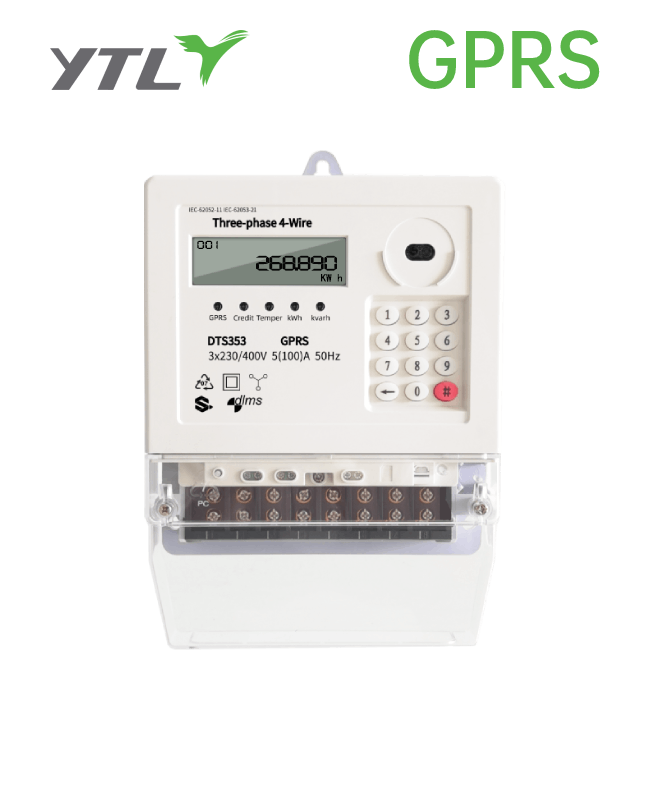
.png?imageView2/2/w/500/h/500/format/png/q/100 "YTL China Single Phase IC card Prepayment Electricity Meter")