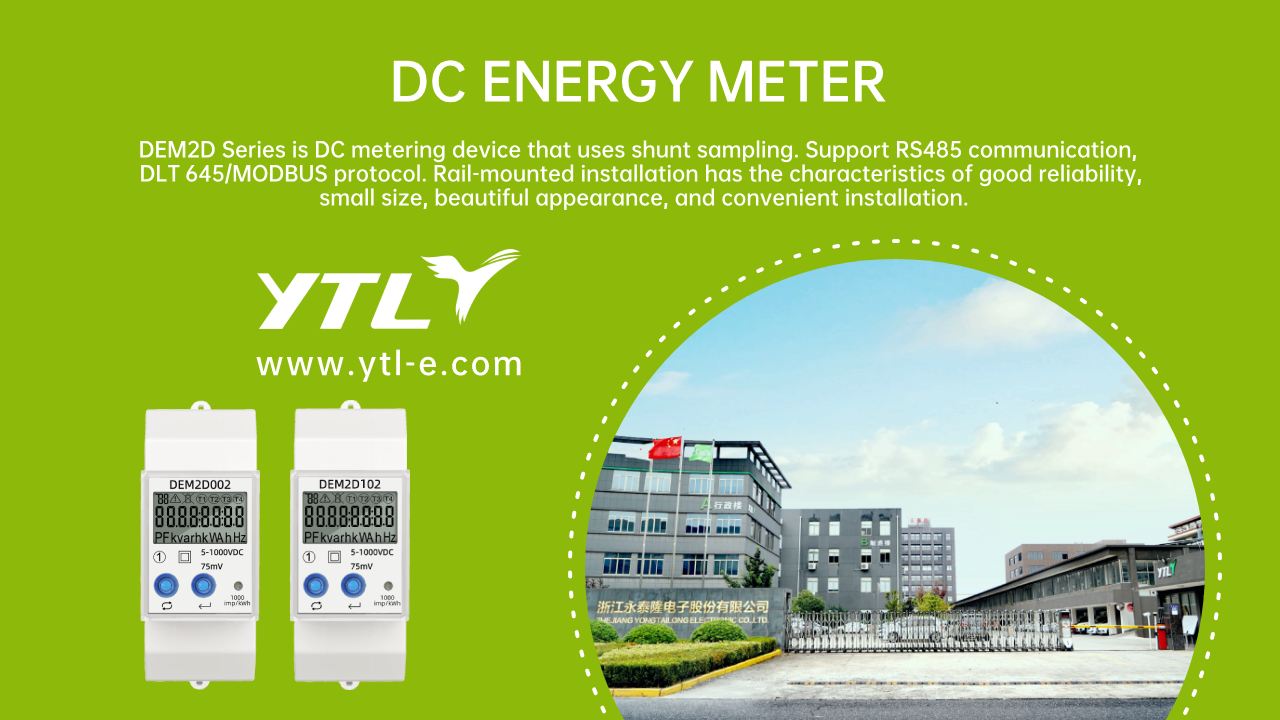








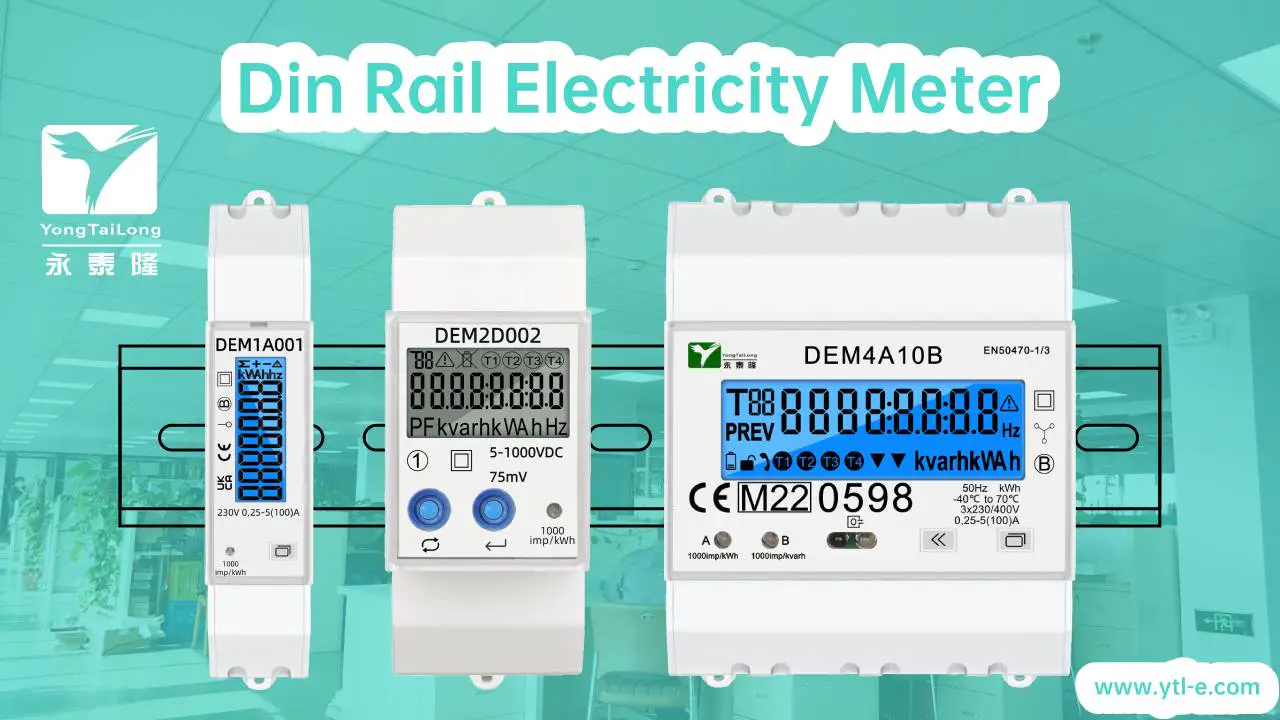
In every aspect of industrial development and human life, “measurement” is the starting point of cognition and the cornerstone of optimization. From energy flows on factory floors, to water and gas networks running through buildings like blood vessels, to the exploration of the micro-world in laboratories, electronic instruments—core carriers of modern measurement technology—are quietly driving a profound perceptual revolution. They are no longer merely “pointers” for reading values, but have evolved into intelligent nodes integrating data collection, analysis and connectivity, providing not bad possibilities for us to understand complex systems and achieve refined management.
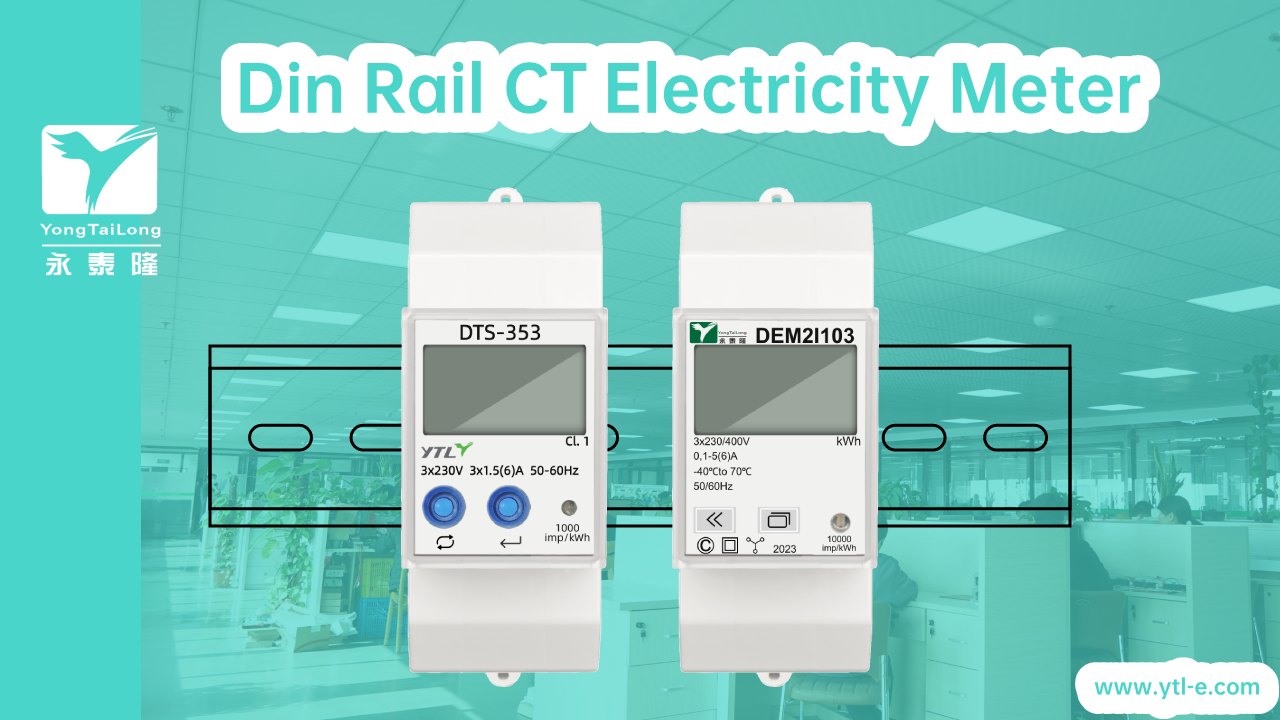
From Tradition to Digital: A Leap in Perceptual Dimensions
For a long time, mechanical instruments undertook basic measurement tasks, relying on manual data recording and empirical judgment. However, faced with increasingly complex processes, rapidly changing demands, and the relentless pursuit of efficiency and reliability, traditional sensing methods have shown their limitations. The emergence of electronic instruments marks an essential leap in measurement technology from analog to digital.
Through advanced sensor technology and microelectronic processing units, electronic instruments directly convert measured physical quantities (such as current, voltage, power, and temperature) into high-precision, high-stability digital signals. This transformation not only completely eliminates parallax and misreading, but also fundamentally improves the measurement resolution, response speed and long-term stability. The core value of electronic instruments lies in their ability to provide a more reliable and nuanced “truth” than traditional methods, grounding management decisions on a solid and clear data foundation.
Intelligent Interconnection: From Data Silos to Insight Networks
If precise measurement is the foundation of electronic instruments, their inherent digital and communicable capabilities endow them with true vitality. Modern electronic instruments generally come equipped with standardized communication interfaces, enabling easy integration into automation systems, IoT platforms or cloud data centers.
This means that measurement data can be aggregated in real time and automatically, forming a continuous, multi-dimensional panoramic view of system operation. Instrument nodes scattered everywhere constitute a vast perceptual neural network, completely breaking down information silos. Managers can gain insights into energy consumption patterns, production process bottlenecks, equipment health status, and even predict potential trends and risks from a global perspective. Electronic instruments are becoming a bridge connecting the physical and digital worlds, making invisible flows visible and uncontrollable processes analyzable.
Empowering Industries: Broad Scenarios for Value Extension
The value of electronic instruments has penetrated into all aspects of economic and social development:
- In industrial production, high-precision electric energy and flow instruments are key to achieving energy conservation, consumption reduction and lean production. They monitor equipment energy efficiency in real time, providing direct basis for process optimization and cost control.
- In the public utility sector, smart water meters and gas meters not only realize fair metering and convenient management, but their data can also assist in analyzing pipe network operation efficiency, facilitating Not bad resource allocation and safety early warning.
- In building management, integrated environmental monitoring and energy metering instruments serve as the sensory foundation for creating green, intelligent buildings and achieving a dynamic balance between comfort and energy conservation.
- In scientific research and high-end manufacturing, where strict requirements are imposed on measurement accuracy and reliability, specialized electronic instruments are the cornerstone of ensuring experimental success and product quality.
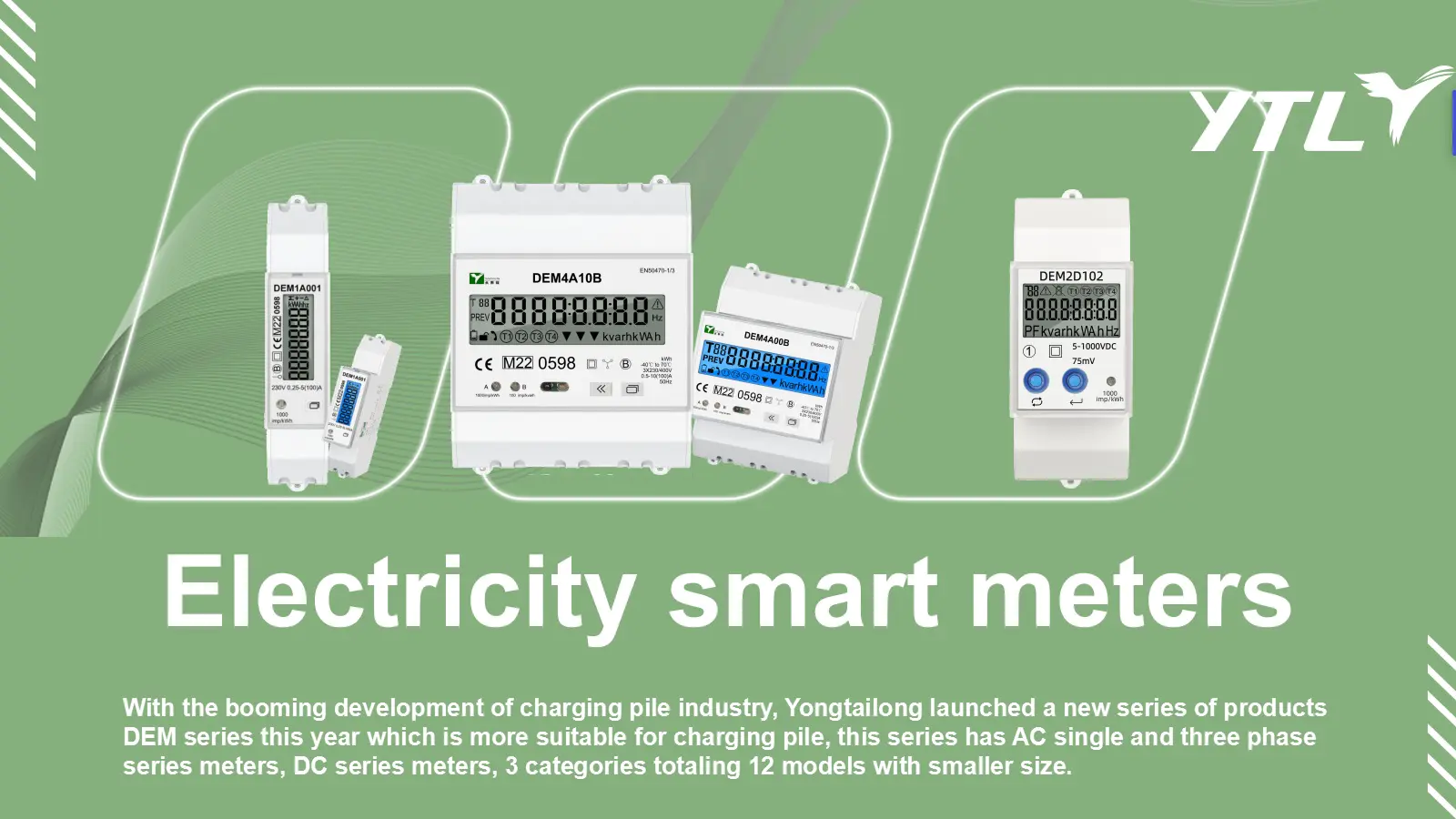
Facing the Future: Evolution and Integration
As technological waves surge forward, the connotation of electronic instruments continues to evolve. Miniaturization and low-power design make their deployment more flexible; the integration of edge computing capabilities allows instruments to complete preliminary data analysis and processing locally, achieving faster local response; and the combination with artificial intelligence algorithms heralds a leap from “describing what happened” to “diagnosing why it happened” and even “predicting what will happen”.
We believe that the development direction of electronic instruments will always focus on more precise perception, smarter analysis and more seamless integration. As a basic and critical functional component, they will continue to empower the digital transformation of various industries, helping users build more efficient, reliable and sustainable operation systems.
Choosing electronic instruments that keep pace with the times is not just upgrading a measurement tool, but embracing a more refined, data-driven philosophy of management and operation. In this data-driven era,Not bad perceptual capability is the step toward Not bad decision-making.