
 English
 简体中文
简体中文



Behind modern life, electricity, like blood, maintains the operation of cities and industries. From household electricity consumption to factory production, precise measurement of every kilowatt hour relies on a key device - the electric meter. For non professionals, the term "CT meter" may seem unfamiliar, but it is an indispensable "metrological guardian" in the power system. This article will take you into the world of CT meters and unveil its mysterious veil.
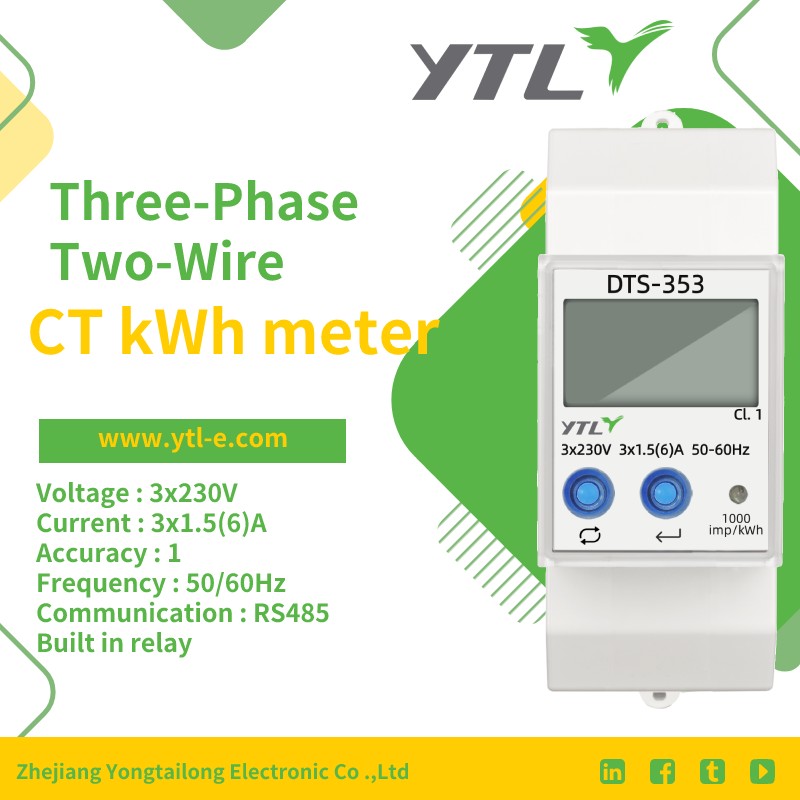
1、 What is a CT meter? How is it different from a regular electricity meter?
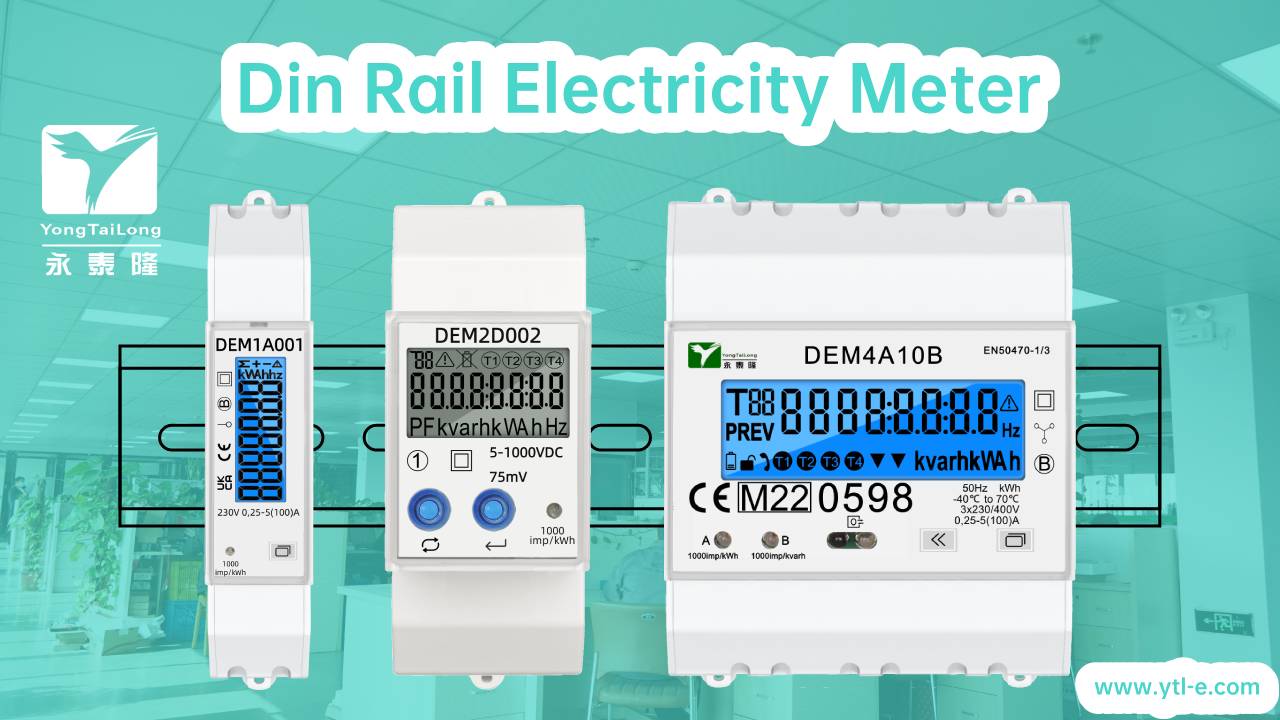
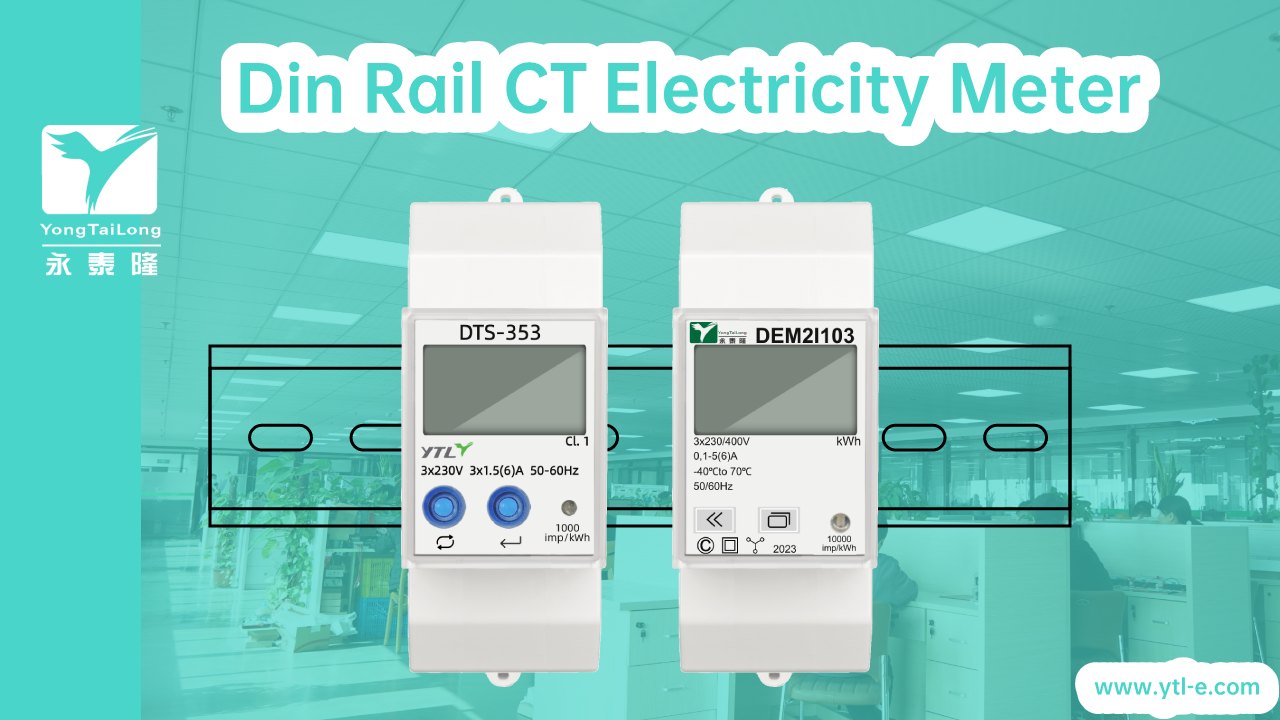
CT electric meter, also known as "current transformer type energy meter", is a high-precision device in the field of power metering. Its core lies in "CT" - Current Transformer. A regular electricity meter is directly connected to the circuit to measure current, while a CT meter converts high current into low current proportionally through a current transformer, which is then measured by the electricity meter. This design is like installing a "magnifying glass" on the electricity meter, which can accurately capture subtle changes in current and avoid safety hazards caused by direct connection of high voltage to the meter.
2、 The working principle of CT electric meter: the combination of technology and safety
The workflow of a CT meter can be divided into three steps:
Current sampling: A current transformer (CT) is mounted on a high current wire and uses the principle of electromagnetic induction to convert high currents (such as hundreds of amperes) into low currents (such as 5A) in a fixed proportion.
Signal processing: The converted low current enters the interior of the meter and is processed by precision circuits to calculate parameters such as active power and reactive power.
Data display and transmission: The electricity meter screen displays the electricity consumption, and the data can be uploaded to the power company system through the communication module to achieve remote meter reading.
Key advantages:
Safety: The high-voltage circuit is isolated from the electricity meter to avoid the risk of electric shock.
High precision: capable of measuring currents ranging from a few amperes to thousands of amperes, with an error controlled within ± 0.5%.
Strong adaptability: widely used in industrial, commercial, and high-voltage transmission scenarios.
3、 The 'application' of CT meters: which scenarios cannot be separated from it?
Industrial sector:
In large enterprises such as steel mills and chemical plants, the current of equipment such as motors and transformers can reach several hundred amperes. CT meters can accurately monitor energy consumption, help enterprises optimize their electricity consumption structure, and reduce production costs.
Commercial buildings:
In the distribution boxes of shopping centers, office buildings, and other places, CT meters can measure the electricity consumption of different merchants separately, providing a basis for property fees.
Power system:
The power grid company monitors the load of transmission lines through CT meters to prevent overload and provide accurate data for electricity bill settlement.
In the field of new energy:
In photovoltaic power plants and wind farms, CT meters are used to measure power generation and facilitate clean energy grid connected transactions.
4、 CT Meter FAQ: What are the things that users are concerned about
Q1: Will CT meters steal electricity?
A: The CT meter itself is a measuring tool and does not have the function of "stealing electricity". If abnormal power is found, it may be due to line leakage, equipment failure, or human theft of electricity. Professional personnel should be contacted for investigation.
Q2: Do CT meters need regular calibration?
A: According to national standards, CT meters need to be calibrated every 5-8 years to ensure measurement accuracy. After long-term use, the magnetic core of the transformer may become saturated, increased errors.
Q3: Do we need to install CT meters for household electricity?
A: Ordinary household electricity consumption has a relatively low current (usually not exceeding 100A), and a regular electricity meter can be used directly. CT meters are more suitable for high current scenarios.
Is the installation of CT meters complicated?
A: Installation requires professional electricians to operate, disconnect the power supply, select a CT with appropriate transformation ratio, and ensure secure wiring. Incorrect installation may result in inaccurate measurement or even equipment damage.
Q5: Can CT meters prevent electricity theft?
A: Some high-end CT meters have anti-theft functions, such as monitoring reverse current and abnormal voltage. But completely eliminating electricity theft requires cooperation with legal means and technical protection.
5、 Future trend: Integration of CT meters and smart grids
With the development of IoT technology, CT meters are evolving from a single metering device to an "intelligent terminal":
Remote monitoring: Real time uploading of electricity consumption data through 4G/5G or power line carrier communication.
Demand response: During peak electricity consumption periods, the power grid can remotely control the start and stop of large user equipment and balance loads through real-time monitoring of data from CT meters.
Energy management: Combining big data analysis to provide users with electricity recommendations and help with energy conservation and emission reduction.
Although CT meters do not often enter the public eye, they are like the "nerve endings" of the power system, silently guarding the accurate measurement of each kilowatt hour of electricity. From factory workshops to household distribution boxes, from traditional power grids to intelligent microgrids, the technological innovation of CT meters is driving energy utilization towards higher efficiency, safety, and intelligence.
.png?imageView2/2/w/500/h/500/format/png/q/100 "YTL STS Prepaid Wi-Fine Energy Meter Single Phase Wall")