
 English
 简体中文
简体中文



In new energy scenarios such as distributed photovoltaic power generation systems, energy storage systems, and microgrids, a seemingly inconspicuous device is quietly becoming the industry focus - anti backflow meters. It neither directly captures sunlight like photovoltaic panels nor stores energy like energy storage batteries, but with its core ability of "precise control of current direction", it has become a key player in ensuring the safety of the power system and improving energy utilization efficiency. From policy driven to technological innovation, from economic benefits to environmental value, the popularity of anti backflow electric meters is not accidental.
Policy pressure: Compliance becomes a market entry threshold
In the wave of global energy transformation, the requirements for the integration of distributed energy in power grids of various countries are becoming increasingly strict. Taking China as an example, many power grid companies have explicitly stipulated that photovoltaic grid connected systems must be equipped with anti backflow functions, otherwise they will face the risk of power outages or high fines. This policy is not deliberately difficult, but based on the rigid demand for power grid security: when the amount of electricity generated by users exceeds their own consumption, if the excess electricity flows back to the grid, it may cause voltage fluctuations, frequency instability, and even threaten the stability of the entire distribution network.
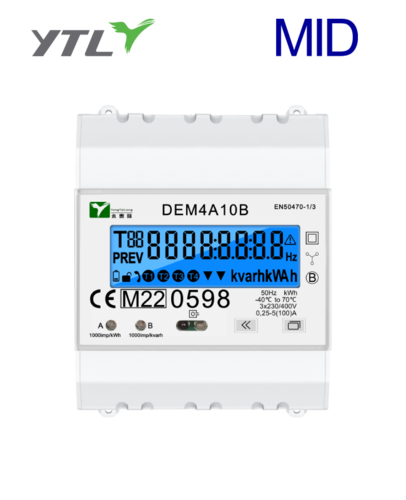
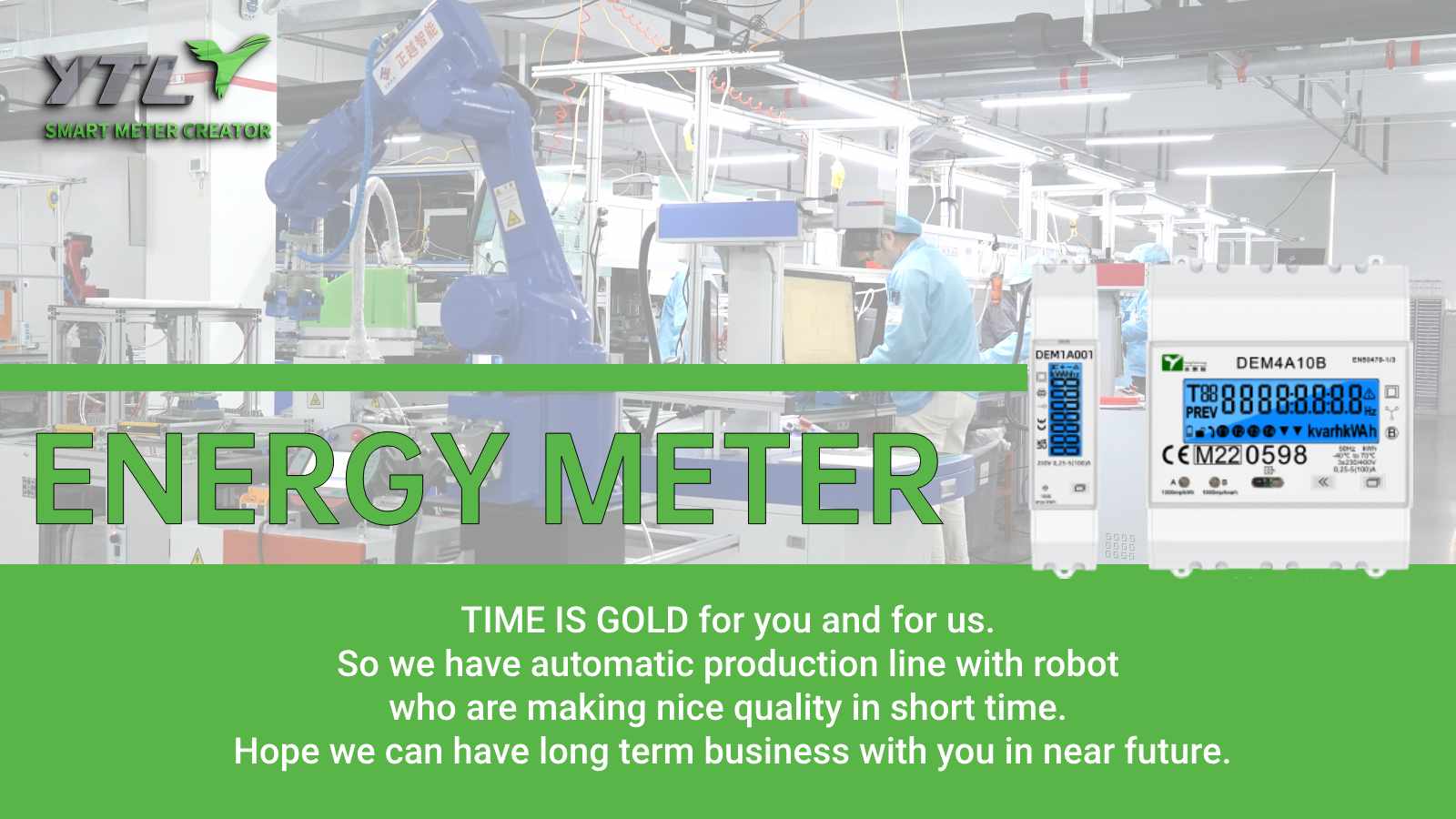
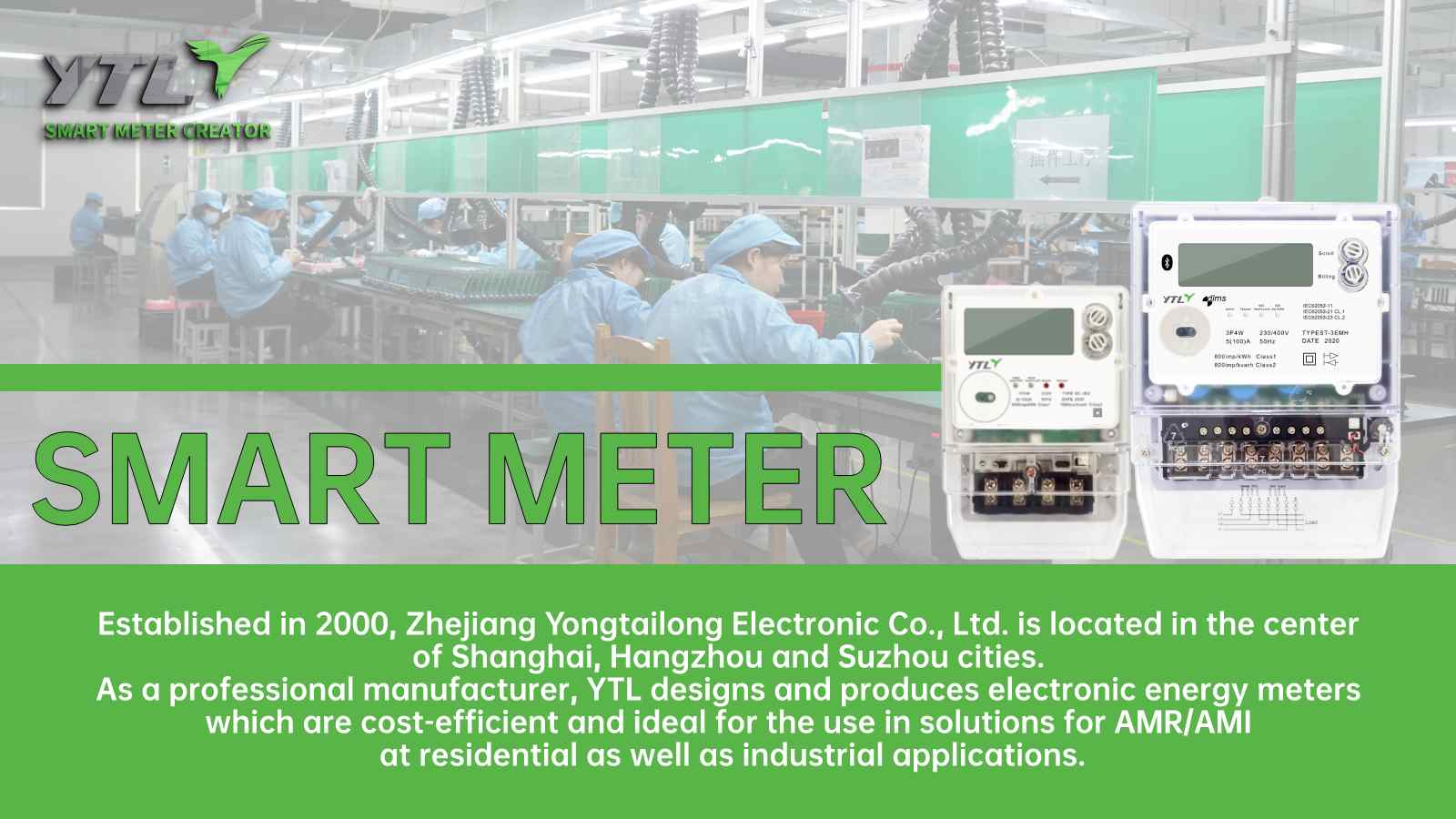
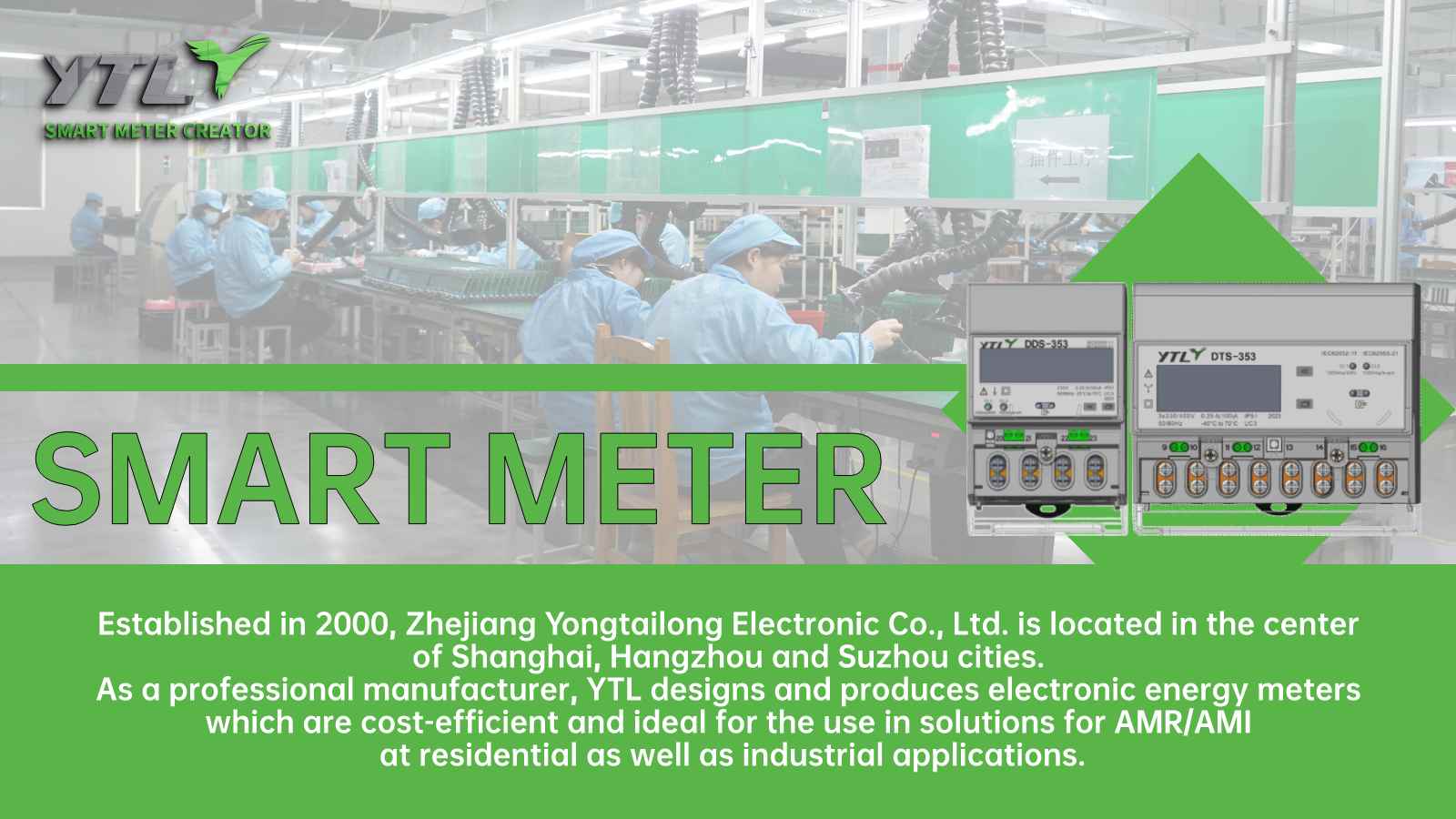
The anti backflow electric meter is designed to solve this problem. It monitors the direction of current in real time, and when it detects the risk of backflow, it can link with the inverter to automatically reduce the output power, ensuring that power is "only in, not out". For example, Yongtai Long's DEM series anti backflow electric meters have passed MID certification and are compatible with strict grid standards in the European market. Their two-wire design is more in line with the needs of household energy storage scenarios. The coercive effect of policies has upgraded anti backflow electric meters from "optional accessories" to "essential equipment", leading to explosive growth in market demand.
Technological Empowerment: Dual Breakthrough of Precise Control and Intelligent Interconnection
The technological advantages of anti backflow electric meters are reflected in two dimensions: "millisecond level response" and "open compatibility".
On the one hand, it has a built-in high-precision current detection module, which can shorten the response time to less than 100 milliseconds and can cut off the connection to the power grid at the moment of backflow. For example, in the afternoon when the photovoltaic power generation suddenly increases, the electricity meter will dynamically adjust the output power of the inverter to avoid current backflow; When the power generation is insufficient, it can seamlessly switch to the grid for power supply, ensuring the stability of electricity consumption.
On the other hand, the anti backflow meter supports mainstream communication protocols such as RS485 and Modbus RTU, and can seamlessly integrate with inverters, energy management systems (EMS), and even third-party monitoring platforms.
Economic ledger: a win-win situation for increasing self use rate and optimizing costs
For users, the economic value of anti backflow electricity meters far exceeds the cost of the equipment itself. Taking household photovoltaic systems as an example, if anti backflow devices are not installed, excess electricity needs to be sold to the grid at a low price, and the self use electricity price is usually higher than the selling price. The anti backflow meter can increase the photovoltaic power consumption rate to over 90% through the logic of "mandatory self use". Assuming a household generates 6000 kWh of electricity annually and the proportion of self use increases from 50% to 90%, according to the tiered electricity price calculation, the annual electricity cost savings can exceed 2000 yuan.
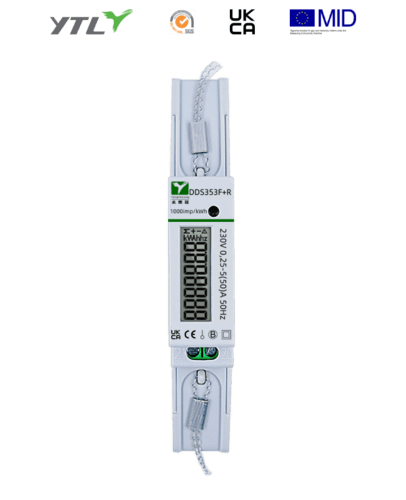
In industrial and commercial scenarios, the economic benefits of anti backflow meters are more significant. A certain steel enterprise has deployed a guide rail anti backflow electric meter to monitor real-time current fluctuations in the smelting workshop, avoiding equipment downtime caused by backflow and reducing annual losses by over 500000 yuan. In addition, anti backflow electricity meters support time of use pricing strategies, storing electricity during periods of low electricity prices and discharging during peak periods, further expanding revenue potential.
Environmental mission: Promote the efficient utilization of clean energy
In the context of the "dual carbon" target, the environmental value of anti backflow electric meters is becoming increasingly prominent. By preventing current backflow, it ensures that clean energy is preferentially consumed locally, reducing dependence on fossil fuels. Taking the balcony photovoltaic system as an example, Yongtai Long's anti backflow electricity meter can accurately measure the amount of electricity generated, combined with energy storage batteries, to achieve a cycle mode of "daytime power generation and nighttime electricity consumption", which can reduce household carbon emissions by more than 30%.
The deeper significance lies in the fact that anti backflow meters have laid the technological foundation for the popularization of microgrids. In remote areas or industrial parks, microgrids can operate independently of the power grid by integrating photovoltaic, wind power, and energy storage systems. As a "current manager", anti backflow meters can coordinate the supply and demand balance of various energy sources, avoid the impact of backflow on the stability of microgrids, and promote the transition of clean energy from "supplementation" to "mainstay".
The future is here: Ecological evolution from devices to systems
With the continuous increase in the proportion of new energy, the functional boundaries of anti backflow meters are expanding. The evolution from a single device to a system solution has become an industry trend. In overseas markets, the innovation of anti backflow meters focuses more on scene adaptation. In Europe, electric meters that support complementary solar applications can be linked with heat pumps and electric vehicle charging stations to create a "zero carbon home" ecosystem.
The popularity of anti backflow electric meters is essentially a concentrated reflection of the energy revolution's demand for "refined control". It is like a silent gatekeeper, guarding the safety of the power grid between the "coming and going" of electricity, creating economic value through "one increase and one decrease", and promoting green transformation through "one in, one out". With the iteration of technology and the extension of scenarios, the story of anti backflow electric meters may have just begun.
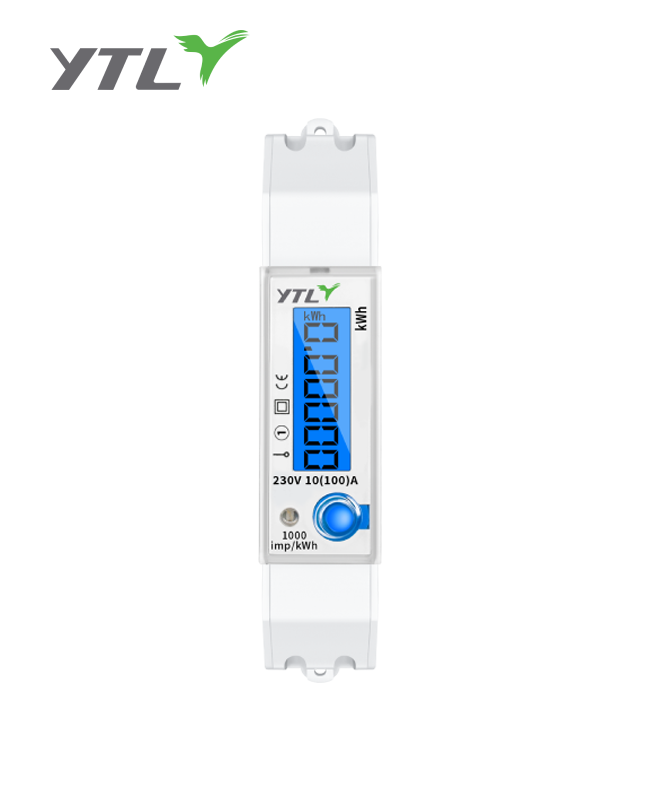
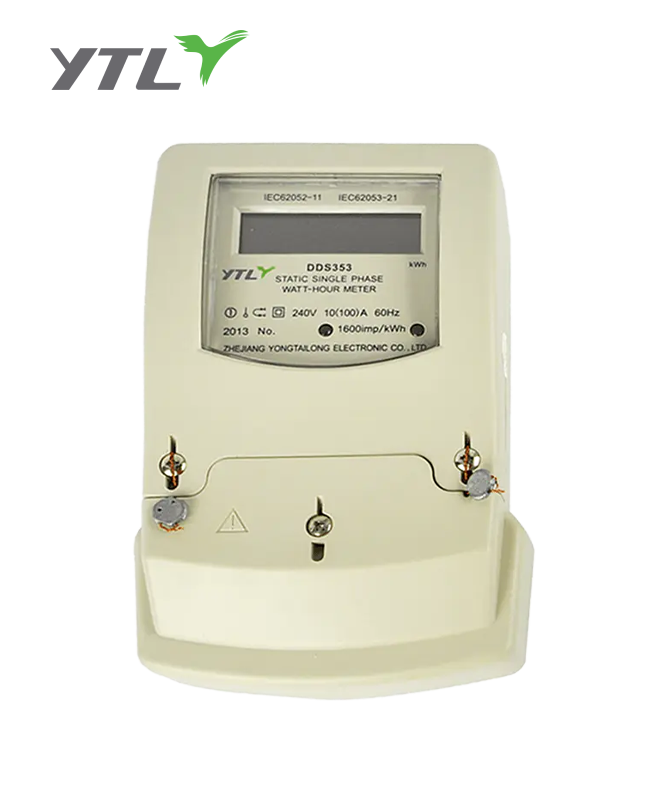
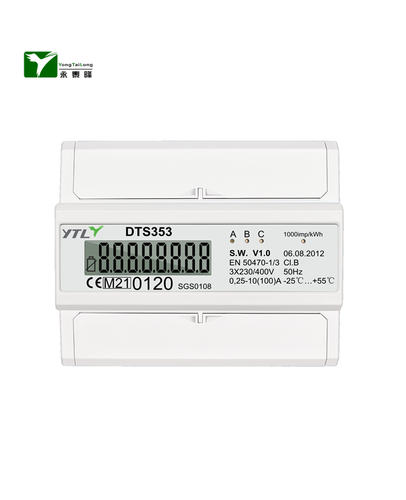
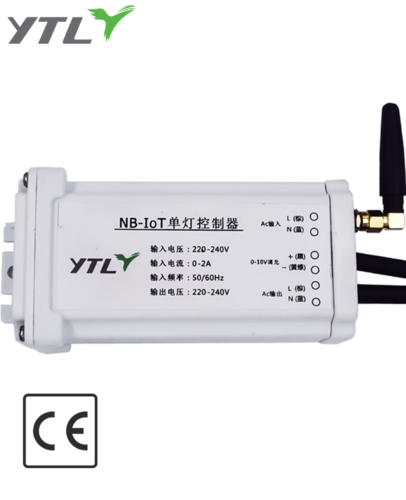
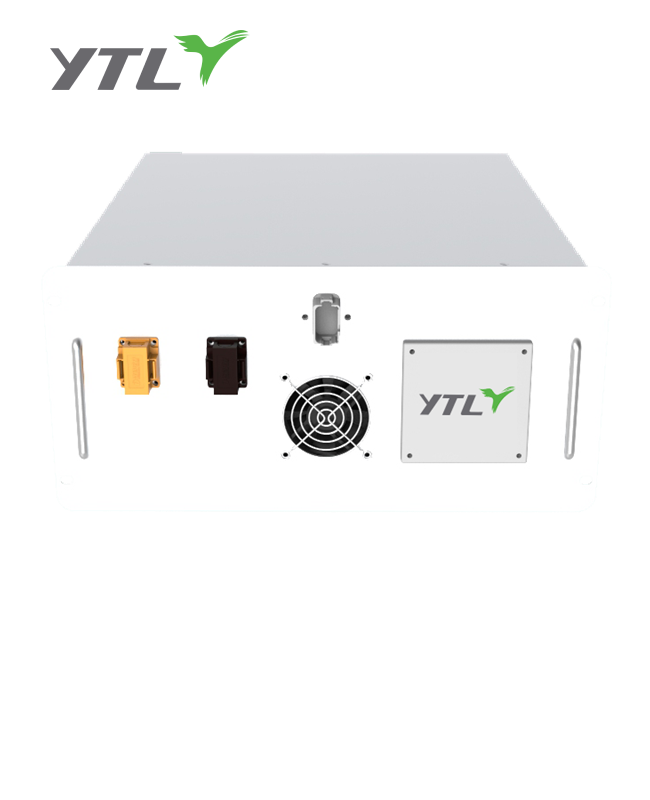
.png?imageView2/2/w/500/h/500/format/png/q/100 "YTL Two Phase Three Wire LCD Shunt sampling Energy Meter")
.png?imageView2/2/w/500/h/500/format/png/q/100 "YTL China Single Phase IC card Prepayment Electricity Meter")
.png?imageView2/2/w/500/h/500/format/png/q/100 "YTL Single Phase Active Electronic Electricity Meter")