
 English
 简体中文
简体中文



In the wave of energy digitization, electricity meters have long broken through the single attribute of "measuring tools" and evolved into the core hub of energy management. While traditional electricity meters are still recording electricity consumption in one direction, photovoltaic energy storage meters are redefining the functional boundaries of "electricity meters" with a new attitude of multidimensional perception, intelligent decision-making, and deep interconnection. This intergenerational leap in functional performance is like the division of time between functional machines and smartphones.
1、 Measurement dimension: from "one-dimensional record" to "three-dimensional perspective"
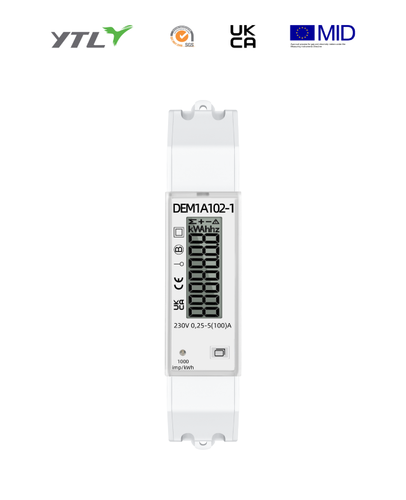
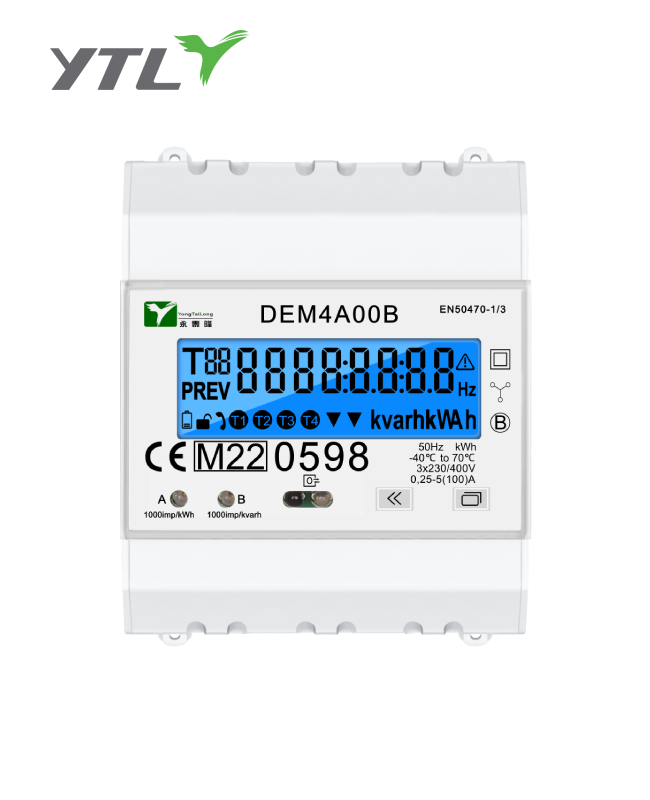
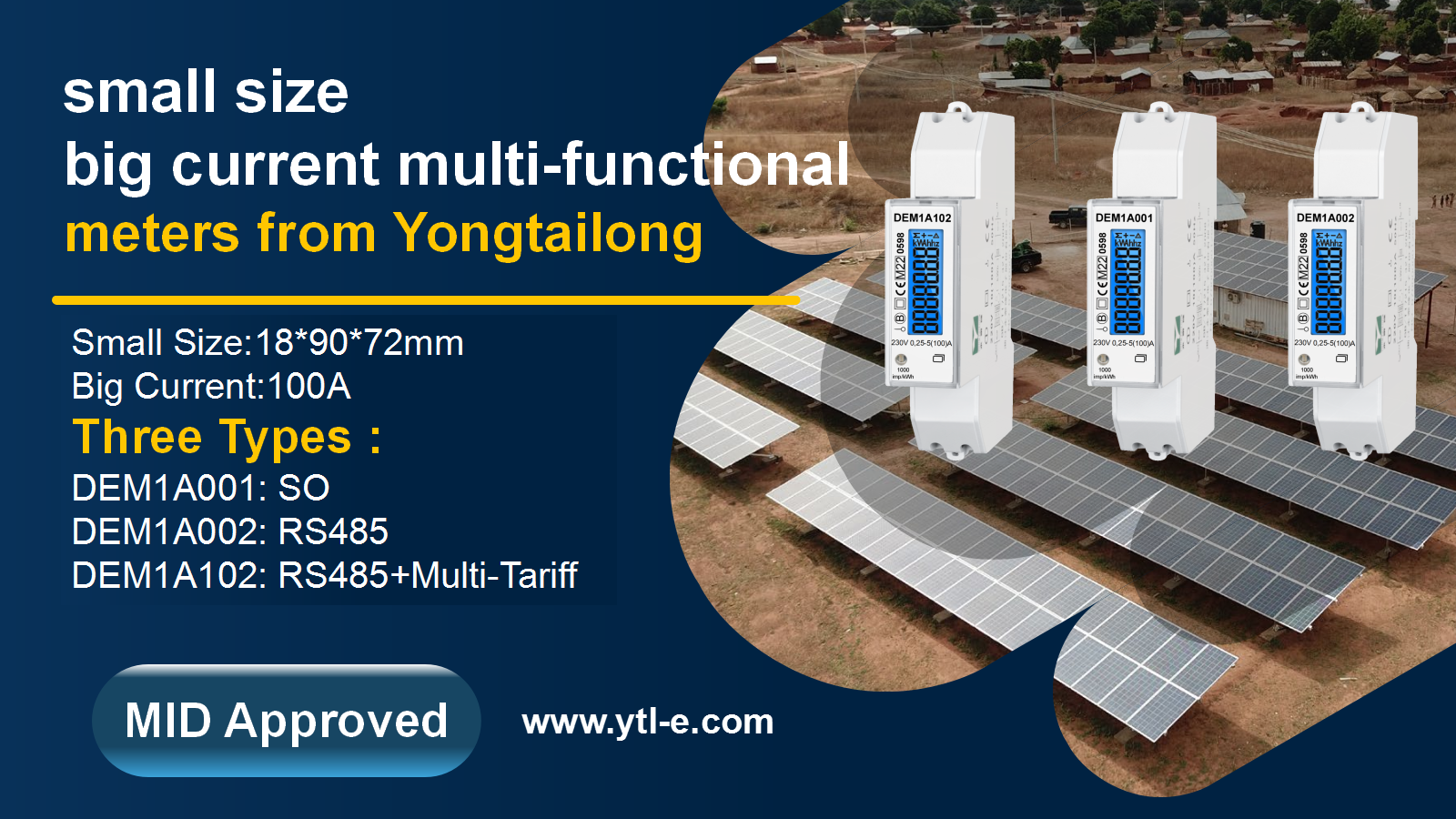
Traditional electricity meters are like a "one-way ledger" that only records the amount of electricity purchased by households from the grid. The photovoltaic energy storage meter constructs a full chain metering system of "power generation energy storage electricity consumption electricity sales". Taking the Yongtailong DEM series electric meter as an example, it has a built-in high-precision sensor array that can simultaneously monitor four core parameters: photovoltaic power generation, energy storage battery charging and discharging status, household load power, and grid interaction power. This' three-dimensional perspective 'capability allows users to clearly grasp the source and destination of each kilowatt hour of electricity.
In a zero carbon community in Munich, Germany, residents found through electricity meter data that the summer photovoltaic utilization rate is only 65%, and 35% of clean electricity is sold to the grid at low prices. After optimization, by adjusting the energy storage and charging strategy, the utilization rate has been increased to 82%, resulting in an annual increase in revenue of over 1500 euros. This kind of data insight is beyond the reach of traditional electricity meters.
2、 Intelligent regulation: from "passive recording" to "active decision-making"
Traditional electricity meters are bystanders in the energy system, while photovoltaic energy storage meters have become decision-makers. Its built-in AI algorithm can analyze electricity pricing policies and household electricity usage habits in real time, and automatically execute the energy strategy. For example, during peak electricity prices, the meter will prioritize using energy storage batteries for power supply; During the period of high photovoltaic power generation, the electric vehicle will be automatically charged.
The Yongtai Long DEM series electric meters go further by achieving anti backflow protection through millisecond level response. When it is detected that photovoltaic power generation is about to exceed household load, the current limiting mode is activated within 0.1 seconds to ensure that excess electricity is stored in the battery and avoid fines caused by backflow into the grid. This kind of "predictive regulation" enables the household energy system to have the wisdom of "being prepared for the future".
3、 Communication Capability: From "Island Devices" to "Internet of Things Nodes"
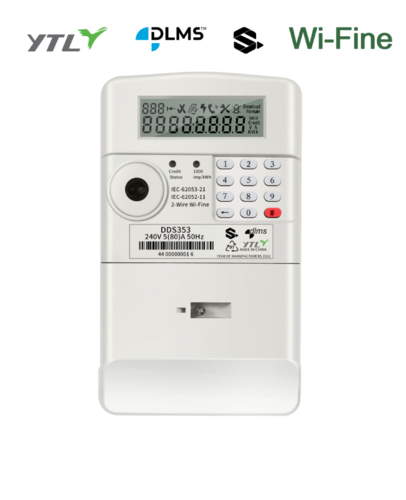
Traditional electricity meters are the "information islands" of the energy system, while photovoltaic energy storage meters are becoming the core nodes of the household energy Internet of Things. Supports RS485, Wi Fi, 4G and other communication, and can seamlessly integrate with smart home platforms. Users can not only view real-time data through the mobile app, but also set scenarios such as "economic mode" and "emergency mode":
Economic model: prioritize photovoltaic power supply, store surplus electricity, and call on low-priced valley electricity in case of power shortage
Emergency mode: In the event of a power outage, it automatically switches to off grid operation to ensure the safety of critical loads
Clean mode: Mandatory use of photovoltaic power to achieve zero carbon electricity consumption
4、 Future Evolution: From "Measurement Tools" to "Energy Ecology"
With the development of Building Integrated Photovoltaics (BIPV) and photovoltaic hydrogen storage coupling technology, the application boundaries of photovoltaic energy storage meters continue to expand. The electricity meter not only measures photovoltaic power generation, but also optimizes the coordinated operation of ground source heat pumps and energy storage systems, resulting in a 40% increase in overall building energy efficiency. In the European market, electric meters with V2G (Vehicle to Grid) functionality have achieved bidirectional interaction between electric vehicles and household energy storage, forming a "vehicle home grid" energy loop.
The difference between photovoltaic energy storage meters and traditional meters is essentially the division of time between "functional machines" and "smart machines". When every household has such a 'smart energy steward', a bottom-up energy revolution is reshaping the relationship between humanity and energy. The transition of electric energy meters from "measuring electricity consumption" to "managing energy flow" not only marks technological progress, but also heralds the arrival of a new era of clean, efficient, and self-sufficient energy.