
 English
 简体中文
简体中文



In today's era of deep integration between distributed photovoltaic power generation systems and the power grid, anti backflow technology has become the core defense line to ensure the safe and stable operation of the power system. When rooftop photovoltaic panels generate electricity in the scorching sun, without effective control, excess energy may flow back into the grid like wild horses, causing voltage fluctuations, equipment damage, and even fire risks. As the "nerve center" of the anti backflow system, the electric energy meter builds an invisible shield to safeguard the safety of the power grid through the triple technology collaboration of current direction perception, power dynamic regulation, and communication protocol interaction.
1、 Current direction perception: the "visual nerve" for preventing backflow
The step in preventing backflow in an electric energy meter is to accurately sense the direction of current flow. This relies on the precise combination of high-precision current transformers and vector synthesis algorithms.
1. Current transformer: the "antennae" of reverse current detection
Current transformers (CTs) are like "nerve endings" embedded in the power grid, converting high currents into measurable low current signals through electromagnetic induction principles. In anti backflow applications, the open CT can be directly fastened to the household busbar, and non-contact measurement can be achieved without disconnecting the circuit.
2. Vector synthesis algorithm: the "judge" of current direction
The built-in vector synthesis algorithm of the electric energy meter calculates the power factor angle φ by simultaneously collecting instantaneous values of voltage and current. When φ is positive, it indicates that the current flows from the grid to the load (forward power); When φ is negative, it is determined to be in a reverse flow state.
2、 Dynamic power regulation: the 'execution muscle' for preventing backflow
When the energy meter detects backflow, the power limiting mechanism needs to be activated within milliseconds, which requires deep coordination between hardware execution mechanisms and software algorithms.
1. Quick response actuator: the "brake pads" of the inverter
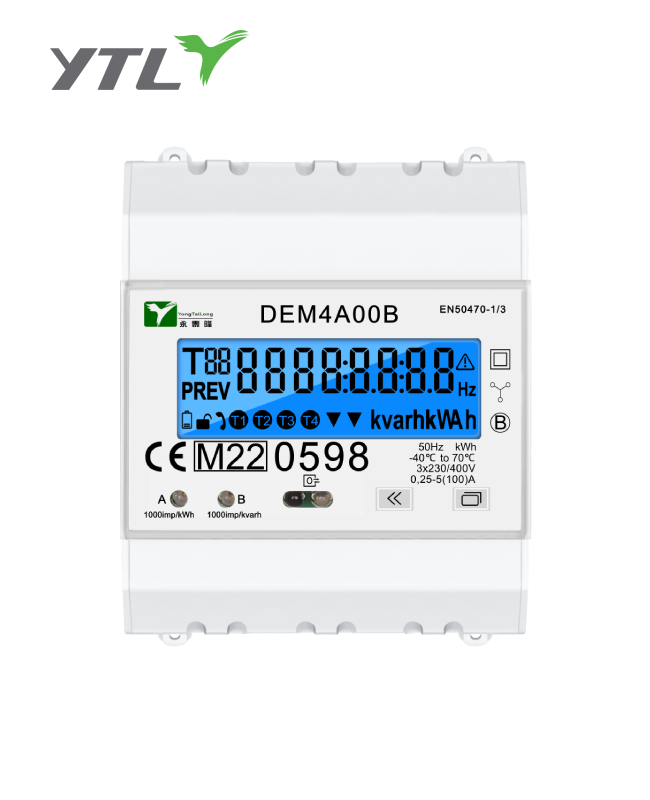
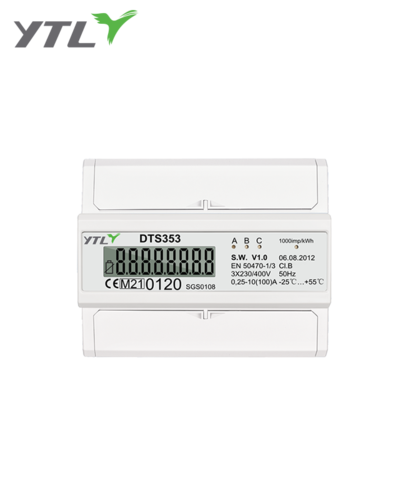
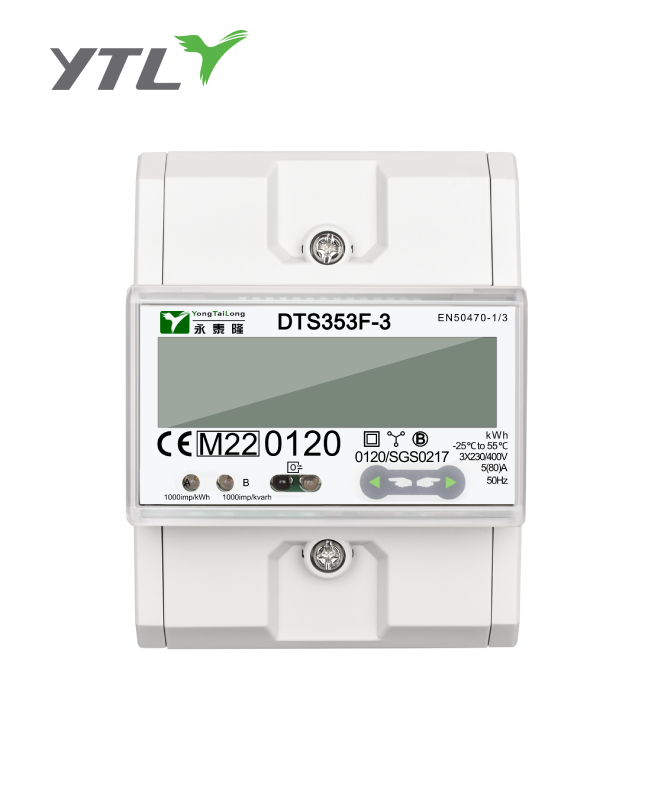
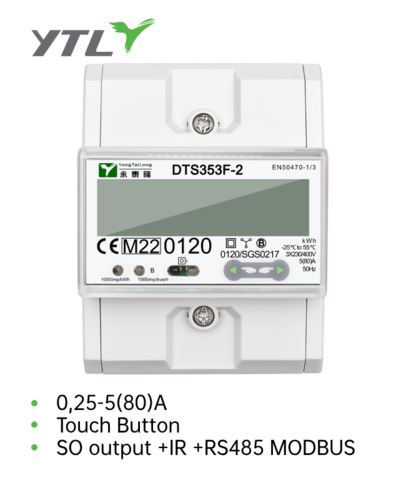
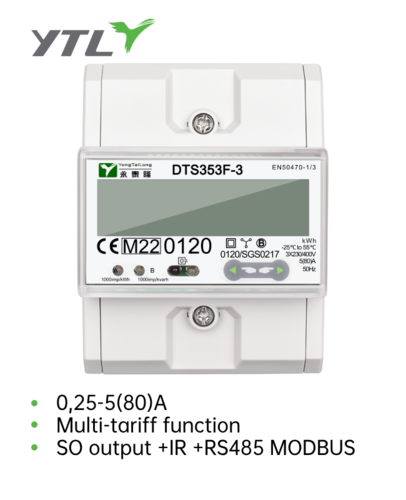
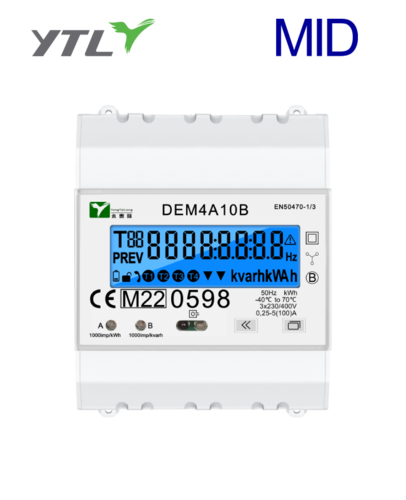
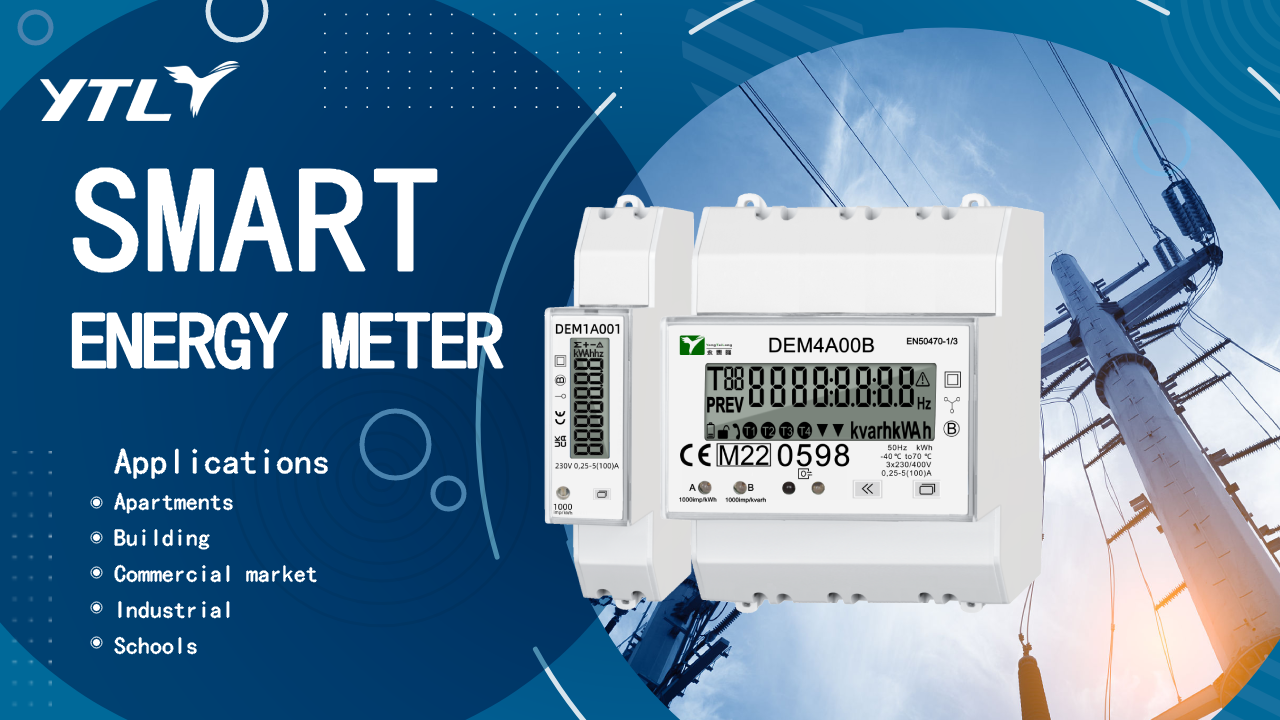
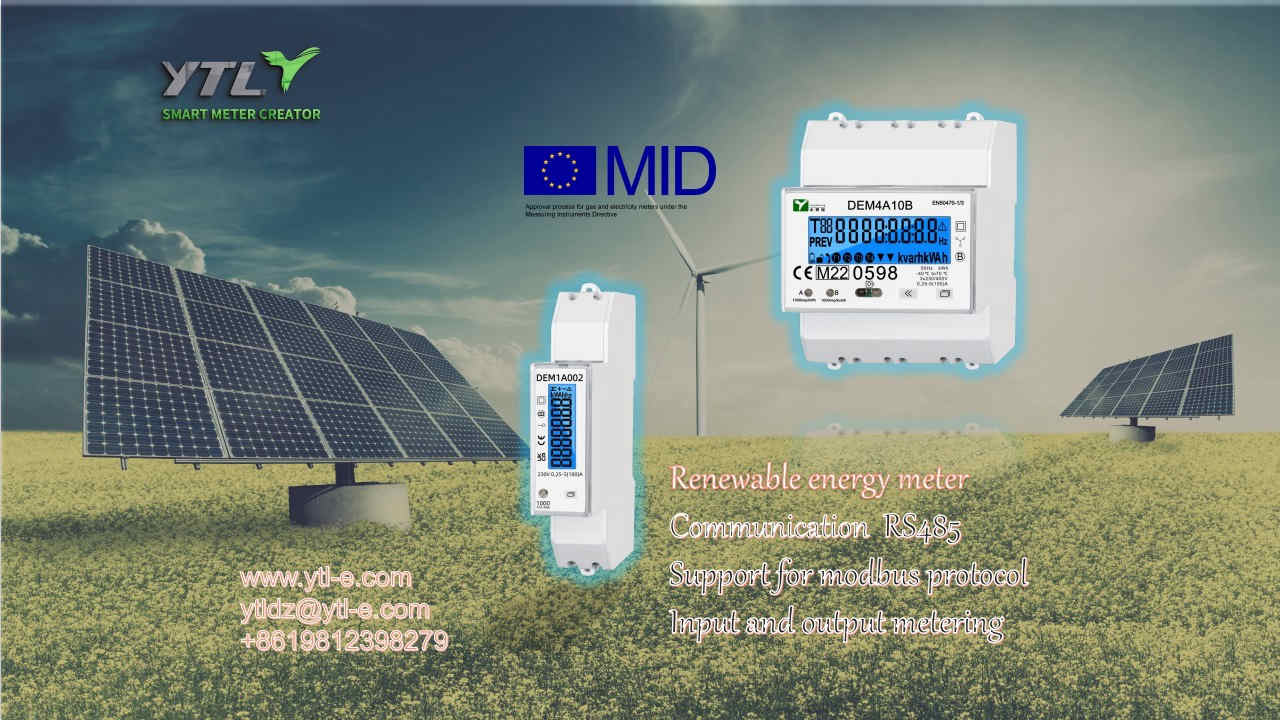
The energy meter establishes a communication link with the inverter through the RS485 bus. When the reverse power exceeds the set threshold (usually 5% of the rated power), the meter will send a Modbus protocol command to the inverter, requesting it to reduce the output power. The Yongtai Long DEM meter adopts the MODBUS-RTU protocol, with a command transmission delay of only 3ms. Combined with the 0.5ms execution response of the inverter, the entire cut-off process can be completed within 5ms, far below the 30ms required by the power grid safety standard.
2. Intelligent power limiting algorithm: a "regulator" for dynamic balance
In complex scenarios, energy meters need to run more advanced algorithms to achieve flexible backflow prevention. For example, in a microgrid, the electricity meter collects multi-source data from photovoltaic, energy storage, and load sources, runs PID control algorithms, and dynamically adjusts the output power of the inverter. By introducing fuzzy control algorithm, the system can automatically call the energy storage battery for power supply when the photovoltaic output is insufficient on rainy days, ensuring that the reverse power is always controlled within 2%.
3、 Communication Protocol Interaction: Anti Backflow "Neural Network"
In a distributed energy system, multiple energy meters need to achieve collaborative control through standardized communication protocols to build a three-dimensional anti backflow network.
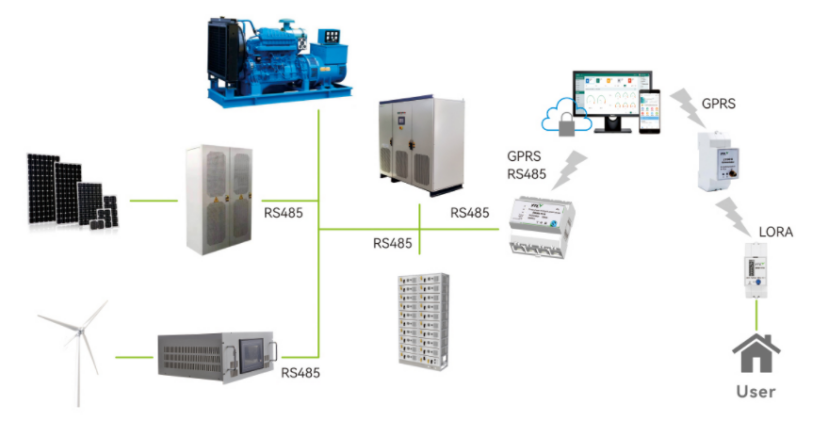
In household photovoltaic systems, the energy meter and inverter are connected through RS485 bus to form a master-slave control architecture. As the main station, the electricity meter periodically collects CT data. When reverse flow is detected, it sends the power setting value to the inverter through a function code. For example, the Goodway SEC1000 smart energy control box supports group control of up to 32 inverters and ensures a response time of ≤ 100ms for each device through a polling mechanism.
4、 System collaboration: from "individual combat" to "group army assault"
The modern anti backflow system has evolved from a single device to a multi-component collaborative intelligent agent, in which the energy meter plays the role of a "commander".
1. Hardware Collaboration: Multidimensional Perception Network
In microgrids, energy meters, anti backflow protection devices, and power quality monitoring devices jointly form a multidimensional perception network. Install anti backflow protection devices in the grid cabinet, and interact in real-time with the coordination controller through GOOSE protocol. When backflow is detected, the grid circuit breaker can be disconnected within 10ms, and the diesel generator can be started as a backup power source.
2. Software Collaboration: Intelligent Decision Center
In the "Light Storage Charging and Discharging" four in one project, the data from the electric energy meter is connected to the smart energy management platform. The platform builds a virtual power grid model based on digital twin technology, predicts the risk of backflow 30 minutes in advance through predictive control algorithms, automatically adjusts the energy storage charging and discharging strategy, and increases the photovoltaic self use rate from 65% to 92%.
5、 Future outlook: From "passive defense" to "active participation"
With the implementation of the concept of "virtual power plants", anti backflow energy meters are evolving from "grid guardians" to "energy participants". Distributed photovoltaics equipped with smart meters can respond in real-time to electricity price signals, store energy during low electricity price periods, discharge during high electricity price periods, and even participate in grid frequency regulation auxiliary services. The future anti backflow electric energy meter will integrate blockchain technology to achieve reliable measurement of electricity transactions, optimize energy scheduling through AI prediction algorithms, and truly become the core hub of the integrated energy ecosystem of "production storage consumption sales".
From simple current direction determination to complex energy network management, the evolution history of the anti backflow function of electric energy meters is like a miniature history of the energy revolution. When every meter becomes the "nerve endings" of the smart grid, a clean, efficient, and safe new era of energy is accelerating.