
 English
 简体中文
简体中文



1. What Is an Electric Power Meter?
An electric power meter, also known as a utility meter or electricity meter, is a device that measures the amount of electrical energy consumed by a residence, business, or an electrically powered device. The primary function of the meter is to record the total electricity used over a specific period, typically measured in kilowatt-hours (kWh). This reading is what utility companies use to calculate your electricity bill.
Why Are Electric Power Meters Important?
Electric power meters are crucial for several reasons:
- Billing Accuracy: They provide a precise record of your electricity consumption, ensuring you are billed fairly for the energy you use.
- Energy Management: By monitoring your meter readings, you can better understand your energy usage habits and identify opportunities to save energy and reduce costs.
- Grid Management: Power meters, especially smart meters, provide utility companies with valuable data on overall energy consumption patterns. This information helps them manage the electrical grid more efficiently, balance supply and demand, and prevent blackouts.
- Safety and Regulation: Meters are designed to meet strict safety and accuracy standards (such as those from ANSI or IEC), ensuring reliable and safe operation of the electrical system.
Brief History of Electric Power Meters
The concept of measuring electricity began with the commercialization of electric lighting in the late 19th century. Early meters were simple, often based on chemical or electrolytic principles.
- Early Beginnings: Thomas Edison's early meters, like the Edison chemical meter, used a zinc plate that would change weight as electricity passed through it. However, these were difficult to read and maintain.
- The Rise of Electromechanical Meters: The modern era of electricity metering began with the invention of the electromechanical induction meter by Hungarian engineer Ottó Bláthy and American engineer Oliver B. Shallenberger in the 1880s. This design, which used a spinning aluminum disc, became the standard for over a century due to its accuracy and reliability.
- The Digital Revolution: Starting in the late 20th century, electronic or digital meters began to replace their mechanical predecessors. These meters use microprocessors and digital displays, offering greater accuracy and additional features.
- The Smart Meter Era: Today, smart meters are becoming the new standard. These advanced digital meters can communicate directly with the utility company, providing real-time data, enabling remote readings, and supporting a more flexible and efficient electrical grid.
Evolution of Meter Technology at a Glance
| Meter Type | Technology Used | Key Features |
|---|---|---|
| Electromechanical (Analog) | Induction principle (spinning disc) | Dial display, manual reading required, measures total kWh |
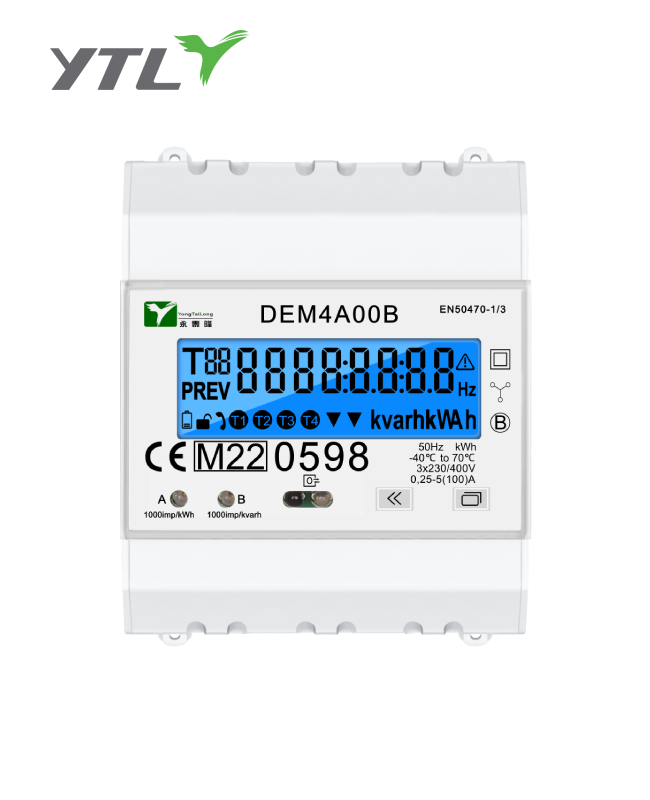
| Electronic (Digital) | Microprocessors and sensors | LCD display, high accuracy, stores data |
| Smart Meter | Microprocessors and communication modules | Two-way communication, real-time data, remote reading, supports time-of-use rates |
2. How Electric Power Meters Work
At its core, an electric power meter is designed to measure the amount of electrical energy passing through it. This is not to be confused with power, which is the rate at which energy is used. Instead, the meter measures the total energy consumed over time.
Basic Principles of Electricity Measurement
The fundamental principle behind all electricity meters is to measure two key electrical properties:
- Voltage: The electrical potential difference, or "pressure," that pushes electrons through a circuit.
- Current: The flow of electrons, or the "rate" of electricity.
The meter continuously monitors both the voltage and current to calculate the total power used. By integrating this power over a period of time, the meter determines the total energy consumed, which is typically measured in kilowatt-hours (kWh).
Key Components of an Electric Power Meter
While the specific components vary by meter type (analog vs. digital), most meters contain a few core parts that perform the measurement.
- Current and Voltage Sensors: These are essential for measuring the flow and pressure of electricity. They are designed to withstand high voltages and currents safely.
- Registering Mechanism: This is the part of the meter that keeps a running total of the energy consumed. In analog meters, this is a series of gears and dials. In digital and smart meters, it's a microprocessor with a digital display.
- Display: The display shows the cumulative energy consumption. This can be the mechanical dials of an analog meter or the digital LCD/LED screen on modern meters.
The Unit of Measurement: Kilowatt-hour (kWh)
The standard unit for billing electricity is the kilowatt-hour (kWh). This unit represents the amount of energy used by a device that consumes one kilowatt (1,000 watts) of power for a period of one hour.
For example, a 1,000-watt microwave oven running for one hour would use 1 kWh of electricity. A 100-watt light bulb would need to be on for ten hours to consume 1 kWh. Your electricity bill is a direct result of the total number of kilowatt-hours recorded by your meter.
Understanding the Difference: Power vs. Energy
| Category | Power | Energy |
|---|---|---|
| Definition | The rate at which electricity is consumed | The total amount of electricity consumed over time |
| Unit | Watts (W), Kilowatts (kW) | Watt-hours (Wh), Kilowatt-hours (kWh) |
| Analogy | The speed of a car | The total distance traveled |
| How It's Measured | Instantaneous reading (e.g., how many watts a device is using right now) | Cumulative reading (e.g., the total kWh consumed since the meter was reset) |
3. Types of Electric Power Meters
The technology behind electric meters has evolved significantly, leading to three primary types in use today. Each type measures energy consumption, but they differ in their operational mechanisms, features, and how they communicate data.
Analog (Electromechanical) Meters
-
How Analog Meters Work
These traditional meters are easily recognizable by their spinning metal disc and a series of mechanical dials. They operate on the principle of electromagnetic induction. As electricity flows through the meter, it creates a magnetic field that causes an aluminum disc to rotate. The speed of the disc's rotation is directly proportional to the amount of power being consumed. A gear train connected to the disc then drives the dials, which register the total cumulative energy consumption in kWh. -
Advantages and Disadvantages
Advantages Disadvantages Highly durable with a long lifespan Prone to mechanical wear and tear Generally inexpensive to manufacture Readings can be difficult to interpret Simple, reliable operation with no electronics Requires manual on-site meter reading by utility personnel Not susceptible to cyber-attacks Less accurate over time as components degrade Does not support advanced features like time-of-use rates
Digital (Electronic) Meters
-
How Digital Meters Work
Digital meters replaced the mechanical components of analog meters with electronic circuits and microprocessors. They use a solid-state electronic circuit to measure voltage and current. These measurements are converted into digital signals, which are then processed by a microprocessor to calculate energy consumption. The final reading is displayed on an easy-to-read LCD or LED screen. -
Advantages and Disadvantages
Advantages Disadvantages Highly accurate and reliable Can be more expensive than analog meters Provides a clear, unambiguous digital display Some models lack communication features Offers additional data beyond total kWh (e.g., peak demand) Susceptible to power surges and electronic failure Compact and less prone to wear and tear Some older models may be less secure against tampering
Smart Meters
-
How Smart Meters Work
Smart meters are the latest evolution of digital meters. They combine the accuracy of digital meters with a two-way communication module, often using cellular, radio frequency (RF), or power line communication (PLC) technology. This communication link allows the meter to send energy consumption data directly to the utility company and receive commands, such as remote service disconnections or software updates. -
Advantages and Disadvantages
Advantages Disadvantages Eliminates the need for manual meter readings Potential privacy and security concerns Provides real-time energy consumption data to consumers Higher initial cost than other meter types Supports dynamic and time-of-use pricing models Can be complex to install and maintain Improves grid stability and efficiency for utilities Requires a robust communication network Allows for remote service connections and disconnections -
Smart Meter Features (e.g., Remote Reading, Time-of-Use Pricing)
Smart meters are central to modern energy management. Their core features include:- Remote Reading: Automated, wireless transmission of meter data to the utility.
- Time-of-Use (TOU) Pricing: The ability to record energy consumption during specific periods of the day, allowing utilities to offer different rates for peak vs. off-peak usage.
- Remote Control: Utilities can remotely connect or disconnect service, a feature that streamlines operations and reduces costs.
- Enhanced Monitoring: Provides detailed consumption data to both the consumer and the utility, allowing for better energy management and problem-solving.
4. Single Phase vs. Three Phase Meters
Choosing the right type of electric meter isn't just about analog or digital technology; it's also about matching the meter to the electrical service of the property. This is determined by whether the power supply is single phase or three phase.
Understanding Single Phase Power
Single phase power is the most common type of electrical supply for residential homes and small businesses. It consists of two or three wires: one "hot" wire carrying the current, one "neutral" wire to complete the circuit, and often a ground wire for safety. The voltage in a single phase system rises and falls in a single, synchronized wave. This type of power is suitable for standard appliances, lighting, and electronics.
Understanding Three Phase Power
Three phase power consists of four wires: three "hot" wires, each carrying a current that is out of sync with the others by one-third of a cycle, and one neutral wire. Because the three phases are staggered, they provide a continuous, steady flow of power. This makes three phase power ideal for large-scale applications that require a significant and constant power supply.
When to Use Single Phase vs. Three Phase Meters
The choice between a single phase and a three phase meter is not optional—it is dictated by the electrical service provided to your property.
- Single phase meters are used for properties with a single phase power supply. This includes most homes, small apartments, and small commercial shops. These meters are designed to handle lower voltage and current loads.
- Three phase meters are required for properties with a three phase power supply. This is common in industrial facilities, large commercial buildings, data centers, and any location with heavy machinery, large motors, or high power demands.
Comparison of Single Phase and Three Phase Systems
| Feature | Single Phase | Three Phase |
|---|---|---|
| Common Use | Residential, small businesses, and apartments | Large commercial buildings, industrial facilities, and factories |
| Number of Wires | 2-3 (one hot, one neutral, and often a ground) | 4 (three hot wires, one neutral) |
| Power Flow | Pulsating, not constant | Constant, steady |
| Equipment Type | Used for small appliances, lights, and electronics | Used for heavy machinery, motors, and high-power equipment |
| Meter Type | Single phase meters | Three phase meters |
| Typical Voltage | 120V / 240V (in North America) | 208V / 480V (in North America) |
5. Reading an Electric Power Meter
Reading your electric meter is a fundamental step in understanding your energy consumption. The process varies depending on whether you have an old analog meter, a modern digital meter, or a new smart meter.
How to Read an Analog Meter
Analog meters use a series of dials, each representing a digit of your total consumption.
-
Step-by-step guide
- Identify the Dials: There are typically four or five dials. The numbers on these dials represent your total kWh consumption.
- Read from Left to Right: Always start with the leftmost dial and move to the right.
- Note the Direction: The dials alternate direction. The first dial spins clockwise, the second counter-clockwise, the third clockwise, and so on. Pay close attention to the direction each dial is moving.
- Record the Lower Number: If the pointer on a dial is between two numbers (e.g., between 4 and 5), always record the lower number (in this case, 4). The only exception is if the pointer is directly on a number; in that case, read that number.
- Combine the Numbers: Once you have recorded the number from each dial, combine them to get your total reading.
-
Common mistakes to avoid
- Reading the wrong direction: This is the most common error. Reading a counter-clockwise dial as clockwise can result in a significant error in your total number.
- Rounding up: Always read the lower number when the pointer is between two digits. Don't round up to the higher number.
How to Read a Digital Meter
Digital meters have an electronic display that shows your meter reading as a clear, easy-to-read number.
- Understanding the display
The display is an LCD or LED screen that shows your total kWh consumption. The number displayed is your current reading. Unlike analog meters, there's no need to decipher dials or directions. - Interpreting different readings
Some digital meters may cycle through different readings on their display. You might see:- Total kWh: Your cumulative energy consumption. This is the number your utility company uses for billing.
- Demand (kW): The highest rate of power consumption during a billing period. This is often relevant for commercial customers.
- Voltage (V) and Current (A): The instantaneous voltage and current running through the meter.
How to Read a Smart Meter
Smart meters are the most advanced and user-friendly. You typically don't have to read them manually, as they automatically send data to the utility company.
- Using the digital interface
Most smart meters have a digital interface or a button you can press to cycle through various readings. The total kWh will be clearly labeled. - Accessing historical data
A major advantage of smart meters is the ability to access historical data. You can usually do this through:- A customer portal: Your utility company's website or app often provides detailed, hour-by-hour or day-by-day consumption data.
- An in-home display: Some systems include a separate device that shows your real-time and historical energy use.
- The meter itself: Some smart meters have a detailed display that allows you to view past readings directly on the unit.
Comparison of Meter Reading Methods
| Meter Type | Reading Method | Key Feature |
|---|---|---|
| Analog | Manual reading of mechanical dials | Requires careful attention to dial direction and position |
| Digital | Direct reading of a numerical display | Simple and unambiguous, may show multiple data points |
| Smart | Automatic data transmission, with optional on-screen display | Remote reading, historical data available via a portal or app |
6. Factors to Consider When Choosing an Electric Power Meter
Choosing the right electric power meter is crucial for accurate billing and effective energy management. Here are the key factors you should consider before making a decision.
Accuracy
- Importance of Accuracy
The accuracy of an electric meter directly impacts your electricity bill. An inaccurate meter can lead to overbilling or underbilling, which is a problem for both consumers and utility providers. Therefore, selecting a meter that is properly calibrated and meets industry standards is a top priority. - Accuracy Classes
Meters are classified into different accuracy classes based on their precision. For example, in North America, ANSI standards define various accuracy classes, while the IEC has a similar classification system used worldwide.
| Accuracy Class | Typical Application | Typical Error Tolerance |
|---|---|---|
| Class 0.2S / 0.5S | Commercial and industrial applications requiring high precision | ±0.2% / ±0.5% |
| Class 1.0 | Residential and small commercial applications | ±1.0% |
| Class 2.0 | Broader applications where precision requirements are lower | ±2.0% |
Load Requirements
- Determining Your Power Needs
Before choosing a meter, you need to understand your total power requirements. This includes the maximum power that all your devices and appliances might consume during normal operation. For industrial facilities, this also includes the momentary peak loads when starting large motors. - Matching the Meter to Your Load
Meters come with different current and voltage ratings. You must choose a meter that can handle your anticipated maximum load. Selecting a meter with too low a current rating can lead to overheating and damage, while one with too high a rating may result in reduced accuracy.
Environmental Conditions
The meter must be able to operate reliably in its installation environment.
- Temperature
A meter should operate within the temperature range specified by the manufacturer. Extremely hot or cold environments can affect the performance and lifespan of its electronic components or mechanical parts. - Humidity
High humidity or exposure to water can cause internal components to corrode or short-circuit. Ensure the meter has an appropriate ingress protection (IP) rating, especially if it will be installed outdoors or in a damp environment.
Budget
- Cost Comparison of Different Meter Types
The cost of a meter varies depending on its type and features.
| Meter Type | Typical Cost |
|---|---|
| Analog | Usually the lowest cost, but being phased out |
| Digital | Mid-range cost, offering higher accuracy and features |
| Smart | Highest initial cost, but offers long-term cost savings |
- Long-Term Cost Savings
While smart meters have a higher initial cost, the features they provide (such as remote reading, support for time-of-use pricing, and detailed energy data) can help you better manage your energy consumption, leading to long-term savings.
Certifications and Standards
-
ANSI Standards
In North America, the American National Standards Institute (ANSI) sets the standards for electricity meters, such as the ANSI C12 series, which govern their design, accuracy, and testing methods. -
IEC Standards
In Europe and most of the world, the International Electrotechnical Commission (IEC) sets similar standards, such as the IEC 62052 and IEC 62053 series, ensuring meter performance and safety.Choosing a meter that complies with these international or regional standards guarantees its quality, safety, and compatibility with the utility grid.
7. Installation and Maintenance of Electric Power Meters
Proper installation and regular maintenance are essential for ensuring the safe, accurate, and long-term operation of an electric power meter. While installation should always be performed by a qualified professional, understanding the process and maintenance requirements is important for property owners.
Safety Precautions
Working with electric meters involves high voltage and current, which can be extremely dangerous. The following safety precautions are non-negotiable:
- De-energize the Circuit: Before any work begins, the main power supply to the meter and the premises must be completely shut off at the service panel or utility transformer.
- Use Personal Protective Equipment (PPE): Anyone working on the meter should wear appropriate PPE, including insulated gloves, safety glasses, and flame-resistant clothing.
- Confirm with a Voltmeter: Always use a qualified voltage tester to confirm that the circuit is completely de-energized before touching any wires or components.
- Follow Local Codes: All work must comply with local electrical codes and safety regulations to prevent accidents and ensure the integrity of the installation.
Step-by-Step Installation Guide (General)
While specific steps may vary depending on the meter type and local regulations, a general installation process involves the following:
- Mount the Meter Socket: Securely mount the meter socket to the wall or a dedicated panel, ensuring it is level and at the correct height as required by local codes.
- Connect the Service Wires: Connect the incoming service wires from the utility to the appropriate terminals within the meter socket.
- Connect the Load Wires: Connect the load wires, which run to the building's main electrical panel, to the other set of terminals in the meter socket.
- Install the Meter: Once all wiring is complete and checked, carefully insert the meter into the meter socket. The meter's blades should align perfectly with the socket's terminals.
- Seal and Inspect: After the meter is installed, the utility company will typically seal it to prevent tampering. A final inspection ensures that all connections are secure and safe.
Regular Maintenance Tips
Modern electric meters, especially digital and smart meters, require very little maintenance. However, some basic checks can help ensure their longevity.
- Visual Inspection: Periodically check the meter for any signs of physical damage, such as a cracked casing, loose wires, or corrosion.
- Keep the Area Clear: Ensure the area around the meter is free from obstructions, vegetation, or debris to allow for proper ventilation and easy access for readings or service.
- Monitor for Warning Lights: Smart meters often have LED lights that indicate their status. Consult the user manual to understand what different colored or blinking lights mean, which could signal a fault or communication issue.
Troubleshooting Common Issues
| Issue | Possible Cause | Potential Solution |
|---|---|---|
| Meter not working | Loss of power, faulty circuit breaker, internal meter failure | Check circuit breakers; contact utility company for inspection |
| Incorrect reading | Misinterpretation of dials (for analog meters), meter malfunction | Re-read carefully; contact utility company to request calibration check |
| Communication failure (smart meter) | Network outage, signal interference, meter malfunction | Check utility's service status; contact utility company to report the issue |
| Overheating smell | Loose connections, excessive load, internal fault | Immediately turn off power and contact a professional electrician |
8. The Future of Electric Power Meters
The evolution of electric power meters is far from over. As the global energy landscape shifts towards renewable sources and smarter grids, the role of the humble electricity meter is expanding, transforming it from a simple billing device into a key component of a modern, efficient energy system.
Advancements in Smart Meter Technology
Smart meters are continuously evolving with more sophisticated features and capabilities.
- Real-time Data and Analytics: Future meters will provide even more granular, real-time data, allowing consumers and utilities to track consumption down to the individual appliance level. This enables powerful analytics for better energy forecasting and personalized savings recommendations.
- Edge Computing: Next-generation meters will incorporate advanced processing power, allowing them to perform data analysis locally without constantly sending every piece of information to the cloud. This improves efficiency and enhances data security and privacy.
- Integration with Home Automation: Smart meters are being designed to seamlessly integrate with smart home devices and energy management systems. This allows for automated control of appliances, lights, and HVAC systems based on real-time electricity prices or grid conditions.
Integration with Smart Grids
The smart meter is a foundational element of the smart grid—a modernized electrical grid that uses information and communication technology to gather data and automate the system.
- Two-Way Communication: Smart meters facilitate two-way communication between the utility and the consumer. This allows utilities to monitor the grid in real-time, quickly detect outages, and manage energy distribution more effectively.
- Demand Response: When the grid is under stress, smart meters can communicate with smart appliances to temporarily reduce consumption, a process known as demand response. This helps balance the grid, preventing blackouts and reducing the need for costly new power plants.
- Distributed Energy Management: As more homes and businesses generate their own power through solar panels or other means, smart meters are essential for managing this distributed energy. They can measure both electricity consumed from the grid and electricity sent back to it, supporting accurate billing and grid stability.
The Role of Electric Power Meters in Energy Conservation
Smart meters empower both consumers and the broader energy system to be more efficient.
- Consumer Empowerment: By providing detailed data on energy usage, smart meters give consumers the information they need to make smarter choices. Seeing their consumption in real-time can lead to behavioral changes and significant energy savings.
- Enhanced Energy Audits: The data collected by smart meters can be used to perform detailed energy audits without the need for expensive on-site visits. This allows for more targeted and effective energy efficiency programs.
- Support for Time-of-Use Rates: The ability of smart meters to measure consumption at different times of the day encourages users to shift their energy-intensive activities to off-peak hours when electricity is cheaper and demand on the grid is lower.
Key Transformations in Metering Technology
| Aspect | Traditional Meters | Future Meters (Smart Meters) |
|---|---|---|
| Data Collection | Manual, on-site reading | Automated, real-time, and remote |
| Communication | One-way (meter to biller via human) | Two-way (utility to meter and back) |
| Features | Total kWh consumption for billing | Real-time data, demand response, analytics |
| Role in the Grid | Passive data collection | Active participant in grid management |
| Consumer Benefit | Billing based on total usage | Detailed usage insights, potential savings, dynamic pricing |
Conclusion
This comprehensive guide has covered the essential aspects of electric power meters, from their basic functions and history to the latest smart meter technology. Understanding your meter is the first step toward becoming a more informed and efficient energy consumer.
Recap of Key Points
- Function: An electric power meter measures the total electrical energy you consume, which is the basis for your utility bill. This measurement is always in kilowatt-hours (kWh), which is a measure of energy, not power.
- Types: The three main types of meters are analog (electromechanical), digital (electronic), and smart meters. Analog meters are traditional devices with spinning discs, while digital meters use electronic components and a digital display. Smart meters are the most advanced, offering two-way communication and advanced features.
- Selection: When choosing a meter, key factors include accuracy class, load requirements, environmental conditions, and budget. It's crucial to select a meter that matches your property's electrical service, whether it's single-phase for homes or three-phase for larger facilities.
- Future: The future of electric power meters lies in their integration with smart grids. These next-generation meters are not just for billing; they are active participants in managing energy demand, promoting efficiency, and supporting the integration of renewable energy sources.
Final Thoughts on Choosing and Using Electric Power Meters
Whether you are a homeowner, a business manager, or a utility professional, the principles of electricity metering remain fundamental. For consumers, a smart meter is your most powerful tool for energy management, providing the data you need to make informed decisions and reduce your electricity consumption. For businesses and industries, the right meter ensures both billing accuracy and operational efficiency.
Ultimately, the choice of a power meter and the way we use its data are critical to building a more sustainable and efficient energy future.
Key Meter Features Summary
| Feature | Analog Meter | Digital Meter | Smart Meter |
|---|---|---|---|
| Reading Method | Manual, mechanical dials | Direct digital display | Automatic, remote |
| Accuracy | Good, but can degrade over time | High and consistent | Very high and consistent |
| Data Provided | Total kWh consumption | Total kWh, sometimes peak demand | Real-time and historical data (kWh, kW, etc.) |
| Communication | None | Limited (local display only) | Two-way communication with utility |
| Ideal For | Basic, low-cost applications | General residential and commercial use | Modern grid management, energy efficiency programs, and dynamic pricing |
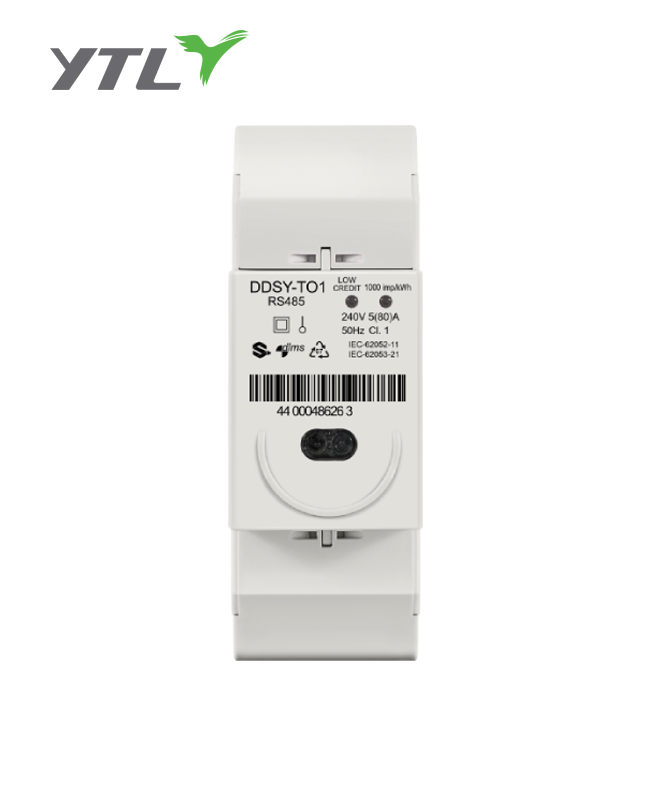
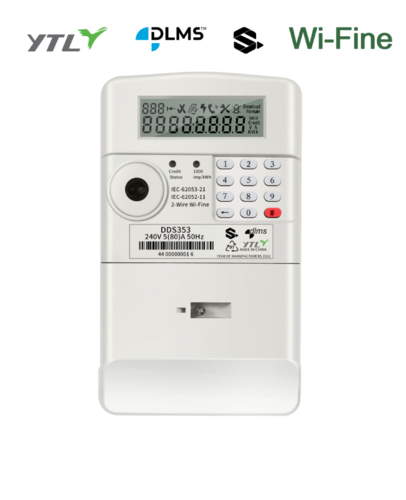
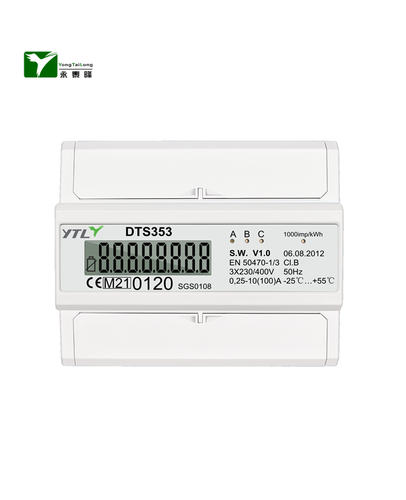
.png?imageView2/2/w/500/h/500/format/png/q/100 "YTL China Single Phase IC card Prepayment Electricity Meter")
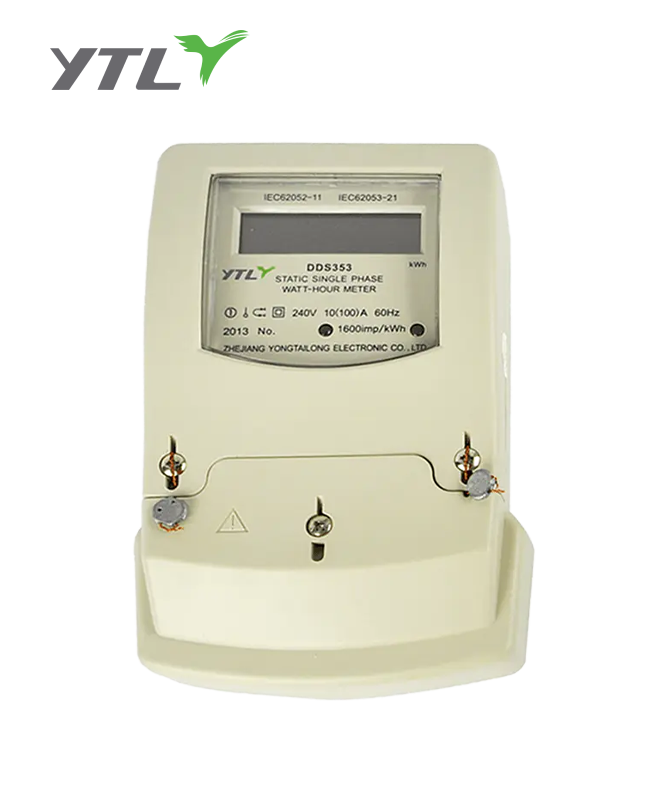
.png?imageView2/2/w/500/h/500/format/png/q/100 "YTL Single Phase Active Electronic Electricity Meter")