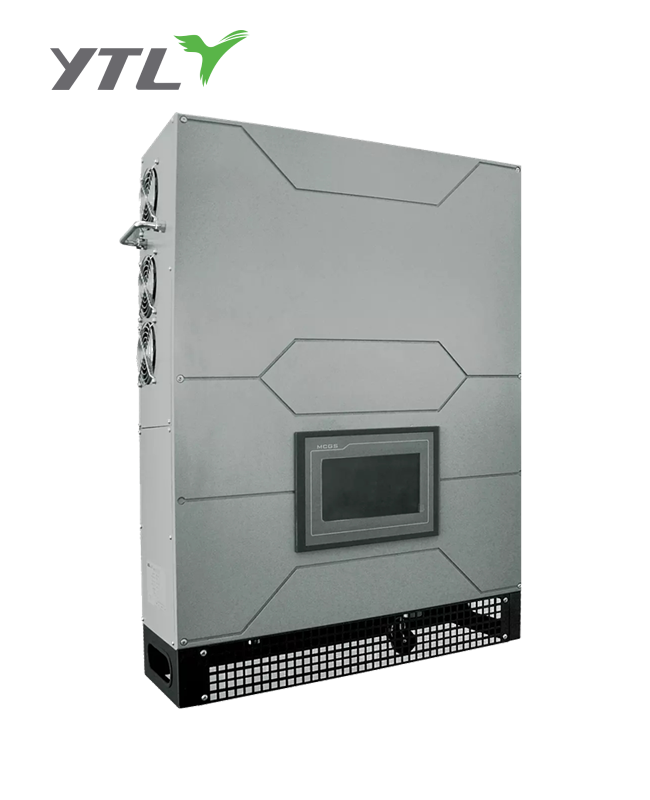
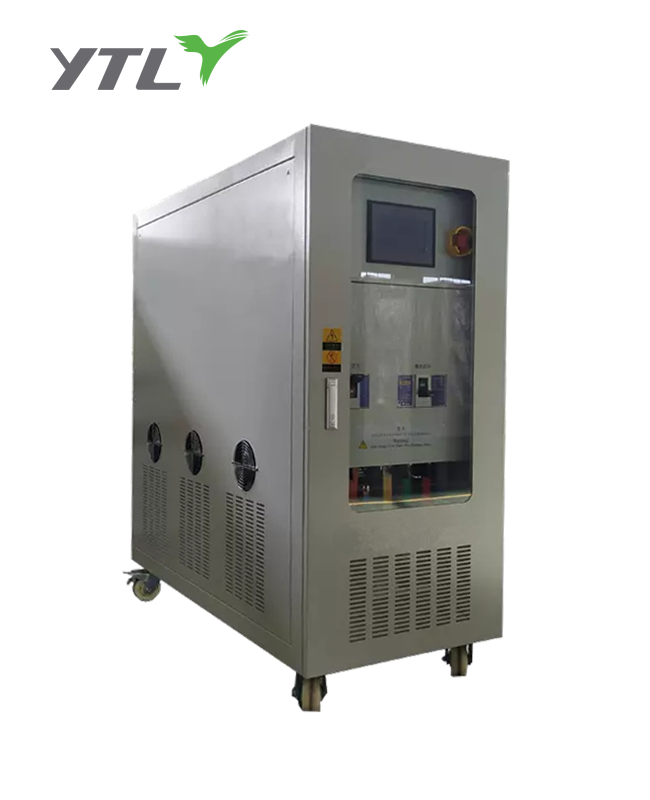
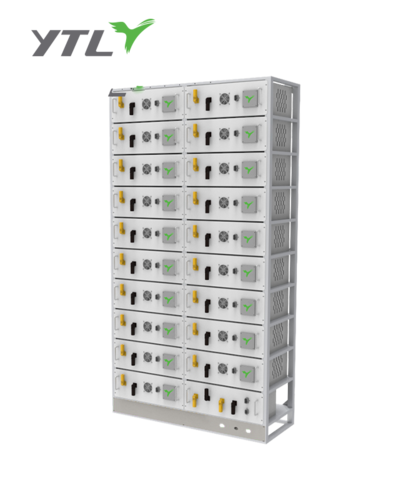
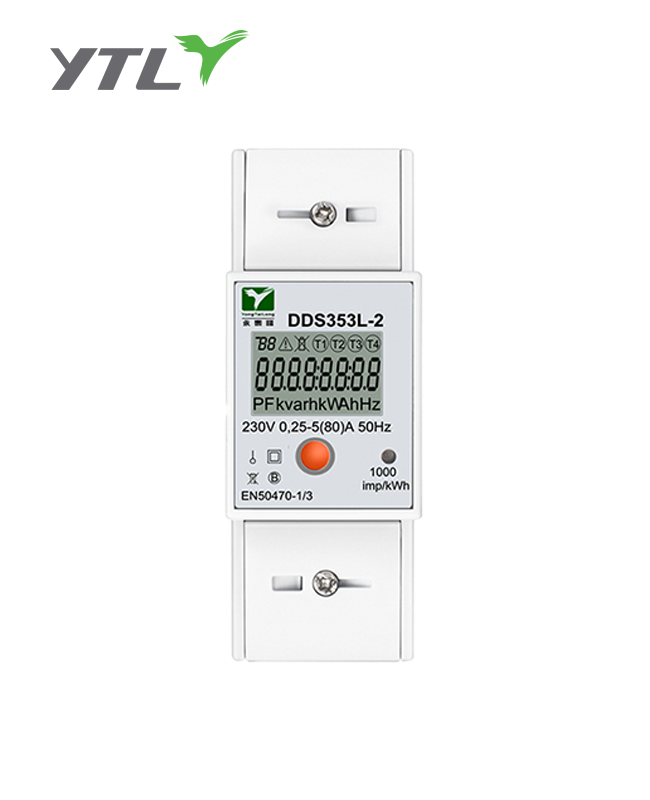
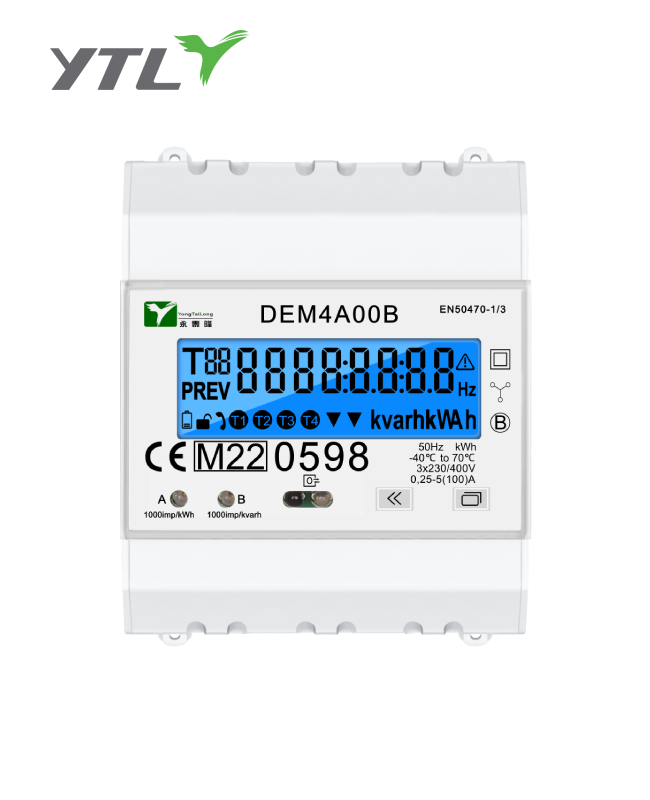
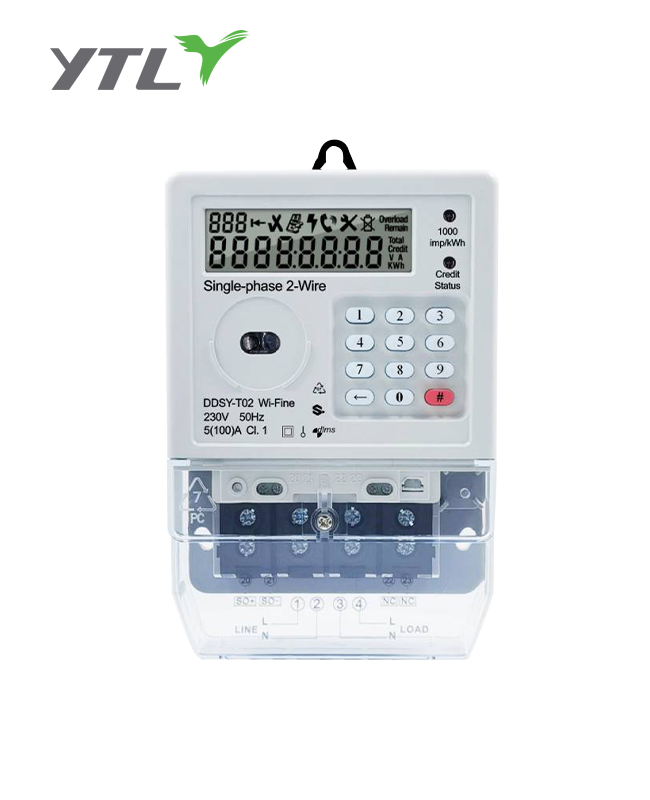
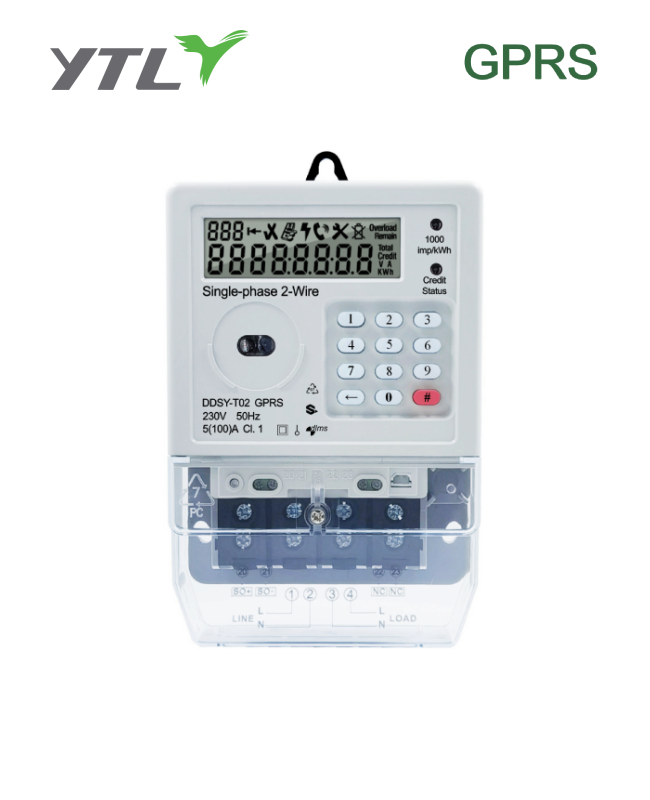
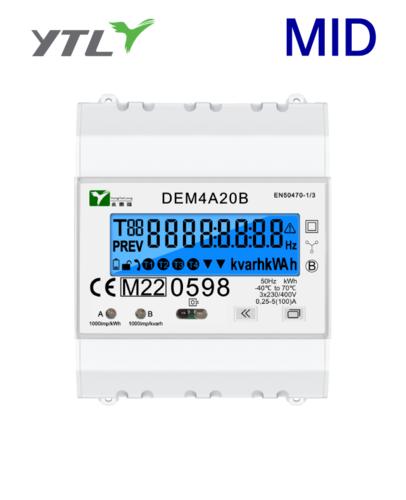
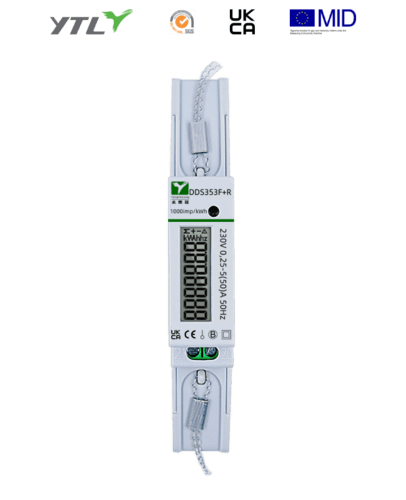
Amid the wave of transformation toward intelligence and efficiency in the power industry, the positioning of electricity meter companies has completely broken free from the constraints of being "mere equipment suppliers" and has gradually evolved into "full-chain energy management solution providers". This transformation is not just a simple business expansion, but a systematic restructuring of core capabilities from a "product-oriented" approach to a "value-oriented" one, covering five key dimensions: R&D, demand response, system integration, services, and ecological collaboration. These companies have thus become an important force driving the efficient use of energy and the intelligent development of power grids.
I. Full-Range Product R&D Capability: The "Hardware Foundation" of Solutions
Full-range product R&D is a prerequisite for electricity meter companies to achieve transformation. Its core lies in building a product portfolio that covers all fields and features high intelligence, with "scenario adaptation" as the goal, rather than being limited to traditional metering functions.
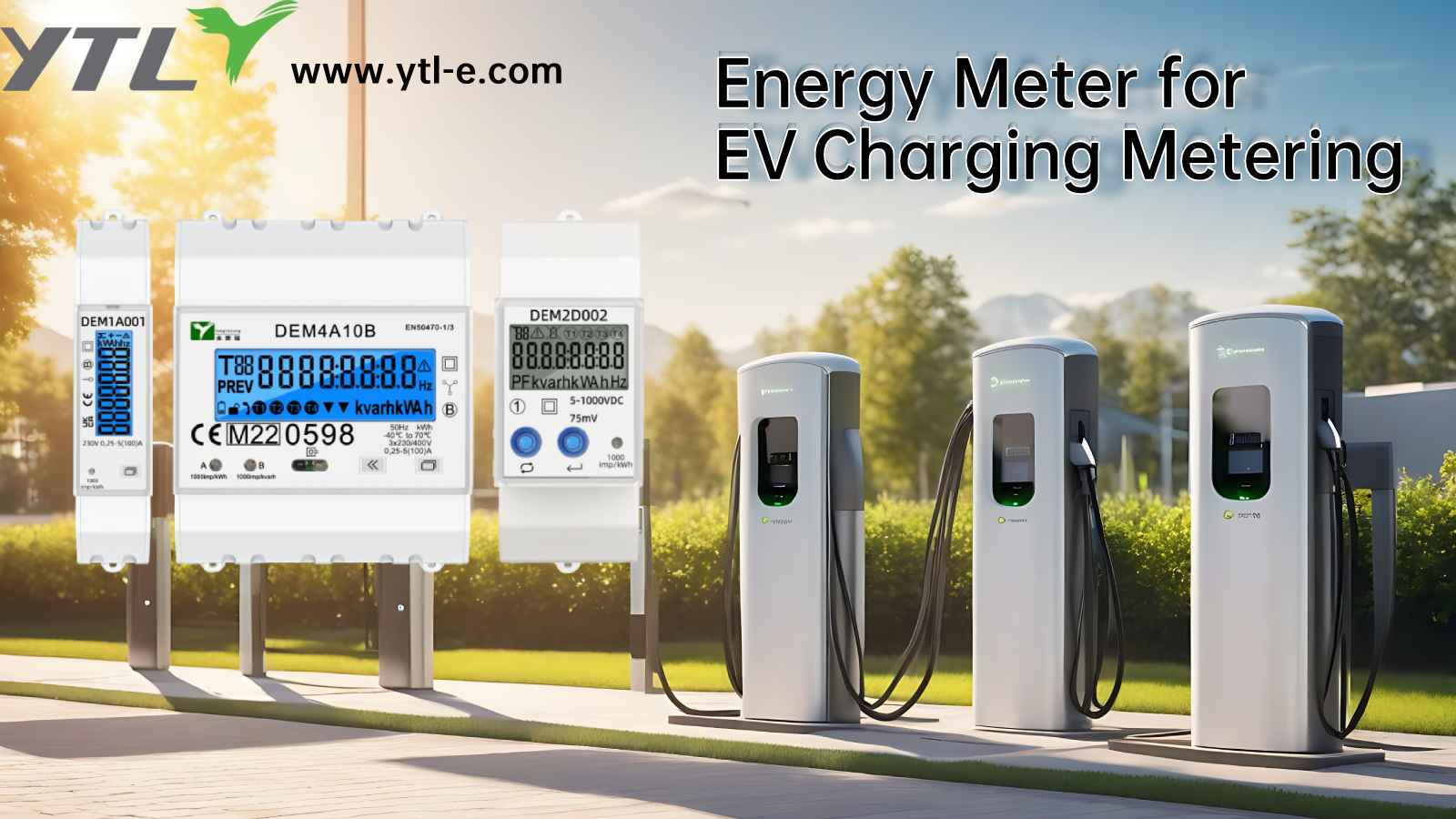
1. "Broad Coverage" of the Product Portfolio
Breaking away from the single form of traditional mechanical electricity meters, specialized equipment is developed for different electricity consumption scenarios to form full-scenario coverage capabilities:
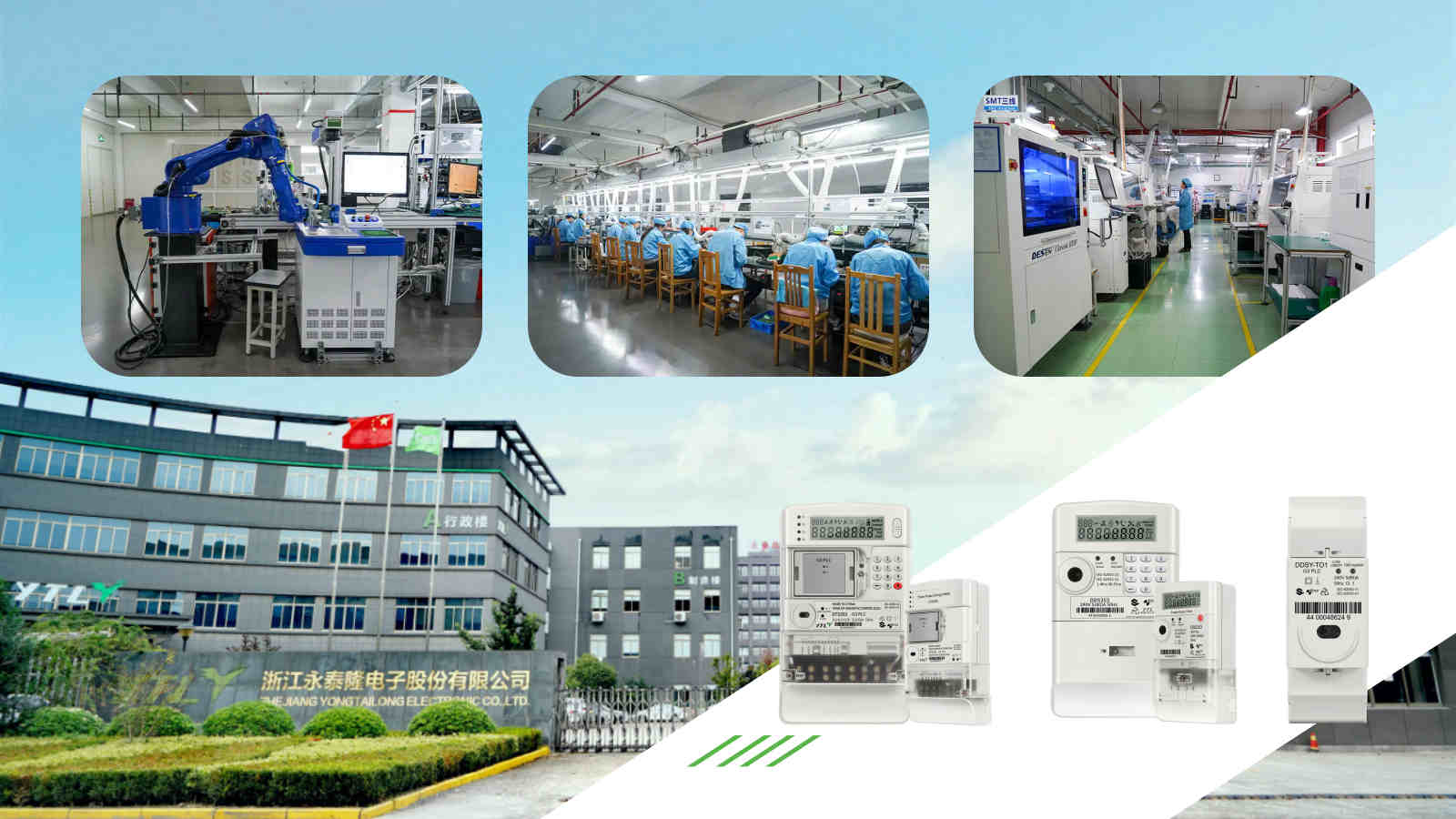
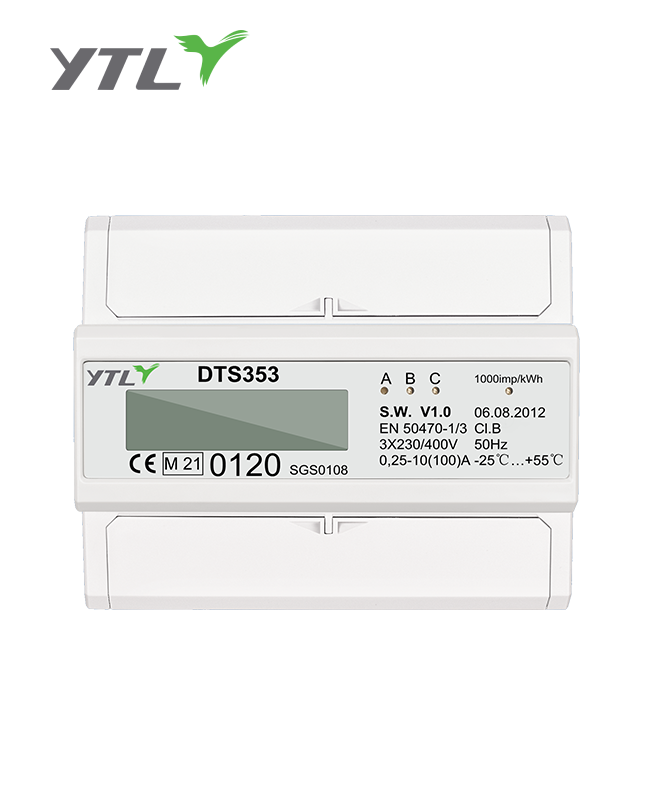
- Residential Scenarios: Centered on smart electricity meters, which integrate functions such as remote meter reading, real-time electricity fee settlement, and electricity consumption anomaly alerts to meet the basic needs of household energy monitoring;
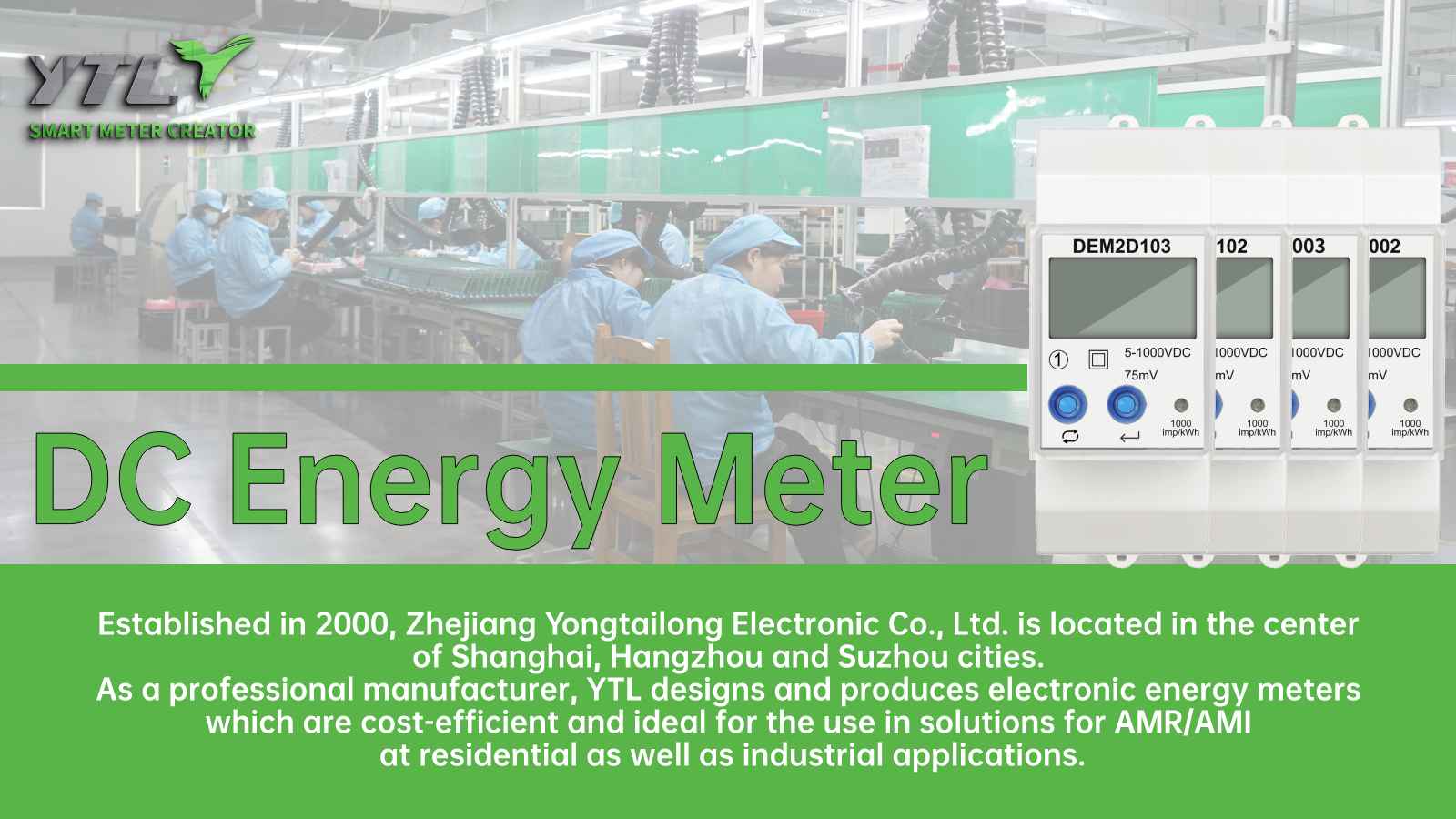
- Industrial Scenarios: Focusing on high-precision DC meters and multi-functional power monitoring instruments, which support accurate metering in high-voltage and high-current environments. They also feature load fluctuation monitoring and power factor analysis functions to adapt to the complex electricity consumption needs of industrial production;
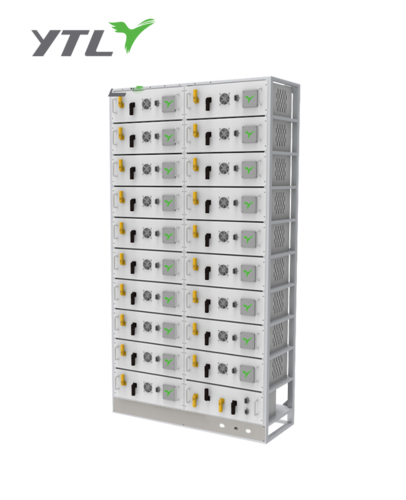
- New Energy Scenarios: Developing metering modules for photovoltaic inverters and special electricity meters for energy storage systems to solve metering challenges in the entire "generation-storage-consumption" chain of new energy power generation, and meet the grid-connection and energy efficiency management needs of photovoltaic power plants and energy storage projects.
2. "In-depth Intelligence" of Product Functions
The focus of R&D has shifted from "accurate metering" to "front-end sensing nodes", turning electricity meters into the "data entry points" of energy management systems:
- Integration of remote communication capabilities: Supporting multiple communication protocols such as 4G/5G, LoRa, and NB-IoT to realize real-time data upload and remote control;
- Enhancement of data processing capabilities: Equipped with edge computing modules, which can store electricity consumption data locally and analyze electricity usage patterns, reducing reliance on cloud platforms;
- Improvement of security protection capabilities: Adopting encrypted chips and anti-tampering designs to resist risks such as data leakage and meter fraud, in line with power industry safety standards.
This "breadth + depth" R&D capability ensures that each type of product can serve as a reliable hardware support for solutions, laying the foundation for subsequent system integration and service expansion.
II. Demand Insight and Customization Capability: The "Value Core" of Solutions
Different customers have significantly different energy management goals (e.g., industrial customers focus on "cost reduction and efficiency improvement", new energy customers on "metering compliance", and park customers on "comprehensive energy efficiency"). Standardized products alone cannot meet these diverse needs. The core competitiveness of electricity meter companies lies in the shift from "selling products" to "solving pain points", with two key capabilities:
1. "Accuracy" in Demand Insight
Delving into customer scenarios to identify both explicit and implicit needs:
- For industrial customers: Analyzing peak/valley electricity consumption periods in production processes and the operating patterns of high-energy-consuming equipment to identify implicit pain points such as "electricity fee premiums caused by excessive load fluctuations" and "energy waste caused by equipment aging";
- For new energy power plants: Combining grid-connection policy requirements to clarify compliance and functional needs such as "accuracy of power generation metering", "traceability of energy storage charging and discharging data", and "response speed of power grid peak shaving";
# From Electricity Meters to Solutions: The Evolution and Upgrade of Core Capabilities for Meter Companies Amid the wave of transformation toward intelligence and efficiency in the power industry, the positioning of electricity meter companies has completely broken free from the constraints of being "mere equipment suppliers" and has gradually evolved into "full-chain energy management solution providers". This transformation is not just a simple business expansion, but a systematic restructuring of core capabilities from a "product-oriented" approach to a "value-oriented" one, covering five key dimensions: R&D, demand response, system integration, services, and ecological collaboration. These companies have thus become an important force driving the efficient use of energy and the intelligent development of power grids. ## I. Full-Range Product R&D Capability: The "Hardware Foundation" of Solutions Full-range product R&D is a prerequisite for electricity meter companies to achieve transformation. Its core lies in building a product portfolio that covers all fields and features high intelligence, with "scenario adaptation" as the goal, rather than being limited to traditional metering functions. ### 1. "Broad Coverage" of the Product Portfolio Breaking away from the single form of traditional mechanical electricity meters, specialized equipment is developed for different electricity consumption scenarios to form full-scenario coverage capabilities: - **Residential Scenarios**: Centered on smart electricity meters, which integrate functions such as remote meter reading, real-time electricity fee settlement, and electricity consumption anomaly alerts to meet the basic needs of household energy monitoring; - **Industrial Scenarios**: Focusing on high-precision DC meters and multi-functional power monitoring instruments, which support accurate metering in high-voltage and high-current environments. They also feature load fluctuation monitoring and power factor analysis functions to adapt to the complex electricity consumption needs of industrial production; - **New Energy Scenarios**: Developing metering modules for photovoltaic inverters and special electricity meters for energy storage systems to solve metering challenges in the entire "generation-storage-consumption" chain of new energy power generation, and meet the grid-connection and energy efficiency management needs of photovoltaic power plants and energy storage projects. ### 2. "In-depth Intelligence" of Product Functions The focus of R&D has shifted from "accurate metering" to "front-end sensing nodes", turning electricity meters into the "data entry points" of energy management systems: - Integration of **remote communication capabilities**: Supporting multiple communication protocols such as 4G/5G, LoRa, and NB-IoT to realize real-time data upload and remote control; - Enhancement of **data processing capabilities**: Equipped with edge computing modules, which can store electricity consumption data locally and analyze electricity usage patterns, reducing reliance on cloud platforms; - Improvement of **security protection capabilities**: Adopting encrypted chips and anti-tampering designs to resist risks such as data leakage and meter fraud, in line with power industry safety standards. This "breadth + depth" R&D capability ensures that each type of product can serve as a reliable hardware support for solutions, laying the foundation for subsequent system integration and service expansion. ## II. Demand Insight and Customization Capability: The "Value Core" of Solutions Different customers have significantly different energy management goals (e.g., industrial customers focus on "cost reduction and efficiency improvement", new energy customers on "metering compliance", and park customers on "comprehensive energy efficiency"). Standardized products alone cannot meet these diverse needs. The core competitiveness of electricity meter companies lies in the shift from "selling products" to "solving pain points", with two key capabilities: ### 1. "Accuracy" in Demand Insight Delving into customer scenarios to identify both explicit and implicit needs: - For **industrial customers**: Analyzing peak/valley electricity consumption periods in production processes and the operating patterns of high-energy-consuming equipment to identify implicit pain points such as "electricity fee premiums caused by excessive load fluctuations" and "energy waste caused by equipment aging"; - For **new energy power plants**: Combining grid-connection policy requirements to clarify compliance and functional needs such as "accuracy of power generation metering", "traceability of energy storage charging and discharging data", and "response speed of power grid peak shaving";


 English
 简体中文
简体中文