
 English
 简体中文
简体中文



In the field of modern power management, electricity meters, as core devices for electrical energy measurement, have seen their technological and morphological evolution closely tied to the development of power distribution systems. With the continuous growth of electricity demand in industrial, commercial, and residential sectors, many old power distribution cabinets—plagued by outdated design standards, space constraints, or single-functionality—can hardly meet the current requirements for intelligent and refined energy management. However, in the renovation of power distribution systems, guide rail electricity meters (also known as DIN rail meters) , with their unique advantages, have become an important device driving the upgrading of old power distribution cabinets. They not only enable efficient and accurate electrical energy measurement but also provide a cost-effective solution for power distribution system renovation through their flexible installation methods, powerful function integration, and compatibility.
What is a Guide Rail Electricity Meter (DIN Rail Meter)?
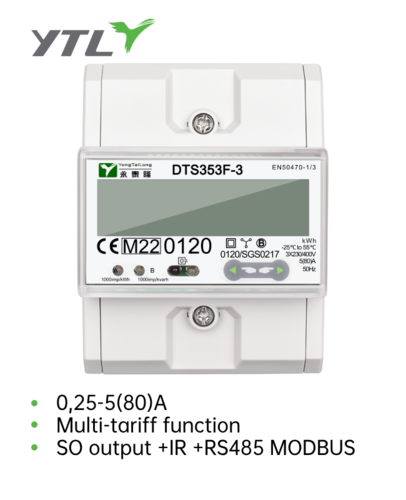
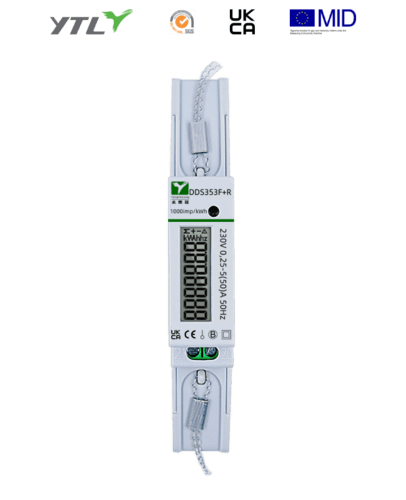
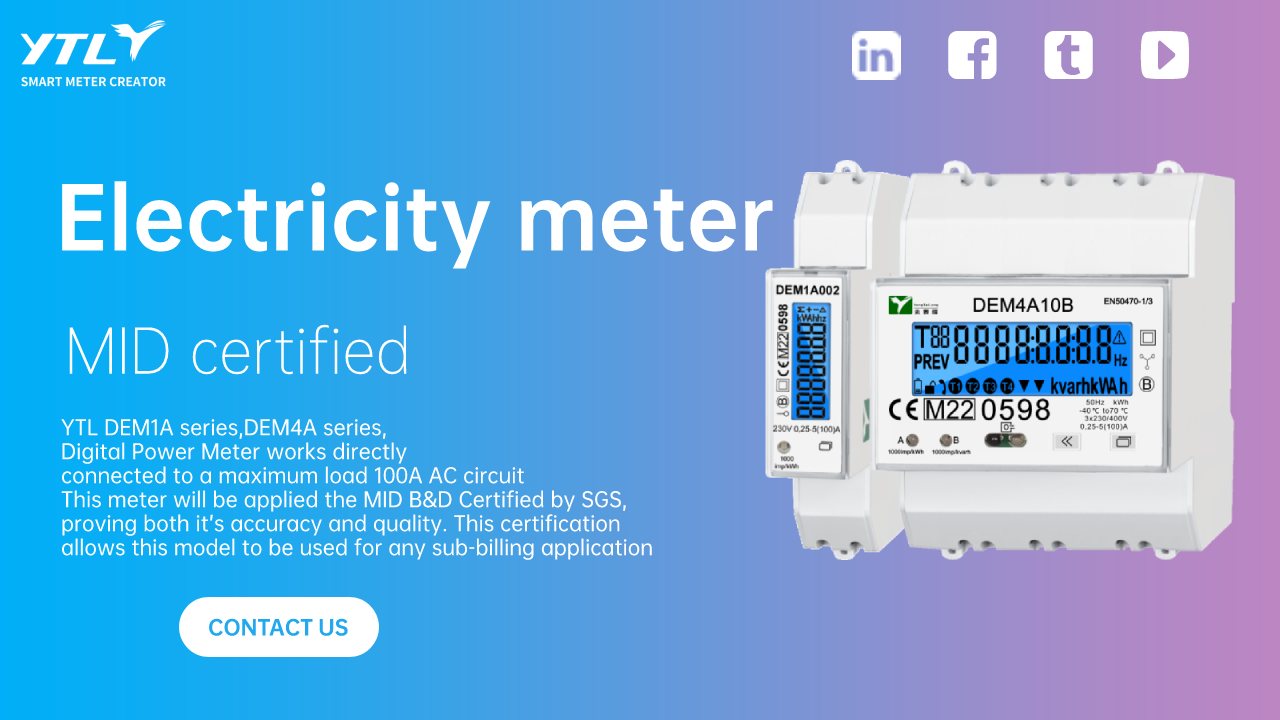
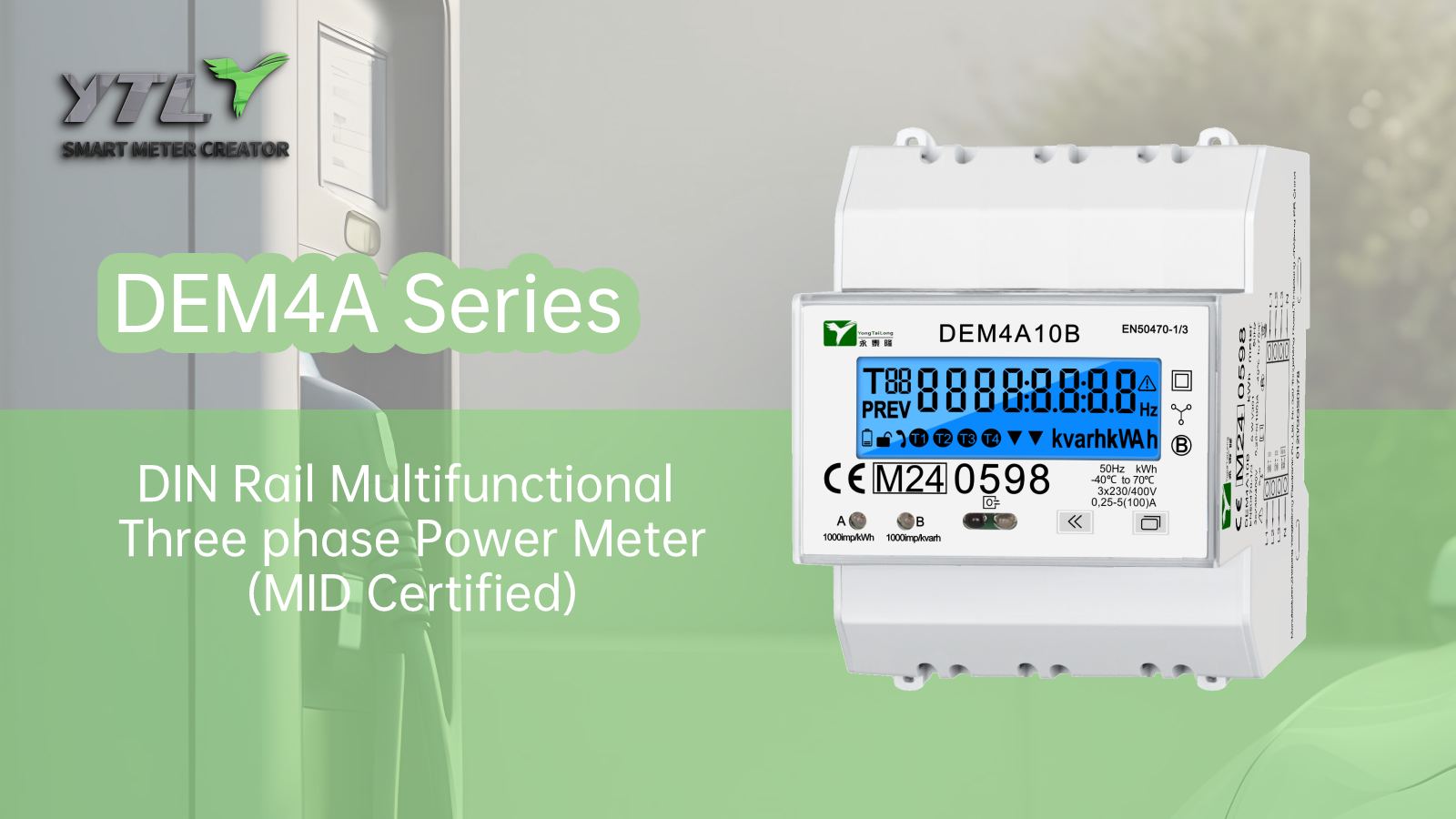
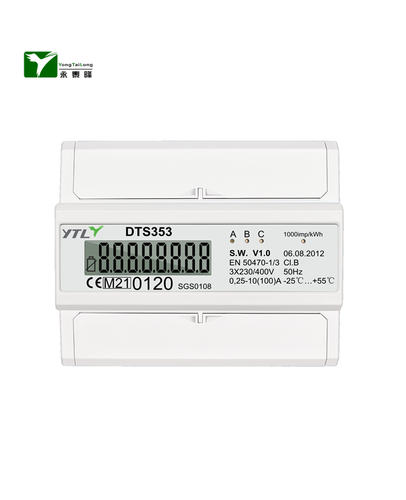
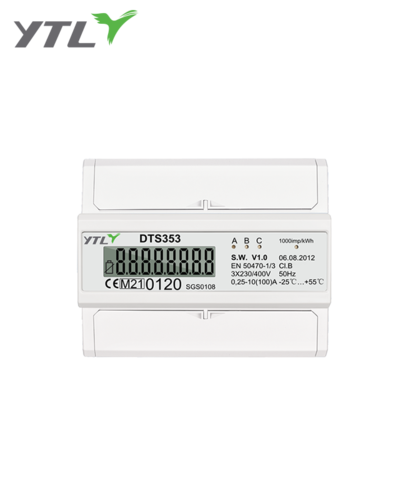
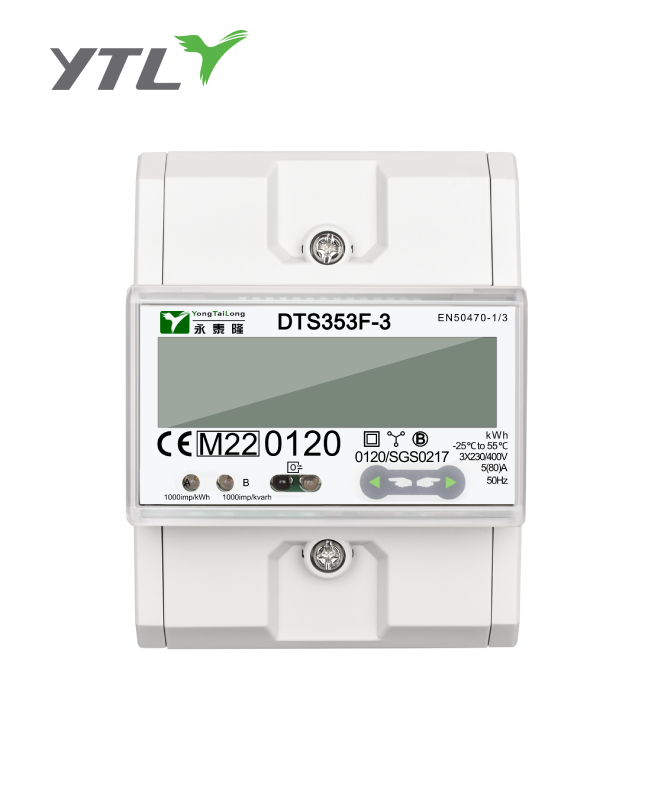
A guide rail electricity meter, commonly referred to as a DIN rail meter , is an electrical energy measurement device specifically designed for standardized guide rail installation. Its name originates from two key features: first, it is engineered to be directly fixed on standard DIN rails —the widely used mounting rails in power distribution cabinets (such as the 35mm DIN rail, a global industry standard for electrical equipment installation); second, it eliminates the need for additional brackets or complex wiring preparation, perfectly aligning with the space-saving and standardized design needs of modern power distribution cabinets.
Typically featuring a compact design, DIN rail meters are small in size yet comprehensive in functionality: they can real-time monitor key electrical parameters like voltage, current, active power, reactive power, and total electrical energy. More importantly, as smart measurement devices, they support data communication and remote transmission, breaking the limitations of traditional meters that rely on on-site reading.
In terms of technical principles, DIN rail meters are based on advanced electronic measurement technology. They use high-precision current/voltage sensors to collect electrical signals, which are then processed and calculated by built-in microprocessors. This design allows their accuracy class to reach up to Class 1, and even Class 0.5 for high-precision models—superior to traditional mechanical electricity meters (which usually have an accuracy class of Class 2.0 or lower), ensuring relatively small metering errors in long-term operation.
Additionally, DIN rail meters come with bidirectional metering capabilities. This means they can not only measure the electricity consumed by end-users (from the grid to the load) but also accurately record the electricity fed back to the grid by distributed energy systems (such as solar photovoltaic systems or small wind turbines). This feature makes DIN rail meters highly adaptable to the diversified energy structure of modern power systems, where "consumption + generation" coexists.
Advantages of DIN Rail Meters: Why Are They Suitable for Renovation Projects?
The multiple advantages of DIN rail meters make them an ideal choice for the renovation of old power distribution cabinets, addressing the common pain points in such projects—limited space, tight schedules, and budget constraints.
1. Convenient Installation, Reducing Renovation Difficulty
Old power distribution cabinets often suffer from narrow internal spaces and chaotic wiring layouts. Traditional electricity meters require separate drilling for fixing and complicated wiring connections, which not only takes time but also risks damaging existing cabinet structures or causing short circuits. In contrast, DIN rail meters leverage the standardized DIN rail infrastructure already present in most old cabinets: installers only need to align the meter’s mounting clip with the DIN rail, push it until it "clicks" into place, and then tighten the terminal screws to complete wiring. This streamlined installation process can reduce on-site construction time by 50% or more, significantly saving labor costs and avoiding large-scale structural adjustments to the cabinet.
2. High Function Integration, Supporting Intelligent Upgrades
Many old power distribution cabinets are equipped with basic mechanical meters that only provide simple energy metering, failing to meet the needs of modern energy management (such as load analysis, fault diagnosis, and remote monitoring). DIN rail meters solve this problem through strong function integration:
- Beyond basic energy metering, they integrate advanced features like peak demand monitoring (recording the power consumption within a specific time interval), harmonic analysis (identifying harmonic pollution that affects equipment lifespan), and event recording (logging anomalies such as voltage surges or power outages).
- They support mainstream industrial communication protocols, including Modbus-RTU, DL/T645, and even LoRa or 4G for wireless communication. This allows DIN rail meters to be seamlessly connected to existing building energy management systems (BEMS) or IoT platforms, enabling remote data reading, real-time monitoring, and automated report generation—laying a solid foundation for the intelligent transformation of old power distribution systems.
3. Reliable Safety Performance, Minimizing Operational Risks
Old power distribution cabinets are often in harsh operating environments (such as high temperature, humidity, or electromagnetic interference), and safety hazards like short circuits or equipment overheating are common. DIN rail meters address these risks through targeted design:
- Their casings are mostly made of flame-retardant engineering plastics (complying with UL94 V-0 or equivalent fire safety standards), which can prevent flame spread in case of internal faults.
- They are equipped with multiple protection mechanisms, including anti-creepage designs (to prevent electric shock), overload protection (to avoid damage from excessive current), and anti-electromagnetic interference (EMI) shielding (to ensure stable operation in environments with heavy electrical noise).
Moreover, the modular structure of DIN rail meters simplifies maintenance and replacement: if a meter malfunctions, it can be removed from the DIN rail and replaced with a new one without shutting down the entire power distribution cabinet—greatly reducing the impact of renovation on daily production or residential electricity supply.
4. High Cost-Effectiveness, Achieving "Light Renovation"
The biggest challenge in renovating old power distribution cabinets is often budget limitation. Replacing the entire cabinet with a new smart one can cost tens of thousands of yuan, which is not feasible for many users. DIN rail meters offer a "light renovation" solution: by only replacing the old meter with a DIN rail meter (instead of the entire cabinet), the renovation cost can be reduced by 60%-80% while achieving a significant upgrade in metering accuracy and smart functions. For small and medium-sized enterprises, residential communities, or old industrial parks with tight budgets, this cost-effective advantage makes DIN rail meters a practical choice.
Key Value of DIN Rail Meters in Renovating Old Power Distribution Cabinets
In the renovation of old power distribution cabinets, the core value of DIN rail meters lies in their ability to "improve efficiency with minimal investment"—solving long-standing problems of traditional systems while paving the way for future upgrades.
1. Instantly Improving Metering Accuracy and Data Availability
Many old cabinets still use mechanical meters that have been in operation for decades. These meters not only have relatively large metering errors (which may lead to inaccurate electricity billing or energy waste) but also cannot provide real-time data. After installing DIN rail meters, users can immediately obtain:
- High-precision energy data: Class 0.5 or Class 1 accuracy ensures that every kilowatt-hour of electricity is accurately recorded, avoiding disputes caused by metering deviations.
- Real-time parameter monitoring: Through the meter’s display screen or a connected management platform, users can check voltage stability, current load, and power factor at any time—helping identify hidden issues like "low power factor leading to penalty fees" or "unbalanced three-phase current damaging equipment."
For example, in a small manufacturing plant with an old power distribution cabinet, installing DIN rail meters revealed that the power factor of the workshop’s motor load was only 0.75 (well below the grid’s required 0.9). Based on this data, the plant added a reactive power compensation device, reducing monthly electricity costs by 12% within three months.
2. Strong Compatibility, Avoiding "Renovation Conflicts"
Old power distribution cabinets come in various brands and models, and their internal wiring and mounting structures may differ significantly. DIN rail meters, designed based on global DIN rail standards, have uniform dimensions (e.g., 1-module, 2-module, or 4-module widths) and universal terminal interfaces. This means a single DIN rail meter model can be installed in cabinets produced by different manufacturers (such as ABB, Siemens, or domestic brands) without requiring custom modifications. This compatibility avoids "renovation conflicts" (e.g., the new meter not fitting into the old cabinet) and ensures the smooth progress of the renovation project.
3. Supporting Distributed Energy Integration, Adapting to Green Energy Trends
With the global promotion of green energy, more and more users (such as residential buildings with rooftop solar panels or small factories with on-site wind turbines) need to connect distributed energy systems to their power distribution cabinets. Traditional meters cannot measure the electricity fed back to the grid, making it impossible to calculate the benefits of renewable energy. DIN rail meters’ bidirectional metering function solves this problem: they automatically distinguish between "grid-supplied electricity" and "renewable energy-fed electricity," enabling users to track the output of their green energy systems and apply for grid-connected subsidies (if applicable).
4. Reserving Space for Future Smart Upgrades
DIN rail meters are not just "replacement parts" for old meters—they are important components for smart power management. As the power industry moves toward digitalization and smart grids, DIN rail meters can be further expanded in functions:
- By upgrading the communication module, they can support 5G or NB-IoT, enabling long-distance, low-power data transmission for remote areas.
- By connecting to AI-based energy management platforms, they can realize predictive maintenance (e.g., alerting users to potential meter faults before they occur) or demand response (adjusting load usage based on grid peak/off-peak electricity prices to save costs).
This forward-looking design ensures that the renovated power distribution cabinet will not become "outdated" again in the next 5-10 years, enhancing the long-term value of the renovation investment.
Conclusion
In summary, DIN rail meters (guide rail electricity meters) have become an efficient tool for renovating old power distribution cabinets, thanks to their DIN rail-compatible installation, rich smart functions, reliable safety performance, and high cost-effectiveness. They not only solve the inherent problems of traditional power distribution systems—such as low metering accuracy, single functionality, and difficult maintenance—but also empower users to achieve refined energy management, reduce operational costs, and adapt to the trends of green energy and smart grids.
In today’s era where the power industry is accelerating toward digitalization and green development, choosing DIN rail meters for old cabinet renovation is a practical decision: it delivers quick results (with renovation completed in hours rather than days) and adds long-term value (supporting future upgrades). For users planning to upgrade their power distribution systems—whether industrial parks, commercial buildings, or residential communities—DIN rail meters are well worth in-depth understanding and adoption as a core device for renovation.
.png?imageView2/2/w/500/h/500/format/png/q/100 "YTL Two Phase Three Wire Big counter Electricity Meter")