
 English
 简体中文
简体中文



1. Introduction
When it comes to electrical infrastructure, safety is not merely a recommendation—it is a mandatory prerequisite. Working on electrical meters, which are the primary interface between the utility grid and a building's electrical system, involves inherent dangers that can lead to severe injury, fatality, or catastrophic property damage. This guide provides a detailed overview of the process and risks involved in disconnecting an electric meter, emphasizing why this procedure must only be handled by qualified and authorized professionals.
Importance of Safety When Working with Electricity
Electricity is an essential utility, but its high-voltage nature makes it extremely hazardous to handle without proper training and equipment. An electric meter, even when appearing benign, is a live connection to a powerful electrical grid. Any unauthorized or improper attempt to disconnect it can result in a powerful electrical shock, arc flashes, severe burns, or even an explosion. The risks extend beyond personal harm to include the potential for widespread power outages and significant damage to the property's electrical system. Adhering to strict safety protocols is the only way to mitigate these life-threatening risks.
Disclaimer: Only Qualified Professionals Should Handle Electrical Work
This document is provided for informational purposes only. The process of disconnecting and reconnecting an electric meter is a highly specialized task that must only be performed by a licensed and certified professional, typically an employee of the local utility company or a qualified electrician explicitly authorized by the utility. Attempting to perform this task yourself is not only extremely dangerous but is also illegal in most jurisdictions and can result in significant fines and legal penalties.
The following table summarizes the key directives regarding meter disconnection:
| Directive | Description |
|---|---|
| Professional Execution | All work on electric meters must be performed exclusively by qualified and authorized personnel from the local utility company or a licensed electrician. |
| Regulatory Compliance | Any intervention must strictly adhere to national electrical codes, local regulations, and the specific rules of the utility company. |
| Associated Risks | Unauthorized work carries a high risk of fatal injury, severe property damage, legal prosecution, and significant fines. |
| Liability | Homeowners and unauthorized individuals are liable for any injuries, deaths, or damages resulting from improper handling of the electric meter. |
2. Understanding Electric Meters
Before any work is considered—even by a qualified professional—it is essential to have a foundational understanding of how electric meters function and the risks they present. An electric meter is the gateway to a building's power supply, and its components and operational principles are directly tied to the inherent dangers of the electrical grid.
Types of Electric Meters
The landscape of electricity metering has evolved significantly. While older systems still rely on mechanical principles, modern technology has introduced more accurate and feature-rich digital devices.
- Analog Meters: These are the traditional electromechanical meters with a spinning disc that rotates in proportion to energy consumption. The consumption is read from a series of small, interconnected dials. These meters are reliable but offer limited functionality and no remote communication capabilities.
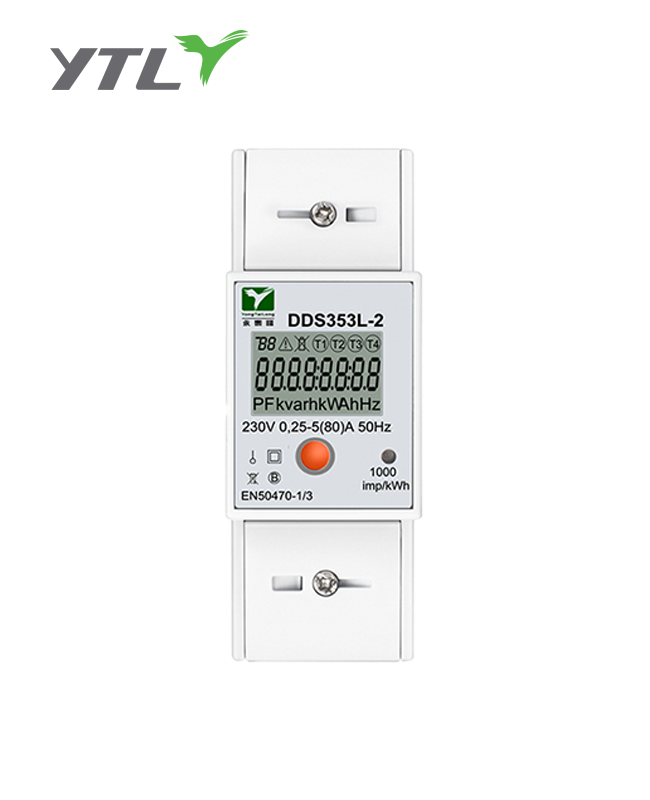
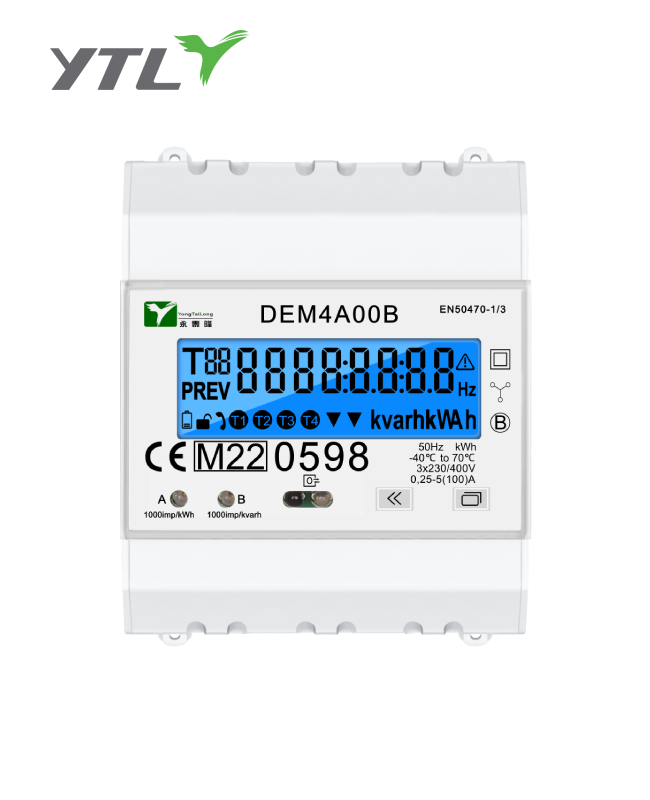
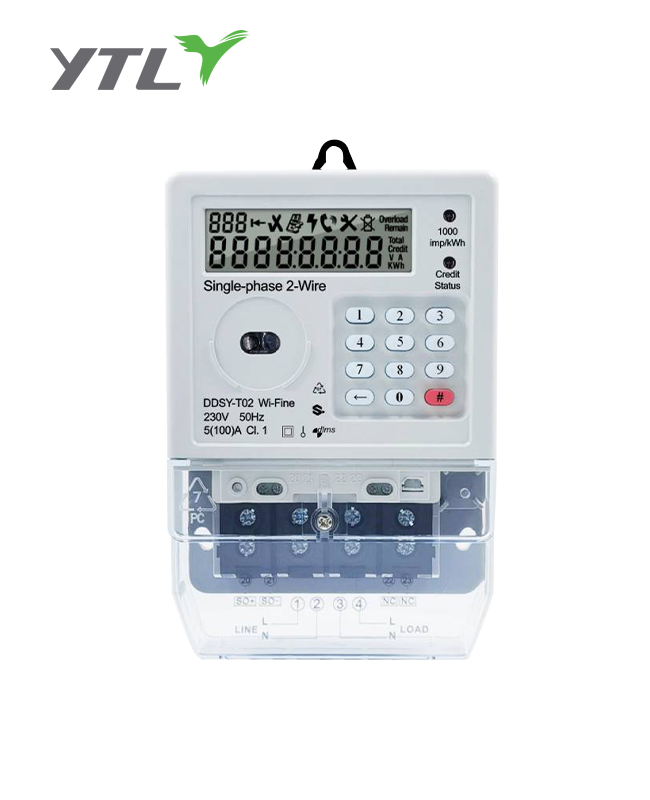
- Digital (Smart) Meters: Representing the latest in metering technology, these devices use solid-state electronics to measure energy consumption. They display readings on an LCD or LED screen and, most importantly, can transmit data back to the utility company remotely. This enables advanced features like real-time usage monitoring, outage detection, and remote service connection/disconnection.
The following table highlights the key differences between these two meter types:
| Feature | Analog Meters | Digital (Smart) Meters |
|---|---|---|
| Mechanism | Electromechanical, spinning disc | Solid-state electronics |
| Data Display | Mechanical dials | Digital screen (LCD/LED) |
| Communication | No remote communication | Two-way remote communication |
| Functionality | Basic energy measurement | Advanced analytics, real-time data, remote control |
Key Components of an Electric Meter
An electric meter is composed of several critical parts that work together to measure and record electricity usage. Understanding these components is vital for anyone who works on or around these devices.
- Meter Socket: This is the metal base permanently mounted to the wall or a pedestal. It contains the service-side and load-side wiring connections and the terminal "jaws" that grip the meter's blades.
- Meter Body (Head): The removable portion of the meter that contains the measurement components, including the display, circuit board, and a sealable enclosure.
- Meter Blades: The male connector blades on the back of the meter body that plug into the terminal jaws in the meter socket.
- Utility Seal: A tamper-evident plastic or metal seal placed by the utility company that indicates the meter is installed correctly and has not been tampered with. Breaking this seal is illegal and grounds for a serious fine.
Identifying Potential Hazards
The most critical safety lesson regarding electric meters is the ever-present danger of live voltage. The meter socket and its internal wiring are always live with high voltage, regardless of whether the main circuit breaker inside the building is turned off.
- Live Voltage: The wiring leading into the meter socket is a direct, unprotected connection to the main power lines. This means that a meter socket is always energized. Any contact with the terminals or wiring can result in a powerful and lethal shock.
- Arc Flash Hazard: The risk of an arc flash is extremely high during any work involving the meter or its socket. An arc flash is a powerful, high-energy electrical explosion that can cause severe burns, destroy equipment, and even launch molten metal.
- Tampering and Damage: Removing the meter improperly can cause damage to the meter itself, the socket, or the internal wiring, potentially leading to a short circuit, fire, or catastrophic failure of the electrical system.
These hazards underscore the paramount importance of strict adherence to safety protocols and the absolute necessity of having a trained professional handle any work involving an electric meter.
3. Prerequisites and Safety Measures
Successful and safe completion of any task involving an electric meter is contingent upon meticulous preparation and a strict adherence to safety protocols. For any authorized professional, these prerequisites are non-negotiable and must be completed before any physical work begins on the meter itself.
Required Tools and Materials
A licensed professional uses specialized tools designed to minimize risk and ensure a safe work environment. These are not standard tools and are specifically rated for high-voltage applications.
- Insulated Gloves: Rated for electrical work, these gloves provide a crucial barrier against electric shock.
- Safety Glasses: A non-negotiable piece of personal protective equipment (PPE) that shields the eyes from potential arc flashes, sparks, and flying debris.
- Voltage Tester: This is a life-saving device used to confirm the absence of voltage before work begins. Both contact and non-contact voltage testers are essential for a thorough check.
- Appropriate Screwdrivers: All screwdrivers and hand tools used must be insulated to prevent accidental short circuits or grounding.
- Non-Conductive Mat: Placing a non-conductive mat on the ground provides an additional layer of insulation and protection against grounding.
The following table summarizes the essential tools and their purpose:
| Tool/Material | Purpose |
|---|---|
| Insulated Gloves | Protects the hands from electrical shock. |
| Safety Glasses | Shields the eyes from arc flashes and sparks. |
| Voltage Tester | Confirms the absence of voltage before touching components. |
| Insulated Tools | Prevents accidental grounding or short circuits. |
| Non-Conductive Mat | Provides an insulating barrier against ground faults. |
Safety Procedures Before Disconnecting
Before any meter is physically disconnected, a series of critical safety procedures must be followed to ensure the safety of the professional and the integrity of the electrical system.
- Turning Off the Main Breaker: The first step is to turn off the main circuit breaker inside the building. This action de-energizes all circuits on the load side of the meter. However, it is crucial to understand that the meter and its socket remain fully energized from the grid side.
- Confirming Power is Off with a Voltage Tester: After the breaker is off, the professional must use a voltage tester on the wiring inside the meter socket to confirm that the load side is indeed de-energized. This vital step verifies the effectiveness of the breaker and provides a final safety check before physical contact.
- Notifying the Utility Company: All work on an electric meter, even by a licensed electrician, must be coordinated with and authorized by the utility company. This ensures that the work is scheduled safely, avoids unexpected outages, and complies with all local regulations and utility protocols.
4. Step-by-Step Guide to Disconnecting an Electric Meter
The process of physically disconnecting an electric meter is a precise and high-risk procedure that must only be performed by a trained, licensed, and authorized professional. The following guide outlines the standard protocol and safety considerations for such an operation, serving as an informational resource rather than a set of instructions for unauthorized personnel.
Step 1: Preparing the Work Area
Prior to beginning any physical work, the technician must ensure the work area is safe and conducive to the task.
- Ensuring Adequate Lighting: Proper visibility is crucial to prevent mistakes and ensure all components are clearly seen.
- Clearing Obstructions: The area around the meter must be free of any clutter, debris, or other objects that could cause a trip or hinder movement during the process.
Step 2: Loosening the Meter Seal (If Applicable)
The utility company places a tamper-proof seal on the meter as a security measure. This seal must be handled correctly by a professional.
- Identifying the Seal Type: The technician must identify the type of seal (e.g., plastic, metal clip) and the proper tool required for its removal.
- Removing the Seal Carefully: The seal must be removed carefully to avoid damaging the meter or the meter socket. It is crucial to document the seal's integrity prior to removal.
The following table outlines key considerations for handling the meter seal:
| Action | Description |
|---|---|
| DO Use Proper Tools | Use a utility-approved tool to carefully clip or remove the seal. |
| DO Document the Seal | Record the seal's condition and number before and after removal for compliance. |
| DON'T Force or Break | Avoid using excessive force that could damage the meter's casing or the socket. |
| DON'T Discard Recklessly | Seals must be handled and disposed of according to utility company protocols. |
Step 3: Disconnecting the Meter
This is the most critical and hazardous step. It is performed only after all preliminary safety checks are complete.
- Using Insulated Gloves and Tools: The technician must be wearing high-voltage insulated gloves and using only insulated tools to prevent any direct contact with live components.
- Carefully Loosening and Removing Fasteners: Using the appropriate insulated tool, the technician will loosen the lock ring or fasteners that hold the meter body to the socket.
- Supporting the Meter to Prevent Damage: The technician must support the meter's weight while carefully pulling the meter straight out of the socket jaws to prevent damage to the blades or the socket itself.
Step 4: Securing the Wiring
After the meter is removed, the meter socket remains live with high voltage. This step is a critical safety measure.
- Insulating Exposed Wires: The professional must immediately install insulated covers or caps over the exposed live terminals inside the meter socket to prevent accidental contact.
- Preventing Accidental Contact: The work area must be cordoned off to ensure that no one can accidentally touch the energized terminals within the socket.
Step 5: Storing the Meter Safely
Once disconnected, the meter is treated as sensitive equipment.
- Protecting from Damage and Moisture: The meter should be placed in a secure, dry, and protected location to prevent any physical damage or exposure to moisture.
- Following Utility Company Guidelines for Meter Handling: The meter remains the property of the utility company. The professional must follow all guidelines for its handling, transportation, and return for inspection or disposal.
5. Common Mistakes to Avoid
Even for a trained professional, the high-stakes environment of electrical work demands constant vigilance. A small oversight or misstep can escalate into a severe or life-threatening incident. This section outlines common errors that must be scrupulously avoided during the meter disconnection process.
Not Turning Off the Main Breaker
A fundamental and potentially fatal mistake is to assume the electrical system is de-energized. While a professional will turn off the main circuit breaker to de-energize the building's internal wiring, it is a critical error to forget that the meter socket's terminals remain live with high voltage from the grid side. Failure to treat the socket as a live component can lead to immediate and severe electrical shock or arc flash.
Neglecting Safety Gear
Personal Protective Equipment (PPE) is not optional; it is the last line of defense against electrical hazards. Neglecting to wear the full suite of required safety gear is an unacceptable risk. Failing to wear high-voltage insulated gloves, safety glasses, or a non-conductive mat can expose a professional to direct contact with live voltage, a high-energy arc flash, or a ground fault.
Forcing Components
An electric meter should be installed and removed with relative ease, as it is designed to fit precisely into the meter socket's jaws. Forcing a meter into or out of the socket is a significant error that can lead to catastrophic consequences. Applying excessive force can bend the meter blades, damage the sensitive internal components of the socket, or dislodge wiring, potentially causing a short circuit and an arc flash.
Ignoring Warning Signs
A professional must always be attuned to the "health" of the equipment. Ignoring subtle but clear warning signs of a failing or compromised electrical system is a serious mistake that can precede a major incident. These signs are often a precursor to a dangerous failure and should prompt an immediate halt to all work until a thorough investigation is conducted.
The table below outlines key warning signs and their potential implications:
| Warning Sign | Potential Danger |
|---|---|
| Visible Burn Marks | Indicates a past short circuit or an overheating issue. |
| Loud Humming or Buzzing | Suggests a loose connection or a component under excessive load. |
| Unusual Odors | A smell of burning plastic or ozone indicates overheating or arcing. |
| Physical Damage | Cracks or dents in the meter or socket could compromise insulation. |
6. Reconnecting the Electric Meter (If Applicable)
Reconnecting an electric meter is a precise and high-stakes operation. This process, just like disconnection, must be carried out exclusively by a qualified and authorized professional. The following steps outline the critical procedure for ensuring a safe, correct, and compliant reinstallation.
Ensuring Proper Alignment
The initial step in reconnection is to achieve a flawless alignment. The technician must carefully align the blades on the back of the meter with the corresponding terminal jaws inside the meter socket. Misalignment can damage the blades, bend the jaws, and prevent a secure electrical connection, potentially leading to arcing and overheating.
Tightening Fasteners Securely
Once the meter is properly seated within the socket, it must be secured firmly to prevent it from becoming loose or being accidentally dislodged. The professional will use the correct tools to tighten the lock ring or fasteners that hold the meter body in place. It is critical to apply the appropriate torque—tight enough to ensure a solid connection but not so tight as to damage the meter or the socket housing.
Verifying Correct Installation
After the meter is physically reconnected, a series of checks are performed to ensure the installation is safe and functioning as intended. This verification is a final, vital safety measure.
The following table details the essential post-installation checks a professional would conduct:
| Check | Purpose |
|---|---|
| Physical Integrity | To confirm the meter is seated flush and securely within the socket without any gaps. |
| Operational Check | To verify that the meter powers on and its display is functioning correctly after the main breaker is reactivated. |
| Consumption Test | To ensure the meter begins recording energy usage accurately once power is restored to the building. |
| Voltage & Amperage | To use a voltage meter to confirm that the voltage and amperage readings are within the correct specifications. |
Contacting the Utility Company for Inspection
The final and most important step in the reconnection process is to notify the utility company. Even when performed by a professional, the work must be inspected and approved by the utility. A utility technician will verify the integrity of the connection and apply a new tamper-evident seal. This action signifies that the meter is now safely installed, officially re-established as part of the grid, and compliant with all regulations.
7. When to Call a Professional Electrician
Even for a trained and licensed professional, there are situations that demand an immediate halt to all work and a call for specialized assistance. Recognizing these red flags is a critical aspect of electrical safety, as it prevents a high-risk situation from escalating into a dangerous failure or a life-threatening event.
Signs of Damaged Wiring
The condition of the wiring leading to the meter is paramount to safety. If a professional observes any of the following, work must be stopped immediately:
- Melted or Frayed Insulation: This is a clear indicator of a past or present overheating issue, which could lead to a short circuit or fire.
- Discoloration: Burn marks or a dark, sooty appearance on the wires or inside the meter socket indicates arcing or excessive heat.
- Physical Breaks: Any cuts, nicks, or breaks in the wiring's conductors are a severe hazard and must be repaired by a qualified expert.
Difficulty Removing the Meter
A properly installed meter should slide out of its socket with a manageable amount of force. If a meter is stuck, it is a significant warning sign that something is wrong. The resistance could be due to corrosion, a bent blade, or internal damage to the socket's jaws. Forcing a stuck meter can damage both the meter and the socket, potentially causing an arc flash. This is a clear signal to stop and contact the utility company for assistance.
Concerns About Electrical Safety
Ultimately, if a professional has any doubts whatsoever about the safety of a situation, the correct procedure is to stop work and call for help. The principle of "when in doubt, do not proceed" is the cornerstone of electrical safety. This includes but is not limited to the following scenarios:
The table below outlines a professional's response to these critical safety concerns:
| Condition | Required Action |
|---|---|
| Presence of Moisture | Immediately stop all work and assess the source of the water before proceeding. |
| Unusual Odors | Stop work and investigate the smell of burning plastic or ozone. |
| Unusual Sounds | Halt work and locate the source of any buzzing, crackling, or hissing sounds. |
| Any Doubt About Safety | Disengage from the situation and contact a higher-level expert or the utility company. |
Conclusion
Working with electric meters is a task fraught with inherent and life-threatening dangers. The information in this guide underscores the critical nature of meticulous safety precautions, proper training, and the use of specialized tools. From the initial step of assessing a live meter socket to the final act of securing a new seal, every action carries a significant risk that must be managed with professional expertise.
The core message of this entire guide is simple and unyielding: electric meters are not to be handled by unauthorized individuals. They are a direct, high-voltage connection to the power grid, and any work performed on them requires a deep understanding of electrical systems, strict adherence to safety protocols, and the legal authority granted by the utility company.
The following table serves as a final, clear summary of the stark contrast between professional and unauthorized work:
| Aspect | Unauthorized Individual | Qualified Professional |
|---|---|---|
| Knowledge & Training | Lacks formal training and understanding of electrical systems. | Holds official licenses and undergoes rigorous safety training. |
| Equipment | Uses inappropriate, non-insulated tools. | Possesses certified, high-voltage insulated tools and PPE. |
| Legal Status | Performing illegal work, subject to fines and prosecution. | Authorized by the utility company to perform the task. |
| Outcome | High risk of severe injury, fatality, or catastrophic property damage. | Executes work safely, efficiently, and in full compliance. |
In the end, prioritizing safety means always deferring to a professional. When it comes to a task as dangerous as disconnecting an electric meter, a moment of caution can prevent a lifetime of regret.