
 English
 简体中文
简体中文



In the wave of digital transformation in the energy industry, smart meters, as a key device connecting power companies and users, are quietly changing the essence of power services. In the past, the role of power companies was mainly limited to the production and transmission of electricity, and the popularity of smart meters has not only improved metering efficiency, but also promoted the transformation of power companies from traditional "energy suppliers" to comprehensive "energy service providers". This article will explore how smart meters have become the core driving force of this transformation, and analyze the service upgrades and industry value they bring.

1、 Smart Meter: Transformation from Basic Measurement to Data Hub
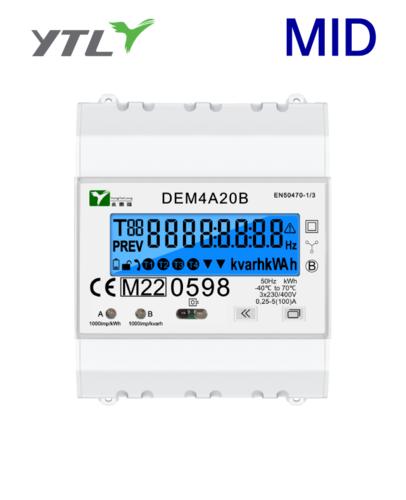
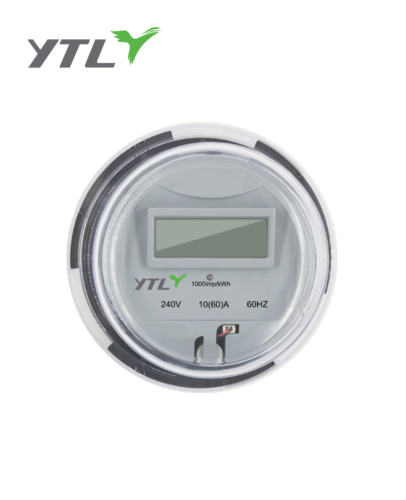
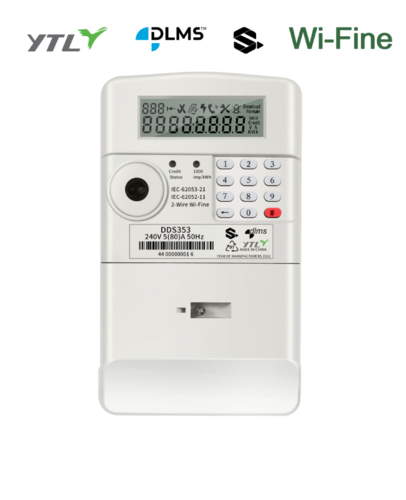
The traditional mechanical electricity meter has a single function, can only record the total electricity consumption, and relies on manual copying, which is inefficient and has large errors. Smart meters integrate communication modules and sensors to achieve real-time collection, remote transmission, and precise analysis of electricity consumption data. Every smart meter is a "data node" at the end of the power system, capable of recording the electricity load, voltage fluctuations, and even electricity behavior characteristics at all times.
This leap in data capability enables power companies to no longer be limited to monthly meter reading and billing, but to deeply understand user needs based on the massive information feedback from smart meters. For example, by analyzing smart meter data, power companies can identify peak electricity usage periods, abnormal energy consumption patterns, and provide optimization recommendations to users. Smart meters have become the infrastructure for power companies to expand their service boundaries.
2、 Empowering Users: From Passive Electricity Use to Active Energy Management
In the traditional mode, users have little knowledge about their electricity usage and can only perceive their consumption behavior through their electricity bills. The deployment of smart meters has completely changed this situation. With the support of smart meters, the electricity information query system allows users to view real-time electricity consumption, bill details, and even carbon emission data through mobile applications or web pages.
This transparency not only enhances user experience, but also stimulates their enthusiasm for participating in energy management. For example, power companies can introduce time of use electricity pricing schemes based on smart meter data to guide users to use electricity during off peak periods, thereby saving expenses and smoothing grid loads. Smart meters shift power services from "one-way supply" to "two-way interaction", creating real value for users.
3、 Service innovation: how power companies can expand their business by relying on smart meters
The popularization of smart meters has brought rich opportunities for service innovation to power companies. Firstly, in the field of energy efficiency services, power companies can customize energy-saving solutions for households or businesses based on smart meter data, such as identifying high energy consuming equipment and recommending optimization measures. Secondly, in terms of fault response, smart meters can monitor power supply abnormalities in real time, helping companies quickly locate the scope of power outages and dispatch personnel for repairs, thereby improving power supply reliability.
In addition, smart meters are also a key tool for supporting distributed energy access. With the popularization of photovoltaic and energy storage equipment, smart meters can achieve bidirectional measurement, accurately record the amount of electricity feedback from users to the grid, and lay the foundation for green electricity trading. These services not only increase user stickiness, but also open up new sources of revenue for power companies.
4、 Grid optimization: smart meters improve operational efficiency and resilience
For power companies, smart meters are an important tool for optimizing grid operations. Through widely deployed smart meters, the company can monitor regional electricity loads in real time, predict short-term demand changes, and dynamically adjust power generation and distribution strategies to reduce energy waste. Meanwhile, smart meters help identify abnormal line losses and reduce non-technical losses.
In terms of grid resilience, smart meters can quickly report quality issues such as voltage dips and frequency deviations, providing a basis for preventive maintenance. This data based refined management significantly improves the reliability and economy of the power grid.

5、 Looking ahead to the future: the construction of smart meters and energy service ecology
With the development of the Internet of Things and artificial intelligence technology, the functionality of smart meters will be further enhanced. In the future, smart meters may integrate more sensors and support multi energy metering such as water, gas, and heat, becoming the core gateway for home energy management. Power companies can rely on smart meter data and collaborate with smart home and electric vehicle charging platforms to build a full chain service ecosystem covering energy production, storage, and consumption.
Smart meters are not only measuring tools, but also strategic pivot for power companies to transform into energy service providers. By deepening data applications and innovating service models, power companies will play a more active role in energy transformation.
Conclusion
From simple measuring devices to the core engine of energy services, smart meters are driving profound changes in the power industry. It breaks the boundaries of traditional power services, promotes user participation, improves operational efficiency, and provides possibilities for innovative businesses. For power companies, embracing the opportunities brought by smart meters is not only a technological upgrade, but also a transformation towards a user centric and service-oriented approach.
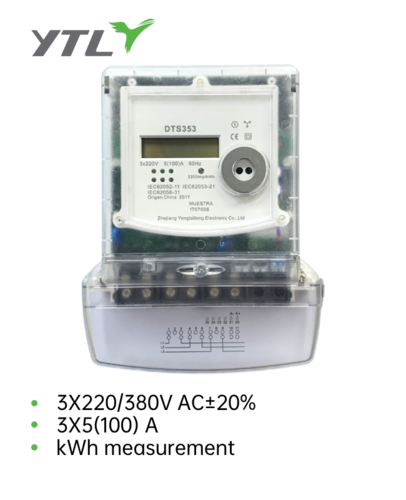
.png?imageView2/2/w/500/h/500/format/png/q/100 "YTL Two Phase Three Wire Big counter Electricity Meter")
.png?imageView2/2/w/500/h/500/format/png/q/100 "YTL Single Phase Active Electronic Electricity Meter")