
 English
 简体中文
简体中文



With the deepening of global energy transformation and digitalization, the electricity meter industry is facing unprecedented opportunities for change. Traditional electric meter manufacturing enterprises are no longer limited to the role of a single metering equipment supplier, but are rapidly evolving towards becoming comprehensive energy solution providers. This transformation not only involves innovative breakthroughs in technology, but also includes a comprehensive upgrade of business models, service concepts, and development strategies. In the future, the development of electricity meter companies will closely focus on the four core directions of intelligence, digitalization, service and globalization, and occupy an important position in the energy Internet ecosystem through technological innovation and value reconstruction.
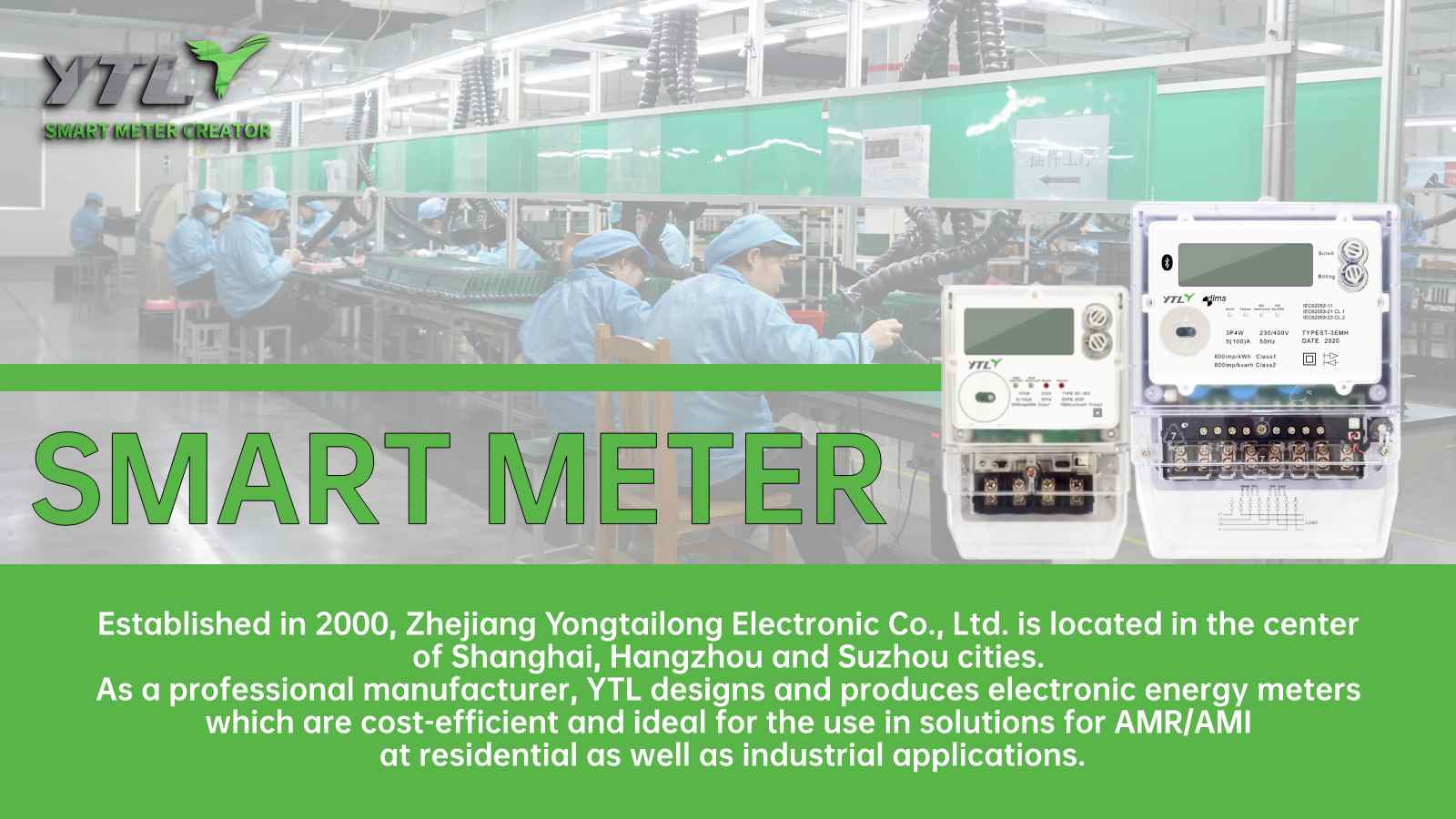
Deep integration of intelligence and the Internet of Things
The core development direction of future electricity meter companies is to deeply integrate into the Internet of Things technology system and promote the transformation of products from single metering functions to intelligent sensing terminals. Smart meters will no longer be just energy metering tools, but will evolve into multifunctional data collection nodes at the end of the distribution network. The new generation of smart meters will integrate more abundant sensors and communication modules, with edge computing capabilities and local intelligent decision-making functions. These devices are capable of real-time collection of power grid operation data, electricity load information, and environmental parameters, and achieve high-speed transmission and interaction of data through advanced communication technologies such as 5G and NB IoT. Based on artificial intelligence algorithms, smart meters can achieve advanced functions such as electricity behavior analysis, load forecasting, and fault diagnosis, providing data support for optimized operation of the power grid and energy-saving management of users. Electric meter companies need to increase R&D investment, break through key technologies such as intelligent sensing, edge computing and energy big data, and create an intelligent product system with core competitiveness.
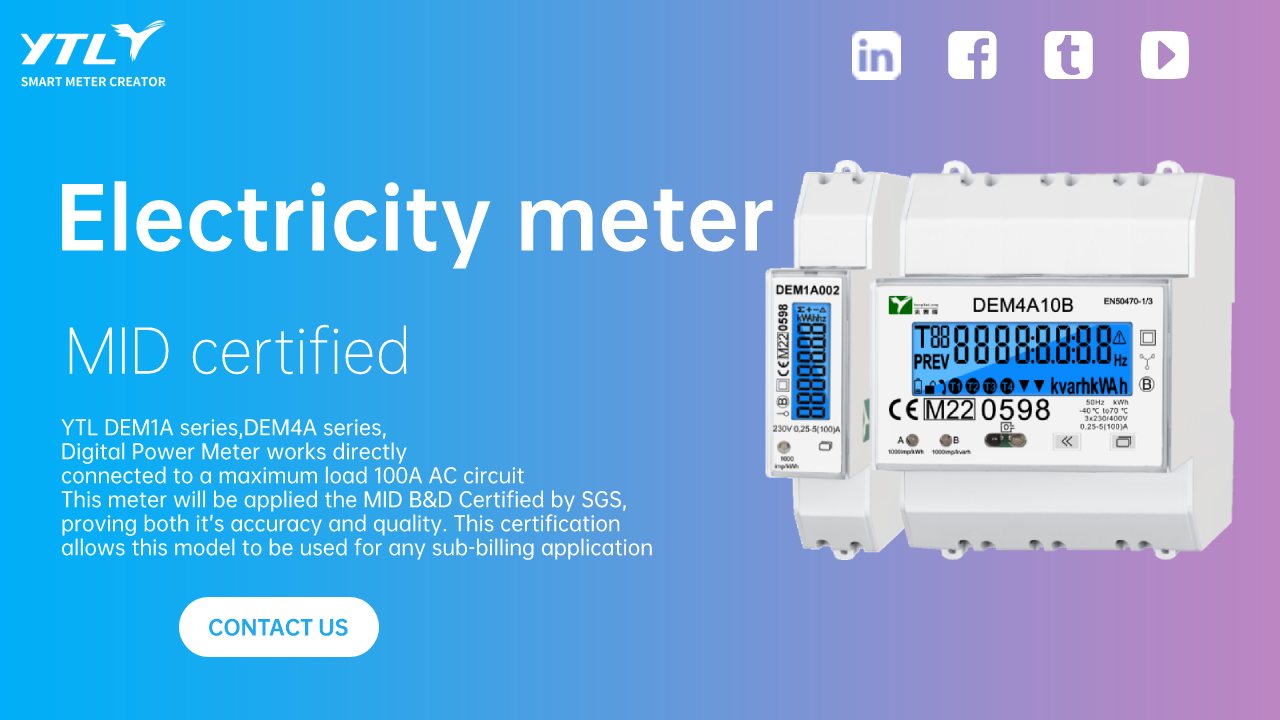
Expansion of Energy Digital Services
The business boundaries of electricity meter companies are rapidly expanding from hardware manufacturing to the field of digital energy services. Future electric meter companies not only provide smart metering devices, but more importantly, based on data collection capabilities, provide users with comprehensive energy management solutions. This includes the development of digital service products such as energy monitoring platforms, load management systems, demand side response systems, and energy efficiency optimization solutions. Through cloud computing and big data technology, electricity meter companies can provide value-added services such as energy analysis, energy-saving diagnosis, and carbon footprint management for enterprise users, helping them achieve refined management of energy use. At the same time, electricity meter companies can also cooperate with power grid enterprises to participate in the construction and operation of new energy systems such as virtual power plants and intelligent microgrids. By aggregating distributed energy resources, they can provide auxiliary services such as peak shaving and frequency regulation for the power grid. This business model innovation will drive meter companies to transform from product suppliers to service providers, opening up new market space and profit models.
Collaborative development of globalization and localization
In the face of the accelerated development of global energy Internet construction, meter companies need to implement a more active globalization strategy, while focusing on the improvement of local service capabilities. The differences in the construction process, technical standards, and policy environment of smart grids in various countries require meter companies to have strong adaptive research and development capabilities and flexible market strategies. Future electricity meter companies need to have a deep understanding of the demand characteristics of different markets, develop product solutions that meet local standards and technical requirements, and establish localized marketing networks and service systems. At the same time, by participating in international standard setting and industry cooperation, we aim to enhance our influence and voice in the global market. In the process of globalization, electricity meter companies also need to pay attention to intellectual property protection and technological innovation, form an independent and controllable core technology system, and enhance their competitive advantage in the international market. By establishing a collaborative network of global research and development, production, and service, electricity meter companies can better integrate resources, improve operational efficiency, and achieve the organic unity of globalization and localization.
Breakthrough in Green and Low Carbon Technologies
Under the guidance of carbon peak and carbon neutrality goals, electricity meter companies need to focus on the research and application of green and low-carbon technologies. This includes developing smart metering devices that support the integration of new energy, researching the application of new environmentally friendly materials in electric meter products, and optimizing production processes to reduce carbon emissions. As the core equipment of energy management, smart meters will play an important role in promoting the consumption of renewable energy and improving energy utilization efficiency. Meter companies need to develop metering and management solutions suitable for new electricity consumption scenarios such as distributed photovoltaics, energy storage systems, and electric vehicle charging facilities, to support the construction of new power systems. At the same time, by implementing lightweight product design, utilizing recyclable materials, and innovating energy-saving manufacturing processes, the environmental impact of the entire product lifecycle can be reduced. These green innovations not only meet the requirements of sustainable development, but will also become a new source of competitive advantage for electricity meter companies.
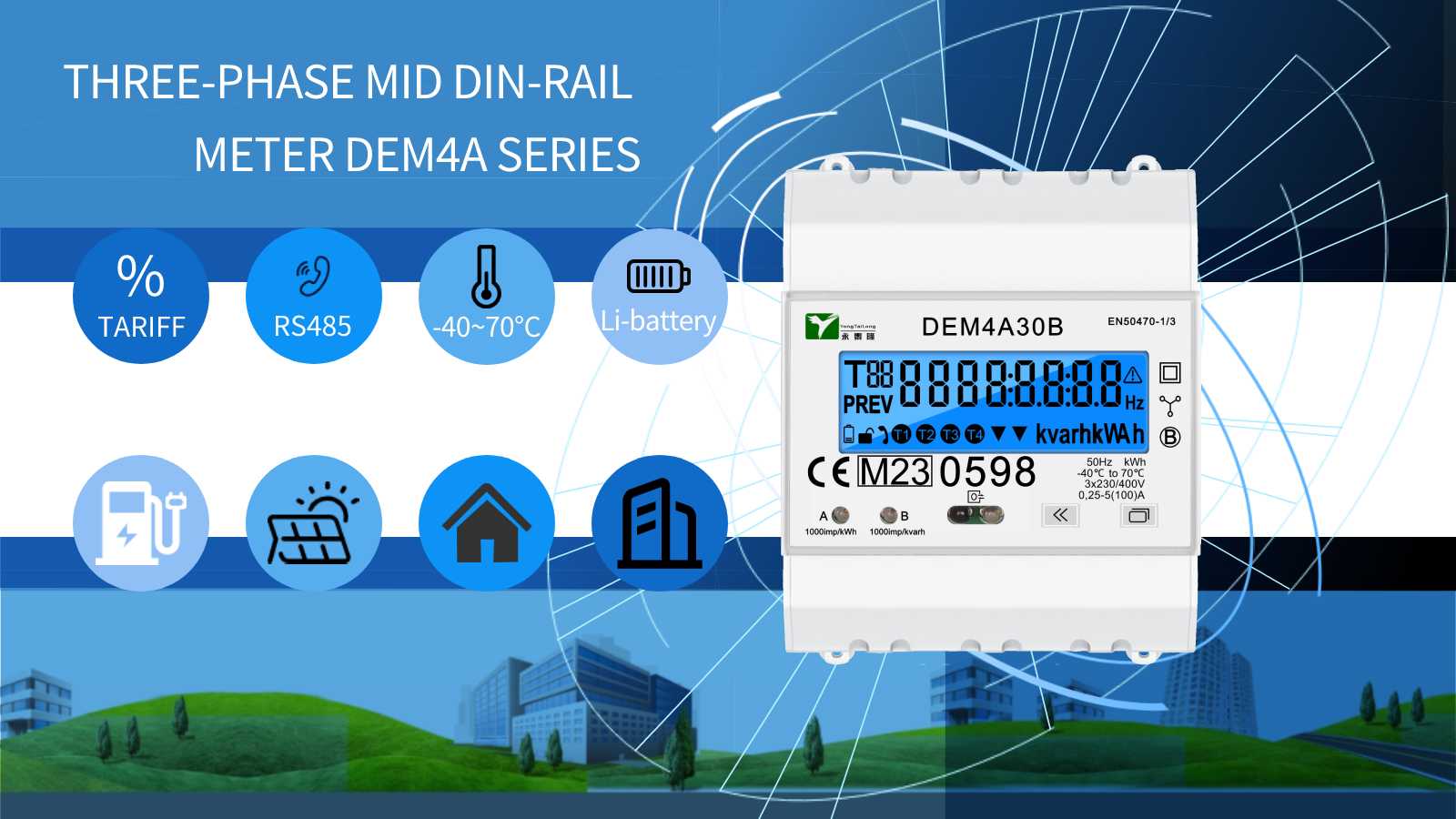
The future development of electric meter companies will be a process of continuous innovation and value enhancement. Through intelligent upgrading, service-oriented transformation, global layout, and green innovation, electricity meter companies will achieve leapfrog development in the dual opportunities of energy revolution and digital revolution, making important contributions to building a clean, low-carbon, safe, and efficient energy system.
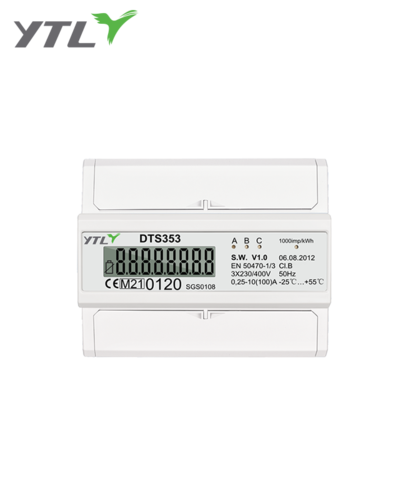
.jpg?imageView2/2/w/500/h/500/format/png/q/100 "YTL Company DTS353C DIN Rail 3P 4 Model Electricity Meter MID")
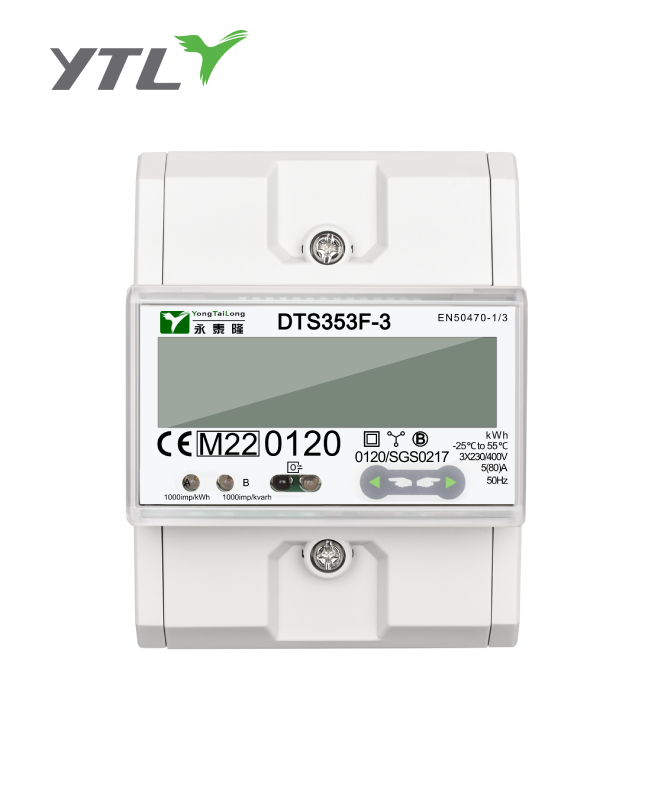
.png?imageView2/2/w/500/h/500/format/png/q/100 "YTL Two Phase Three Wire LCD Shunt sampling Energy Meter")
.png?imageView2/2/w/500/h/500/format/png/q/100 "YTL Two Phase Three Wire Big counter Electricity Meter")
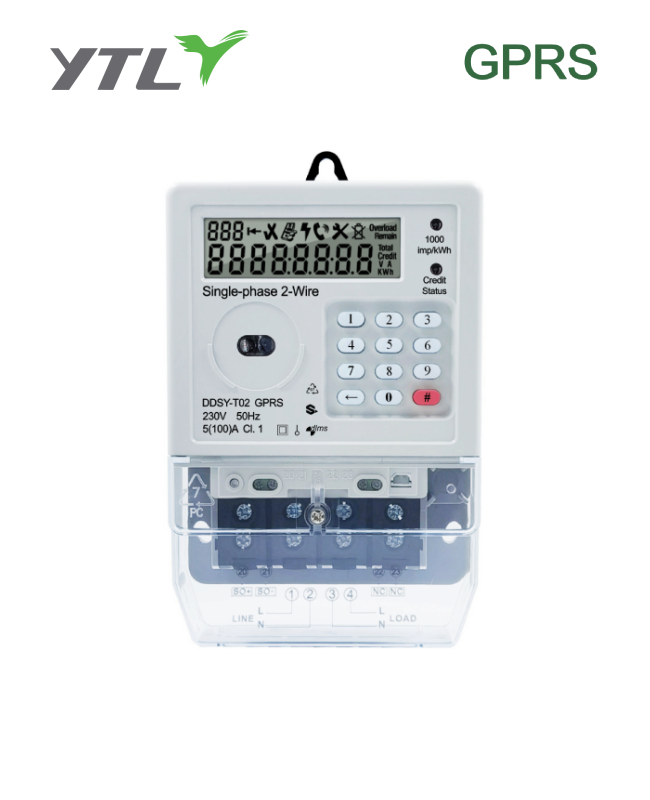
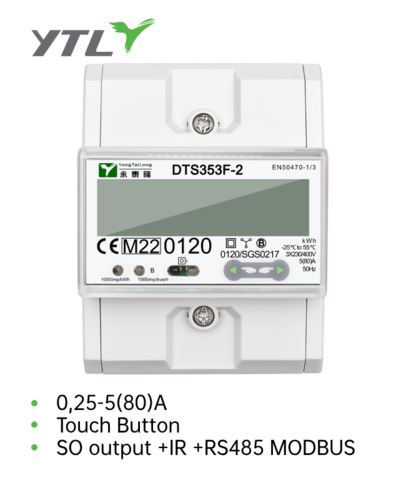
.png?imageView2/2/w/500/h/500/format/png/q/100 "YTL Single Phase Active Electronic Electricity Meter")