
 English
 简体中文
简体中文



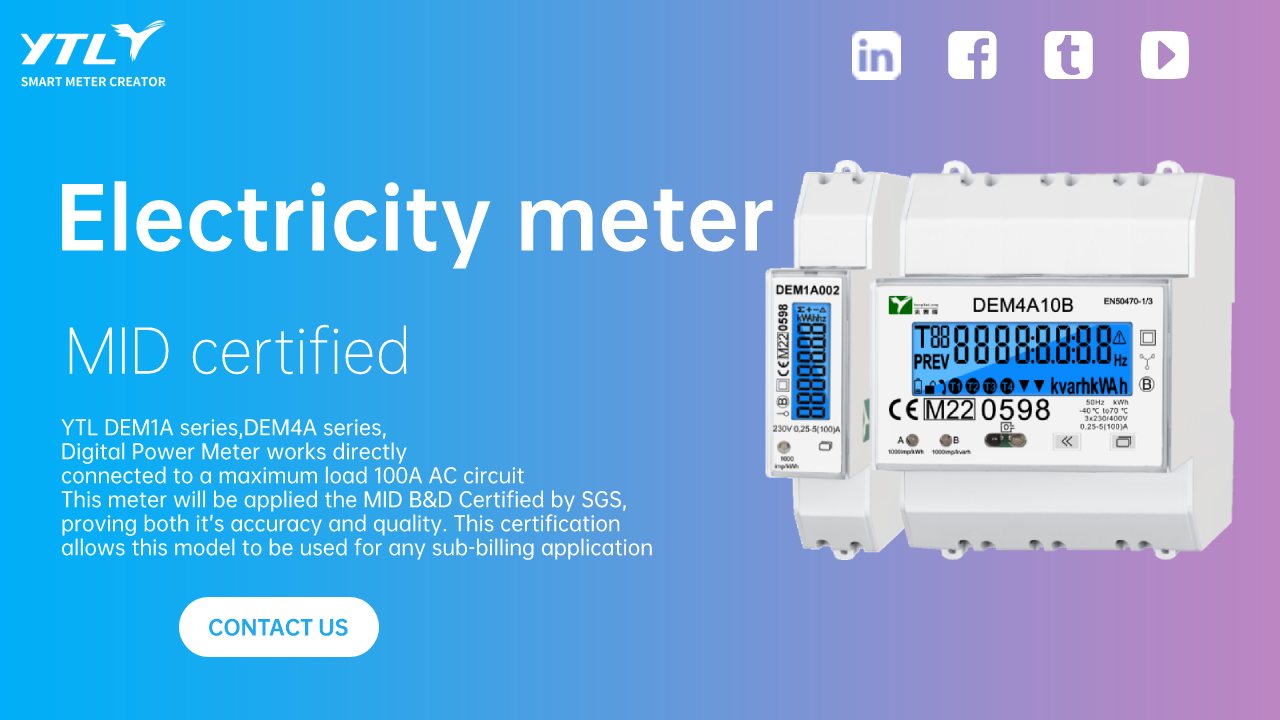
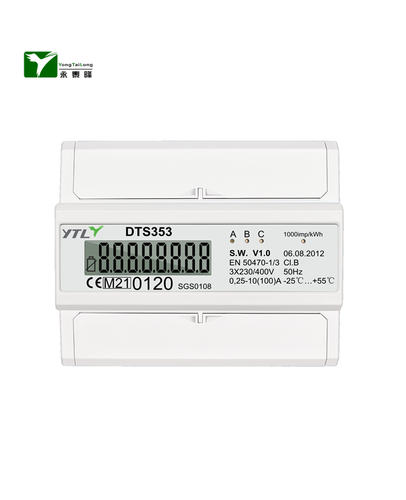
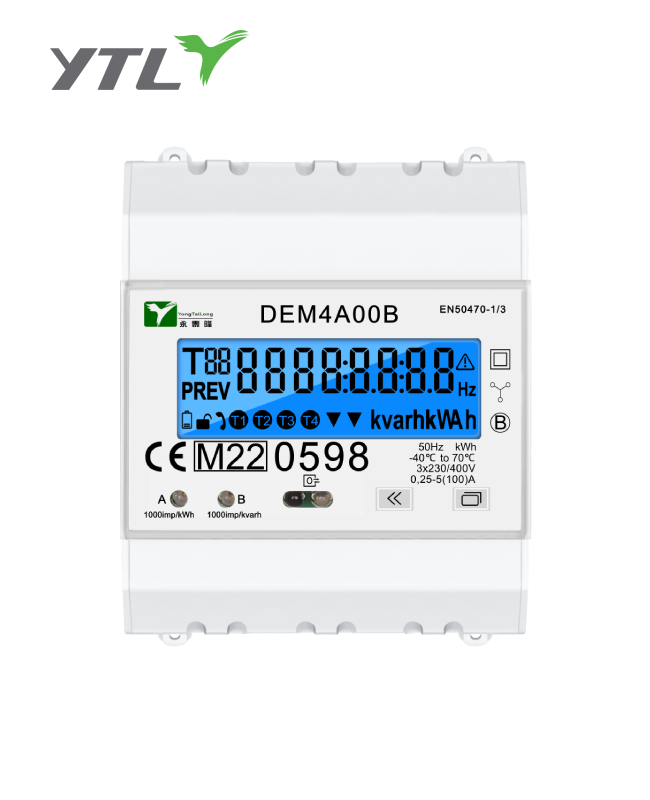
In the field of modern power metering and energy management, rail mounted electricity meters have become the preferred solution for many industries to achieve refined electricity monitoring due to their unique design concepts and engineering adaptability. This type of electricity meter is designed specifically for standardized DIN rail installation, and its value goes far beyond precise measurement itself, but also lies in the overall innovation it brings to system integration and energy efficiency improvement. Compared to traditional installation methods of electric meters, rail mounted electric meters integrate high integration, flexible scalability, and powerful functionality to build their irreplaceable core competitive advantages, providing a solid foundation for building a digital and transparent energy management system.
Extremely simplified installation and integration process
The intuitive advantage of rail mounted electricity meters lies in their revolutionary installation convenience. Its design fully follows the internationally recognized DIN rail standard, making the installation process as simple and efficient as assembling building blocks on a track. Installation personnel do not need to perform complex drilling and positioning on the distribution box panel, nor do they need to use various cumbersome tools. They only need to align the buckle on the back of the electricity meter and clip it into the standard guide rail, which can be physically fixed in an instant, greatly reducing construction time and labor costs. This plug and play installation method greatly simplifies the process of adding metering nodes to existing distribution cabinets, making it easy to handle both new project deployments and old system renovations. Its compact modular design also enables it to harmoniously coexist with other electrical equipment such as circuit breakers, contactors, PLCs, etc. in limited box space, achieving highly integrated distribution, control, and metering functions, optimizing the overall layout.
Powerful system compatibility and functional expansion capability
Beyond a single metering role, rail mounted meters are a highly flexible "functional module" in modern smart meter systems. Its advantages are reflected in its strong system compatibility and scalability. At the communication level, mainstream rail mounted electricity meters are generally equipped with multiple industrial standard interfaces, such as RS-485 communication ports, and support multiple open protocols such as Modbus RTU and DL/T645, enabling seamless integration into various energy management systems, building automation systems, or industrial configuration software, achieving remote data collection and centralized monitoring. At the functional level, its connotation goes far beyond basic measurement. Many models have advanced functions such as time-based rate measurement, demand measurement, real-time power parameter analysis, and over limit alarm. Users can flexibly configure the required functional combinations based on specific project requirements, just like selecting from a menu, to meet different levels of application needs from simple electricity statistics to complex energy efficiency diagnosis, achieving on-demand customization and investment benefits.
Excellent spatial adaptability and convenient maintenance
In application scenarios where space is limited or equipment is densely distributed, the spatial economy advantage of rail mounted electricity meters is particularly prominent. Its compact structure and small size make it easy to find a place in crowded distribution boxes, control cabinets, or equipment cabinets, achieving "close fitting" measurement of key branches or important equipment. This ubiquitous deployment capability creates conditions for in-depth analysis of the details of energy consumption. At the same time, when equipment replacement, upgrade, or troubleshooting is required, its maintenance convenience is unparalleled. Maintenance personnel do not need to dismantle the entire circuit, they can easily remove the faulty meter from the guide rail and clip the new meter into the same guide rail to complete the replacement, minimizing the impact on surrounding equipment throughout the process. This modular maintenance approach significantly reduces system downtime, lowers the complexity and overall cost of long-term operation and maintenance.
Stable and reliable long-term operational performance
As an industrial grade product, the rail type electric meter contains a sturdy and reliable quality core while being convenient and flexible. Its design and manufacturing strictly follow industrial environmental standards and can withstand common vibrations, electromagnetic interference, and temperature and humidity fluctuations in electrical environments. High quality components and rigorous circuit design ensure the stability of measurement accuracy and data reliability under long-term continuous operation. The fully electronic design has no mechanical moving parts, fundamentally avoiding problems such as wear and jamming, and has a much longer lifespan than traditional mechanical meters. This rock solid reliability makes it a reliable energy data guardian, providing users with continuous and accurate data support even in harsh industrial sites or critical facilities such as data centers and base stations that require uninterrupted operation year-round.
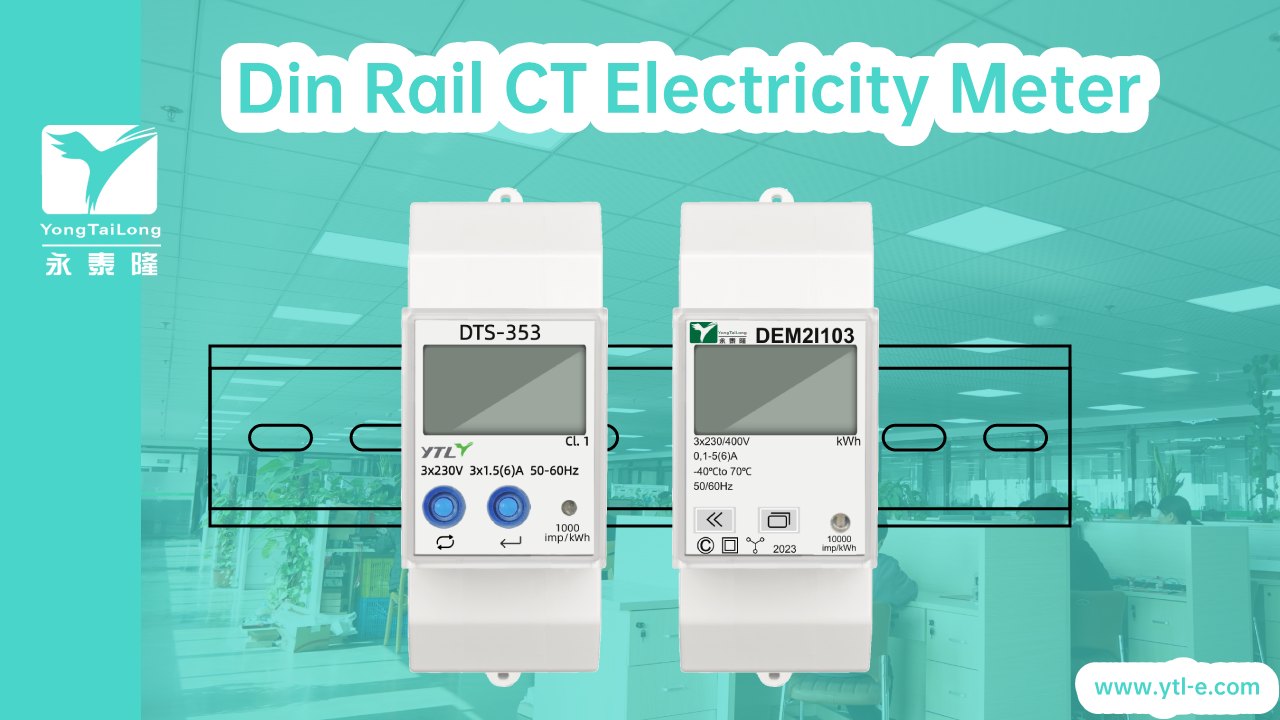
In summary, the core advantage of rail mounted electric meters is an interlocking value system. It takes simplified installation as the starting point, flexible integration as the path, compact design as the feature, and reliable performance as the guarantee, jointly shaping its unshakable position in the field of distributed metering. It is not only a technological advancement, but also an evolution of energy management thinking, delivering precise measurement capabilities to every electricity consumption node that needs attention, opening up new possibilities for comprehensive energy conservation, efficiency improvement, and intelligent management.
.jpg?imageView2/2/w/500/h/500/format/png/q/100 "YTL Company DTS353C DIN Rail 3P 4 Model Electricity Meter MID")