
 English
 简体中文
简体中文



1. Introduction
Electric meters are indispensable devices that measure the amount of electrical energy consumed by a residence or business, forming the basis for utility billing. For decades, the traditional, mechanical meter with its rotating disc and analog display has been the standard. However, in an era of rapid technological advancement and evolving energy needs, a crucial question arises: Are traditional electric meters becoming obsolete? The answer is a resounding yes, as utility providers worldwide are actively transitioning to advanced metering infrastructure, primarily driven by the capabilities of smart meter technology.
2. What is an Electric Meter?
An electric meter, or energy meter, is an electrical instrument that quantifies the total electrical energy consumed over a period of time. This measurement, typically in kilowatt-hours (kWh), is what utility companies use to charge customers.
Electric meters can be broadly categorized into several types:
| Type of Electric Meter | Key Characteristics |
|---|---|
| Traditional (Electromechanical/Analog) | Uses a rotating metallic disk; manual reading required; records total cumulative consumption. |
| Digital (Electronic) | Uses electronic circuits; digital display; still often requires manual reading but is more accurate than traditional meters. |
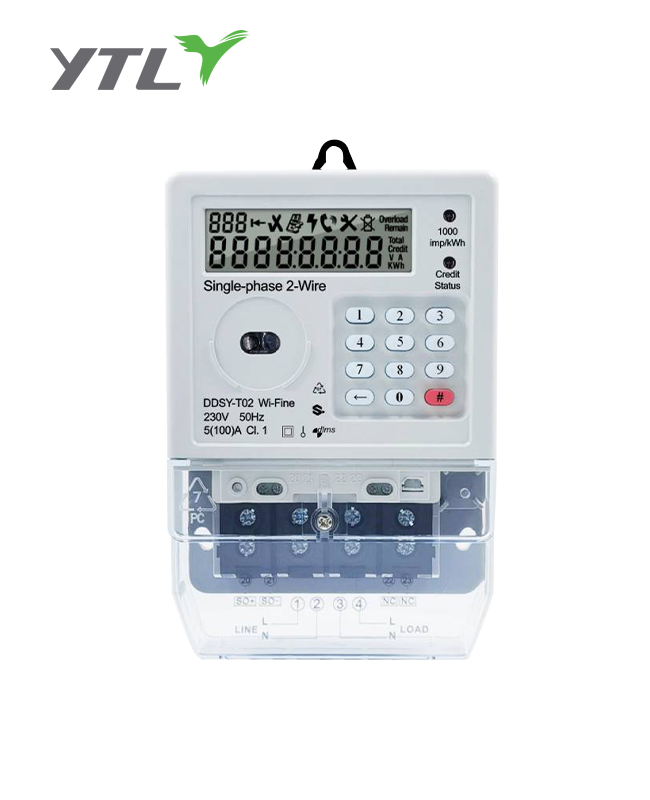
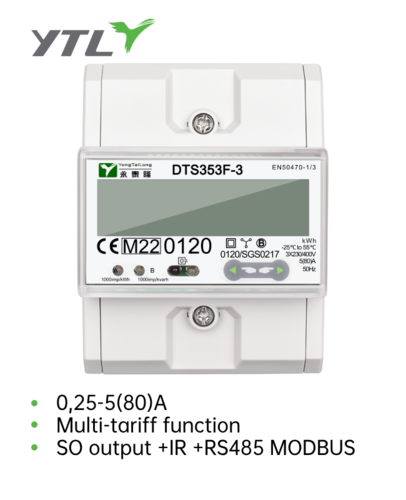
| Smart Meter (Advanced Metering Infrastructure - AMI) | Uses electronic circuits; two-way communication with the utility; records detailed, time-based consumption data. |
3. The Case for Phasing Out Traditional Electric Meters
The limitations of traditional meters are becoming increasingly problematic for modern power grids and customer demands:
- Inaccuracies and Estimated Billing: Traditional meters can suffer from mechanical wear and age, potentially leading to inaccurate readings. More significantly, the reliance on periodic, manual readings often results in estimated billing between visits, leading to customer complaints and inaccurate financial forecasting for both the consumer and the utility.
- Manual Reading Requirements and Associated Costs: Sending personnel to physically read each meter is a labor-intensive, costly, and time-consuming process. It also introduces the possibility of human error in data transcription and often requires access to the property, which can be inconvenient for customers.
- Limited Data and Lack of Real-Time Information: Traditional meters only provide a total consumption number for a billing cycle (e.g., a month). They offer no granular, real-time insight into when energy is being used, which is vital for both consumer energy management and utility grid operations.
4. The Rise of Smart Meters
Smart meters are the core of the Advanced Metering Infrastructure (AMI), representing a significant technological leap.
Definition and Explanation of Smart Meters:
A smart meter is an electronic device that records consumption of electric energy and communicates that information back to the utility provider for monitoring and billing. Unlike traditional meters, smart meters use secure, two-way communication—often via wireless or power line carrier technology—to send data from the meter to the utility and receive instructions from the utility.
Benefits of Smart Meters:
| Benefit Category | Smart Meter Advantage |
|---|---|
| Data & Billing | Real-time Data and Accurate Billing: Provides granular, time-stamped usage data, eliminating the need for estimated bills and allowing customers to monitor usage hourly or daily. |
| Utility Operations | Remote Monitoring and Control: Enables remote reading, service connection/disconnection, and immediate fault detection, drastically cutting operational costs ("truck rolls"). |
| Grid Management | Improved Grid Management: Real-time data helps utilities balance load, detect and locate outages faster, and predict peak demand more accurately, leading to a more reliable and resilient grid. |
| Energy Transition | Support for Renewable Energy Integration: Essential for customers with solar panels (distributed generation), as they can accurately measure energy both consumed from the grid and fed back into it (net metering). |
5. Global Trends in Electric Meter Technology
The global shift toward smart metering is undeniable, often driven by government mandates, energy efficiency targets, and grid modernization efforts.
- North America: The US has seen extensive deployment, with AMI penetration already covering a majority of electric meters, particularly in the residential sector.
- Europe: The European Union has set ambitious targets for smart meter rollout across member states to facilitate the transition to a low-carbon economy. Countries like Italy, Sweden, and the Netherlands were among the early adopters, achieving high penetration rates.
- Asia Pacific: This region, particularly China and India, represents the largest market for smart meter growth, fueled by rapid urbanization, massive infrastructure projects, and the need to reduce technical and commercial losses in large power networks.
6. Concerns and Challenges
Despite the overwhelming benefits, the smart meter transition is not without its challenges:
- Privacy Concerns Related to Data Collection: The detailed, real-time data collected by smart meters can potentially reveal a customer’s habits and activities, raising concerns about data privacy and how this information is stored and used by utilities or third parties.
- Security Vulnerabilities of Smart Meter Systems: Since smart meters are network-connected, they introduce new cybersecurity risks. Protecting the AMI network from hacking, tampering, or malicious attacks is a critical challenge for utilities.
- Initial Costs of Deployment and Infrastructure Upgrades: The initial investment required for manufacturing, deploying millions of smart meters, and upgrading the necessary IT and communications infrastructure (the head-end system) is substantial, often leading to temporary rate increases for consumers.
7. The Future of Electric Meters
The electric meter is evolving from a simple billing device into a sophisticated sensor and communication node for the entire power grid.
- Predictions for the Future: The future will see near-universal adoption of smart meters (AMI), replacing nearly all traditional meters as they reach the end of their service life or as regulatory mandates require their removal. The focus will shift from basic AMI to more advanced functionalities.
- The Role of AI and Machine Learning in Grid Management: Future smart meter data will be analyzed by Artificial Intelligence (AI) and Machine Learning (ML) algorithms. This will enable predictive maintenance (identifying failing equipment before it breaks), more precise load forecasting, and automated, real-time grid response to fluctuations from renewable energy sources.
- Integration with Smart Home Devices and Energy Management Systems: Smart meters will become integral to the "Smart Home" ecosystem, communicating seamlessly with home energy management systems (HEMS), smart appliances, and electric vehicle (EV) charging stations. This integration will empower consumers to automatically optimize their energy use based on real-time prices and grid conditions.
Conclusion
The landscape of electric metering is undergoing a profound transformation. Traditional meters, with their limited capabilities and operational inefficiencies, are being actively phased out globally. This inevitable shift is not merely an upgrade but a foundational necessity for modernizing the power grid. The Advanced Metering Infrastructure (AMI), spearheaded by smart meter technology, is essential for integrating renewable energy, enhancing grid resilience, and empowering consumers with control over their energy consumption. For meter manufacturers, this evolution demands a focus on advanced security, high accuracy, two-way communication capability, and integration readiness, cementing the smart meter as the key to a smarter, more sustainable energy future.

.png?imageView2/2/w/500/h/500/format/png/q/100 "YTL Two Phase Three Wire Big counter Electricity Meter")