
 English
 简体中文
简体中文



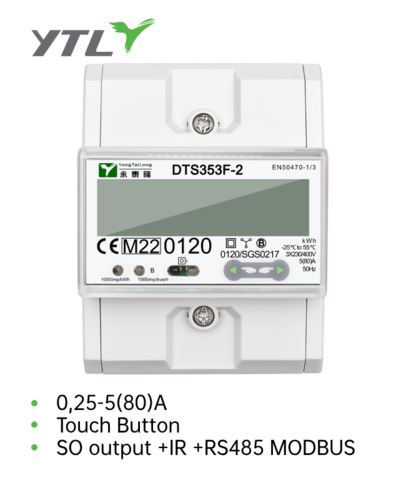
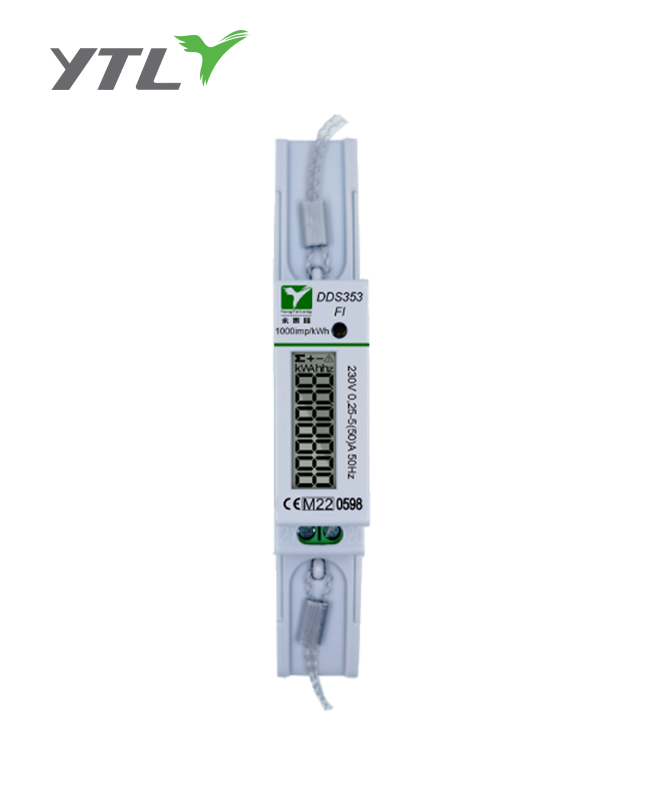
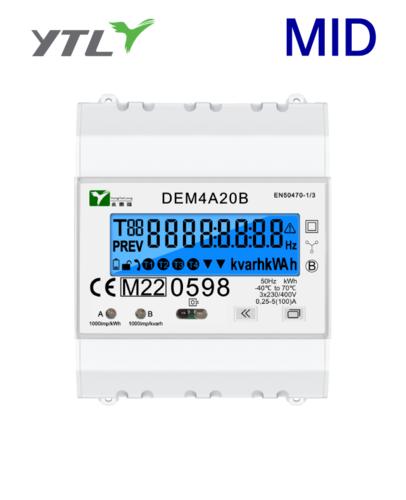
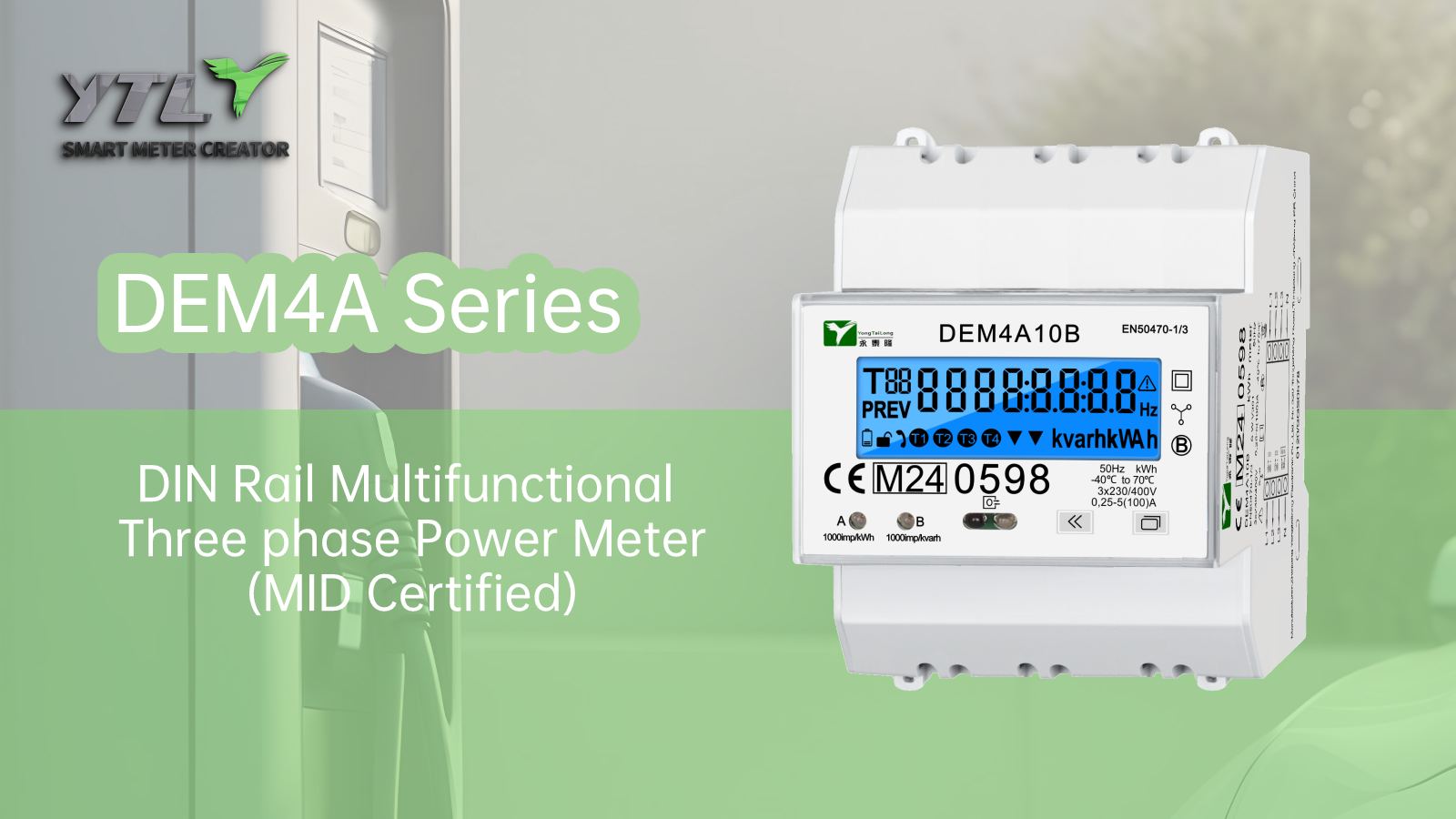
In the field of modern power measurement and energy management, rail mounted electricity meters (referred to as "rail meters") have become a widely used power measurement equipment due to their standardized size, convenient installation method, and flexible functional configuration. It is designed specifically for installation on standard DIN rails, like a precise "power data module" that can be easily integrated into various distribution boxes, control cabinets, or intelligent building systems. This inherent integration and flexibility make the rail gauge cross numerous industry boundaries, becoming an ideal choice for achieving distributed measurement, fine monitoring, and intelligent management. Its application scenarios mainly focus on the following key areas.
Industrial Automation and Distributed Distribution System
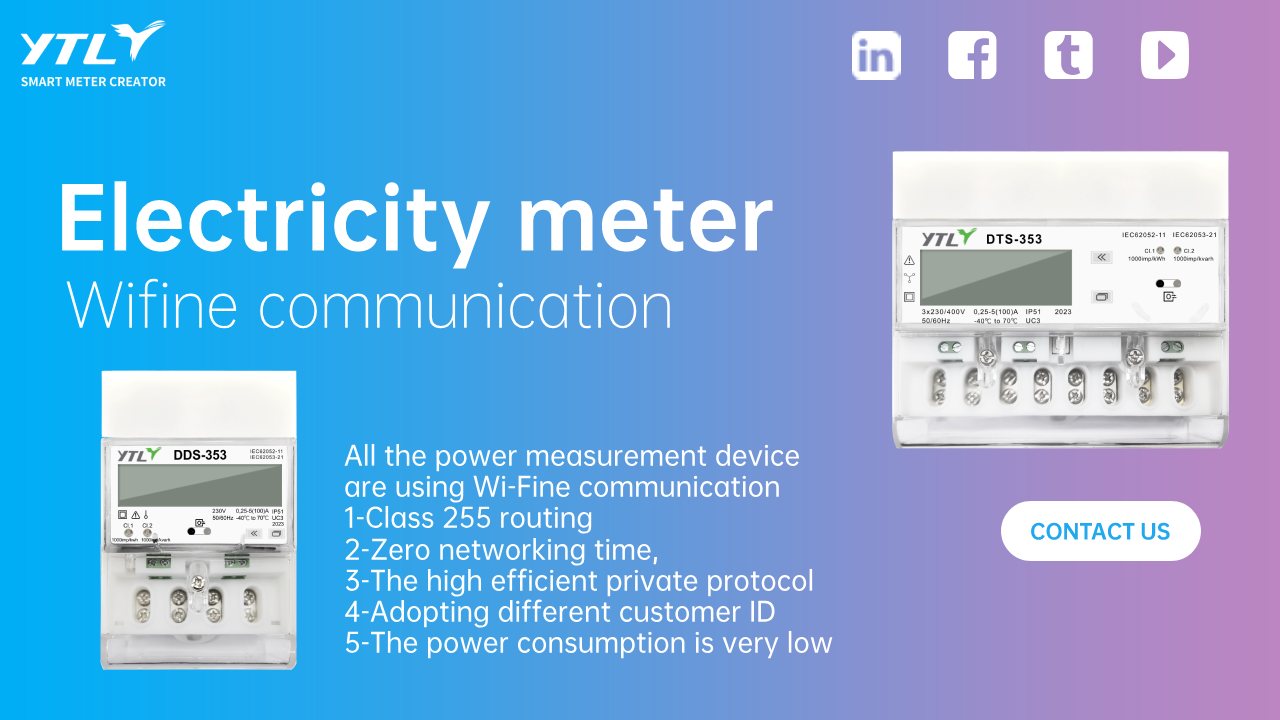
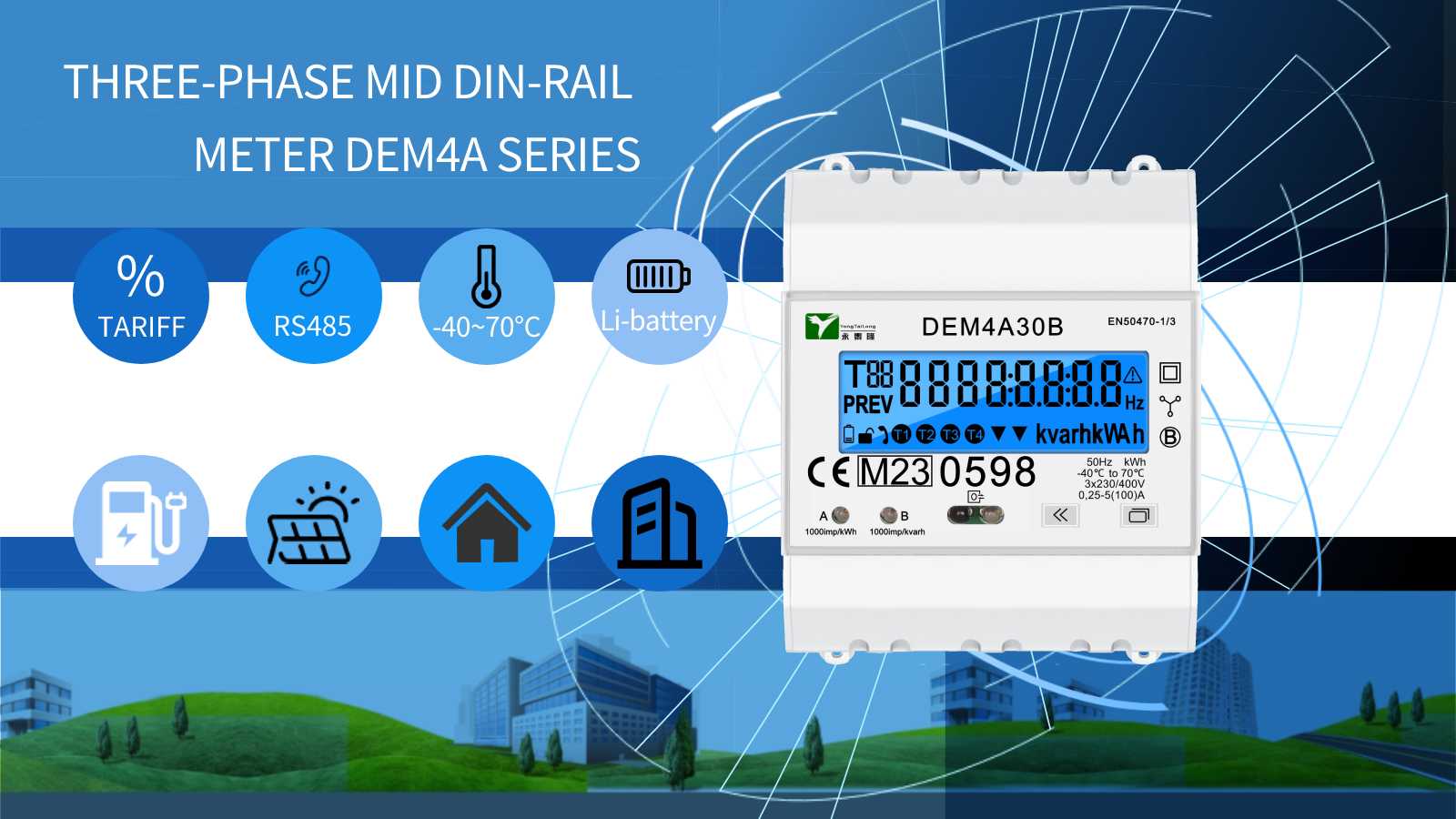
In industrial plants, production workshops, and automated production lines, refined management of electricity consumption is the core of controlling operating costs and improving energy efficiency. The guide rail table plays an indispensable role in such scenarios. Due to the multitude of electrical equipment, varying power levels, and scattered layouts in industrial environments, traditional centralized meters are unable to provide detailed electricity analysis data. The rail gauge can be flexibly deployed like a "scout" on every important branch, every large electrical equipment (such as machine tools, air compressors, water pumps), or every production unit circuit. It can measure and display key parameters such as current, voltage, power, and electrical energy in real time, helping engineers accurately grasp the energy consumption status of each link, locate high energy consuming equipment, and analyze equipment operating efficiency. Its compact design allows it to be directly installed in the distribution cabinet next to the production line, working side by side with electrical components such as circuit breakers, contactors, PLCs, etc., providing the direct data support for building a digital and transparent workshop energy management system.
Energy Management of Commercial and Public Buildings
Modern commercial complexes, office buildings, hospitals, schools, and large venues and other public buildings have complex internal electrical systems, covering various loads such as central air conditioning, lighting, elevators, and information rooms. Implementing sub item measurement and energy consumption monitoring of these loads is key to promoting green building standards and reducing daily operating costs. The guide rail meter, with its modular and small size characteristics, has become an ideal solution for secondary and sub item measurement in such buildings. It can be centrally installed in the distribution box of each floor's high-voltage well, or independently installed for specific areas (such as data center rooms, large conference rooms, and independent commercial tenants) to accurately calculate their electricity consumption. This not only provides a fair and accurate basis for property energy auditing and cost allocation, but also enables real-time detection of abnormal energy consumption through integration with building automation systems, optimizing the operation strategies of air conditioning and lighting systems, thereby achieving significant energy conservation and consumption reduction, and improving the overall intelligent management level of buildings.
New energy system and dedicated power environment
With the popularization of photovoltaic power generation, energy storage systems, and electric vehicle charging facilities, the demand for precise measurement of DC or complex AC parameters has surged. DC rail meters and AC rail meters designed specifically for these scenarios have emerged. In household or commercial photovoltaic systems, rail meters can be installed at the output or grid connection points of inverters to accurately measure photovoltaic power generation or perform anti backflow monitoring functions. In the accompanying energy storage system, it can be used to monitor the charging and discharging power and battery level of the battery. At the internal circuit of the electric vehicle AC charging station or the output end of the DC charging module, the rail meter is responsible for accurately measuring and settling the charging amount. In addition, in places with extremely high requirements for power supply reliability such as communication base stations and data center rooms, rail meters are widely used to monitor the real-time operation status of cabinet loads, UPS (uninterruptible power supply) outputs, and battery packs, ensuring the safety and stability of power supply for key equipment.
Flexible application of infrastructure and smart homes
In the traditional industrial and commercial fields, the application of guide rail watches is extending to a wider world. In urban and rural infrastructure, such as rail transit, street lighting control systems, agricultural irrigation systems, etc., rail meters can be easily integrated into on-site control boxes to achieve power monitoring and remote management of individual circuits or equipment. Even in the high-end residential and smart home fields, with the increasing attention to household energy consumption, single-phase rail meters installed in indoor distribution boxes have begun to emerge. It can provide household heads with detailed energy consumption data of total electricity consumption and major circuits, and send the data to mobile apps or home energy management platforms through the network, helping to achieve energy conservation, environmental protection, and electricity safety warnings for households.
In summary, the applicability of guide rail tables is determined by their core advantages: standardized installation methods make their deployment quick; The compact structure makes it easy to integrate; Rich measurement functions enable it to meet diverse needs. From the grand industrial system to the subtle end use of electricity, wherever precise perception, quantitative management, and intelligent control of electricity usage are required, rail meters can find their place and become a bridge connecting the physical world of electricity consumption and the digital management world.
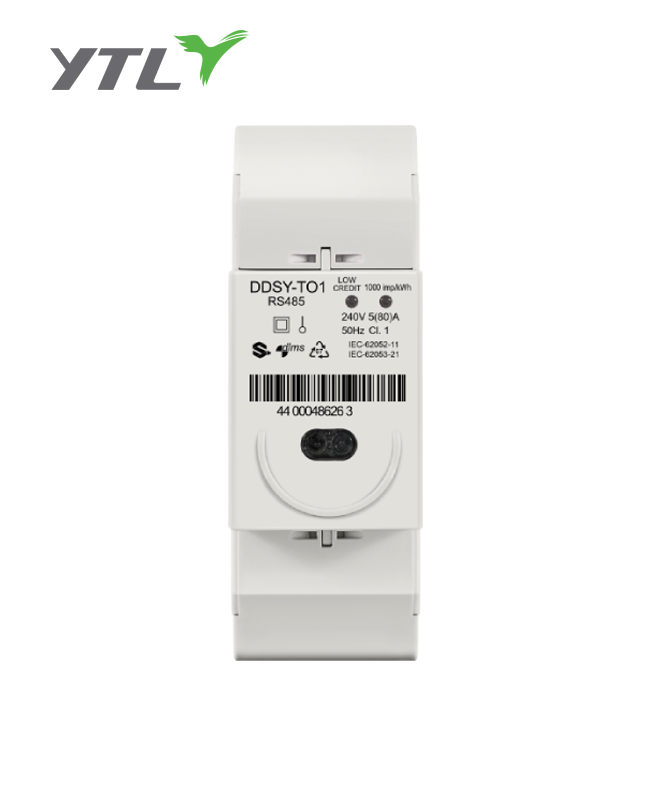
.jpg?imageView2/2/w/500/h/500/format/png/q/100 "YTL Company DTS353C DIN Rail 3P 4 Model Electricity Meter MID")
.png?imageView2/2/w/500/h/500/format/png/q/100 "YTL Two Phase Three Wire Big counter Electricity Meter")