
 English
 简体中文
简体中文



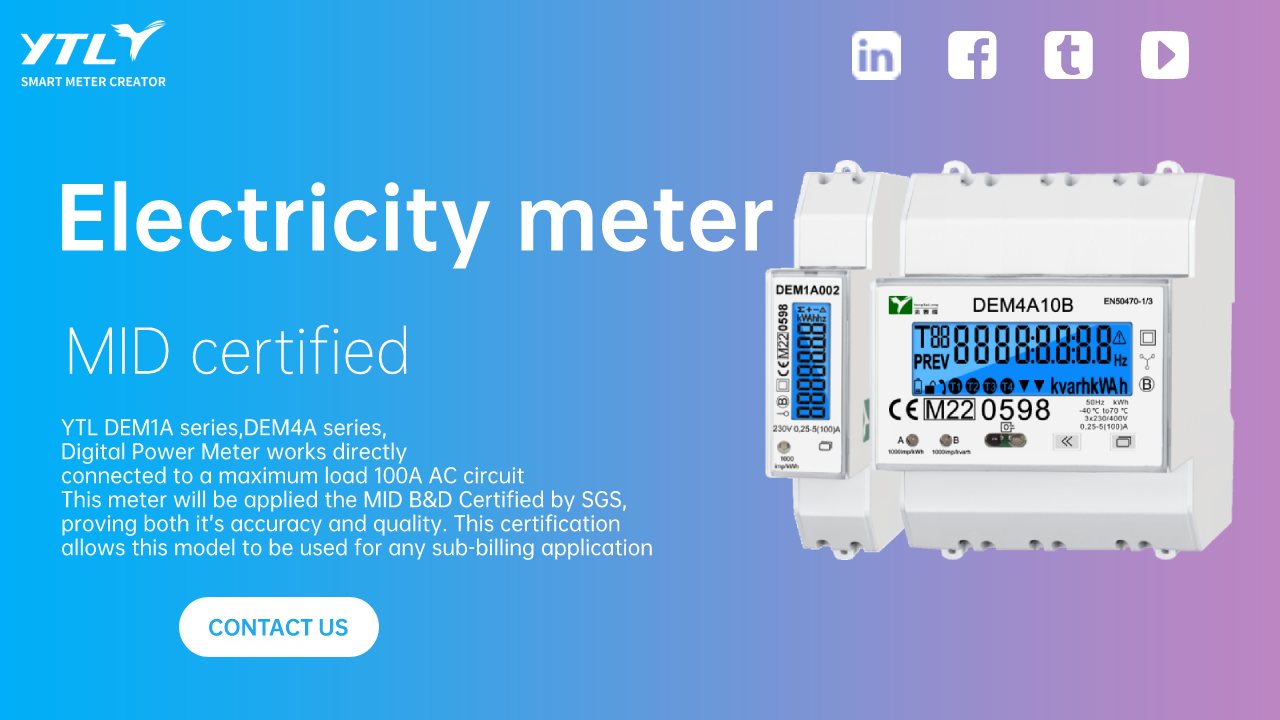
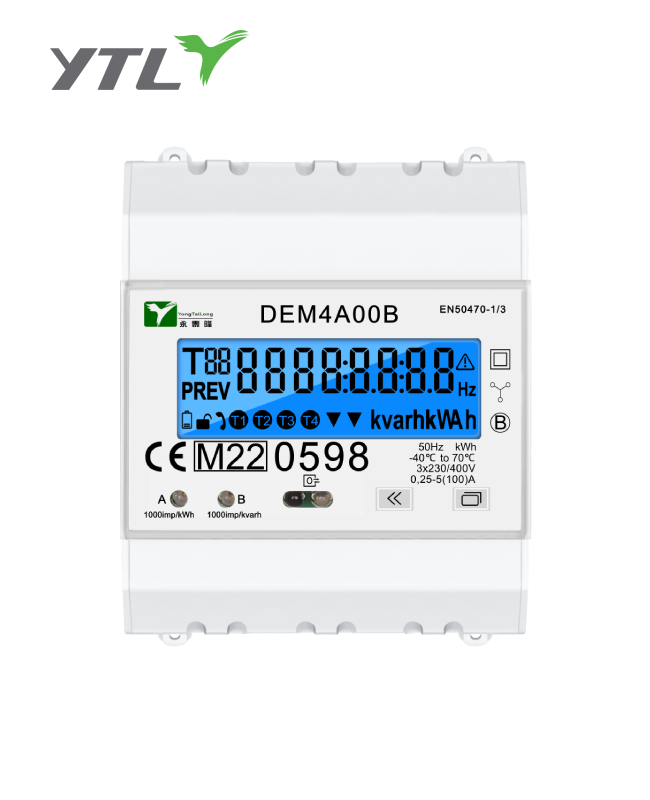
In the context of global trade and integration of technical standards, energy metering equipment entering the EU market must comply with a strict and unified legal and regulatory system, with MID certification being the essential. MID is the abbreviation of the European Union's "Directive on Measuring Instruments", which sets the legal technical and management framework for measuring equipment related to public interests. The MID meter is an energy meter designed, manufactured, and certified specifically to meet the requirements of this directive. It is not only a product category, but also the fundamental guarantee that its measurement results have legal effect in the European Union and regions that recognize this standard. It is a mandatory passport for fair energy trade and settlement.
The Legal Positioning and Core Objectives of MID Directive
The MID Directive has legal binding force at the EU level, covering a variety of measuring instruments used for public transactions, with electricity meters being a crucial category. The core objective of this directive is to establish and maintain a unified metrology market, ensuring that all metrology equipment recognized by member states meets predetermined and extremely high accuracy and reliability standards. Its fundamental role is to promote the free flow of metrological products within the European Union by eliminating technical trade barriers that may arise from different national regulations among member states. The deeper significance lies in its protection of the legitimate rights and interests of all market participants, ensuring that both buyers and sellers of electricity can settle based on a common trust and accurate measurement benchmark, thereby maintaining fairness, justice, and transparency in the energy market. This makes MID certification beyond ordinary commercial voluntary certification and has the mandatory attribute of an entry threshold.
The Core Connotation and Technical Foundation of MID Certification
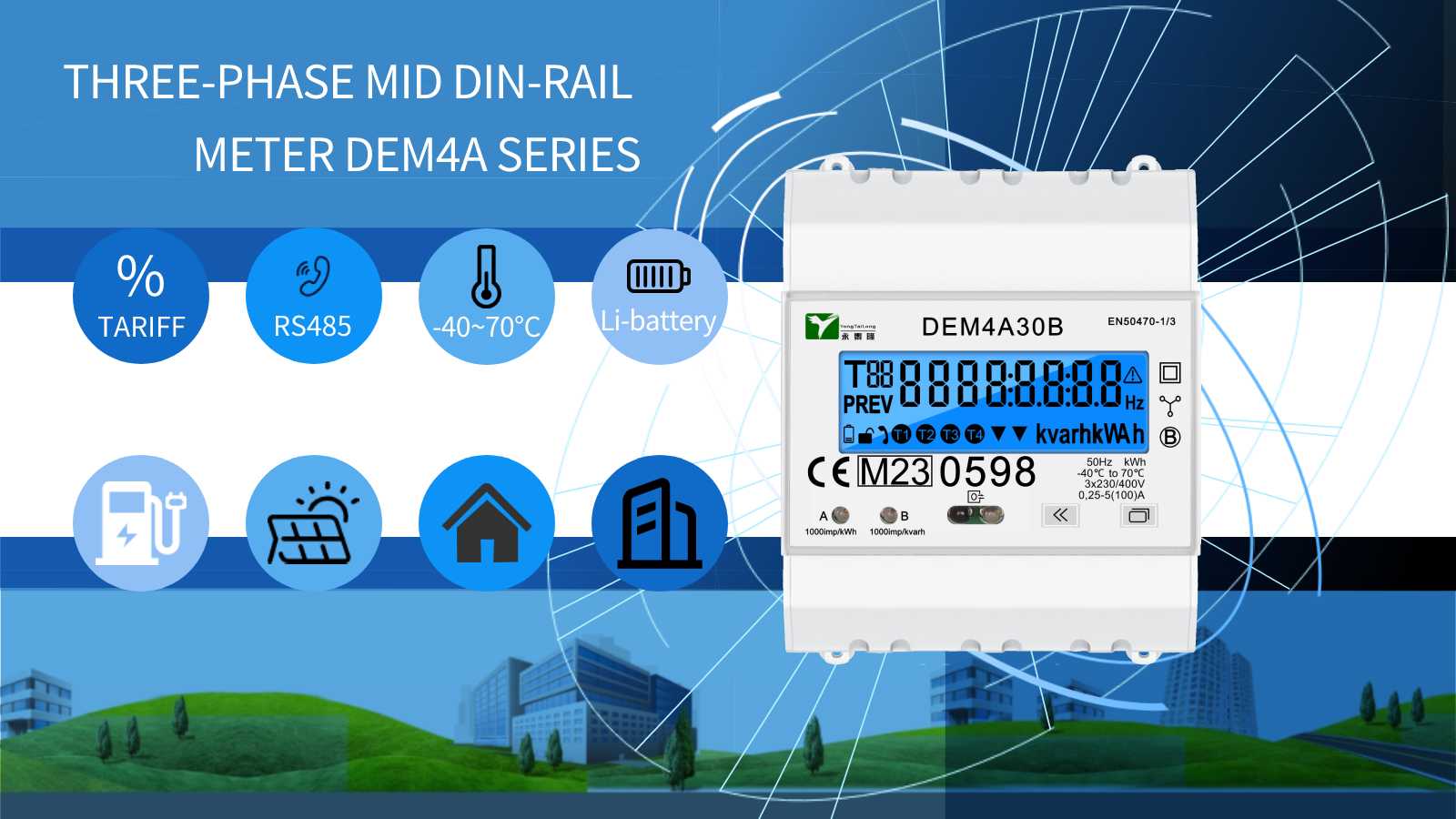
The process of MID certification is a comprehensive and extremely rigorous assessment of technical and legal compliance. Its core connotation goes far beyond one-time accuracy testing of electric meters in ideal laboratory environments, but runs through the entire lifecycle of the product, covering comprehensive supervision from design, production and manufacturing to continuous stability. At the technical level, the certification body will conduct a thorough review of the design scheme of the electricity meter to ensure that its principles and structure can meet the stringent requirements of the directive regarding accuracy level, environmental adaptability, electromagnetic compatibility, and long-term stability. Electricity meters must demonstrate their performance in more rigorous real-world simulation tests, such as being able to strictly control their measurement errors within the extremely narrow range permitted by regulations under complex conditions such as wide temperature ranges, humidity fluctuations, and electromagnetic interference.
More importantly, MID certification emphasizes continuous supervision of the manufacturer's quality system. Manufacturers must establish and effectively operate a factory quality control system that ensures continuous product consistency. This means that obtaining certification is not just about a sample product, but also about the "ability" and "system" to produce that model of product. The certification body will conduct factory audits without prior notice, directly extracting electricity meters from the production line or market for review testing to ensure that each MID electricity meter put on the market has the same metrological performance and reliability as the initially certified sample. This full process management mode that runs through design, production, and supervision is the technical cornerstone of MID certification credibility.
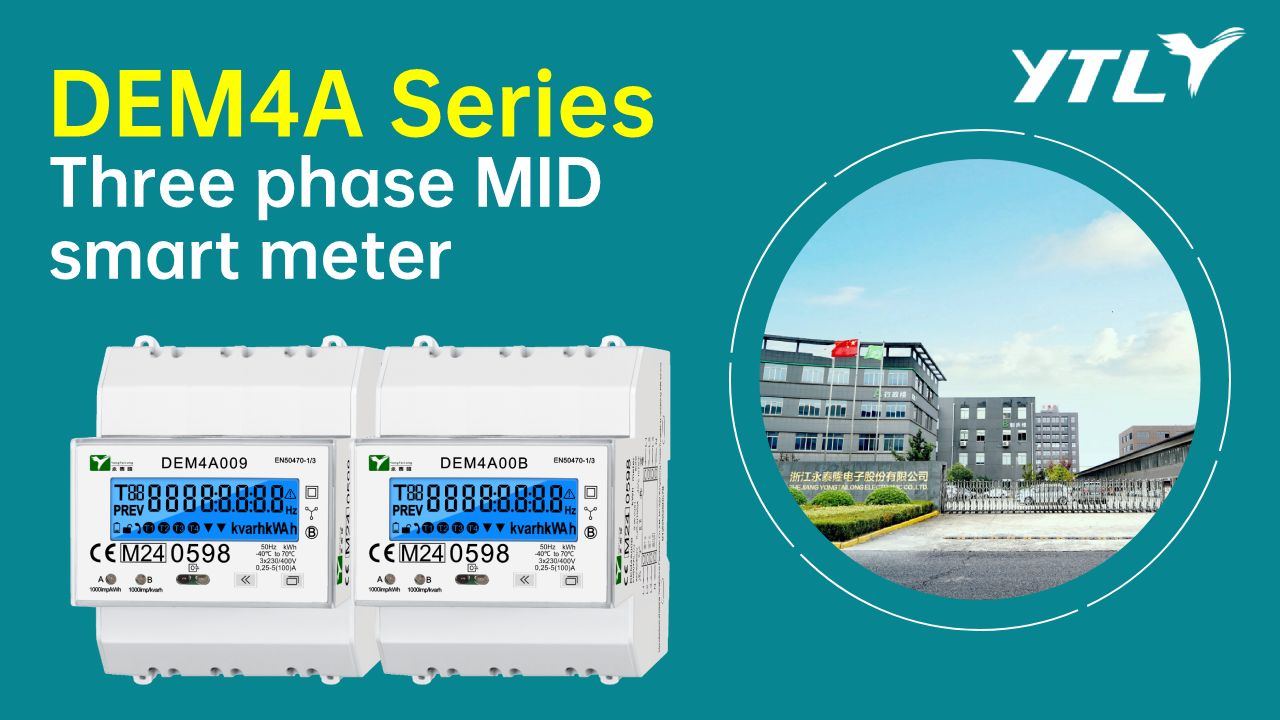
The key role and market value of MID meters
The core function of MID meters is to give legal effect to energy measurement data. For power companies, energy suppliers, and users who have self generated electricity and are connected to the grid, the use of MID certified electricity meters for settlement is only recognized by laws, regulations, and regulatory agencies as the legal basis for electricity bill settlement, subsidy distribution, or energy trade. Without this certification, even if the accuracy of the electricity meter is high, its data cannot be used for official settlements involving public interests, making it an essential key to opening up and participating in the EU energy market. For end users, whether they are industrial and commercial enterprises or ordinary households, MID meters are the cornerstone of trust to protect them from measurement disputes and achieve fair billing. It ensures that users pay accurate fees for every kilowatt hour of electricity consumed, and also ensures that distributed energy owners receive the appropriate compensation for every kilowatt hour of green electricity they deliver to the grid. Therefore, MID meters are not only a symbol of compliance, but also a key infrastructure for establishing market trust, ensuring trade fairness, and promoting sustainable energy development.
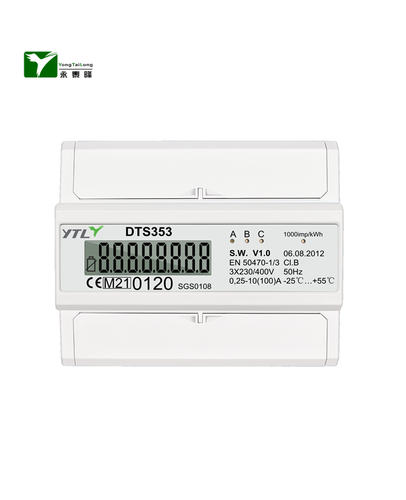
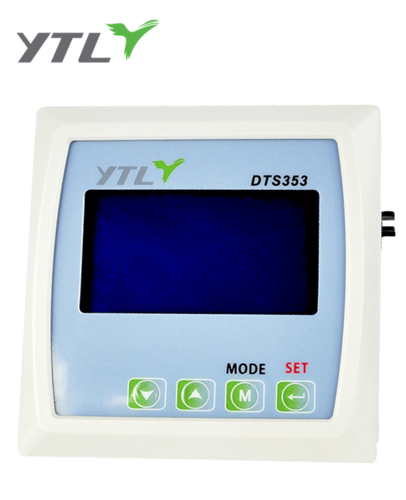
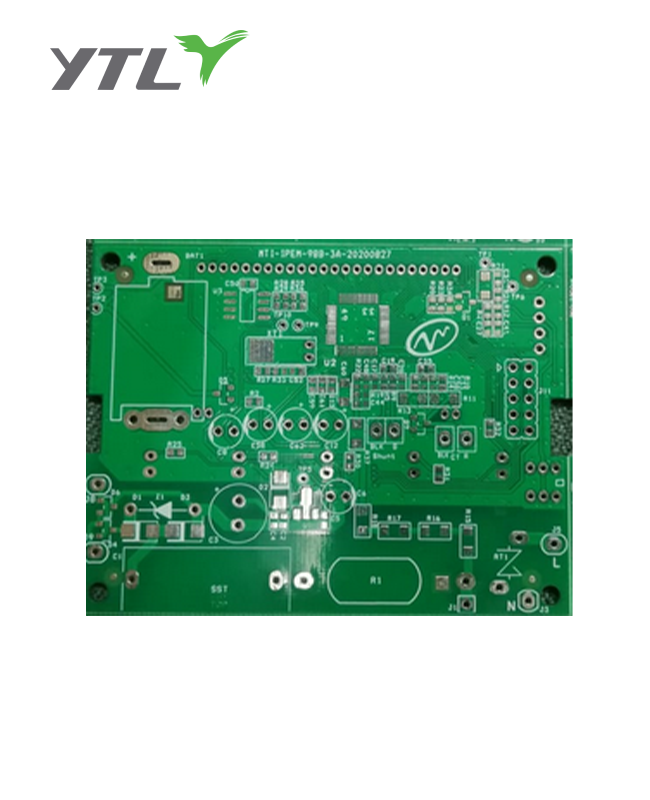
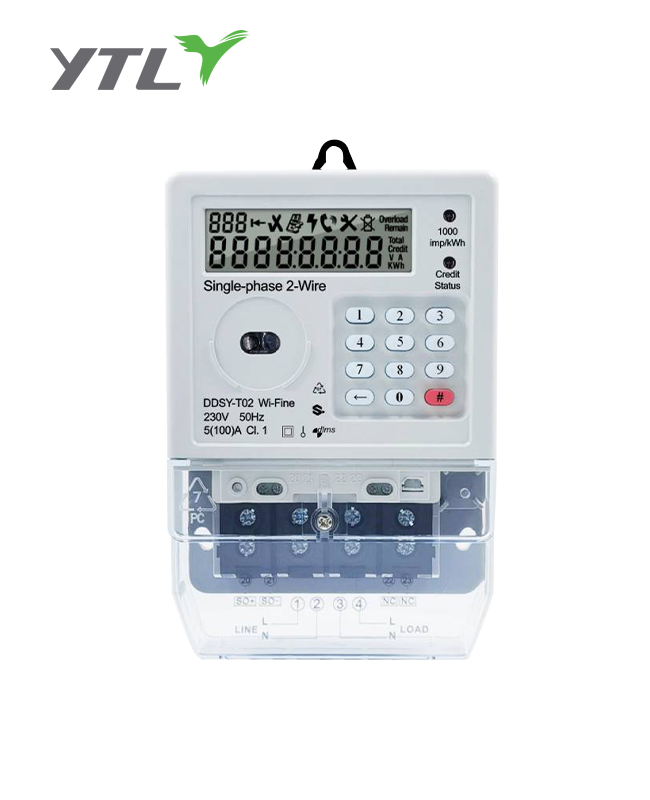
.png?imageView2/2/w/500/h/500/format/png/q/100 "YTL STS Prepaid Wi-Fine Energy Meter Single Phase Wall")
.jpg?imageView2/2/w/500/h/500/format/png/q/100 "YTL Company DTS353C DIN Rail 3P 4 Model Electricity Meter MID")