
 English
 简体中文
简体中文



In the past, manual meter reading was the main way to record electricity consumption, and meter readers had to go door-to-door, which not only consumed a lot of manpower and time, but could also lead to data bias due to human errors. With the popularization of smart meters, remote meter reading function has gradually replaced the traditional mode and become the mainstream way of electricity metering. This function achieves automatic collection and transmission of electricity consumption through technological means, which not only improves meter reading efficiency but also ensures data accuracy, bringing many conveniences to users and power departments.
Basic principles of remote meter reading function
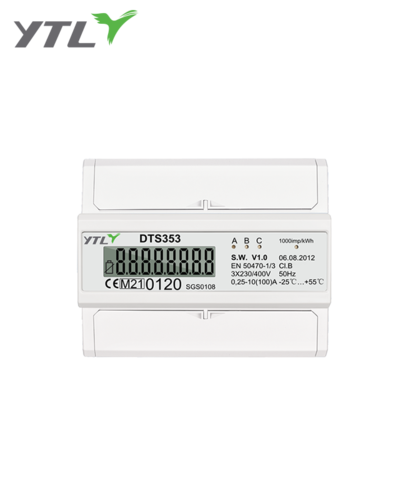
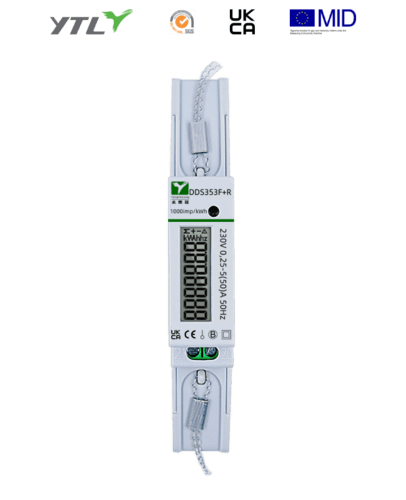
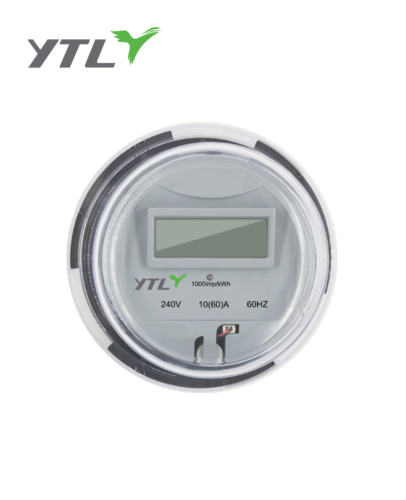
The remote meter reading function of smart meters essentially achieves automated management of electricity consumption through the process of "data collection transmission processing". Firstly, the metering module inside the smart meter will record real-time electricity consumption data, including current, voltage, electricity consumption, and other information at every moment. These data will be converted into digital signals and stored in the built-in chip of the meter.
Next, the electricity meter transmits these digital signals through the communication module. There are various common communication methods, such as using power line carrier technology to transmit data through the wires themselves without the need for additional wiring; Data can also be sent to a remote management platform through wireless communication technologies such as Bluetooth, Wi Fi, 4G/5G, or dedicated IoT communication protocols. Regardless of the method used, the core is to ensure that data can be transmitted from the electricity meter to the backend system stably and quickly.
Finally, after receiving the data, the remote management platform will automatically organize, analyze, and store the data to generate the user's electricity consumption report. Staff can view the electricity consumption data of all users through the platform, and users can also check their electricity consumption and bill information at any time through mobile apps, online business halls, and other channels. The entire process does not require manual intervention, achieving full automation of meter reading.
The core advantages of remote meter reading function
Compared to traditional manual meter reading, remote meter reading has significant advantages in efficiency, accuracy, and convenience. Firstly, it is necessary to improve the efficiency of meter reading. Manual meter reading requires meter readers to visit each area and household, and multiple round trips are required when users are not at home, which is time-consuming and labor-intensive; Remote meter reading can simultaneously collect data from a large number of users' electricity meters, and can complete meter reading for a region or even a city within a few minutes, greatly reducing meter reading time and lowering the operating costs of the power sector.
Secondly, it is important to ensure the accuracy of data. Manual meter reading is prone to errors in reading numbers, recording, and estimating readings, which may lead to inaccurate electricity bill calculations and disputes for users; Remote meter reading automatically collects data from the electricity meter and directly transmits it to the system, avoiding interference from human factors. The data error rate is extremely low, ensuring the fairness and accuracy of electricity consumption measurement.
Furthermore, remote meter reading brings higher convenience to users. Users no longer need to wait for meter readers to come to their homes, nor do they need to rely on paper bills to understand their electricity usage. They can simply view real-time electricity usage data, historical electricity trends, and electricity bill details at any time through their mobile phones or computers, and have a clear understanding of their electricity usage habits. At the same time, remote meter reading supports real-time billing and electricity bill warning functions. When the user's electricity bill balance is insufficient, the system will automatically send reminders to avoid power outages caused by arrears and improve the user's electricity experience.
Security measures for remote meter reading function
The remote meter reading function involves a large amount of users' electricity consumption data and privacy information, so data security and privacy protection are key. In order to ensure the security of data during transmission and storage, the power sector and meter manufacturers have taken multiple safeguard measures.
In the data transmission process, encryption technology is used to protect the data, such as using dedicated encryption protocols to encrypt the transmitted digital signals. Even if the data is intercepted during transmission, it cannot be cracked or tampered with. At the same time, the communication network will set strict access permissions, and only authorized devices and personnel can access to prevent illegal intrusion and data theft.
In the data storage stage, the remote management platform will be deployed on servers with higher security levels, equipped with protective devices such as firewalls and intrusion detection systems to prevent servers from being attacked. The user's electricity consumption data will be stored and managed in accordance with relevant regulations, with strict restrictions on data access. Only authorized personnel can view and process the data to ensure that user privacy is not compromised.
In addition, the electric meter itself also has certain security protection capabilities, such as tamper proof function. When someone attempts to disassemble, modify the electric meter or interfere with data collection without authorization, the electric meter will automatically record abnormal situations and send alarm signals to the remote platform. The power department can promptly detect and deal with such violations, ensuring the normal order of electricity metering.
The future development direction of remote meter reading function
With the continuous advancement of technology, the remote meter reading function of smart meters is also constantly upgrading, and it will develop towards a more intelligent and comprehensive direction in the future. On the one hand, remote meter reading will be deeply integrated with energy management functions, not only collecting electricity consumption data, but also synchronously monitoring electricity quality, such as voltage stability, harmonic content, etc., providing users with more comprehensive electricity analysis, helping users optimize their electricity consumption methods, and achieve energy conservation and consumption reduction.
On the other hand, remote meter reading will be better integrated into the smart grid and IoT system, achieving interconnectivity with other smart devices. For example, remote meter reading data can be linked with smart home systems to automatically adjust the operating status of household appliances based on users' electricity habits; It can also be combined with the power grid dispatch system to help the power sector more accurately grasp changes in electricity load, optimize power grid operation, and improve the stability and economy of power supply.
The remote meter reading function of smart meters has changed the traditional electricity metering mode through technological innovation, playing an important role in improving efficiency, ensuring accuracy, and protecting safety. With the further development of future technology, this feature will bring more value to users and the power sector, driving electricity management towards a more intelligent and efficient direction.