
 English
 简体中文
简体中文



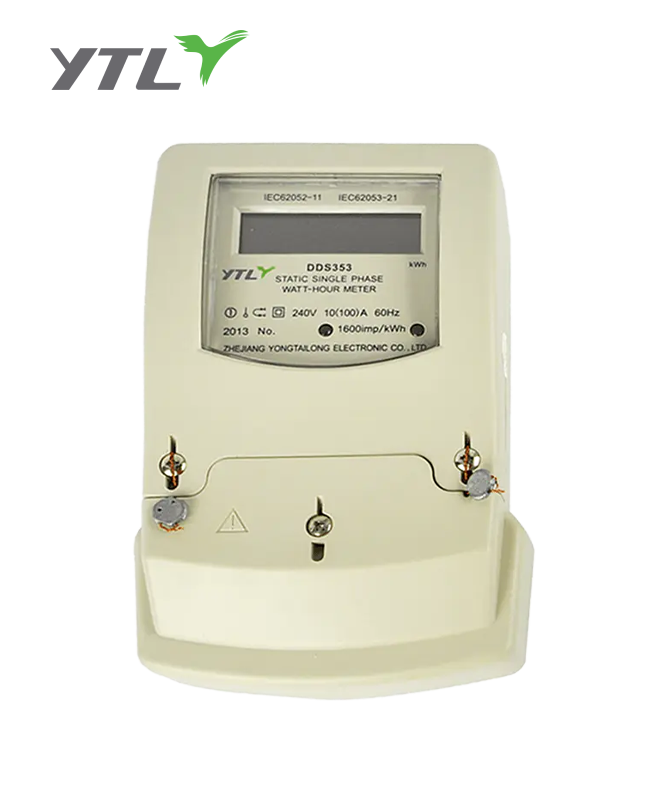
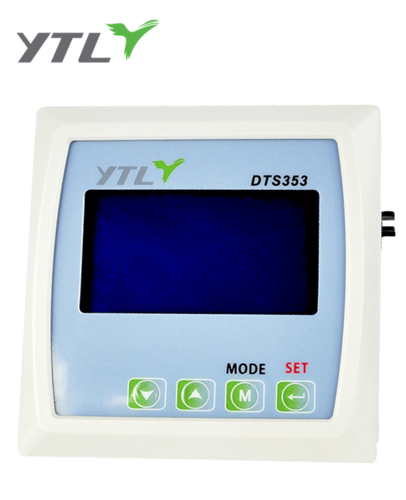
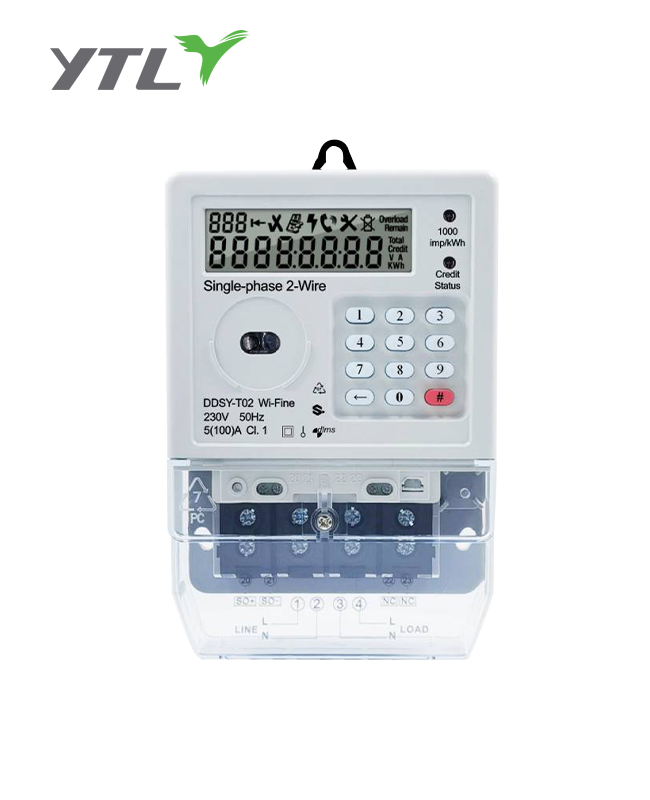
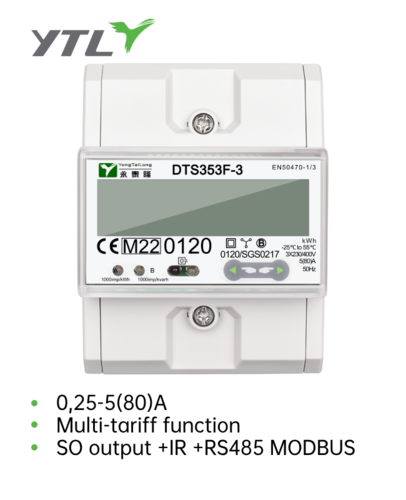
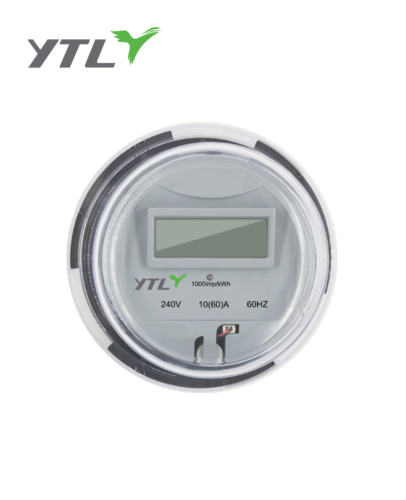
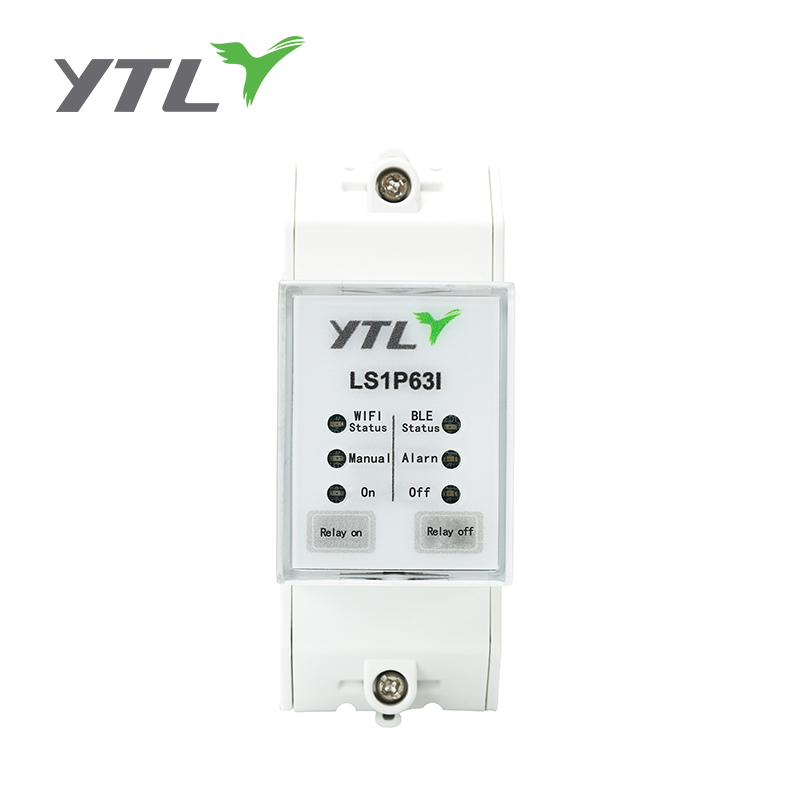
As the core sensor of energy management, the value of smart meters far exceeds that of traditional measuring tools. Through the triple capabilities of real-time data collection, edge computing and system interconnection, it builds a digital image of energy flow for enterprises, and realizes the paradigm shift from fuzzy perception to precise control.
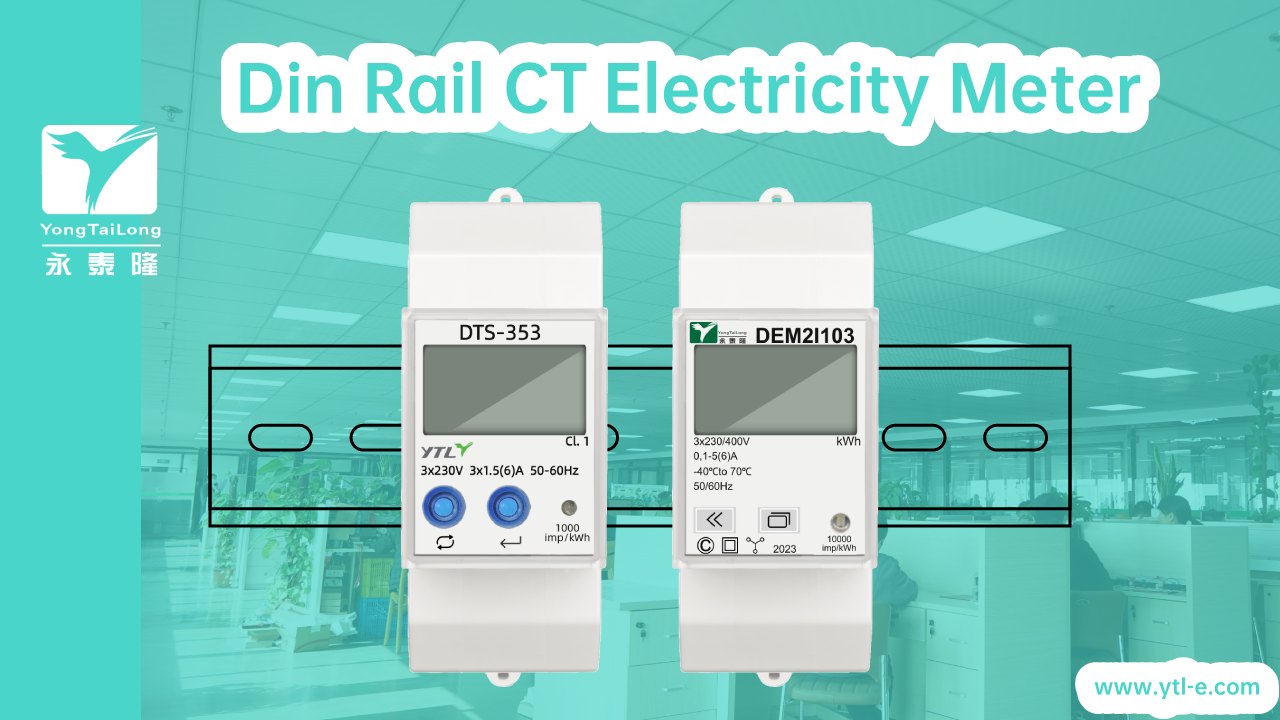
Energy Transparency: Penetrating the Black Box of Energy Consumption
Traditional energy management is like sailing in a fog - one can only know the overall results through monthly electricity bills, but cannot know the specific process and distribution of energy consumption. Smart meters collect data at a frequency of minutes or even seconds, decomposing total energy consumption into production lines, equipment, and even process levels. It continuously monitors over 20 parameters such as voltage, current, power, and power factor, generates dynamic load curves, and accurately exposes hidden waste such as no-load losses, standby energy consumption, and inefficient operation. This transparency capability enables managers to clearly answer key questions: how much electricity does each device actually consume? When is the peak electricity consumption period? Where are the energy efficiency loopholes hidden? Thus providing precise targeted targets for energy optimization.
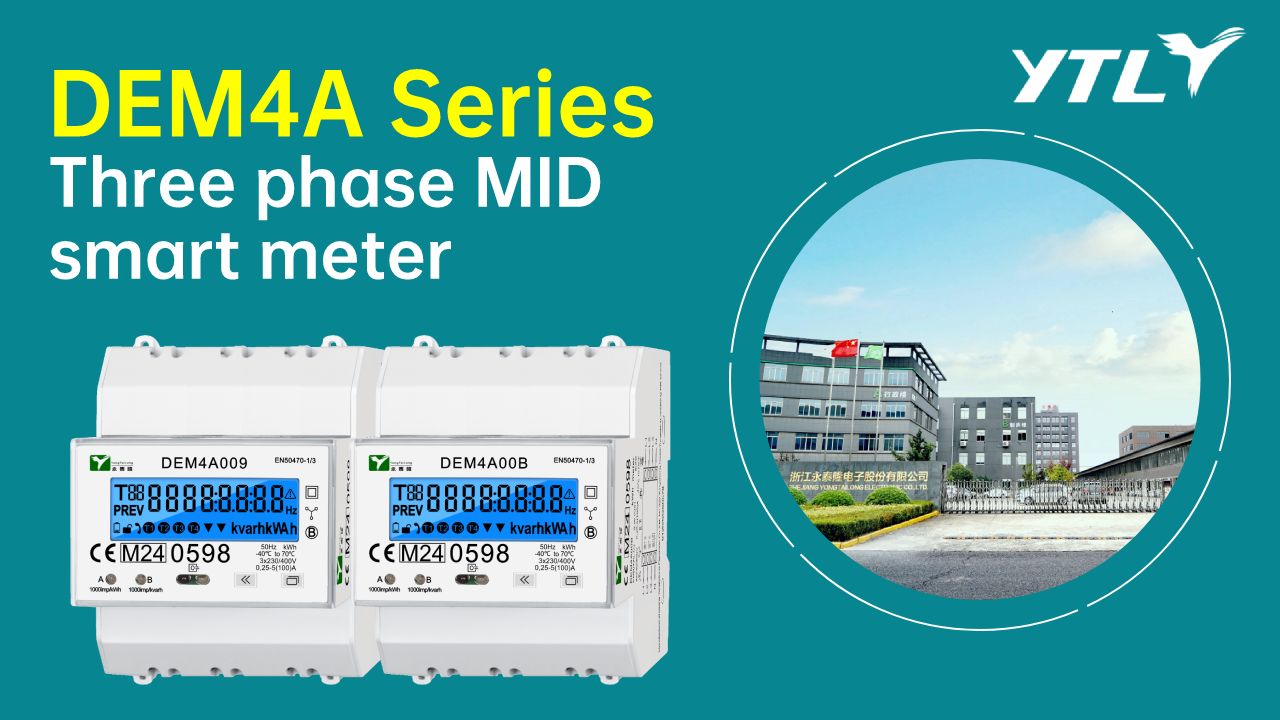
Refined cost control: Beyond simple power saving
The core value of smart meters lies in deepening the energy-saving orientation to the cost structure level. Industrial electricity bills usually consist of three parts: basic electricity bills, power regulation electricity bills, and electricity bills. Smart meters achieve precise control over various aspects: demand forecasting function is based on historical load machine learning, automatically warning when power approaches the contracted capacity, guiding load scheduling to avoid penalties for exceeding the limit; Real time monitoring of power factor and linkage of reactive power compensation device, stabilizing the PF value above 0.95 and eliminating power regulation electricity expenses; The automatic generation of peak, off peak, and valley electricity consumption reports from time-sharing measurement data provides decision-making basis for adjusting production shifts and utilizing low-priced periods. This refined control not only reduces electricity consumption, but also optimizes overall energy expenditure from the perspective of electricity price structure.
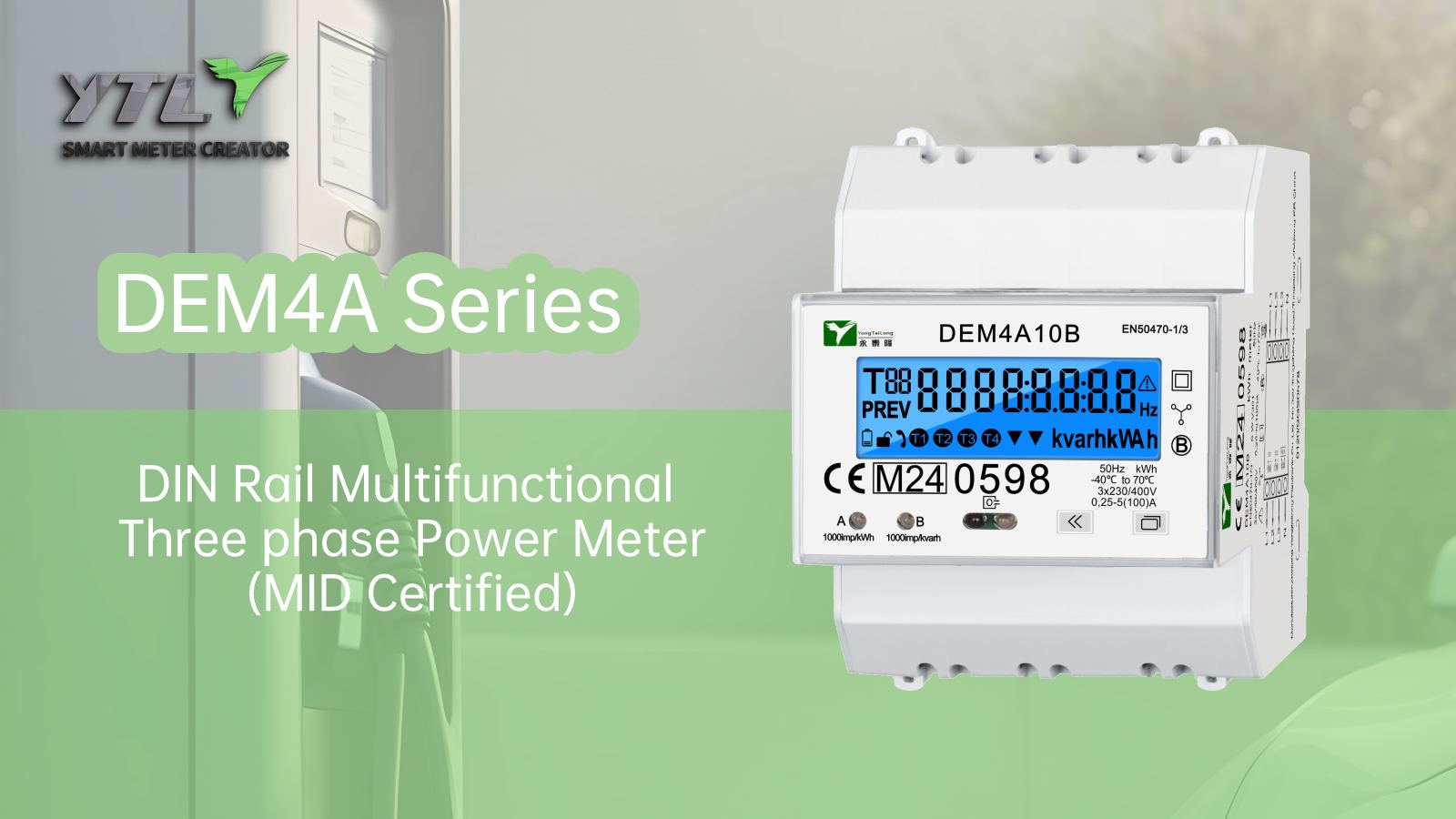
Proactive Security Protection: Moving Risk Warning Forward
Electrical risk prevention and control has shifted from passive response to active interception. The smart meter is equipped with a multi-dimensional diagnostic module: temperature monitoring function tracks the heating status of the wiring terminals in real time, and issues a warning before the temperature exceeds 65 ℃; Leakage current detection captures the trend of insulation degradation in the line with an accuracy of 10mA; Voltage sag recording function (compliant with IEC 61000-4-30 standard) accurately records the duration and amplitude of events, providing evidence for sensitive equipment fault claims; Harmonic analysis capability can identify high-order harmonic pollution generated by frequency converters and rectification devices, and prevent power grid resonance accidents from occurring. These functions together build the digital immune system of the electrical system, significantly reducing the probability and losses of safety accidents.
Intelligent operation and maintenance management: improving resource efficiency
Smart meters significantly improve energy operation and maintenance efficiency and quality. The remote automatic meter reading function completely replaces manual on-site recording, reduces labor costs, and eliminates transcription errors; Automatically generate diagnostic reports from power quality monitoring data, accurately locate the causes of anomalies such as harmonic sources and voltage fluctuations; Equipment energy efficiency baseline analysis automatically identifies performance degradation trends and prompts maintenance requirements by comparing historical data. These intelligent capabilities transform energy managers from data collectors to analytical decision-makers, focusing on value creation rather than basic transactional work.
System integration hub: breaking down information silos
As a key node in the energy Internet of Things, smart meters promote data fusion and system collaboration. Through standard communication protocols such as Modbus and DLMS/COSEM, smart meters are linked with building automation systems to achieve on-demand adjustment of lighting and air conditioning; Interacting with the Manufacturing Execution System (MES) to optimize equipment energy efficiency parameters; Collaborate with the photovoltaic monitoring platform to develop the self use strategy. This integration capability enables energy data to be integrated into the overall operational decision-making of the enterprise, supporting advanced management activities such as carbon footprint tracking, energy budgeting, and equipment renewal planning.
Smart meters are redefining the boundaries and depth of energy management. It has evolved from a simple measuring instrument to an energy perspective mirror, cost control valve, safety guardian, and decision support center for enterprises. Against the backdrop of intensified energy price fluctuations and approaching carbon neutrality targets, this ability has become an important component of a company's core competitiveness - because true energy transformation begins with precise understanding and intelligent control of energy flows.