
 English
 简体中文
简体中文



As a measuring and monitoring device specifically designed for DC circuits, the biggest difference between DC meters and common AC meters is that they can accurately capture changes in DC current and voltage, and are suitable for DC power consumption scenarios where the current direction is fixed and the voltage is relatively stable. With the development of new energy, industrial automation and other fields, the application of DC power supply systems is becoming increasingly widespread, and DC meters have become indispensable key equipment in these scenarios. From energy production to industrial manufacturing, and even to power supply for special equipment, wherever there is a DC circuit, the figure of a DC meter can be seen. Its adaptation scenarios can revolve around the entire chain of "generation, transmission, and use" of DC electrical energy.

New energy generation scenario: precise measurement of direct current energy output
In new energy generation systems represented by photovoltaics and wind energy (with some supporting energy storage), the core power generation process generates direct current electricity - for example, solar panels directly convert light energy into direct current electricity, which determines that direct current meters must be used for energy measurement and monitoring in this scenario.
In the new energy generation system, DC meters are mainly used for two key links: first, the measurement of electrical energy at the power generation end, that is, real-time recording of the total amount and power changes of DC electrical energy generated by solar panels and wind turbines (when equipped with DC output modules), helping operators to grasp the power generation efficiency and analyze the energy output rules under different lighting and wind speed conditions; The second is the monitoring of charging and discharging in the energy storage process. New energy generation is greatly affected by natural conditions, and there are fluctuations in electricity output. It usually requires supporting energy storage batteries to store excess electricity. DC meters can monitor the charging current, voltage, and charging amount of energy storage batteries, as well as the electricity output during discharge, to ensure the safety and efficiency of the charging and discharging process and avoid the impact of overcharging and overdischarging on battery life. In addition, DC meters can also monitor the stability of DC bus voltage and current in the power generation system, timely detect line losses or equipment failures, and ensure the stable operation of the entire power generation system.

Industrial automation and equipment power supply scenario: ensuring stable operation of DC equipment
In industrial production, many core equipment rely on DC power supply to function properly, such as servo motors in automated production lines, precision instruments (such as electronic testing equipment, semiconductor manufacturing equipment), electroplating equipment, etc. These devices require extremely high stability and purity of power supply, and DC meters play the roles of "monitor" and "guardian" in this scenario.
On the one hand, DC meters can monitor in real-time the DC circuit parameters that supply power to these devices, including current magnitude, voltage fluctuations, power changes, etc., to ensure that the power supply parameters always meet the rated requirements of the equipment - if the voltage is too high, it may burn out the internal components of the equipment; If the current is insufficient, it may cause equipment operation to lag and accuracy to decrease. Real time monitoring of the DC meter can enable operation and maintenance personnel to detect parameter abnormalities in a timely manner and quickly adjust the power supply system. On the other hand, some industrial DC equipment may generate harmonic or interference signals during operation. High quality DC meters have a certain anti-interference ability, which can filter interference signals and ensure the accuracy of measurement data. At the same time, by monitoring the waveform changes of current and voltage, they can indirectly determine whether the equipment has operational faults. For example, sudden pulse like fluctuations in current may indicate poor contact or aging of components inside the equipment, providing early warning for equipment maintenance.

Transportation and communication equipment scenario: adapted to mobile and backup DC power supply
In the fields of transportation and communication, DC power supply is an important way to ensure the normal operation of equipment, especially for mobile devices and backup power supply systems. The demand for DC energy measurement and monitoring is urgent, and DC meters play a key role in this scenario.
In the field of transportation, the charging system of electric vehicles (such as electric cars and electric forklifts) and the traction power supply system of rail transit (such as subways and light rails) all use DC power supply mode. A DC meter can be used to monitor the current, voltage, and charging amount during the charging process, ensuring safe charging and avoiding battery damage caused by abnormal charging parameters; At the same time, in the DC traction system of rail transit, the DC meter can monitor the power supply current and voltage of the traction motor, helping operation and maintenance personnel grasp the energy consumption of the train during operation and optimize the power supply efficiency of the traction system. In the field of communication, backup power sources (such as battery packs) for communication base stations and data centers usually use DC power supply. When the mains power is interrupted, the backup battery pack will supply power to the core equipment. The DC meter can monitor the discharge current and remaining power of the backup power source, accurately determine the battery life of the backup power source, and ensure that operation and maintenance personnel can replace or charge it in a timely manner to avoid communication interruption.
The adaptation scenario of DC meters is essentially centered around the measurement, monitoring, and safety assurance of DC electrical energy. Whether it is energy recording for new energy generation or power supply monitoring for industrial equipment, the core is to utilize the adaptability and accuracy of DC meters to DC circuits to ensure stable and efficient operation of DC power supply systems. With the application of DC power supply technology in more fields, the applicability of DC meters will further expand and become an indispensable tool in energy management and equipment operation.
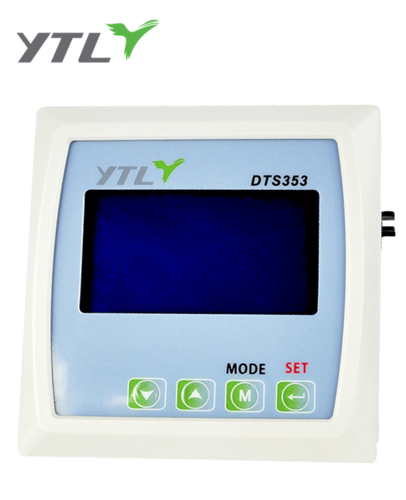
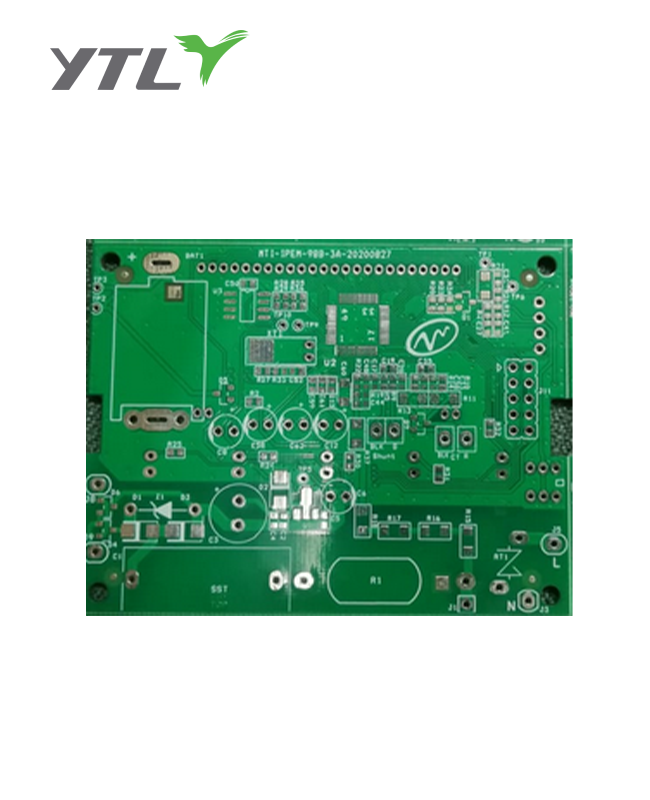
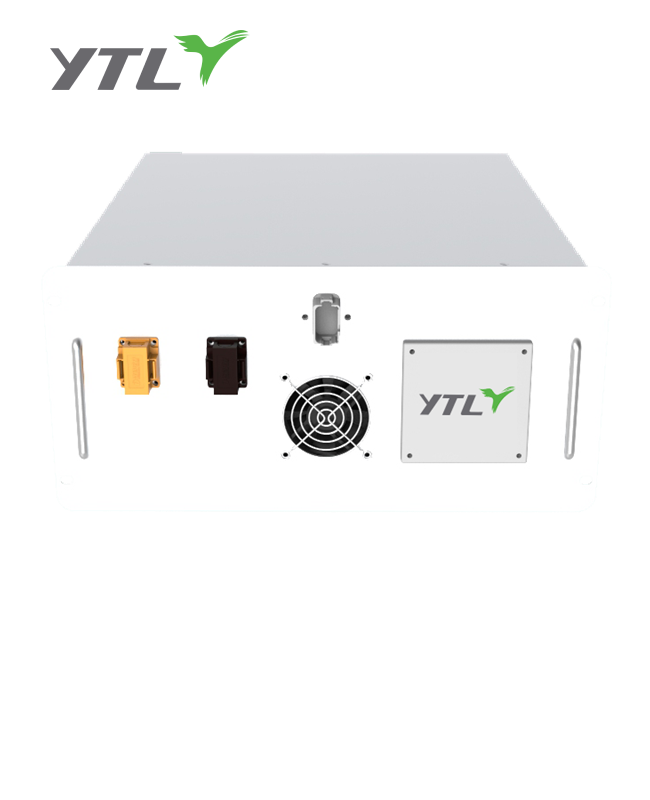
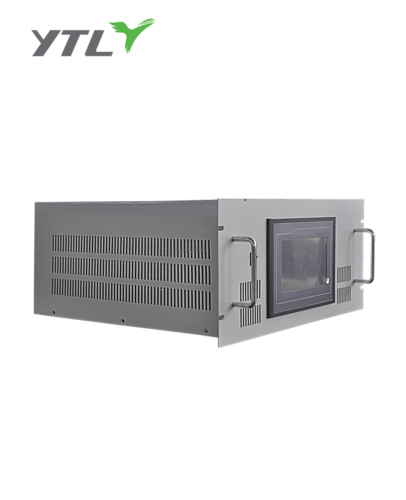
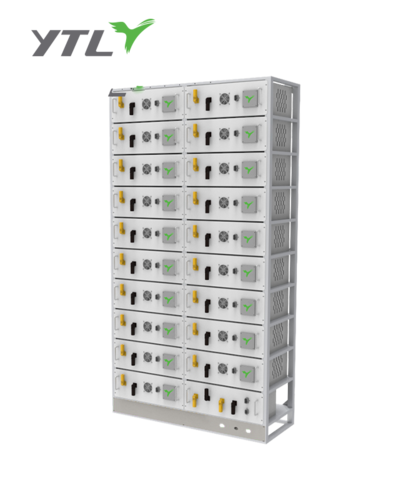
.png?imageView2/2/w/500/h/500/format/png/q/100 "YTL Two Phase Three Wire Big counter Electricity Meter")