
 English
 简体中文
简体中文



A Manufacturer's Clarification on High Bill Concerns Following Installation
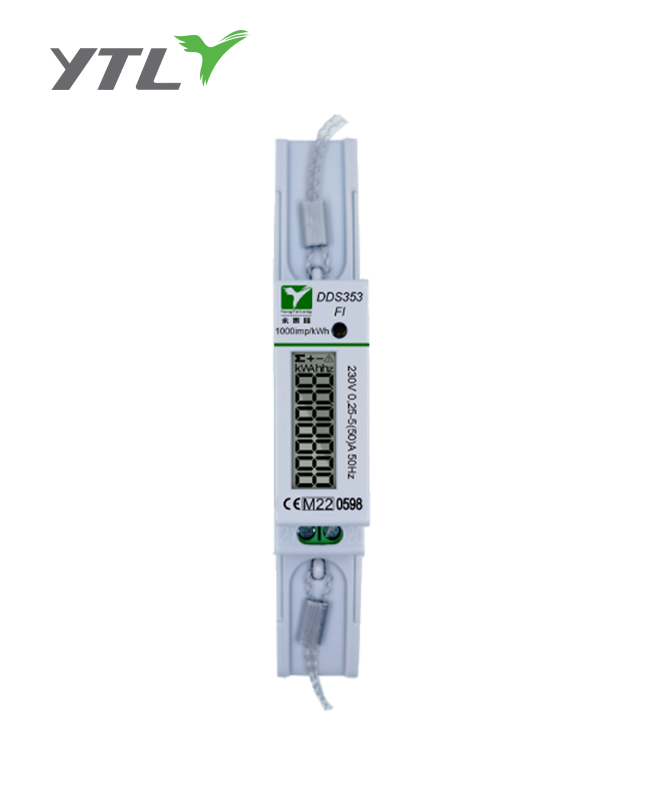
As a leader in Advanced Metering Infrastructure (AMI) solutions, we recognize the recent public discussion regarding perceived increases in electricity bills following the installation of a Smart Meter. It is a crucial matter of customer trust and transparency. We want to be clear: the function of a Smart Meter is to measure usage with certified accuracy, not to increase your consumption or artificially inflate your bill.
In the vast majority of cases, a change in billing perception is rooted in one of three primary factors—all related to a shift from estimated or inaccurate energy recording to precise, real-time measurement and billing.
I. The True Culprit: The Inherent Inaccuracies of Analog Meters
The most common reason a bill appears higher after a smart meter installation is that the old mechanical (analog) meter was simply under-recording usage for years.
1. The Wear-and-Tear Factor
Traditional electromechanical meters rely on a spinning disk and physical gears. Over their typical 15-20+ year lifespan, components can suffer from wear, friction, and environmental contamination. This degradation typically causes the disk to spin slower than it should, resulting in a negative error—meaning the utility was under-billing you for the electricity you actually consumed.
2. Low-Load Inefficiency (The "Phantom Load" Effect)
Older meters often lack the necessary sensitivity to accurately measure very low current draw. Modern homes, however, are filled with devices that consume "vampire" or "phantom" power (TVs on standby, constantly plugged-in chargers, routers). A digital Smart Meter uses highly sensitive microelectronics to capture every kilowatt-hour ($\text{kWh}$) used, including these small but continuous "always-on" loads that an old analog meter may have ignored or missed.
Our Precision Standard: Smart Meters are factory-calibrated and tested to meet or exceed national and international regulatory standards for accuracy (typically $\pm 1.0%$ or better) across their entire operating range. When a new, highly accurate Smart Meter replaces a slow, aging analog one, the resulting bill simply reflects your true, non-estimated consumption.
II. Billing Estimates and Tariff Structure Shifts
Beyond the meter's physical accuracy, two key changes in the billing process often coincide with a Smart Meter installation:
1. Elimination of Estimated Billing
Before a Smart Meter, many utilities relied on estimated readings between infrequent manual visits. If the utility underestimated your consumption for several months, the final bill following the Smart Meter installation will include the true, accumulated deficit from the old period. This is not new consumption; it is past consumption finally being accounted for.
2. Time-of-Use (TOU) Tariff Enrollment
The primary driver of higher bills, even with the same consumption, is often a change in the rate structure. Smart Meters enable Time-of-Use (TOU) tariffs, where the price of electricity varies based on the time of day (e.g., peak, shoulder, and off-peak).
- The Change: Under an old, flat-rate tariff, running the dishwasher at 5 PM cost the same as running it at 1 AM.
- The TOU Impact: If a household continues its high-usage habits (like cooking and running the laundry) during the new Peak hours (when the rate is highest), their total bill will increase even if the total $\text{kWh}$ consumed remains identical.
The meter is accurately recording when the power was used, allowing the utility to apply the correct, but potentially more expensive, rate for that time slot.
III. Empowering the Consumer: The Smart Meter's True Value
We believe the initial surprise of a higher bill is a valuable, albeit challenging, step toward smarter energy management. The Smart Meter is fundamentally a tool for empowerment that traditional meters could never offer.
| Smart Meter Feature | Consumer Benefit |
|---|---|
| Real-Time Data Access | Users can instantly see the cost of turning on an appliance, leading to immediate behavioral changes. |
| Usage Visibility | The data identifies "energy hogs" and phantom loads, allowing consumers to proactively unplug or replace inefficient devices. |
| TOU Optimization | Consumers can intentionally shift high-load activities (e.g., laundry, charging EVs) to cheaper off-peak hours, directly lowering their monthly cost. |
| Fault Detection | High sensitivity can flag unusual, continuous usage patterns—often indicating internal wiring faults or appliance malfunctions (like a leaky water heater)—that would otherwise go undetected for months. |
In summary, a modern Smart Meter is not an instrument of overcharging; it is an instrument of truth. It provides the accurate, granular data necessary to manage your energy consumption proactively. We encourage any customer concerned about their bill to utilize the real-time data provided by their utility's corresponding apps or in-home displays to transform their consumption habits and realize the long-term savings the technology is designed to deliver.
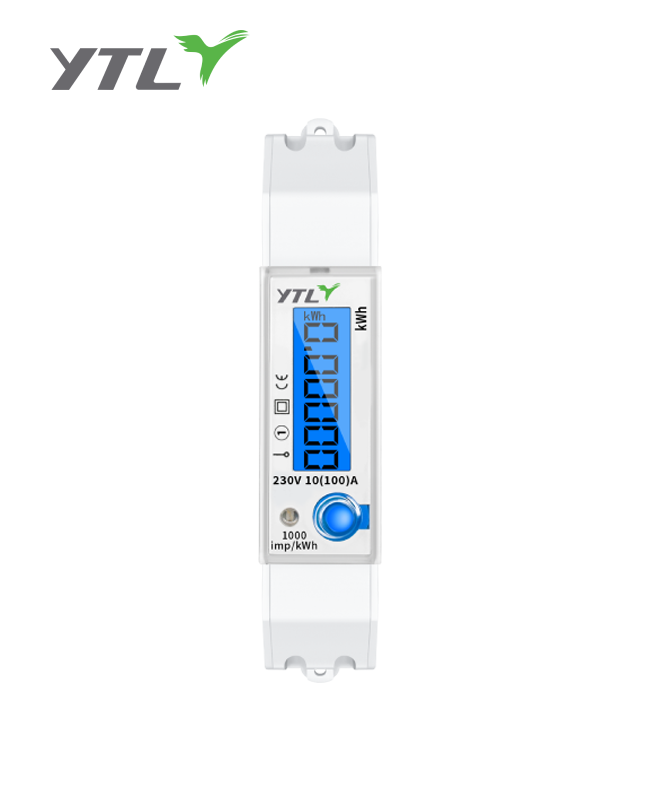
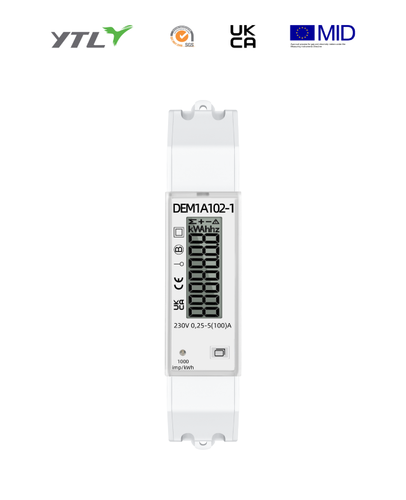
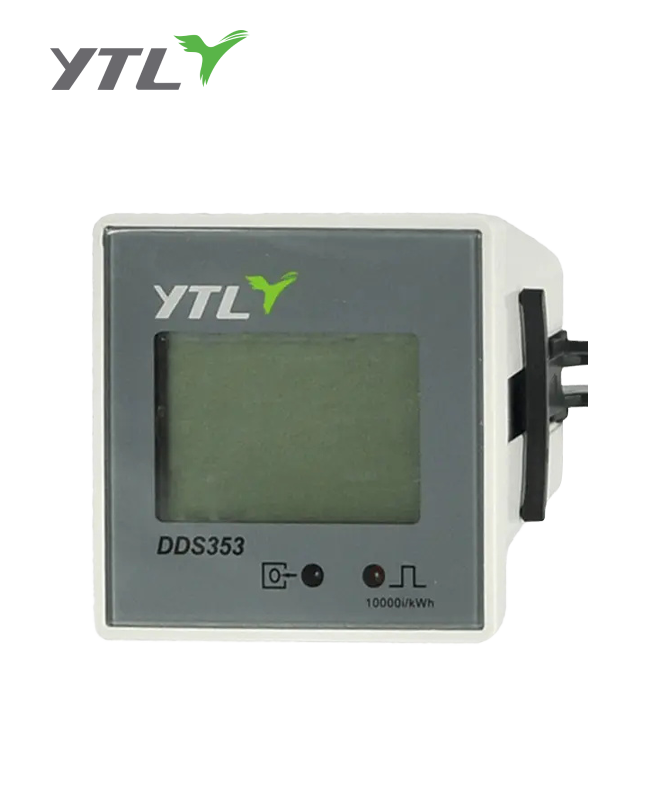
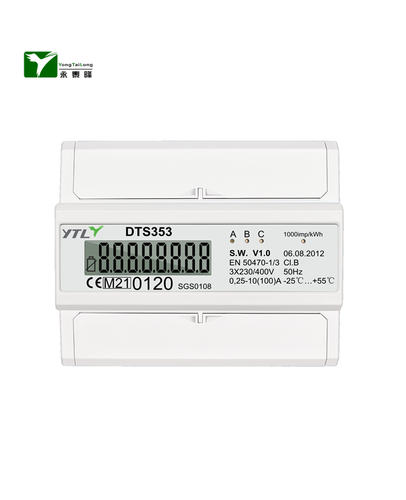
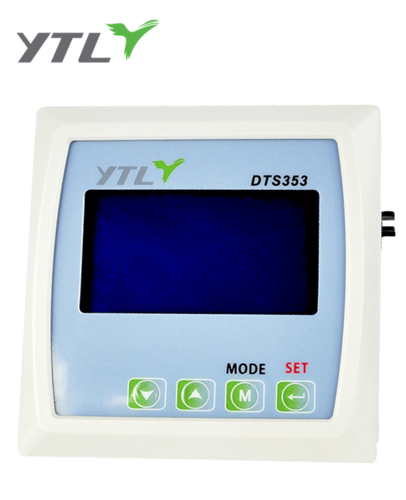
.png?imageView2/2/w/500/h/500/format/png/q/100 "YTL Two Phase Three Wire LCD Shunt sampling Energy Meter")