
 English
 简体中文
简体中文



1. Introduction
What are Smart Meters?
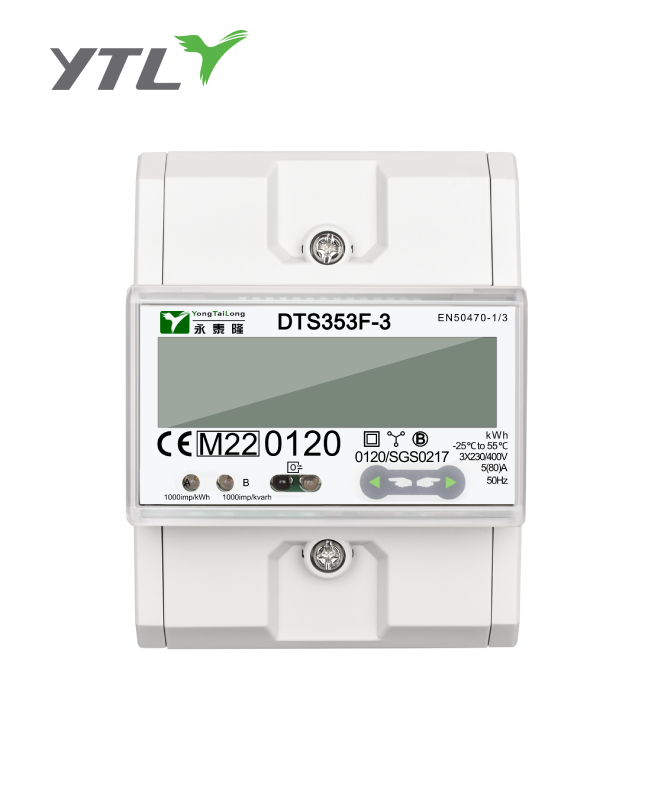
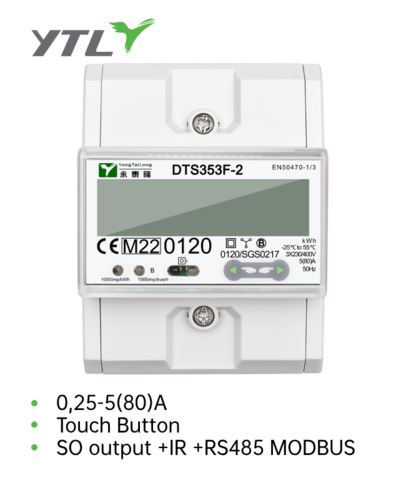
A smart meter is an advanced electronic device that measures the consumption of energy (typically electricity, gas, or water) at a customer's location and communicates this information back to the utility provider automatically. They replace traditional, analog meters by incorporating digital measurement and communication capabilities. Their basic function remains energy measurement, but their advanced features revolutionize how that data is collected and used.
The evolution of metering technology marks a significant shift:
| Feature | Traditional (Analog) Meter | Smart Meter (Digital) |
|---|---|---|
| Data Type | Cumulative usage only | Granular, time-stamped interval data |
| Communication | One-way (Utility reads meter) | Two-way communication (Meter & Utility) |
| Reading Method | Manual, on-site visit for remote meter reading | Automated, remote transmission |
| Functionality | Simple measurement | Measurement, grid monitoring, remote functions |
Why Smart Meters Are Smarter
The term "smart" is attributed to the meter's embedded intelligence and connectivity, which enable capabilities far beyond simple consumption tracking.
| Smart Meter Capability | Description | Utility/Consumer Advantage |
|---|---|---|
| Real-time Data and Monitoring | Captures detailed energy usage insights (e.g., every 15 minutes) rather than just a monthly total. | Enables customers to identify energy-wasting appliances; provides utilities with better load forecasting. |
| Two-Way Communication | Establishes a secure link between the meter and the utility's network (AMI). | Allows remote firmware updates and configuration; enables utility to perform remote service connect/disconnect. |
| Enhanced Accuracy and Reliability | Eliminates the human error associated with manual meter reading. | Results in accurate billing; provides improved outage detection and response by reporting power loss instantly. |
| Integration with Smart Grid | Acts as a sensing point on the modernized grid infrastructure. | Enables dynamic pricing like Time-of-Use (TOU) rates; facilitates demand response programs; supports the efficient integration of renewable energy sources. |
2. Benefits of Smart Meters
The implementation of smart meters yields significant advantages across the entire energy ecosystem, benefiting consumers, utility companies, and the overall reliability of the electric grid.
For Consumers
Smart meters empower consumers by giving them unprecedented transparency and control over their energy usage, directly translating to potential cost savings and convenience.
| Consumer Benefit | Detailed Explanation | Outcome |
|---|---|---|
| Greater Control Over Energy Usage | Consumers gain access to detailed consumption data via in-home displays or online portals, often broken down into hourly or even 15-minute intervals. | Ability to proactively adjust habits, identify "vampire power," and pinpoint energy-wasting appliances. |
| Potential Cost Savings | The detailed data enables utilities to offer flexible pricing structures, such as Time-of-Use (TOU) pricing benefits, where electricity is cheaper during off-peak hours. | Consumers can shift consumption to cheaper times, avoiding high reduced peak demand charges and lowering overall bills. |
| Convenience | The meters automatically and wirelessly transmit data to the utility. | Elimination of manual meter readings and the inconvenience of estimated bills; hassle-free online access to energy data. |
For Utilities
For utility providers, smart meters are a critical tool for modernizing operations, improving efficiency, and managing the increasing complexity of the grid.
| Utility Benefit | Detailed Explanation | Operational Impact |
|---|---|---|
| Improved Grid Management | Provides utilities with real-time, granular data on energy flow and demand across the network. | Enables much better demand forecasting and helps maintain grid stability; supports enhanced outage management by instantly reporting service interruptions. |
| Reduced Operational Costs | The process of data collection is fully automated. | Achieves significant savings through automated meter reading (no need for truck rolls); allows for streamlined billing processes with accurate, up-to-date data. |
| Theft Detection | Smart meters can monitor anomalies in energy flow and consumption patterns. | Facilitates the efficient identification of energy diversion or illegal connections, reducing "non-technical losses." |
3. How Smart Meters Work
A smart meter's intelligence stems from the seamless interaction of its core components and its robust communication network. They function as sophisticated data gateways, not just measuring instruments.
Components of a Smart Meter
Every smart meter is a self-contained electronic system built around three primary functional parts:
| Component | Function | Role in Smart Metering |
|---|---|---|
| Metering Element | The core hardware (sensors and integrated circuits) that accurately measures the flow of electricity (voltage, current, power). | Replaces the traditional spinning disc or simple digital display with highly accurate electronic measurement. |
| Microcontroller (MCU) | The "brain" of the meter, a small computer chip responsible for processing data, controlling functions, and managing security. | Collects the raw usage data from the metering element, packages it into time-stamped intervals, and manages communication commands. |
| Communication Module | An integrated radio or wired circuit that enables data transmission and reception. | Facilitates the two-way data exchange between the customer premise and the utility's network. |
Data Transmission
The measured usage data must be reliably and securely sent to the utility's central system. This is achieved through a robust communication infrastructure, typically part of an Advanced Metering Infrastructure (AMI) network.
- Wireless Communication Technologies: Smart meters often use a variety of established protocols, depending on the area. Common methods include:
- Cellular: Utilizing existing mobile phone networks (e.g., 4G/5G) for wide-area coverage.
- RF (Radio Frequency) Mesh: Meters communicate with neighboring meters, forming a self-healing network that routes data back to a central data collector.
- Power Line Carrier (PLC): Using the existing electric power lines themselves to transmit data.
- Data Encryption and Security: Given the sensitive nature of detailed energy consumption data, all transmitted data is secured. Utilities implement rigorous standards for data encryption and authentication to ensure the integrity and confidentiality of meter readings during transmission, protecting against unauthorized access or tampering.
Data Processing and Analysis
Once the data reaches the utility's data center, it is utilized for a wide array of operational and customer-facing purposes.
- Collection of energy usage data: The central system (often called the Meter Data Management System or MDMS) ingests the granular, time-stamped data packets from thousands of meters.
- Generation of reports and alerts: The system processes this massive dataset to perform functions like accurate billing, demand forecasting, and identifying anomalies. This includes generating reports for regulatory compliance and triggering immediate alerts for utility personnel regarding outages, tampering, or unusual usage patterns.
4. Concerns and Challenges
Despite the widespread benefits of smart meters, their deployment has introduced several public concerns and operational challenges that must be addressed for successful global adoption.
Privacy Concerns
The ability of smart meters to collect granular, real-time energy data raises questions about consumer privacy, as detailed usage patterns can reveal behaviors within a home (e.g., when a person is home, sleeping, or using specific appliances).
| Concern | Mitigation Strategy | Focus Area |
|---|---|---|
| Data security and potential misuse | Risk of data breaches or unauthorized access to sensitive consumption patterns. | Strict industry standards and government regulations mandating robust cybersecurity protocols, encryption, and access control. |
| Anonymization and data protection measures | The need to protect personally identifiable information (PII) linked to energy profiles. | Implementation of anonymization techniques (e.g., aggregating data) and clear policies restricting data sharing with third parties without explicit consent. |
Health Concerns
A common set of public concerns centers on the potential health effects of the wireless technology used by smart meters.
| Concern | Scientific Context | Assessment |
|---|---|---|
| Electromagnetic field (EMF) emissions | Smart meters use radio frequency (RF) waves for communication, which are non-ionizing forms of radiation. | Emissions are generally intermittent (meters transmit data for only a few minutes per day) and typically far lower than those from common household devices like cell phones or Wi-Fi routers. |
| Scientific evidence and safety standards | The need for meters to comply with established health and safety guidelines. | Extensive scientific studies generally conclude that smart meter RF exposure levels are well below international safety standards (e.g., those set by the FCC or WHO), posing no known health risk. |
Cost of Implementation
The transition from a legacy analog system to a fully digitized smart metering infrastructure requires substantial financial investment.
- Initial investment in smart meter infrastructure: The capital expenditure required for purchasing and installing millions of meters, building the new communication networks, and establishing the central Meter Data Management System (MDMS) is significant.
- Cost-benefit analysis and long-term savings: Utilities must justify the high upfront costs by demonstrating clear long-term savings through improved operational efficiency, reduced truck rolls for meter reading, optimized grid management, and better handling of power outages. The long-term savings in reduced energy theft and improved reliability are key to validating the investment.
5. The Future of Smart Meters
Smart meters are not static devices; they are evolving rapidly, integrating with new digital technologies to become even more vital to the future of energy management and urban infrastructure.
Advancements in Technology
The next generation of smart meters will move beyond basic data collection and integrate deeper intelligence at the edge of the grid.
| Technological Advancement | Impact on Smart Metering | Key Application |
|---|---|---|
| Integration with IoT devices | Smart meters will connect seamlessly with in-home Internet of Things (IoT) devices, such as smart thermostats and smart appliances. | Enabling home energy management systems to automatically adjust consumption based on grid conditions and Time-of-Use pricing. |
| Artificial intelligence (AI) and machine learning (ML) applications | ML algorithms will process the enormous amount of data collected to predict demand, detect fraud, and diagnose equipment failures. | Predictive maintenance for grid assets; highly accurate load forecasting and better detection of energy theft patterns. |
Role in Smart Cities
Smart meters are a fundamental component of the broader "Smart City" concept, providing the essential data layer for energy resilience and efficiency across urban areas.
- Enabling smart energy management: By providing real-time data on energy consumption across districts and buildings, smart meters allow city planners to optimize energy distribution, minimize waste, and manage city-wide electric vehicle charging infrastructure.
- Supporting sustainable urban development: The data drives initiatives to reduce the city's overall carbon footprint, promoting the adoption of local renewable energy sources and enhancing energy efficiency in municipal buildings.
Global Adoption and Trends
The deployment of smart meters is a worldwide trend, often driven by government mandates focused on energy policy and climate goals.
- Worldwide smart meter deployments: Adoption rates continue to climb globally, particularly in developed economies in Europe, North America, and parts of Asia, where the focus is on grid modernization and renewables integration.
- Government policies and incentives: Regulatory frameworks, often focused on achieving national decarbonization targets, provide the necessary incentives and mandates for utilities to make the massive initial investment in smart meter infrastructure.
Conclusion
The smart meter is far more than an updated utility device; it is a networked sensor and a critical communication node that provides the foundation for the modern, resilient energy grid.
- Recap of the intelligence and benefits of smart meters: Their intelligence lies in their two-way communication capability, providing real-time data for accurate billing, operational efficiency, and enhanced customer control. Benefits range from cost savings for consumers (via TOU rates) to improved grid management and reduced operational costs for utilities.
- Their importance in the future of energy management: As the central link between consumers and the smart grid, smart meters are indispensable in managing the complex integration of renewable energy, enabling demand response, and powering the development of sustainable, smart cities. They are the necessary technology to usher in a cleaner, more efficient energy future.
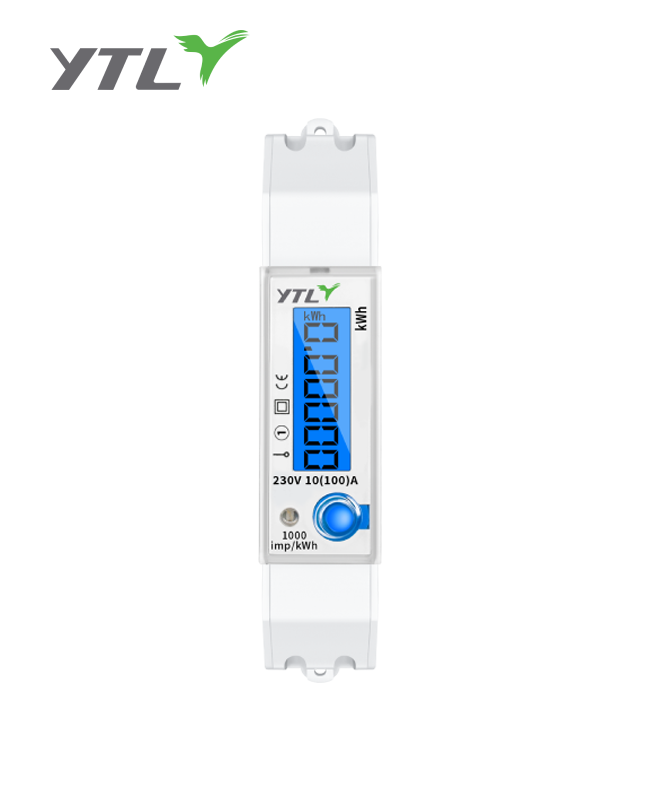
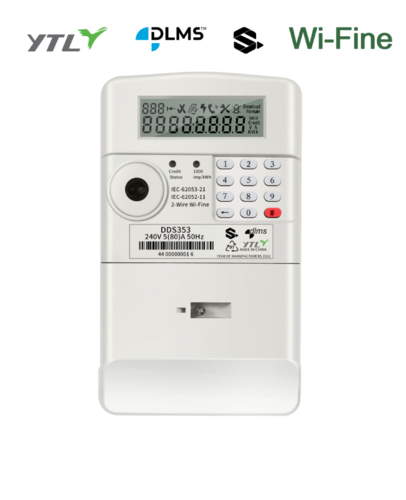
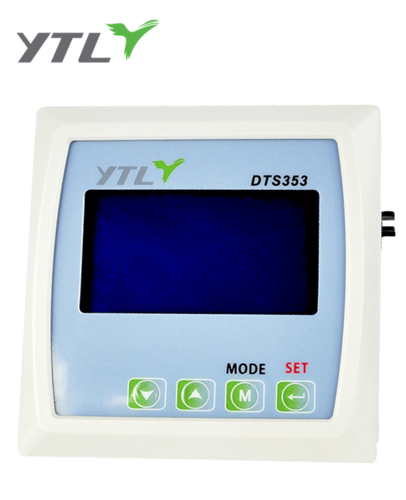
.png?imageView2/2/w/500/h/500/format/png/q/100 "YTL Two Phase Three Wire Big counter Electricity Meter")
.png?imageView2/2/w/500/h/500/format/png/q/100 "YTL Single Phase Active Electronic Electricity Meter")