
 English
 简体中文
简体中文



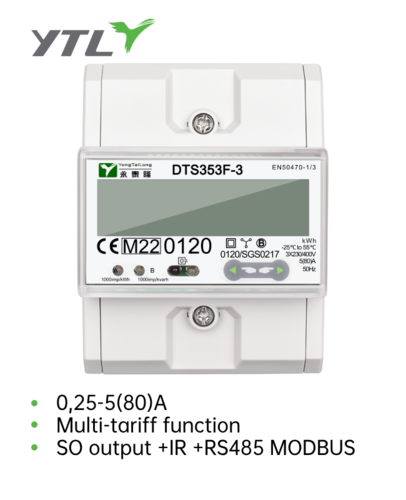
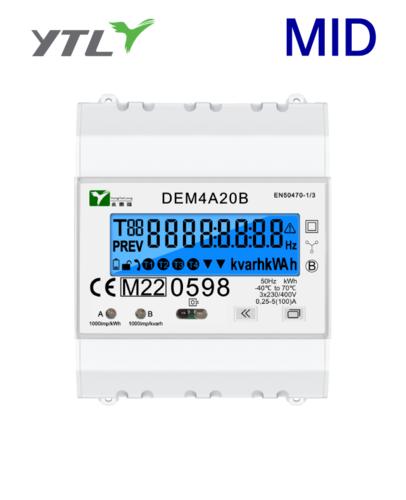
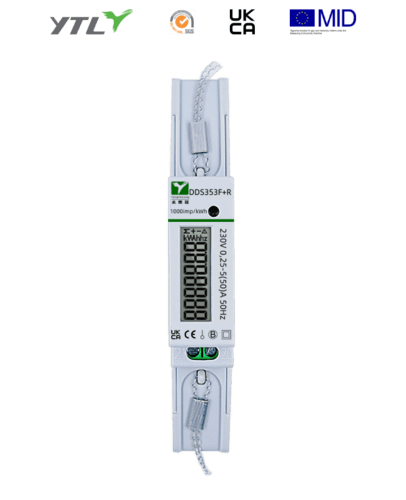
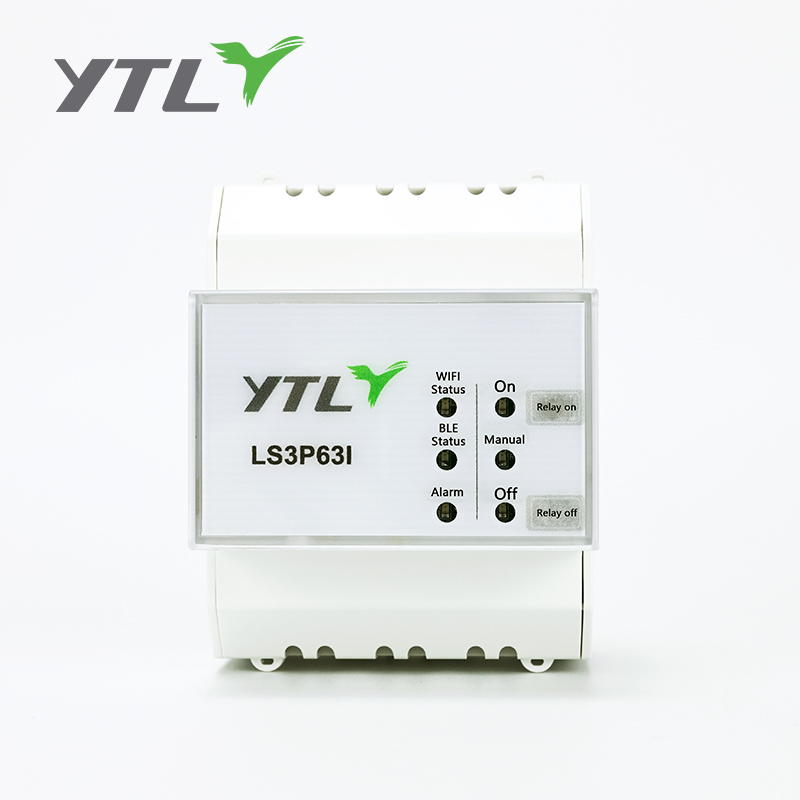
In the energy network of modern society, electric energy is the core supporting its operation. As a key terminal of the next-generation Advanced Metering Infrastructure (AMI), smart meters have transcended the scope of traditional metering tools. They serve as a two-way digital bridge: one end extends deep into millions of households and industrial and commercial units, accurately sensing electricity demand; the other end connects to power grid operation systems, providing a real-time data foundation for efficient energy management and allocation.
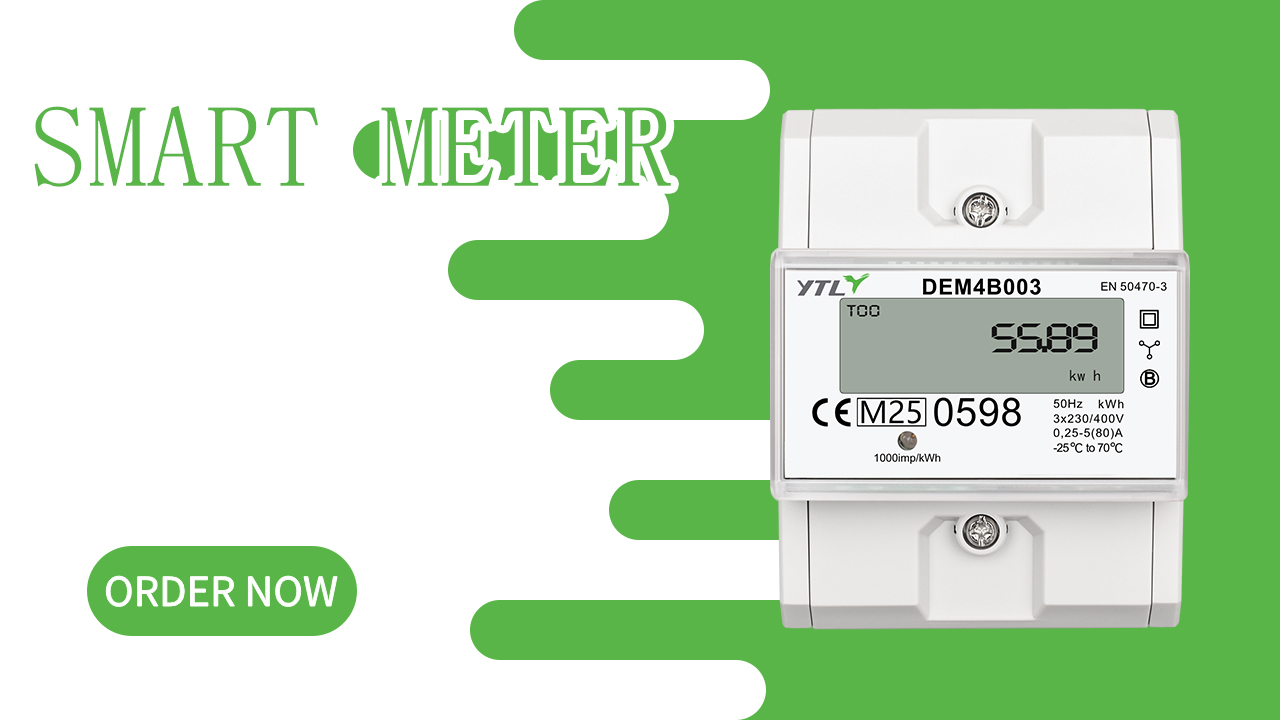
Precision Non-intrusive Metering: The Cornerstone of Data Collection
Smart meters enable all-weather, automated and precise data collection. Whether it is the daily electricity consumption of residential users or the complex load curves of industrial and commercial entities, they can record data stably and reliably, and securely upload it to management systems. For users, there is no need for manual meter reading—historical and real-time electricity consumption data is readily available, making electricity consumption more transparent.
Enhanced User Services: From Data to Insights
Based on accurate electricity consumption data, smart meters help users better understand their own electricity usage patterns through user service platforms (such as mobile apps). The system can provide time-of-use electricity consumption analysis, abnormal electricity usage alerts, and personalized energy-saving recommendations. This transforms users from passive consumers into active energy managers, allowing them to achieve more economical electricity use and greener choices while improving their quality of life.
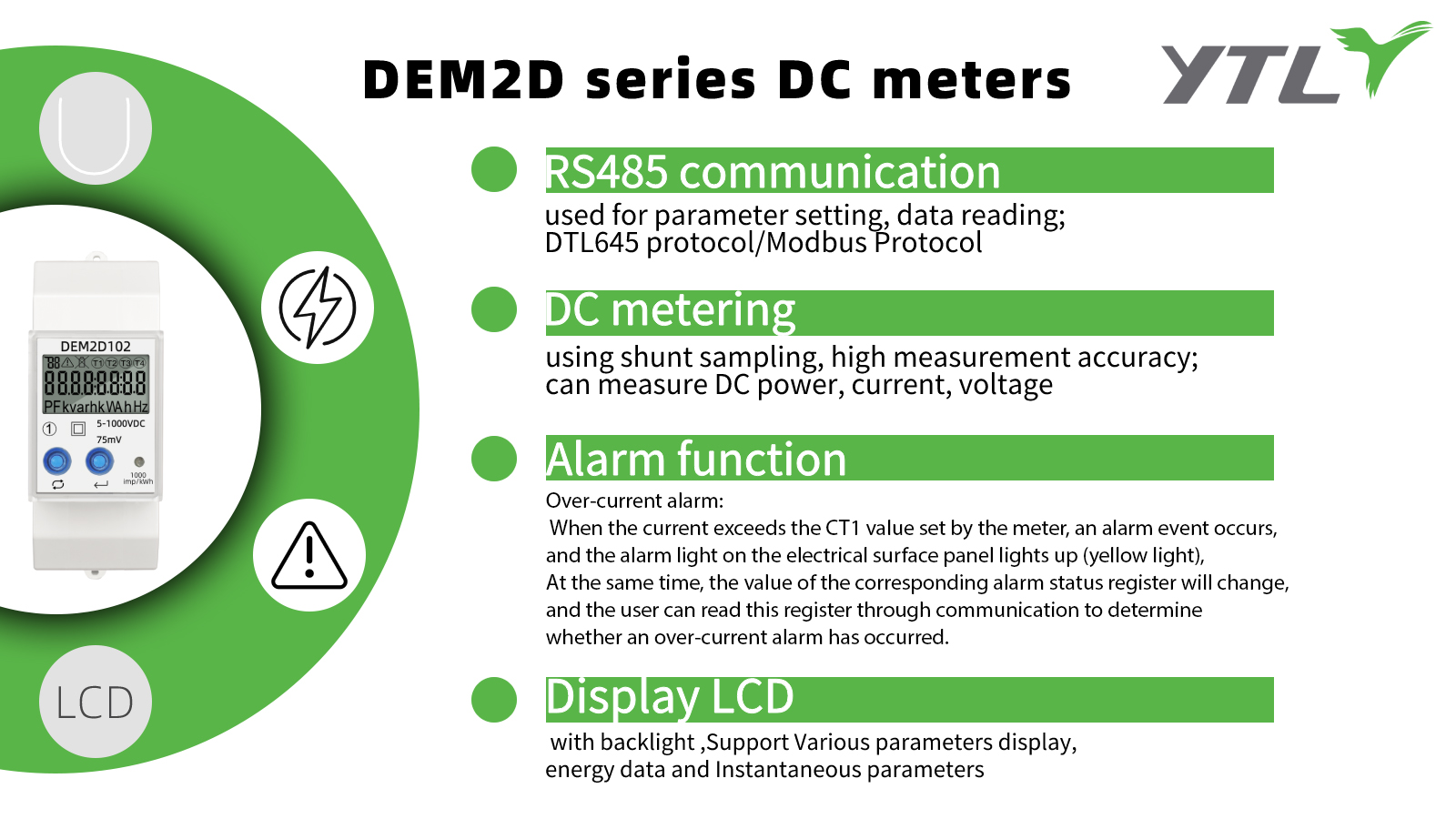
Empowering Grid Modernization: Supporting Efficient Operations
For power companies, large-scale deployed smart meters form the perception layer of the Advanced Metering Infrastructure (AMI). The massive, near-real-time data they provide serves as the core basis for load forecasting, line loss analysis, fault location, power quality monitoring, and demand-side response management. This helps optimize power grid investment, enhance power supply reliability, reduce operational costs, and promote the integration of renewable energy.
A Future-oriented Open Ecosystem
Smart meters comply with international standard protocols such as DLMS/COSEM, featuring excellent system compatibility and scalability. They are not only metering terminals—future iterations can also serve as local gateways connecting new types of loads such as distributed photovoltaics, energy storage units, and electric vehicle charging piles. This supports innovative applications in the energy internet and helps build a more flexible and sustainable energy system.
Our Commitment
Our smart meter product range strictly adheres to the regulatory and standard requirements of target markets, including certifications such as [MID / ANSI / IEC / OIML, select as appropriate]. We support multiple communication solutions such as PLC, RF, NB-IoT and 4G, ensuring stable and reliable operation in different network environments and creating long-term value for customers.
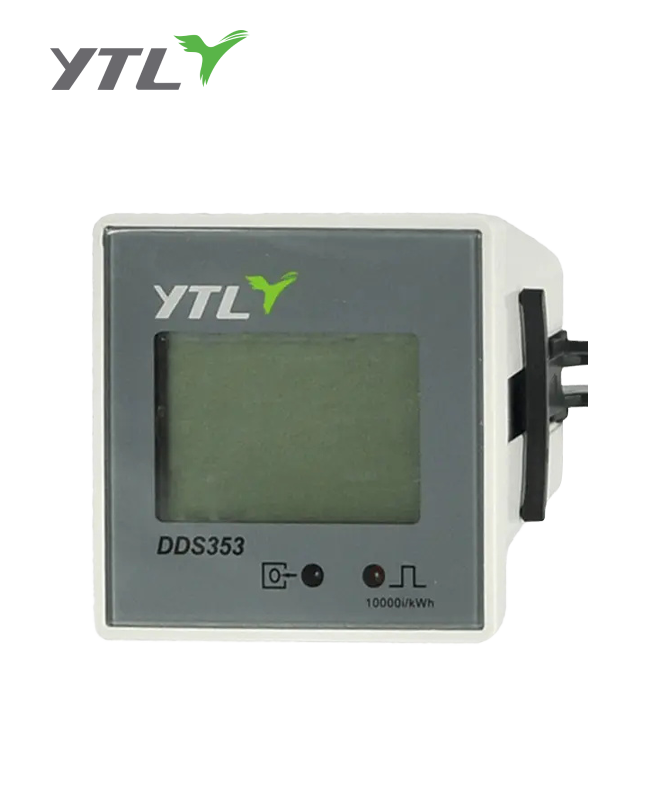
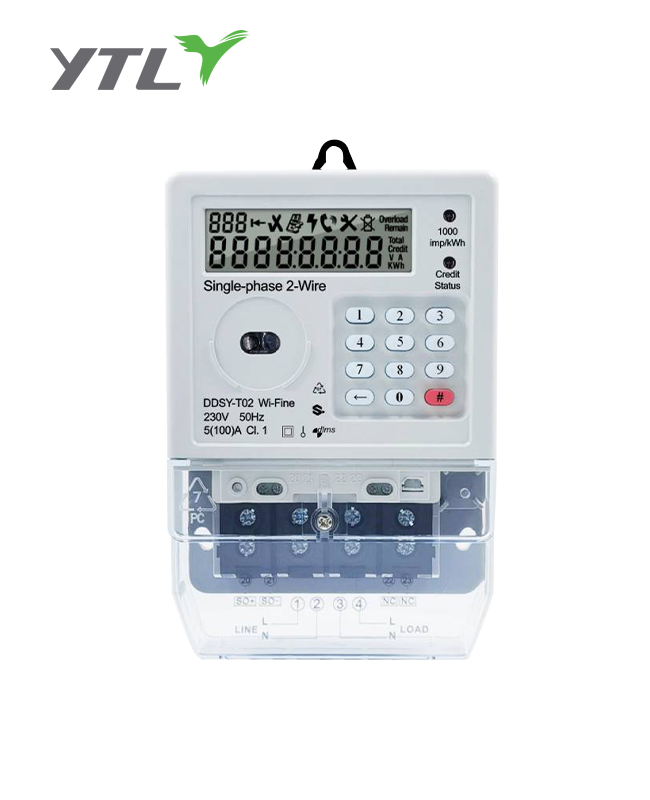
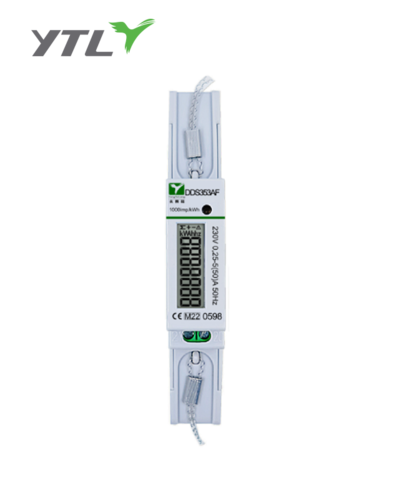
.png?imageView2/2/w/500/h/500/format/png/q/100 "YTL Single Phase Active Electronic Electricity Meter")