
 English
 简体中文
简体中文



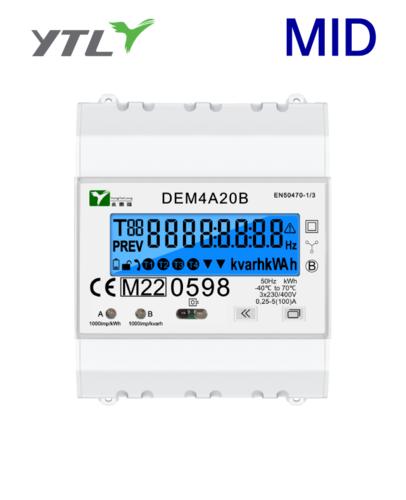
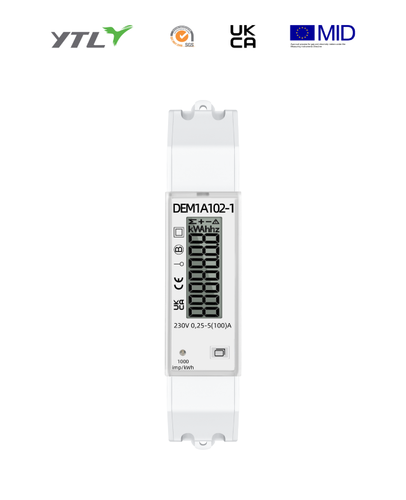
In the field of energy metering, MID meters and ordinary energy meters are two common types of metering devices. They may have similar appearances, but their core positioning, technical standards, and application scope are fundamentally different. Understanding the difference between these two is crucial for users engaged in international trade, project procurement, or those who need to comply with legal measurement requirements. Ordinary energy meters mainly focus on basic metering functions and economy, while MID meters represent high precision and legal compliance under specific legal frameworks.
1、 Core positioning: Differences between legal measuring instruments and general measuring tools
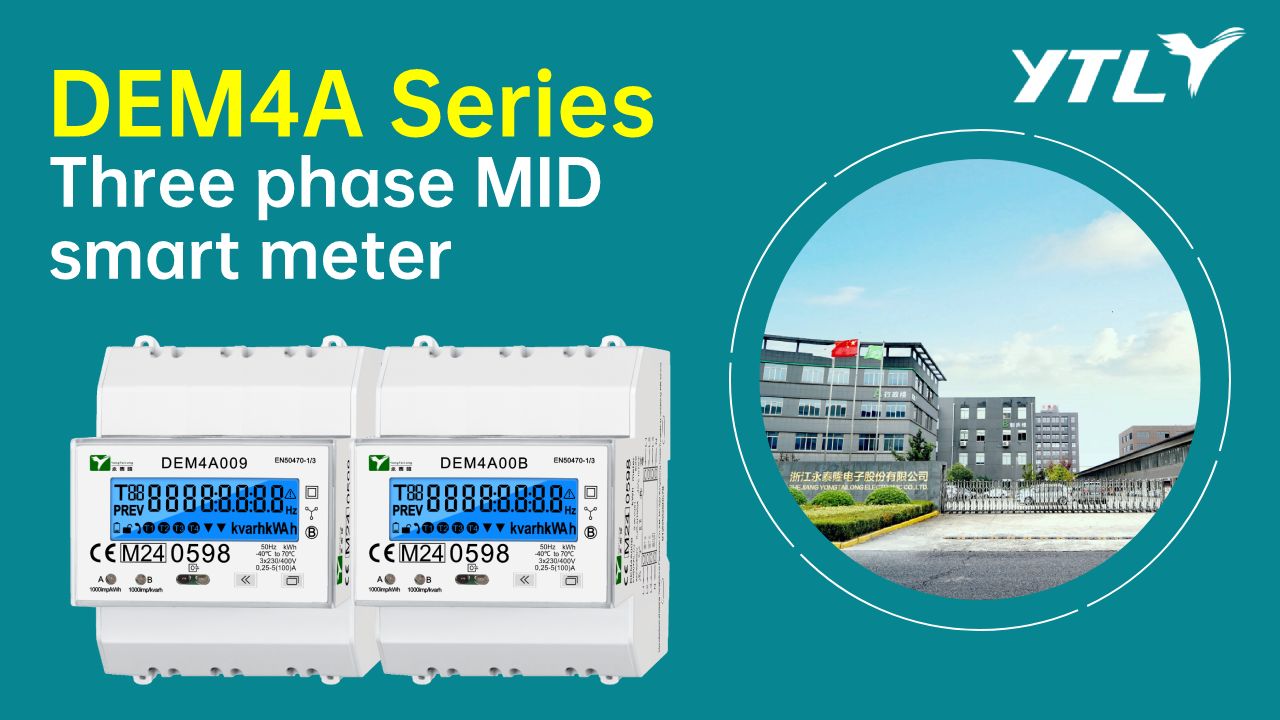
The fundamental difference lies in the different legal positioning of the two. MID meters are legally certified measuring instruments that strictly comply with the EU Directive on Measuring Instruments. This means that it is not just a tool for measuring electrical energy, but also a legally binding "standard ruler" whose measurement results can directly serve as the legal basis for energy trade settlement within the European Union and the European Economic Area. Its production, inspection, and certification processes are all under strict regulatory systems aimed at ensuring fairness in public trade. In contrast, ordinary electric energy meters usually only need to meet the general technical specifications of specific countries or regions or the manufacturer's own standards. Their positioning is more inclined towards a universal measuring tool, and their data is mostly used for internal accounting, energy efficiency monitoring, or non trade settlement scenarios, without the same legal compulsion and credibility. This positioning difference determines that the two have completely different goals from the beginning of their design.
2、 Technical Standards: Comparison between Mandatory Certification and Basic Specifications
Based on different legal positioning, there is a significant gap in the technical standards and requirements followed by the two. MID certification imposes a series of mandatory technical requirements on electricity meters that far exceed those of ordinary meters. These requirements are reflected in the high stability and full lifecycle reliability of measurement accuracy. MID meters must maintain minimal errors throughout the entire range, especially under light load conditions, and within their legal calibration period, even if subjected to complex environmental influences such as long-term operation, temperature fluctuations, electromagnetic interference, etc., the attenuation of their metering performance must be controlled within strict limits. In order to achieve this goal, MID meters are implementing more stringent standards in the selection of core components, anti-interference ability in circuit design, consistency in production processes, and overall quality control system. On the other hand, the technical specifications of ordinary electric energy meters usually focus on basic metering functions and basic accuracy in conventional environments, with relatively relaxed requirements for long-term stability and reliability under extreme working conditions. Cost control is often an important consideration factor.
3、 Application scenario: Distinguishing between controlled trade settlement and internal management
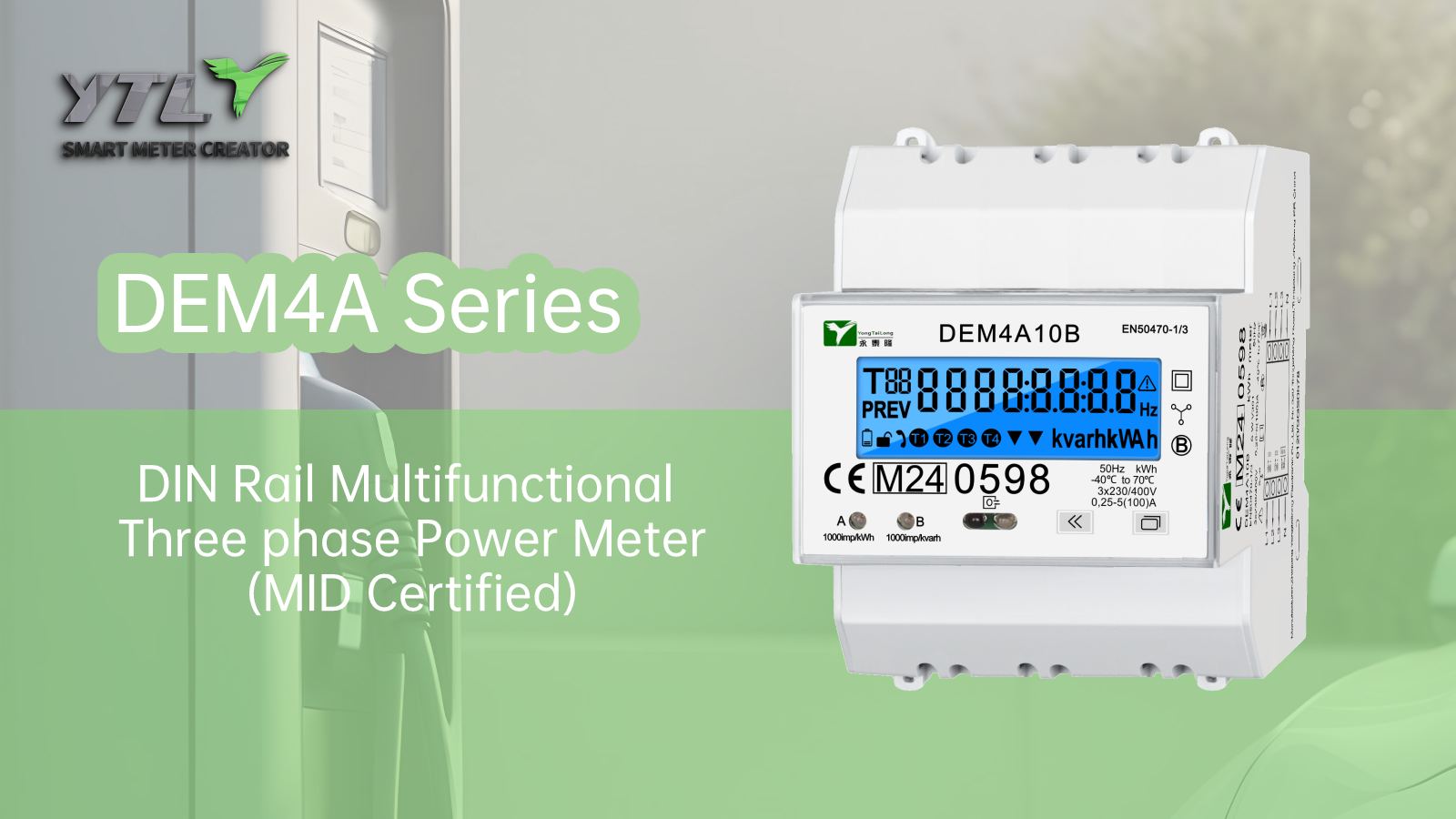
The difference between legal positioning and technical standards directly leads to a clear distinction between their application scenarios. The application scenarios of MID meters are mandatory and specific. It is mainly used in legal trade settlement situations that require compliance with EU regulations, such as electricity equipment projects exported to EU countries, electricity bill settlement for residents and commercial users within the EU, and gateway metering between power plants and grid companies. In these scenarios, the use of MID meters is a prerequisite for market access. The application scope of ordinary electric energy meters is wide and flexible, commonly used for residential electricity consumption in non EU regions, energy consumption monitoring and cost sharing of various workshops or equipment within enterprises, spontaneous electricity consumption statistics of photovoltaic power generation systems, and temporary electricity use contracts without mandatory legal requirements for measurement effectiveness. In these fields, ordinary electric meters meet the needs of daily management with their cost advantages and basic functions.
In summary, the core difference between MID meters and regular energy meters is that the former is a legally regulated "standard" used for fair trade, while the latter is a "tool" serving general metering. Choosing MID meters is an inevitable choice based on meeting regulatory requirements and ensuring fair trade, especially when entering the EU market; Choosing a regular energy meter is more based on economic considerations and meeting internal management needs. Recognizing the boundaries between these two is a crucial step in ensuring project compliance, mitigating trade risks, and achieving precise selection.
.jpg?imageView2/2/w/500/h/500/format/png/q/100 "YTL Company DTS353C DIN Rail 3P 4 Model Electricity Meter MID")
.png?imageView2/2/w/500/h/500/format/png/q/100 "YTL Two Phase Three Wire LCD Shunt sampling Energy Meter")
.png?imageView2/2/w/500/h/500/format/png/q/100 "YTL China Single Phase IC card Prepayment Electricity Meter")