
 English
 简体中文
简体中文



In Europe, energy transition has shifted from policy advocacy to national action. With the rising cost of household electricity and the popularization of renewable energy, users' demand for electricity meters has already surpassed the scope of "measuring tools" and turned to pursuing precise, intelligent, and interconnected energy management solutions.
In recent years, a smart meter certified by MID (Measuring Instruments Directive) has rapidly swept the European market, from German industrial parks to French countryside villas, and to Nordic smart communities. With multiple breakthrough technologies, it has become the "electricity manager" in the hearts of users.
What is the magic of this electric meter? This article will deeply analyze the four major "black technologies" behind it.
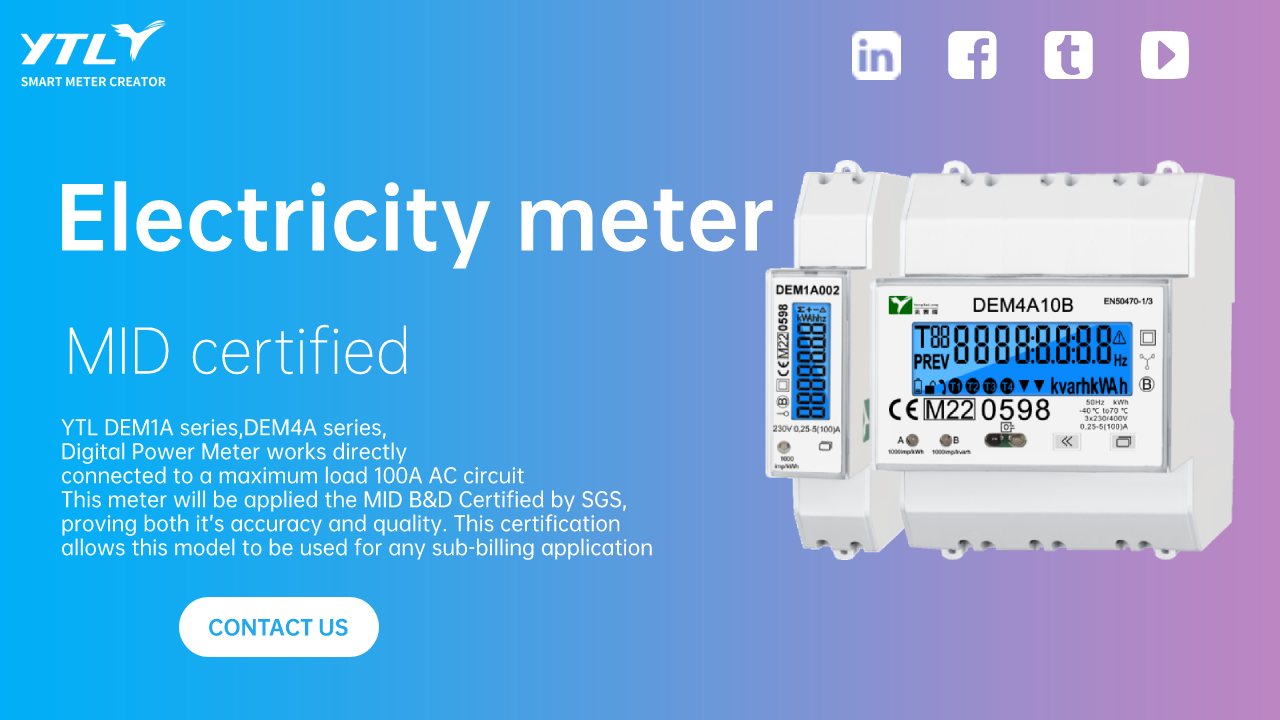
1、 MID certification: the "gold standard of quality" in the European market
In the European Union, energy metering equipment must comply with the MID directive in order to be legally sold. This certification is like a 'global passport', ensuring that the electricity meter meets military grade standards in accuracy, safety, and environmental adaptability.
The three core advantages of MID meters:
Error approaching zero: For MID certified electricity meters, the measurement error should be controlled within ± 1%, which is much lower than that of ordinary electricity meters. This means that the error in users' monthly electricity bills can be almost negligible, achieving the goal of "paying how much electricity you use".
Full scenario compatibility: Whether it is single-phase household electricity or three-phase industrial electricity, MID meters can operate stably and support 50Hz-60Hz broadband power supply, covering European grid standards and avoiding measurement deviations caused by voltage fluctuations.
Data Security Fortress: Built in encryption chips and tamper proof design ensure that electrical data cannot be illegally modified or leaked, which is particularly important in Europe where data privacy regulations are strict.
2、 AI dynamic learning algorithm: Let the electricity meter "understand" your electricity usage habits
Traditional electricity meters can only record numbers, while MID meters can convert cold data into executable energy-saving strategies by embedding AI dynamic learning chips.
Analysis of Three Intelligent Functions:
Power consumption pattern portrait: The system can analyze the peak (such as 7-10pm) and off peak periods of household electricity consumption through data from the electricity meter, and generate "off peak electricity consumption" suggestions to help users avoid peak electricity prices. Actual measurements have shown that this can reduce electricity expenses by 15% -20%.
Abnormal device warning: By monitoring current fluctuations, the electricity meter can identify aging appliances (such as TVs with abnormal standby power consumption) or faulty devices (such as refrigerators that frequently start and stop), report alarm data, and the system will push maintenance reminders to extend the lifespan of the appliances while reducing safety hazards.
Carbon footprint tracking: Combined with real-time carbon intensity data from the European power grid, the system can calculate the carbon emissions of household electricity consumption using electricity meters and generate a "green electricity report" to assist users in participating in the carbon trading market or applying for government energy-saving subsidies.
Technological breakthrough:
MID meters adopt the local edge computing architecture, and all data analysis is completed on the device side. Combined with the cloud system, it not only protects privacy but also improves response speed.
3、 Multi protocol wireless interconnection: building a home energy ecosystem hub
In Europe, the penetration rate of smart homes has exceeded 40%, and MID meters are the "core hub" of this ecosystem.
Full protocol compatibility:
Supports multiple communication protocols such as Wi Fi, Zigbee 3.0, M-Bus, RS485, etc., and can seamlessly integrate with devices such as photovoltaic inverters, energy storage batteries, and electric vehicle chargers.
By opening API interfaces, users can integrate meter data into mainstream platforms such as Home Assistant and Apple HomeKit to achieve unified energy scheduling for the entire house.
Typical application scenarios:
Photovoltaic households: When there is excess solar power generation, the electricity meter automatically stores the excess electricity in energy storage batteries or sells it back to the grid, self-sufficiency.
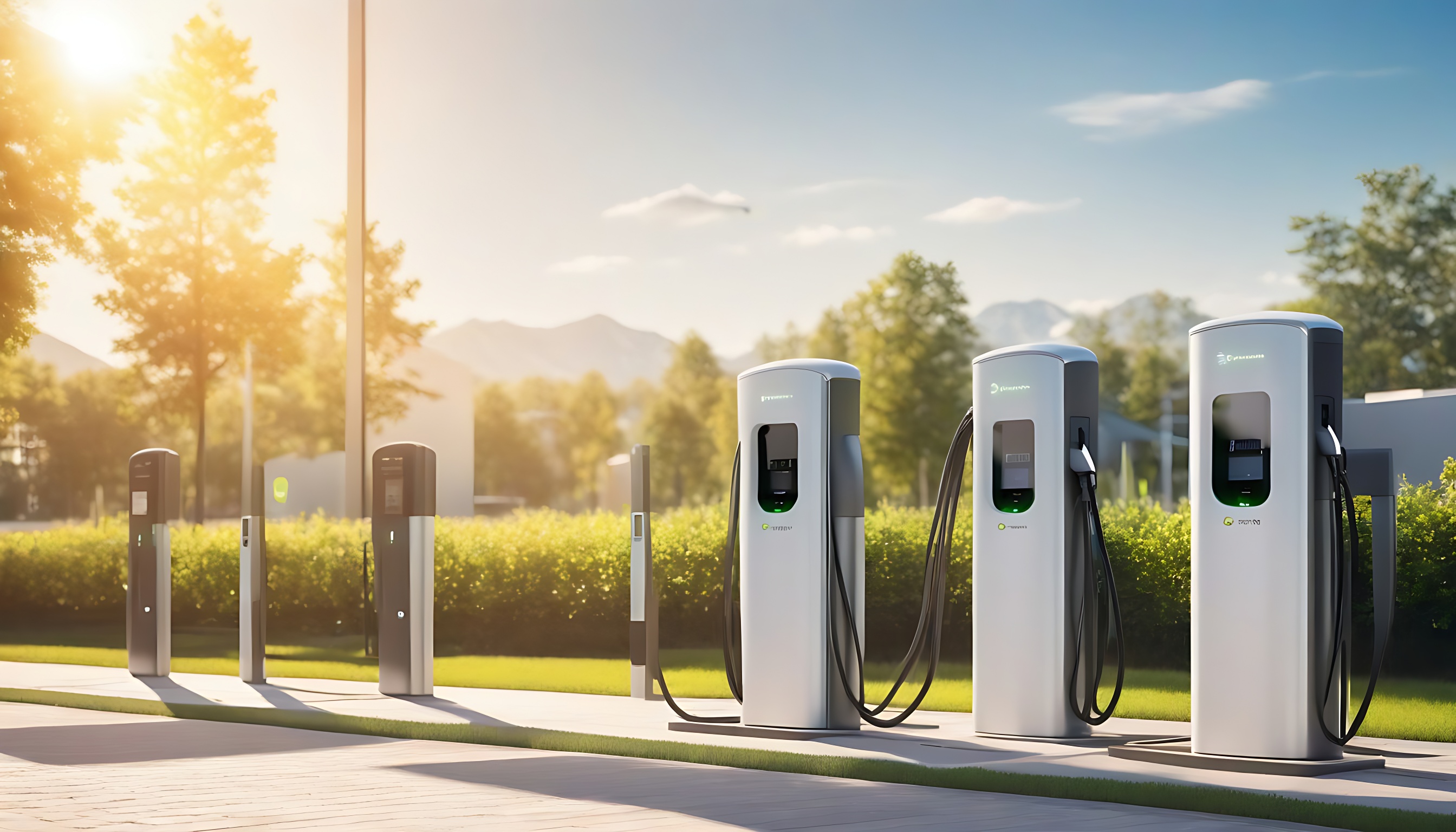
Electric vehicle users: can intelligently select the charging period based on electricity price fluctuations and battery capacity, saving hundreds of euros in charging costs annually.
MID meters redefine the future of energy management in Europe. From precise measurement to AI decision-making, from wireless connectivity to climate adaptation, MID meters are using "hardcore technology" to drive energy management in Europe towards intelligence and refinement. For users, it is not only a tool, but also a "smart partner" to reduce electricity costs and improve their quality of life.
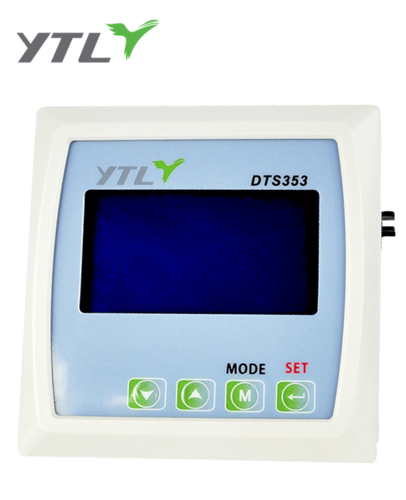
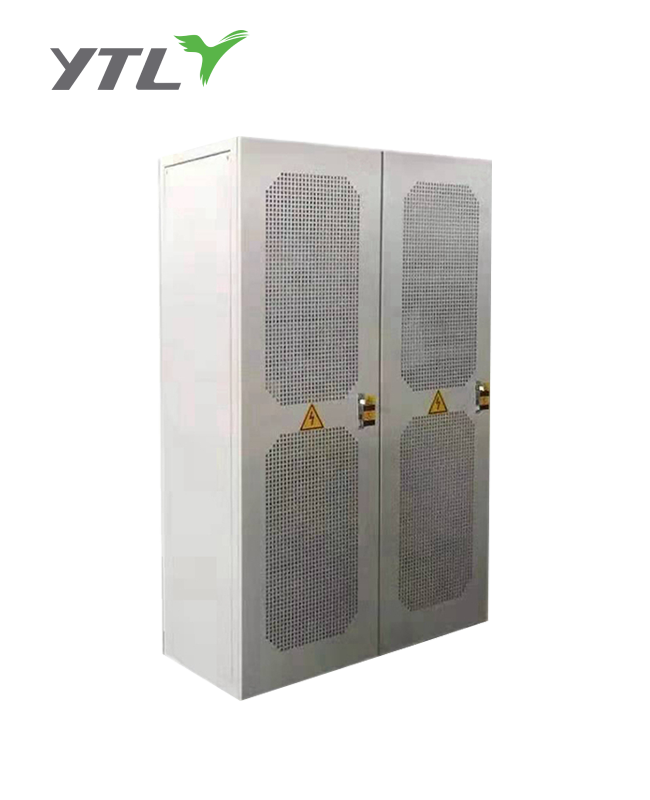
.jpg?imageView2/2/w/500/h/500/format/png/q/100 "YTL Company DTS353C DIN Rail 3P 4 Model Electricity Meter MID")
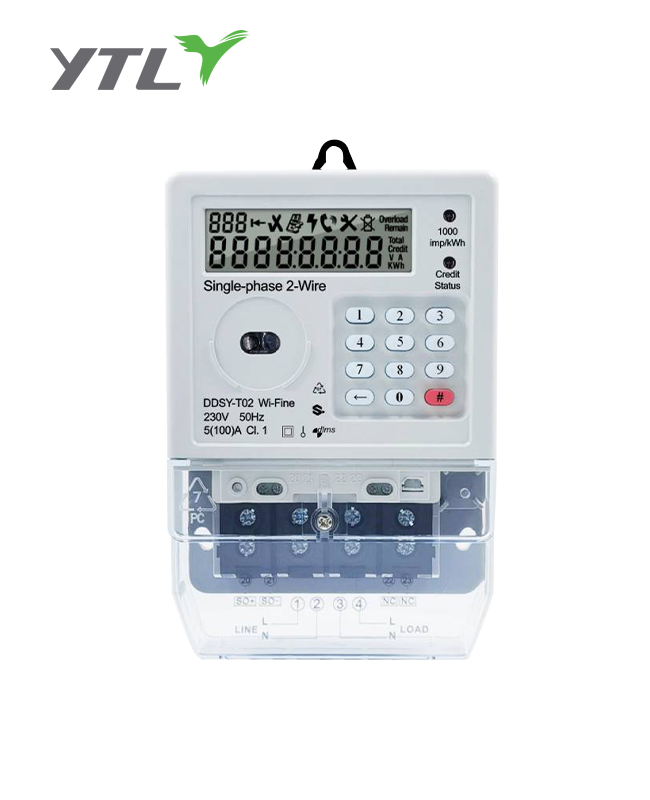
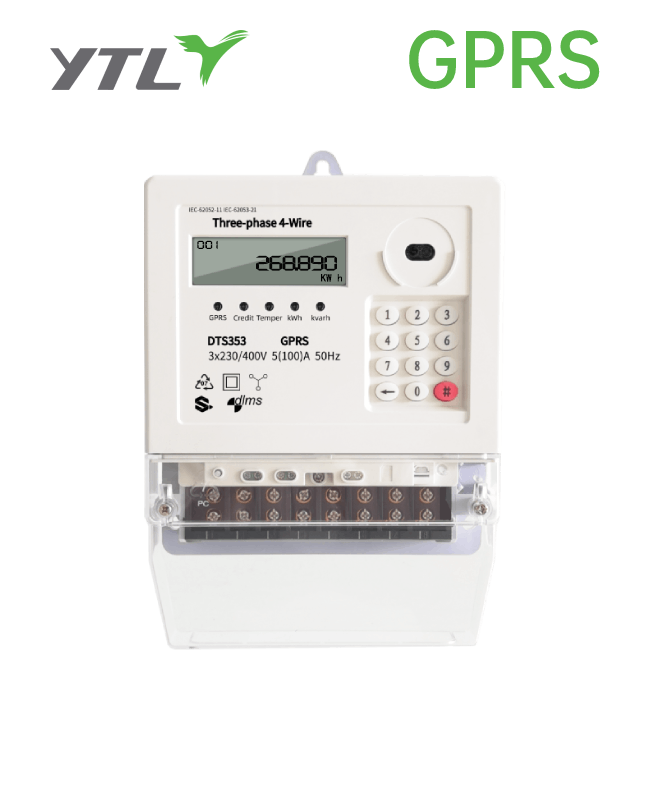
.png?imageView2/2/w/500/h/500/format/png/q/100 "YTL China Single Phase IC card Prepayment Electricity Meter")
.png?imageView2/2/w/500/h/500/format/png/q/100 "YTL Single Phase Active Electronic Electricity Meter")