
 English
 简体中文
简体中文



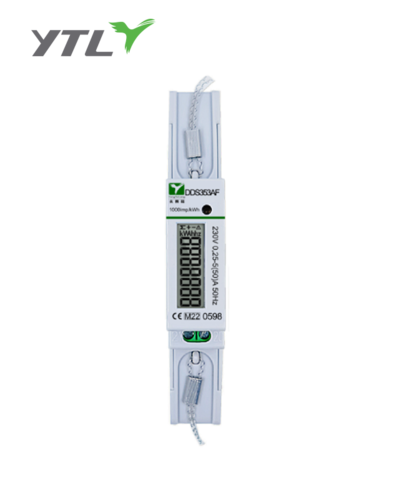
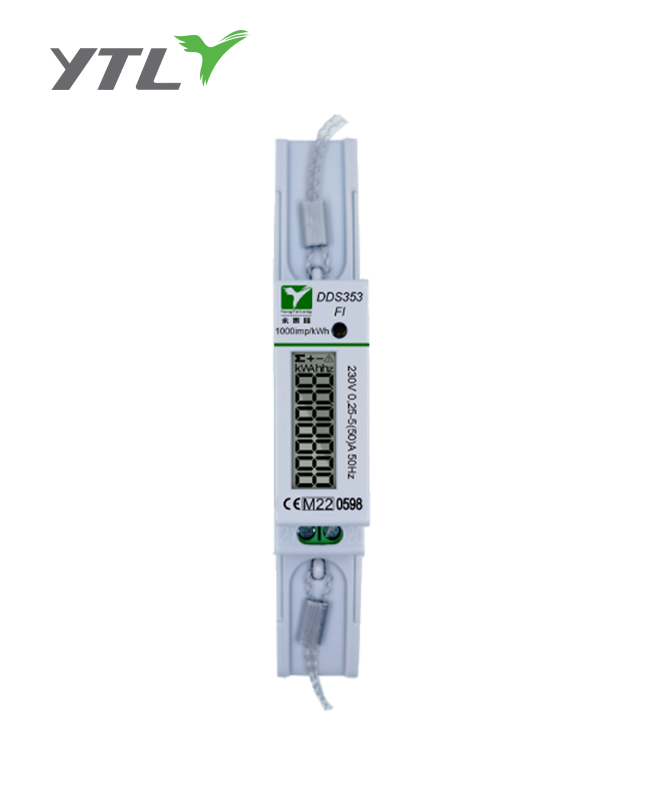
Electric meters, also known as watt-hour meters, are crucial devices for electricity measurement, closely intertwined with our daily lives and industrial activities. Whether it's for calculating household electricity bills or analyzing industrial energy consumption, electric meters play a vital role. A deep understanding of the basic knowledge of electric meters can help us better monitor and manage electricity usage, enabling scientific consumption and energy efficiency.
I. Core Functions of Electric Meters
1. Precise Electricity Measurement
The fundamental function of an electric meter is to measure electrical energy. By accurately recording the amount of electricity consumed over a specific period, it provides a reliable basis for electricity bill settlement, ensuring fair and accurate measurement.
2. Intelligent Data Communication
Modern electric meters are equipped with advanced data communication features, supporting remote meter reading technology. Without the need for manual on-site visits, power departments can obtain electricity consumption data in real-time, achieving efficient management. Additionally, these meters have time-of-use metering capabilities, automatically distinguishing between peak and off-peak periods. This helps users plan their electricity usage rationally, effectively reducing electricity costs.
II. Detailed Classification of Electric Meters
(I) Classification by Application
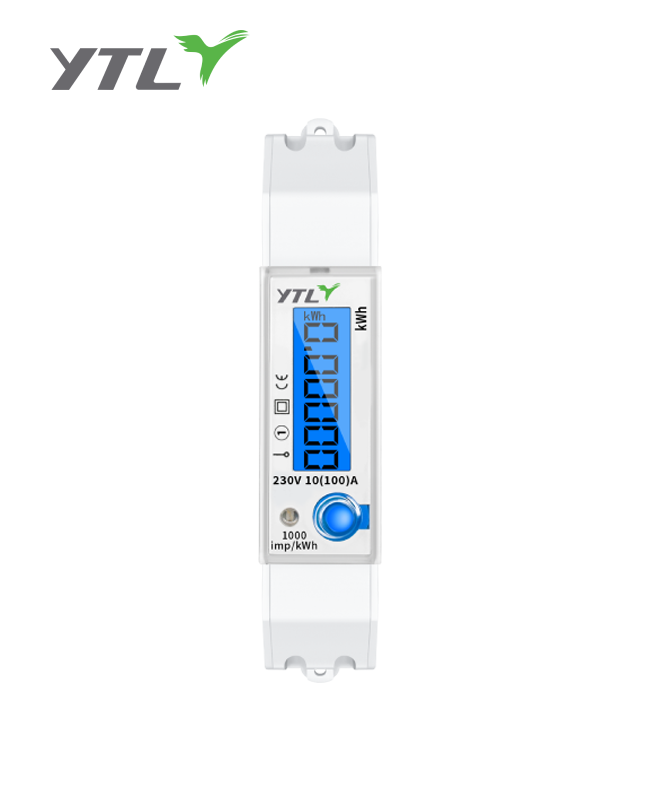
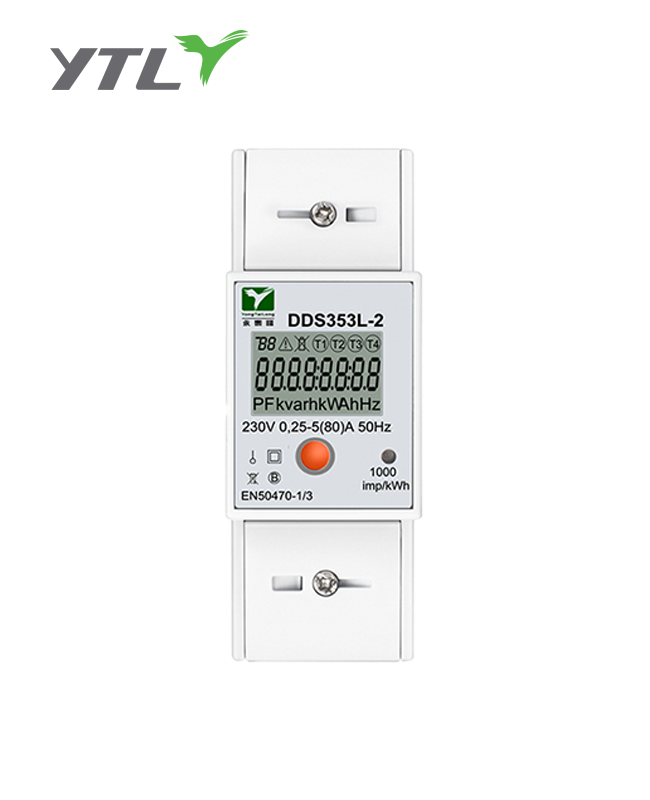
- Single-Phase Electric Meters: Suitable for single-phase power supply scenarios such as households and small shops, they mainly measure electricity consumption under a 220V voltage, meeting the basic metering needs of daily life and small-scale commercial activities.
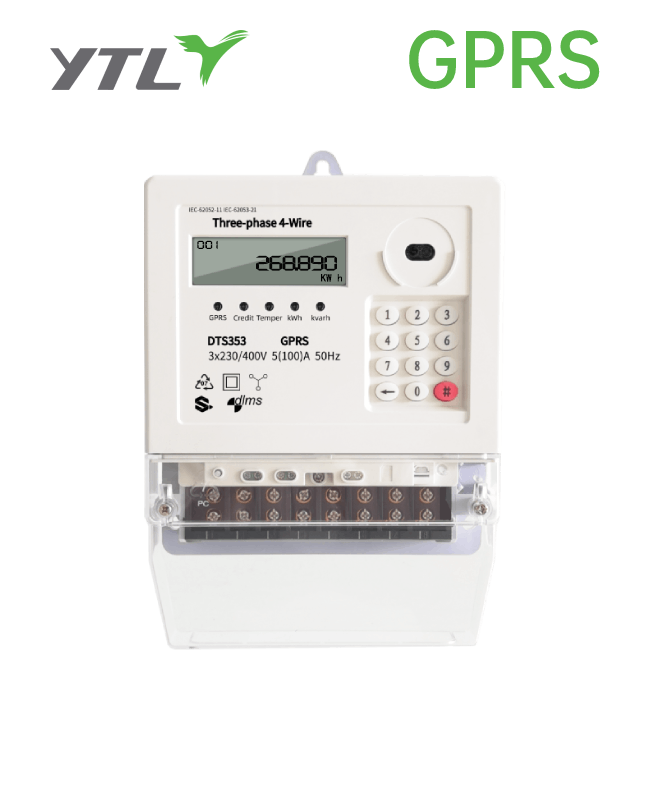
- Three-Phase Electric Meters: Widely used in factories, large commercial buildings, and other three-phase power supply facilities, they can measure the electrical energy of three-phase circuits simultaneously. This precisely caters to the metering requirements of high-power electrical equipment, ensuring accurate measurement for industrial and large commercial electricity usage.
(II) Classification by Working Principle
- Induction-Type Electric Meters: As representatives of traditional electric meters, induction-type meters use the principle of electromagnetic induction to drive the dial rotation. The electricity consumption is intuitively displayed through pointers or rotating discs. With a simple structure and low cost, they have certain limitations in terms of accuracy and functional expandability.
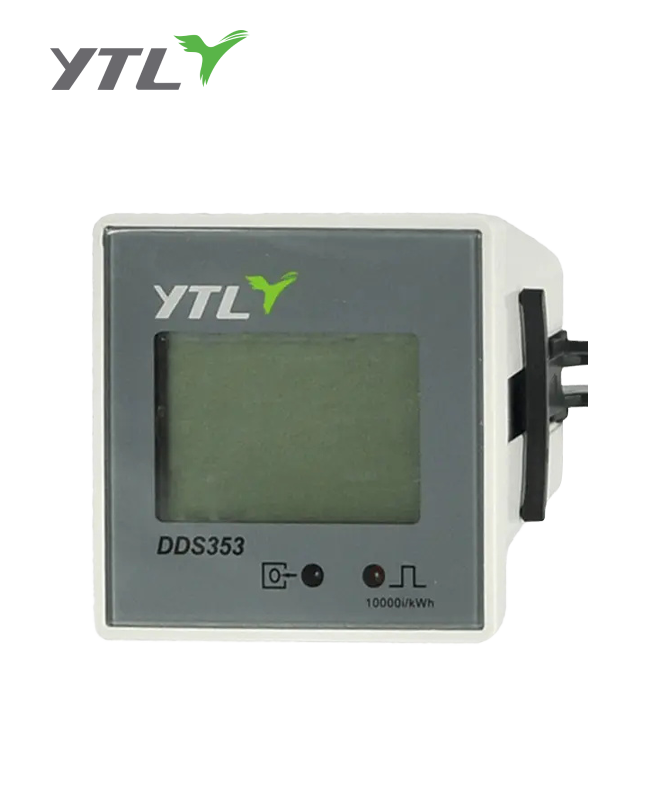
- Electronic Electric Meters: These meters use electronic circuits and chip technology for electricity measurement. Compared with induction-type meters, they offer higher accuracy, faster response, and support intelligent functions. They are currently the mainstream products on the market.
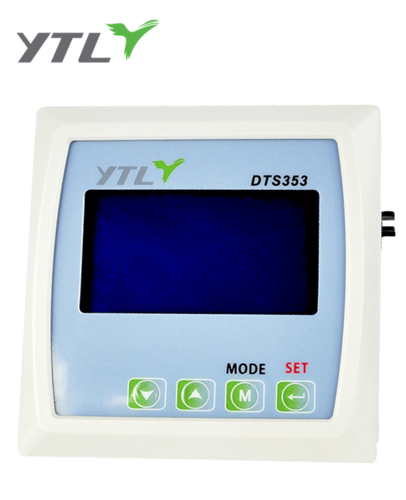
- Smart Electric Meters: Based on electronic meters, smart meters deeply integrate communication technology and intelligent chips. In addition to features like remote control and real-time monitoring, they can also be linked with smart home systems, enabling automated electricity management and providing users with a more convenient and intelligent electricity consumption experience.
III. Practical Tips for Using Electric Meters
1. Regular Inspection and Maintenance
Regularly check whether the appearance of the electric meter is intact and if the data on the display screen is clear and accurate. In case of any abnormalities, such as the dial stopping or data garbling, contact professional personnel for inspection and repair promptly to ensure the normal operation of the meter.
2. Pay Attention to the Installation Environment
Electric meters should be installed in a dry, well-ventilated environment free from strong magnetic field interference. Humid, high-temperature, or strong magnetic field environments may affect the metering accuracy of the meter and even damage its internal components.
3. Monitor Electricity Consumption Changes
Develop the habit of regularly checking the meter readings and analyze the fluctuations in electricity consumption. If there is an abnormal increase in electricity usage, promptly check for potential electrical leakage issues in households or enterprises, or malfunctions in equipment, to avoid unnecessary energy waste and economic losses.
By mastering this knowledge about electric meters, both household users planning their electricity usage and enterprise managers optimizing energy consumption can make informed decisions, ensuring that every kilowatt-hour of electricity is used to its fullest potential.