
 English
 简体中文
简体中文



In the wave of energy digitization, power projects are facing unprecedented complexity: different regional standards, diverse user needs, accelerated technological iteration... Faced with the ever-changing market environment, how to ensure that smart meter supply can meet differentiated needs while ensuring fast delivery? The answer lies in choosing a smart meter product line that covers all scenarios. This article will delve into how a one-stop smart meter solution can help project parties overcome procurement bottlenecks and seize market opportunities.
1、 Market Changes: Three Major Challenges Faced by Smart Meter Procurement
There are currently three major pain points in the procurement of smart meters: firstly, there are significant differences in technical standards, and different regions have varying requirements for communication protocols and accuracy levels, making it difficult for a single model of smart meter to be universally applicable; Secondly, the project cycle is compressed, and the window period from bidding to implementation is becoming shorter and shorter. The traditional batch procurement model can easily lead to project delays; Thirdly, the compatibility of operation and maintenance is poor, and mixing multiple brands of smart meters will increase management costs in the later stage. A provincial power grid project suffered a delay of two months due to the inability of the purchased smart meter models to adapt to the newly built metering system, resulting in a direct loss of over one million yuan.

2、 Product Matrix: How can the full range of smart meters cover diverse scenarios
The core of coping with market variability lies in the breadth and depth of product lines. The complete smart meter product matrix should include three levels: basic smart meters meet the billing needs of residential meters, enhanced smart meters support time-sharing pricing and load monitoring, and high-end smart meters have two-way metering, edge computing and other functions, which are compatible with distributed energy access. For example, for the renovation project of old residential areas, smart meters with narrowband carrier communication can be used; For newly built industrial parks, it is recommended to use high-performance smart meters equipped with 4G/5G communication modules. This layered design ensures that each project can be matched with the most suitable smart meter solution.
3、 Flexible Supply: From "Production to Order" to "Modular Pre setting"
The traditional production mode of smart meters relies on fixed assembly lines, and adjusting product specifications requires reconfiguring the production line, with a cycle time of several weeks. The smart meter product line that adopts modular design can quickly generate customized products through flexible combinations of core functional units such as metering modules, communication modules, and power modules. A smart meter manufacturer has shortened the order response time from 15 days to 3 days by establishing a module library, and even supports small batch emergency orders of less than 1000 units. This flexible supply capability allows project parties to handle unexpected demands with ease.
4、 Collaborative ecosystem: seamless integration of smart meters and system platforms
The value of smart meters lies not only in the hardware itself, but also in the efficient collaboration with management systems. The one-stop smart meter solution should include open API interfaces that support integration with different brands of metering stations and energy consumption platforms. For example, the entire series of smart meters selected for a smart energy project in a certain city use a unified DLMS/COSEM communication protocol, which can be integrated into existing platforms without the need for secondary development. This ecological compatibility significantly reduces system integration risks and avoids duplicate investments caused by mismatches between smart meters and platforms.
5、 Case Study: How to Resolve Project Crisis with a One Stop Solution
A multinational enterprise is required to complete the procurement and installation of smart meters covering 20 national standards within 60 days during the construction of a new park. If the traditional multi supplier model is adopted, it would take several months for technical integration alone. The project party ultimately chooses a smart meter product line with global certification qualifications, and the supplier will provide smart meter variants that meet national standards and coordinate with a localized debugging team. The final project was completed two weeks ahead of schedule, and the later operation and maintenance costs were reduced by 30%. This case proves that the entire series of smart meter product lines can effectively meet the needs of complex projects.

6、 Future Evolution: Sustainable Evolution Path of Smart Meter Product Line
With the development of IoT technology, smart meter product lines need to have the ability to be forward compatible. Leading suppliers have begun to adopt a "hardware platformization+software upgradability" strategy: the new generation of smart meters reserve computing power margin, which can support future new functions (such as virtual power plant regulation, carbon measurement, etc.) through remote firmware upgrades. This design extends the lifecycle of smart meters, allowing project parties to avoid frequent equipment replacement due to technological iterations, truly achieving "one investment, long-term benefits".
Conclusion
Faced with the rapidly changing market environment, the fragmented procurement model of smart meters is no longer suitable for project needs. By selecting a one-stop smart meter solution that covers all scenarios, supports flexible customization, and has ecological collaboration capabilities, the project party can not only improve procurement efficiency, but also build core capabilities for rapid market response. When every smart meter can become a digital node that accurately matches the scenario, the project value will be maximized.
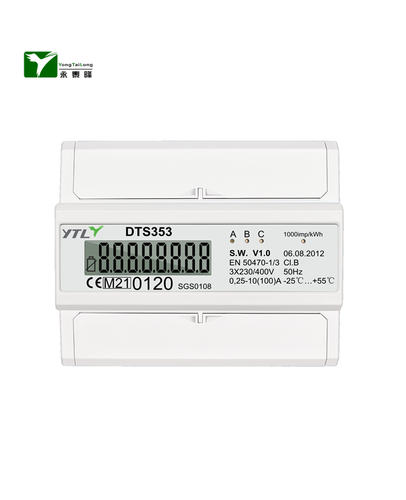
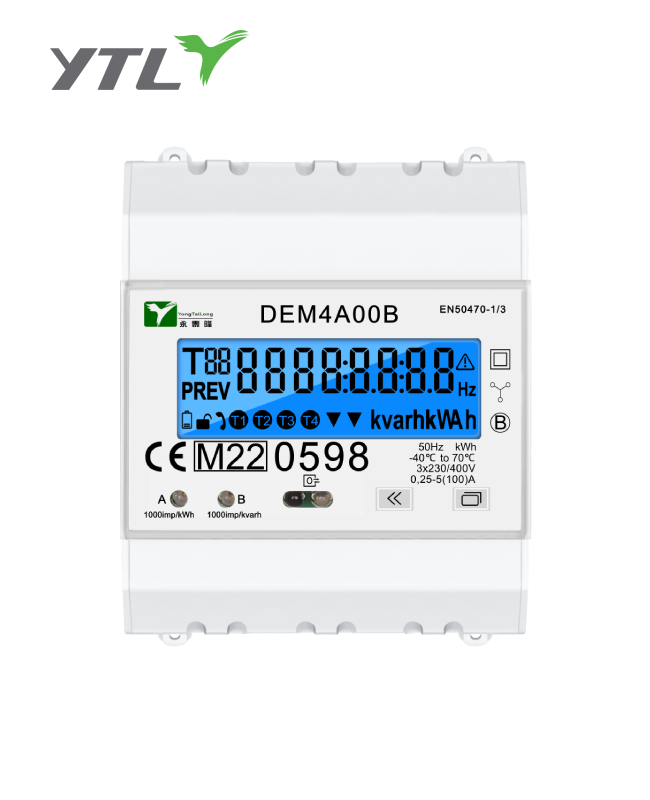
.jpg?imageView2/2/w/500/h/500/format/png/q/100 "YTL Company DTS353C DIN Rail 3P 4 Model Electricity Meter MID")