
 English
 简体中文
简体中文



Introduction: When the DC system becomes the "invisible artery" of the new energy era
On the roof of the photovoltaic power station, tens of thousands of solar panels are converting sunlight into direct current; In the energy storage battery compartment, the lithium-ion matrix stores energy in DC form; In the charging piles of new energy vehicles, DC fast charging technology is rewriting travel efficiency... As the global energy structure accelerates its transition to DC, a key question has emerged: how to build a safety line for these "invisible currents"?
The answer to a DC meter is hidden in its precise monitoring data. As the "nerve endings" of DC systems, DC meters are becoming an indispensable "invisible guard" in the new energy revolution with their millisecond level response and full parameter coverage monitoring capabilities.

1、 Accurate Measurement: Cracking the Invisible Losses in DC Systems
The core difference between DC systems and traditional AC systems lies in the "unidirectionality" of energy transmission - the current direction is constant, but the voltage fluctuation range can reach more than three times that of AC systems. This characteristic leads to two major pain points for traditional AC energy meters in DC scenarios:
1. Dynamic response lag: The output voltage of the photovoltaic array varies dozens of times per second with the intensity of sunlight, and the insufficient sampling frequency of traditional meters leads to measurement errors exceeding 5%
2. Harmonic distortion: The DC ripple generated by the charging and discharging of energy storage batteries causes a fluctuation rate of ± 3% in traditional meter readings
DC meters achieve precise measurement through three major technological breakthroughs:
200kHz high-speed sampling: Collect 200000 data per second and capture the complete voltage fluctuation curve
16 bit ADC conversion: Increases the resolution of analog signals to digital signals by 64 times
Dynamic compensation algorithm: real-time correction of temperature, aging and other factors affecting the sensor
2、 Safety Warning: Building an Immune Barrier for DC Systems
The safety hazards of DC systems are often more concealed - arc faults have no zero crossing points, insulation aging is difficult to detect, and short-circuit currents rise up 10 times faster than AC. The DC meter integrates four major safety monitoring modules to build a triple protection system:
1. Arc fault detection: High frequency current sensors are used to capture abnormal spectra ranging from 2kHz to 100kHz, with a 300ms advance warning
2. Insulation monitoring: Inject 1mA weak test signal, calculate the positive and negative pole to ground resistance in real time, and alarm when the insulation resistance value is below 50k Ω
3. Overcurrent protection: Set a three-stage protection threshold, and cut off the circuit within 0.1 seconds when the short-circuit current reaches 5 times the rated value
3、 Energy Efficiency Management: Creating Value for Every Milliampere in DC Systems
In the new energy scenario, energy efficiency optimization means real profits. The DC meter constructs a three-dimensional energy efficiency analysis model by collecting 12 parameters including voltage, current, and temperature
Equipment level diagnosis: Identify abnormalities such as PID attenuation of photovoltaic modules and SOC deviation of energy storage batteries
System level optimization: Analyze the impact of DC bus voltage fluctuations on inverter efficiency and guide the adjustment of operating strategies
Full lifecycle management: Track equipment energy efficiency degradation curves and predict remaining service life
4、 Intelligent Interconnection: Creating a 'Digital Twin' of DC Systems
The intelligent upgrade of DC meters is redefining the boundaries of energy monitoring. The new generation of products generally possess three major interconnectivity capabilities:
1. edge computing: built-in ARM Cortex-M7 processor, which can run complex algorithms locally, reducing data transmission by 90%
2. Wireless communication: Supports multiple protocols such as LoRa and NB IoT to achieve wireless networking in remote scenarios
3. Cloud platform integration: Upload data to the energy management platform through MQTT protocol, supporting multi terminal access for PC/mobile phones

5、 Environmental adaptation: safeguarding energy security under extreme conditions
New energy projects are often deployed in harsh environmental areas, which places strict requirements on the reliability of DC meters. Leading manufacturers ensure stable operation through five major designs:
Wide temperature operation: accuracy maintained at ± 0.5% in environments ranging from -40 ℃ to 85 ℃
Dustproof and waterproof: IP68 protection level, can work continuously submerged in 1 meter of water depth
Electromagnetic compatibility: Passed IEC 61000-4-6 level anti-interference test
Seismic design: meets the IEC 60068-2-64 standard and is suitable for 5G vibration environment
Long life battery: Built in supercapacitor, can maintain data storage for more than 10 years after power failure
Conclusion: Invisible Protection, Visible Future
When photovoltaic panels chase sunlight on the Gobi Desert, when energy storage batteries quietly store energy in underwater data centers, when electric vehicles silently shuttle through urban streets, DC meters always silently guard behind the scenes. It does not produce electricity, but makes the flow of each kilowatt hour of electricity clear and traceable; It does not create energy, but continuously improves the efficiency of the energy system.
In this new energy revolution, DC meters are redefining the safety standards and energy efficiency boundaries of DC systems with precise data, intelligent algorithms, and reliable performance. Perhaps we cannot directly see its existence, but every stable transmission of clean energy and the safe operation of every smart grid are telling the value of this' invisible guard '. As the blueprint for future energy unfolds, DC meters will continue to write the monitoring legend of the DC era.
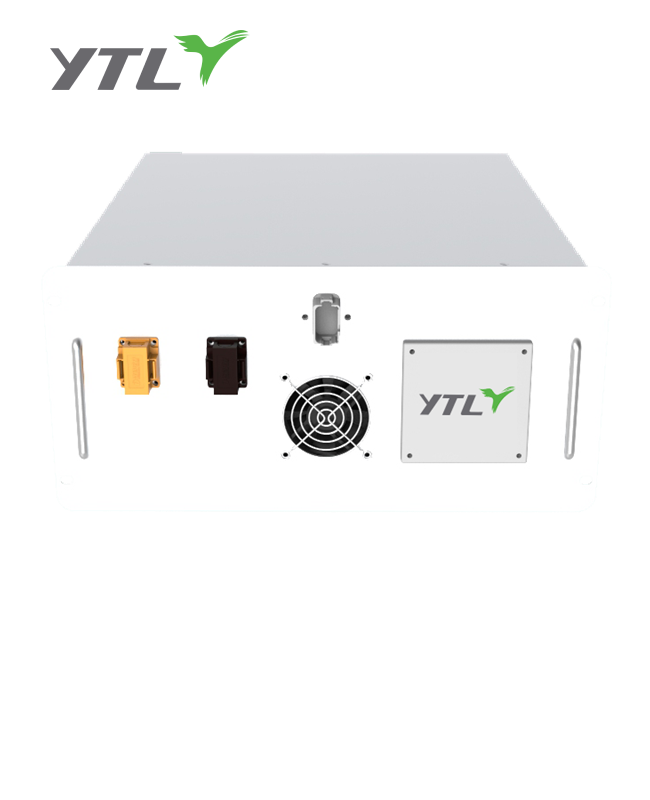
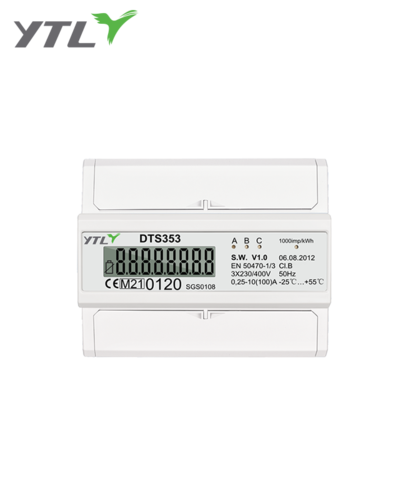
.jpg?imageView2/2/w/500/h/500/format/png/q/100 "YTL Company DTS353C DIN Rail 3P 4 Model Electricity Meter MID")