
 English
 简体中文
简体中文



Introduction: When virtual power plants encounter smart meters, a revolution in energy management is happening
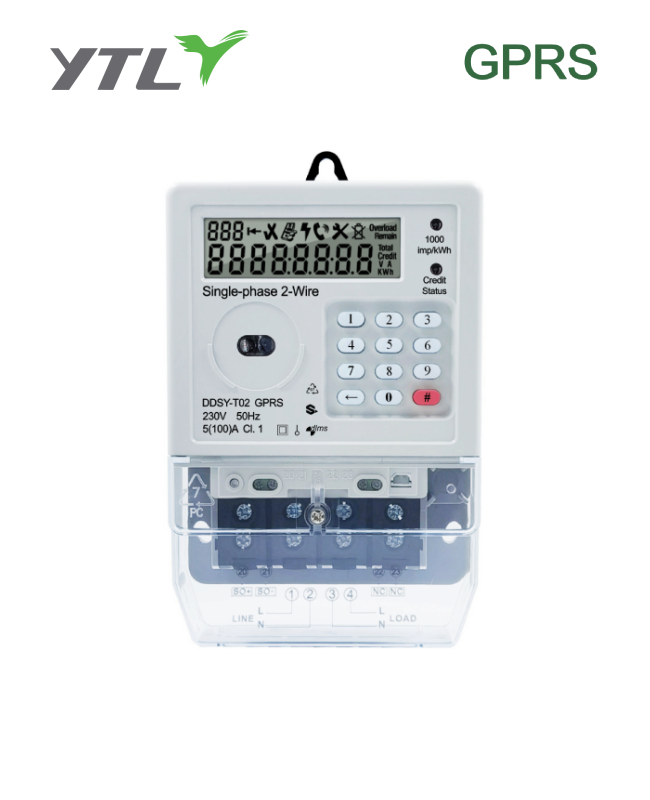
In a certain industrial park, a virtual power plant aggregates 2000 distributed photovoltaics, 300 electric vehicle charging stations, and 50MW user side energy storage. Real time data on power generation, consumption, and energy storage of each household is collected through smart meters to accurately match the needs of the power grid. This system successfully reduced the peak load by 120MW during the peak electricity consumption period in the summer of 2024, which is equivalent to reducing the temporary start stop of a coal-fired power plant. The core of this revolution is the smart meter - as the "nerve endings" of virtual power plants, it is redefining the boundaries of demand side response.

1、 Data collection: Building a "digital twin" of virtual power plants using smart meters
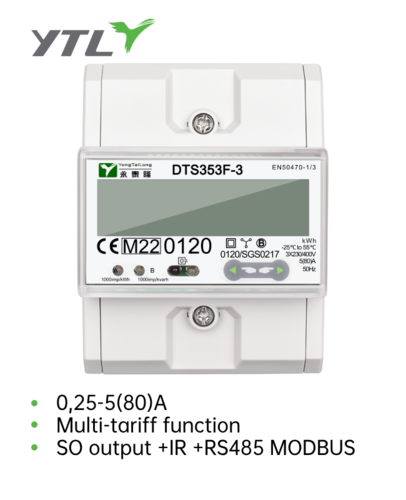
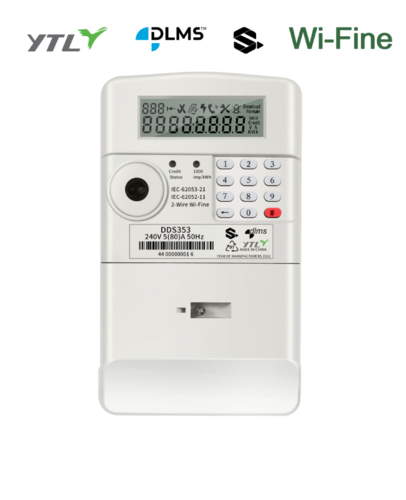
The core value of smart meters lies in their bidirectional metering and high-frequency data acquisition capabilities. Traditional electricity meters can only record cumulative electricity consumption, while smart meters can monitor 12 types of parameters such as voltage, current, and power factor in real time. In the case of distributed photovoltaics participating in demand side response, smart meters use blockchain technology to store data such as the power generation curve and inverter status of each photovoltaic household on the chain, ensuring that virtual power plant aggregators can real-time grasp the power generation capacity of distributed photovoltaics and provide accurate basis for valley filling response.
This data collection capability extends to three dimensions:
1. Spatial dimension: Smart meters not only cover end users, but can also be extended to equipment such as distribution transformers and medium voltage feeders.
2. Time dimension: Smart meters support data collection at multiple time scales such as 15 minutes and 30 seconds, providing a millisecond level response basis for virtual power plants to participate in real-time peak shaving.
3. Parameter dimension: Integrated power quality monitoring function, which can provide reference for user energy consumption standards.
2、 Two way communication: smart meters connect the "last mile" of demand response
The bidirectional communication capability between smart meters and virtual power plant control centers is the key to achieving a closed-loop demand response.
This communication mechanism has spawned three innovative models:
1. Dynamic electricity price transmission: Smart meters adjust user electricity prices based on real-time electricity market prices.
2. Distributed resource aggregation: Smart meters convert distributed resources such as photovoltaics, energy storage, and electric vehicles into dispatchable units.
3. User behavior guidance: Smart meters combined with AI algorithms analyze users' electricity usage habits and provide personalized energy-saving suggestions.
3、 Collaborative regulation: Empowering virtual power plants with intelligent decision-making through smart meters
The data support of smart meters enables virtual power plants to achieve a leap from "passive response" to "active optimization".
This collaborative regulation capability is reflected in three levels:
1. Multi resource optimization: Smart meters monitor the status of resources such as photovoltaics, energy storage, and interruptible loads in a unified manner.
2. Risk warning: Smart meters monitor equipment operating parameters in real-time and identify fault risks in advance.
3. Market participation: Smart meter data provides evidence for virtual power plants to participate in the electricity market.

4、 Future outlook: Ecological evolution driven by demand response driven by smart meters
With the integration of the Internet of Things, blockchain and AI technologies, smart meters are upgrading from a single metering device to the portal of the energy Internet.
In this energy revolution, smart meters are no longer just the infrastructure of virtual power plants, but also the "digital engine" of demand response mechanisms. It uses precise data, real-time communication, and intelligent decision-making to make every kilowatt hour of electricity an adjustable resource, making every user a participant in the energy market. When the scale of virtual power plants exceeds one billion kilowatts, smart meters will prove that the future of energy management begins with the awakening of wisdom at every metering point.
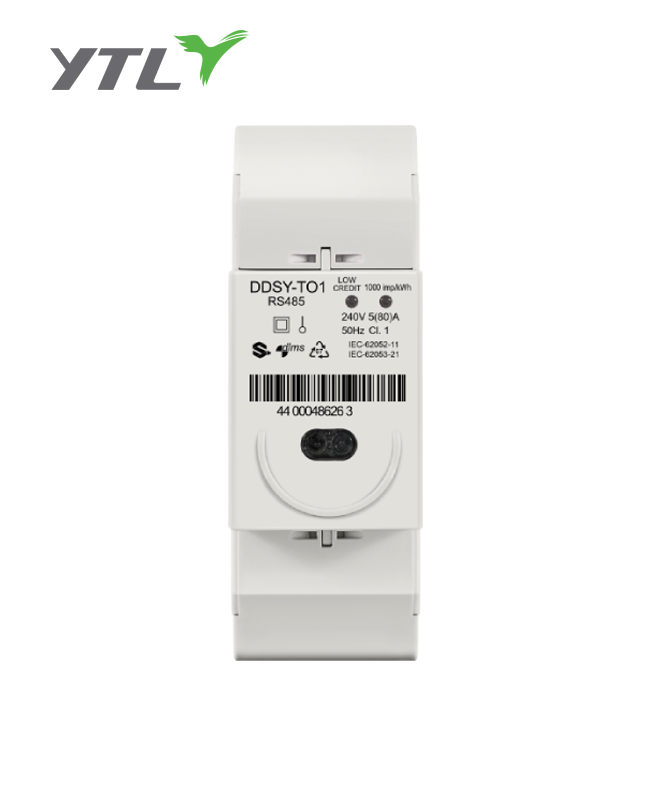
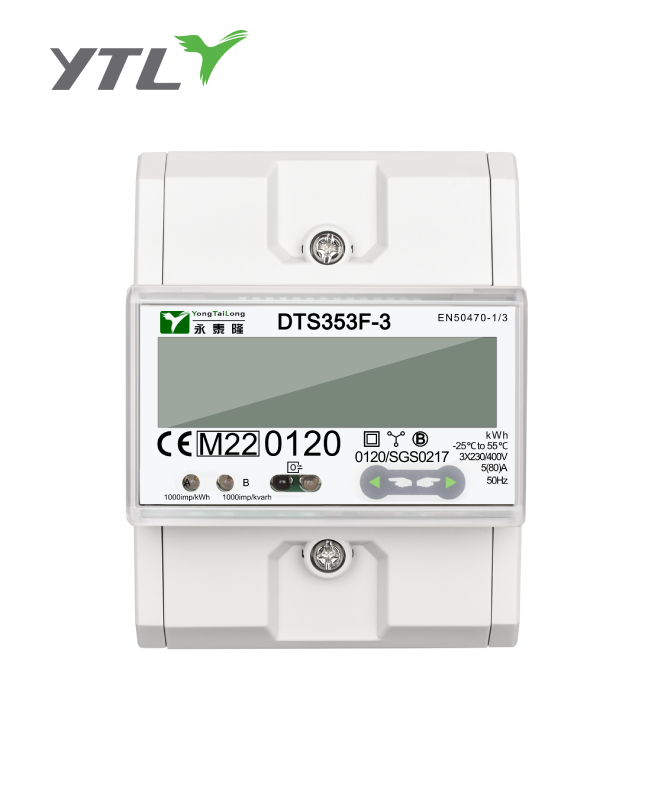
.png?imageView2/2/w/500/h/500/format/png/q/100 "YTL Two Phase Three Wire Big counter Electricity Meter")