
 English
 简体中文
简体中文



In the modern power service system, communication stability is directly related to user experience and corporate reputation. A seemingly minor communication interruption of a smart meter may lead to disputes over electricity metering, failed electricity inquiries, and even delayed fault response, ultimately resulting in customer complaints. How to avoid such risks through technological means? High stability smart meters are the key defense line to ensure service reputation. This article will start from practical scenarios and analyze how the stability of smart meters becomes the "ballast stone" of power service quality.

1、 The chain reaction of communication interruption: from data loss to trust crisis
In the traditional mode, occasional communication interruptions may only mean meter reading delays, but in the era of intelligent services, their impact will be amplified. Users are accustomed to real-time viewing of electricity consumption data through the app. If information updates are interrupted due to communication failures with smart meters, it will not only affect their electricity planning, but also raise questions about the service capabilities of the power company. For example, in a certain residential area, the collective communication module of smart meters was disrupted, resulting in two consecutive days of data loss, and users were unable to check the progress of tiered electricity usage, ultimately leading to a batch of complaints. This case demonstrates that the stability of smart meters is directly linked to customer satisfaction.
2、 Multiple Protection: How Smart Meters Build a Communication 'Safety Network'
High stability smart meters reduce interruption risks through technological redundancy design. Firstly, a dual-mode communication architecture (such as PLC+4G/RF) is adopted to automatically switch to the backup channel when the main communication path is disrupted, ensuring uninterrupted data transmission. Secondly, the built-in smart meter has self diagnostic function, which can monitor signal strength and module status in real time, and warn potential faults in advance. After upgrading to multi-mode smart meters, a certain power company's communication success rate increased from 92% to 99.5%, and the complaint rate decreased by 40%. This "prevention+redundancy" design thinking makes smart meters a reliable data bridge.
3、 Fault prediction: from passive response to active operation and maintenance
The root cause of communication interruption often lies in factors such as device aging and environmental interference. The new generation of smart meters can assist in analyzing communication link quality trends through long-term operation data accumulation. For example, a smart meter platform in a certain region detected a continuous decline in signal strength in a specific area. After investigation, it was found that it was caused by the shielding effect of newly built buildings. After timely adjustment of relay nodes, large-scale interruptions were avoided. This predictive maintenance based on smart meter data resolves problems in advance and significantly improves service continuity.
4、 Quick Recovery: How Smart Meters Minimize Interruption Effects
Even if an interruption occurs, highly stable smart meters have the ability to quickly recover. Its built-in caching mechanism can store critical electrical data, which will be automatically replenished after communication is restored to avoid permanent data loss. At the same time, smart meters support remote reset and parameter configuration, and operation and maintenance personnel can complete fault repair without on-site operation. A certain power supply bureau once experienced a communication base station failure due to thunderstorm weather, but relying on the breakpoint resume function of smart meters, more than 95% of users' data synchronization was completed within 2 hours, effectively avoiding complaints and upgrades.
5、 Transparent Communication: Rebuilding User Trust with Data
When communication interruption is inevitable, smart meters can still ensure basic services through local data recording. Some high-end smart meters are equipped with LCD screens, which can display real-time electricity consumption and billing information. Even if remote communication is suspended, users can still obtain key data. In addition, power companies can explain the reasons for interruptions and recovery progress to users through SMS, App push, and other means. This transparent communication based on smart meter data can significantly alleviate user anxiety and maintain brand image.

6、 Long term value: how stability can be transformed into service reputation
An industry report shows that the top 10% of power companies in terms of communication stability have an average customer satisfaction rate 15 percentage points higher than the industry level. High stability smart meters not only reduce the number of complaint work orders, but also accumulate user trust through continuous and reliable services. For example, a coastal city frequently experiences extreme weather during typhoon season, but its deployed smart meters have strong anti-interference capabilities and maintain over 95% communication availability, earning it the title of "the most trusted public service enterprise" by local media.
Conclusion
Although communication interruptions are difficult to completely eliminate, power companies are fully capable of minimizing their impact on service reputation by selecting highly stable smart meters, optimizing communication architectures, and establishing rapid response mechanisms. When every smart meter can become a reliable information node, power services are upgraded from basic energy supply to a digital partner worthy of users' trust.
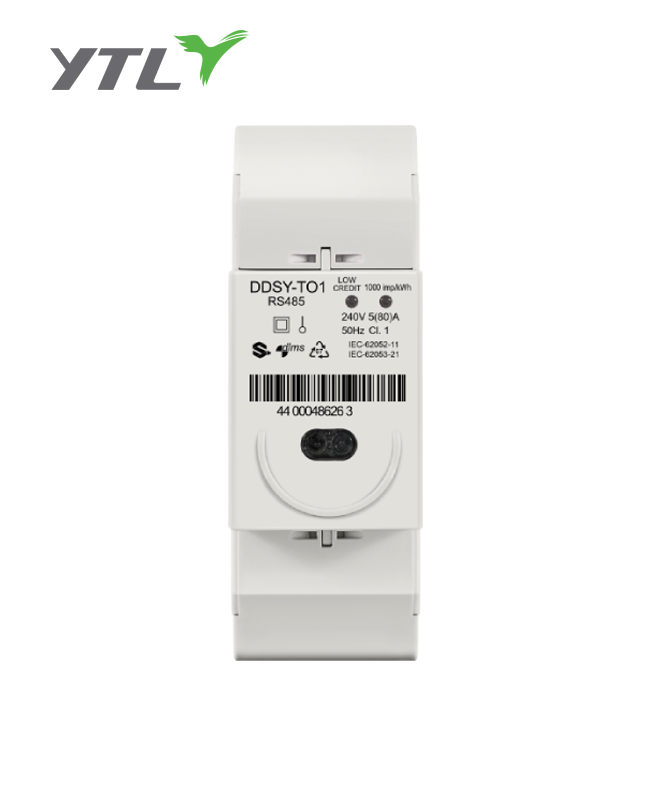
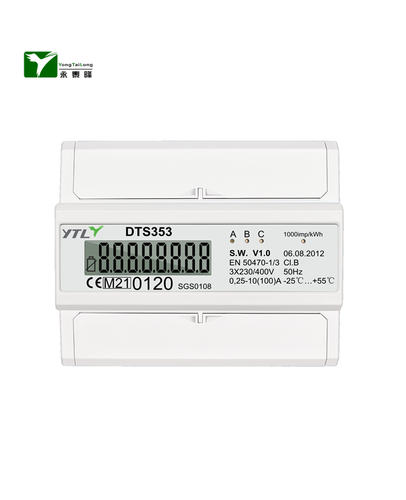
.jpg?imageView2/2/w/500/h/500/format/png/q/100 "YTL Company DTS353C DIN Rail 3P 4 Model Electricity Meter MID")
.png?imageView2/2/w/500/h/500/format/png/q/100 "YTL Two Phase Three Wire LCD Shunt sampling Energy Meter")
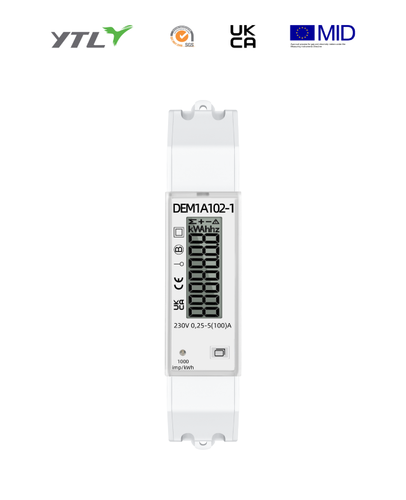
.png?imageView2/2/w/500/h/500/format/png/q/100 "YTL Single Phase Active Electronic Electricity Meter")