
 English
 简体中文
简体中文



Introduction to Single-Phase Smart Metering Technology
The global transition toward decentralized energy grids and residential energy efficiency has positioned the single-phase smart meter as a cornerstone of modern infrastructure. Unlike traditional induction meters, these electronic devices integrate high-precision measurement with bidirectional communication capabilities. For international procurement specialists and utility engineering teams, understanding the technical nuances of single-phase systems is essential for ensuring grid stability and billing accuracy. This guide provides an in-depth analysis of technical specifications, communication protocols, and comparative performance metrics.
Technical Architecture and Measuring Principles
At the heart of a single-phase smart meter lies a specialized Integrated Circuit (IC) designed for energy measurement. These meters typically employ either shunt resistors or Current Transformers (CT) for current sensing. Shunt resistors are favored for their immunity to external magnetic interference, a critical factor in preventing meter tampering in various export markets.
The measurement process involves sampling voltage and current waveforms at high frequencies. Through digital signal processing, the meter calculates active power, reactive power, and apparent power. For B2B applications, the reliability of these components determines the long-term stability of the device, especially in environments with fluctuating ambient temperatures.
Single Phase vs. Three Phase Smart Meters: A Functional Comparison
A primary consideration for many grid projects is the choice between single-phase and three-phase infrastructure. While single-phase meters are the standard for residential applications, their technical limits must be clearly understood.
| Feature | Single Phase Smart Meter | Three-Phase Smart Meter |
|---|---|---|
| Voltage Level | Typically 110V to 240V | 380V to 415V |
| Wiring Configuration | 2-Wire (Phase and Neutral) | 3-Wire or 4-Wire |
| Max Current Capacity | Generally up to 60A - 100A | Can exceed 100A per phase |
| Typical Application | Residential homes, small offices | Industrial plants, large buildings |
| Load Balancing | Not applicable | Critical for phase stability |
| Complexity | Simple installation | Requires expert calibration |
Single-phase meters are highly efficient for low-load environments. However, as residential demand increases due to Electric Vehicle (EV) charging and Heat Pumps, the current carrying capacity of the single-phase meter becomes a pivotal technical specification.
Communication Protocols: DLMS/COSEM vs. STS
For export-oriented manufacturers, interoperability is the most significant hurdle. A smart meter is only “smart” if it can communicate seamlessly with the Head-End System (HES).
1. DLMS/COSEM Standard
The Device Language Message Specification (DLMS) / Companion Specification for Energy Metering (COSEM) is the global gold standard for data exchange. It provides a common language for meters from different manufacturers to interact with a unified central system. This is crucial for large-scale utility tenders where multi-vendor environments are common.
2. STS (Standard Transfer Specification)
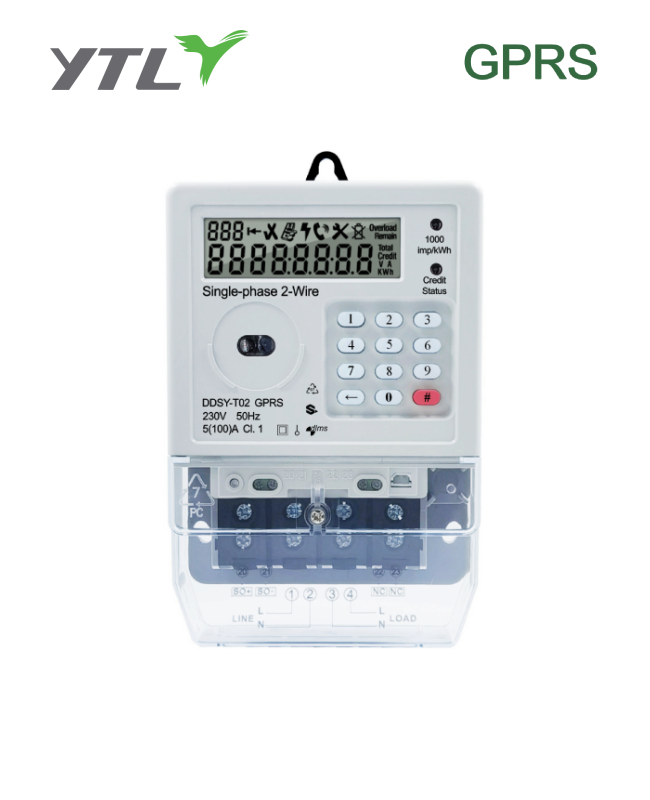
For prepaid single-phase smart meters, the STS protocol is indispensable. It ensures that credit tokens generated by one system can be securely decrypted by the meter. This is a mandatory requirement for many African and Southeast Asian markets where prepayment is the dominant billing model.
Key Performance Indicators for International Standards
When evaluating single-phase smart meters for export, technical compliance with international standards such as IEC and ANSI is non-negotiable.
- Accuracy Class: Most residential meters are Class 1.0 or Class B. This means the maximum permissible error is within 1%. For high-precision requirements, Class 0.5S meters are utilized.
- Ingress Protection (IP Rating): Exported meters must withstand diverse climates. An IP54 rating is typically the minimum for outdoor installations to prevent dust and water ingress.
- Starting Current: A high-quality single-phase smart meter should have a very low starting current (often 0.4% Ib), ensuring that even minimal energy consumption from standby devices is recorded.
Advanced Features: Anti-Tampering and Data Logging
Revenue protection is a top priority for utility companies. Advanced single-phase smart meters incorporate several layers of anti-tampering technology:
- Cover Open Detection: Sensors that log an event if the meter case or terminal cover is opened.
- Magnetic Interference Resistance: Using components that are not affected by external magnets used to slow down the meter.
- Neutral Missing Measurement: The ability to continue measuring energy accurately even if the neutral wire is disconnected or bypassed.
Data logging capabilities have also evolved. Modern meters can store “Load Profiles” for up to 90 days, recording energy usage at 15-minute or 30-minute intervals. This granular data allows utilities to implement Time-of-Use (TOU) pricing, encouraging consumers to shift their usage to off-peak hours.
Installation and Maintenance Considerations
The longevity of a single-phase smart meter—often expected to be 10 to 15 years—depends heavily on the installation environment. Thermal stability is critical; internal components must be rated for high-temperature operation, especially in tropical regions. Furthermore, the firmware of the meter should support Over-the-Air (OTA) updates, allowing utilities to patch security vulnerabilities or update communication parameters without replacing the physical hardware.
Conclusion on Global Procurement Trends
Selecting the right single-phase smart meter involves balancing cost with technical longevity. While the initial investment in a high-specification smart meter may be higher than a basic electronic meter, the reduction in operational costs—through remote reading, automated billing, and enhanced revenue protection—provides a clear return on investment for utility providers and large-scale distributors.
FAQ
1. What is the difference between an active energy meter and a reactive energy meter?
Active energy meters measure the actual power consumed by appliances to perform work (measured in kWh). Reactive energy meters measure the “phantom” power that oscillates between the source and the load (measured in kVARh), which is often used by utilities to monitor grid efficiency and motor-heavy loads.
2. Can a single-phase smart meter be used in a three-phase system?
Technically, you can use three separate single-phase meters to monitor a three-phase system, but it is not recommended for billing. A dedicated three-phase meter is designed to handle phase synchronization and vector summation, which single-phase meters cannot do.
3. What communication method is best for remote areas?
For remote or rural areas where Wi-Fi or GPRS signals are weak, RF-Mesh or PLC (Power Line Communication) is often preferred. PLC uses the existing power lines to transmit data, eliminating the need for cellular network coverage.
4. How does a prepaid smart meter work without an internet connection?
Prepaid meters using the STS protocol use a 20-digit token system. The user enters the code via a keypad on the meter or a Customer Interface Unit (CIU). The meter decrypts the code locally to add credit, meaning a continuous internet connection is not required for the basic function of adding power.
5. What does ‘Accuracy Class 1.0’ signify?
It indicates that the meter’s measurement error will not exceed 1% under standard operating conditions. This is the industry standard for residential billing worldwide.
References
- IEC 62053-21: Electricity metering equipment - Particular requirements - Part 21: Static meters for AC active energy (classes 0.5, 1 and 2).
- DLMS User Association: COSEM Interface Classes and OBIS Object Identification System.
- Standard Transfer Specification (STS) Association: Global standard for prepaid metering.
- IEEE 1377: Standard for Utility Industry Metering Communication Protocol Application Layer.
- ISO 9001: Quality management systems for manufacturing electronic measuring instruments.
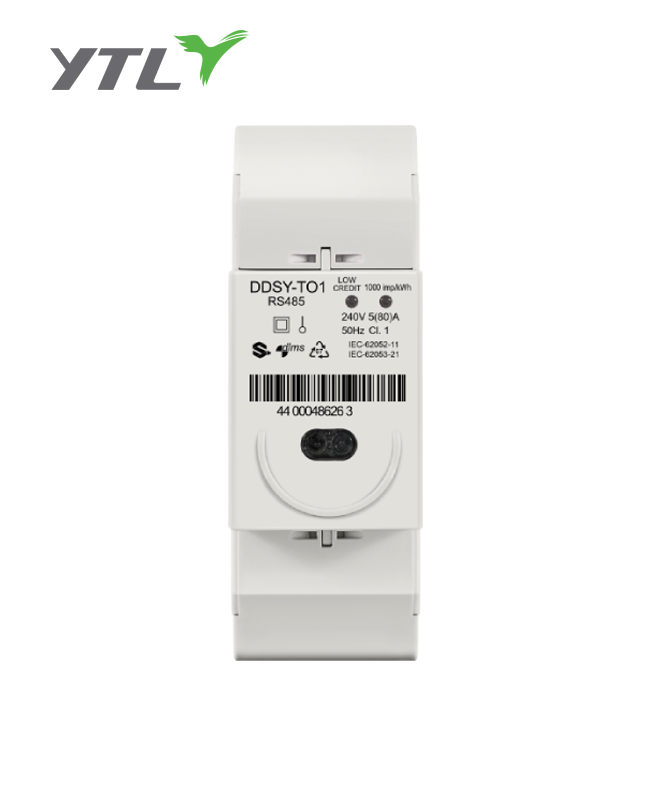
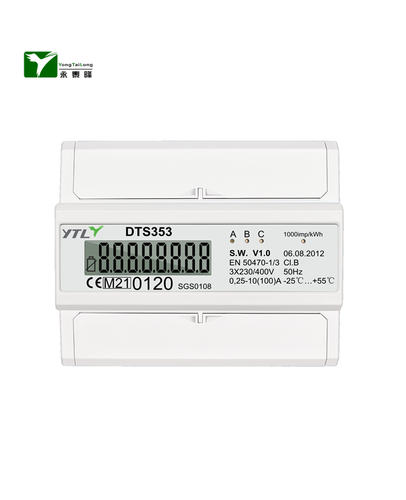
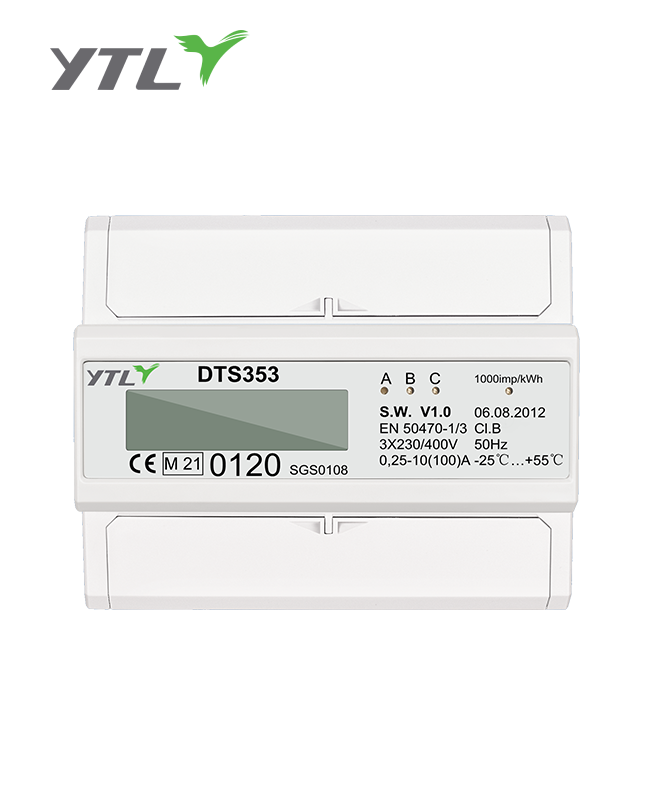
.png?imageView2/2/w/500/h/500/format/png/q/100 "YTL Single Phase Active Electronic Electricity Meter")