
 English
 简体中文
简体中文



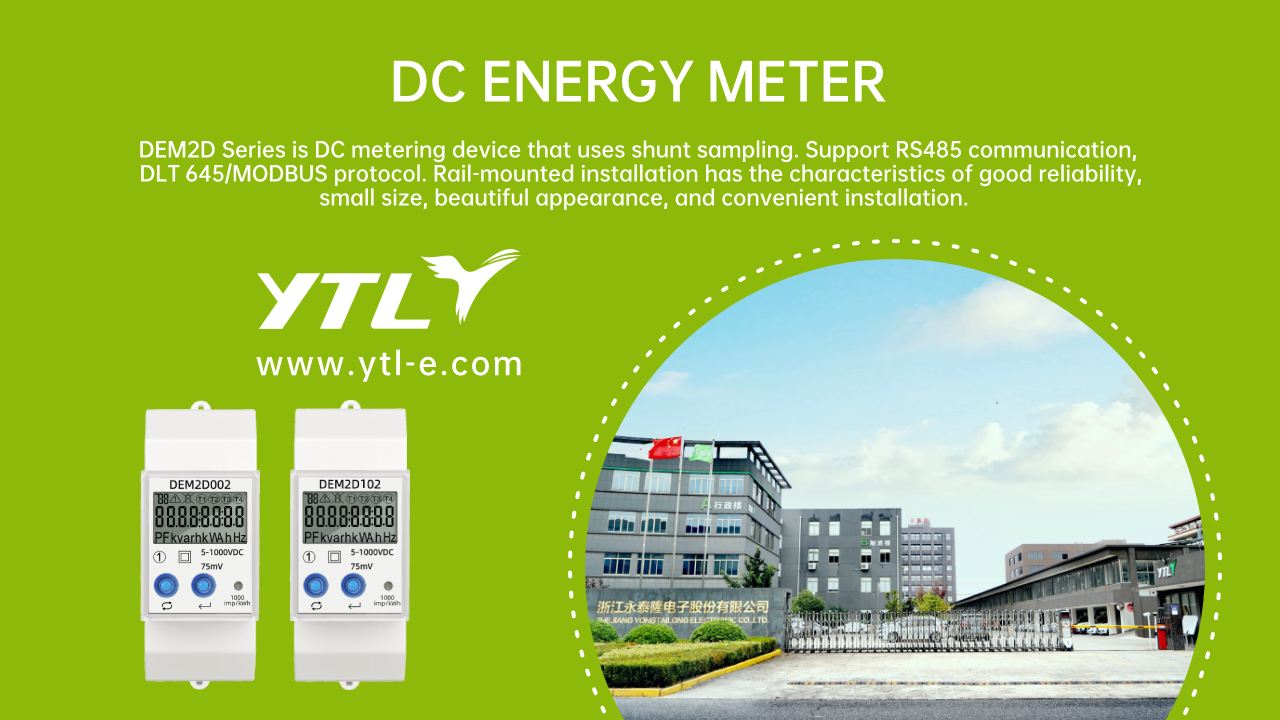
Amid the dual trends of energy transition and transportation electrification, two types of infrastructure are profoundly reshaping our energy landscape: electric vehicle (EV) charging piles and electrochemical energy storage systems. These share a seemingly small yet critical common component — the DC energy meter. Serving as the "intelligent eyes" of the DC energy world, DC energy meters have evolved from simple metering tools into core components that ensure safety, enable precise management, and close commercial loops.
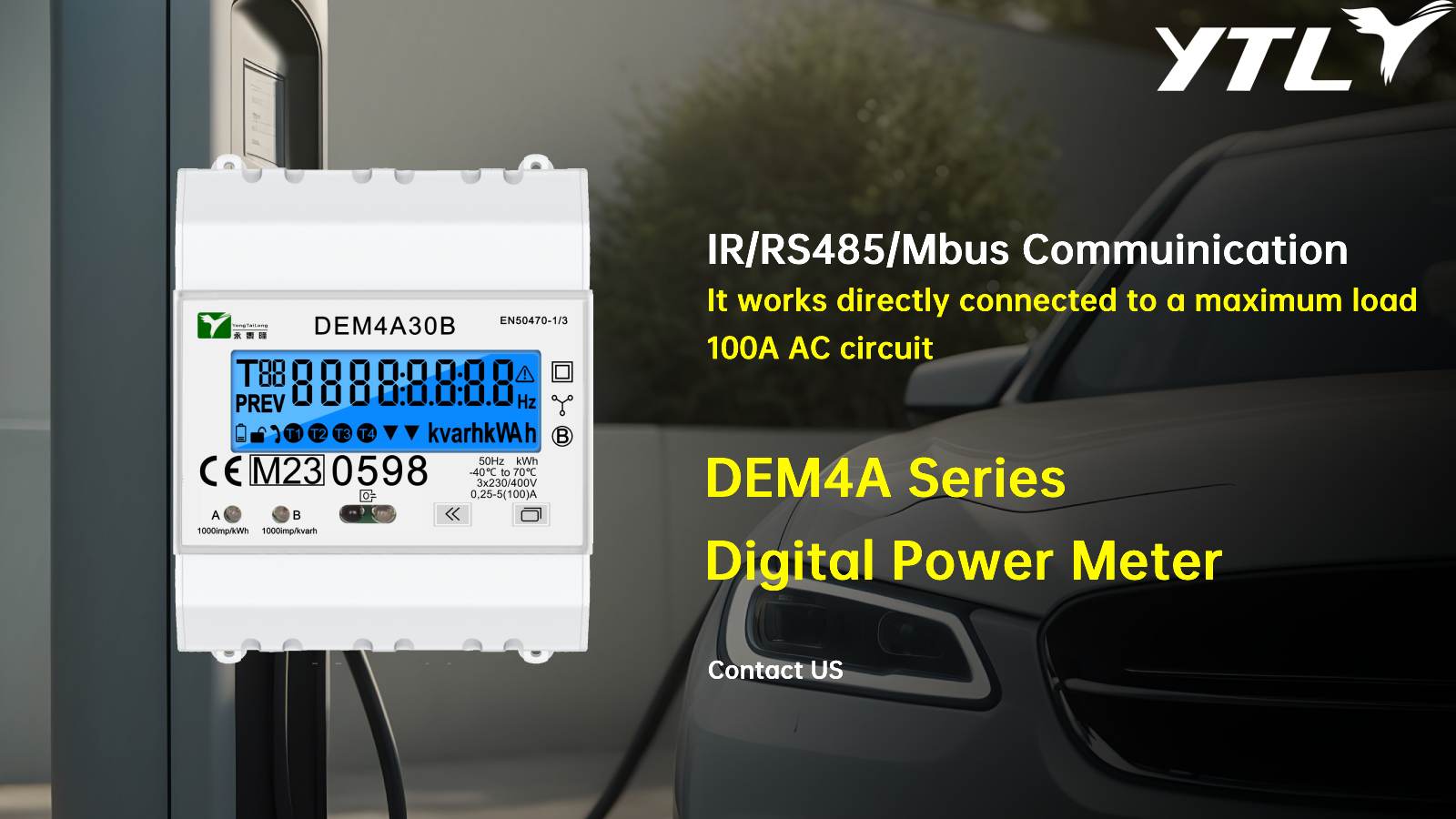
I. DC Energy Meters in EV Charging Piles — Precise Metering and Safety Guardians
Fast-charging piles for EVs widely adopt DC charging technology, which directly supplies high-voltage DC power to batteries, delivering a "charging as fast as refueling" experience. In this scenario, DC energy meters play an irreplaceable dual role.
The Cornerstone of Accurate Trade Settlement
Commercially operated public charging piles are essentially energy retail terminals. The primary function of a DC energy meter is to achieve error-free electrical energy metering. Compared with AC energy meters, DC energy meters must handle continuous currents up to hundreds of amperes and voltages as high as 1000 V, while maintaining extremely high accuracy of Class 0.5 or even Class 0.2 throughout operation. This not only ensures fair transactions between operators and vehicle owners but also serves as the legal basis for electricity settlement between power grids and charging operators. High-precision DC energy meters accurately measure every kilowatt-hour of electricity during charging, effectively avoiding disputes caused by metering deviations and maintaining a healthy order in the charging operation market.
Guardian of Charging Safety and Battery Health
The role of DC energy meters goes far beyond metering. Modern smart DC energy meters monitor key parameters such as voltage, current, power, and polarity in real time, forming the first line of defense for charging safety.
- Overload and fault protection: Real-time meter data is fed back to the charging pile control system. If abnormal current fluctuations or overranges are detected, charging can be interrupted immediately to prevent cable overheating or equipment damage.
- Charging strategy optimization: Through precise measurements, meter data helps the Battery Management System (BMS) better understand the input power status, thereby optimizing the charging curve. Especially during the "trickle charging" phase at the end of high-power charging, accurate current control effectively protects battery health and extends service life.
II. DC Energy Meters in Energy Storage Systems — Key to System Efficiency and Value Measurement
DC energy meters are even more critical in energy storage systems. An energy storage power station is essentially an interface between a DC energy pool (battery packs) and the AC power grid, and DC-side metering is the golden yardstick for evaluating system efficiency and economic viability.
The "Yardstick" for Measuring System Efficiency
The overall efficiency of an energy storage system (losses from AC power input/output to the DC battery side) is a core indicator determining its economic performance. DC energy meters are precisely installed at battery clusters or the main convergence point to measure the actual DC energy absorbed and released by batteries. By comparing data with AC-side meters, engineers can accurately calculate:
- Conversion efficiency of Power Conversion Systems (PCS)
- Battery charge and discharge efficiency
- System self-consumption and thermal management losses
These data provide direct support for optimizing system design, improving operation strategies, and increasing power station revenue.
Refined Battery Management
Large-scale energy storage power stations consist of thousands of individual battery cells, making consistency management a major challenge. Installing DC energy meters at the outlet of battery clusters enables:
- Cluster-level metering and balancing: Real-time monitoring of charge and discharge volume for each battery cluster, identifying underperforming or abnormal clusters, and providing data support for active balancing and maintenance.
- State of Charge (SOC) calibration: Combining meter-accumulated energy with BMS voltage estimates allows regular cross-calibration of battery SOC, significantly improving state estimation accuracy and preventing overcharging or over-discharging.
Supporting Diverse Business Models
Whether for peak-valley arbitrage, demand management, or participation in grid ancillary services, every charge and discharge cycle of an energy storage system represents a commercial activity. Accurate data from DC energy meters forms the foundation for internal cost accounting and external performance verification. For example, in frequency regulation services, response speed and accuracy are critical; DC-side data most authentically reflects the performance of the energy storage system itself, serving as a key credential for service quality settlement.
III. Technological Evolution and Future Outlook
With technological advancement, DC energy meters are evolving toward higher precision, greater integration, and smarter functionality.
- Integrated sensors and intelligent terminals: New DC energy meters integrate high-precision shunts or Hall sensors with built-in communication modules (e.g., RS485, CAN, or 4G), directly uploading data to cloud platforms and functioning as IoT nodes.
- Bidirectional precise metering: Fully adapted to the bidirectional energy flow of "charging" and "discharging" in energy storage systems, enabling one meter to accumulate and bill for both directions separately.
- Enhanced safety features: Integrated Arc Fault Circuit Interrupter (AFCI) functionality detects dangerous arcing in DC systems and provides early warnings — crucial for high-power charging piles and energy storage systems.
Conclusion
From EV fast-charging guns to battery bays in large energy storage power stations, DC energy meters act as a bridge connecting energy and information, with their core status increasingly consolidated. They are not only the "scale" for fair trade but also the "sentinel" ensuring system safety and the "advisor" improving economic efficiency.
With the development of new systems such as DC microgrids and photovoltaic-storage-DC-flexible systems, the role of DC energy meters will upgrade from core components to key gateways for system-level intelligent management. For charging pile operators, energy storage system integrators, and investors, choosing a technically advanced, reliably accurate, and data-transparent smart DC energy meter solution is no longer a simple equipment purchase but a strategic decision related to system safety, operational efficiency, and long-term returns.
In the future, smart DC metering units deeply integrating metering, monitoring, analysis, and control functions will undoubtedly become an indispensable digital cornerstone of new power systems.

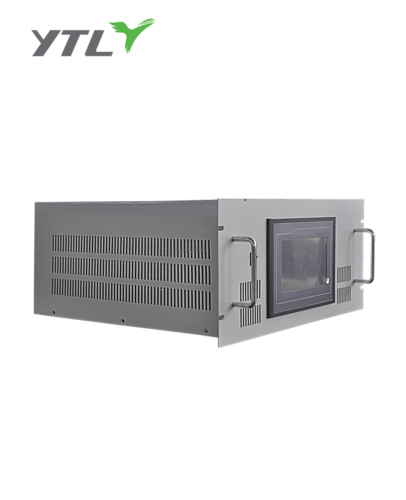
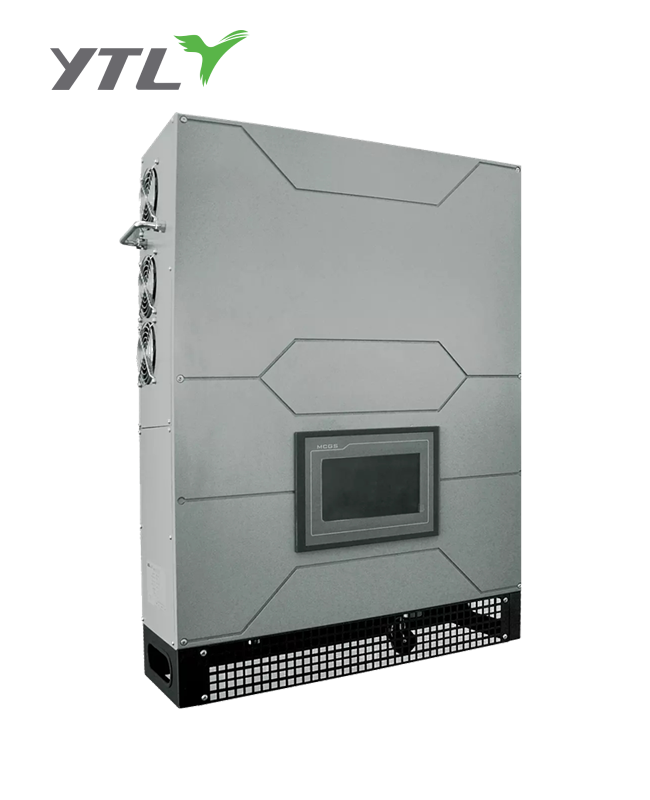
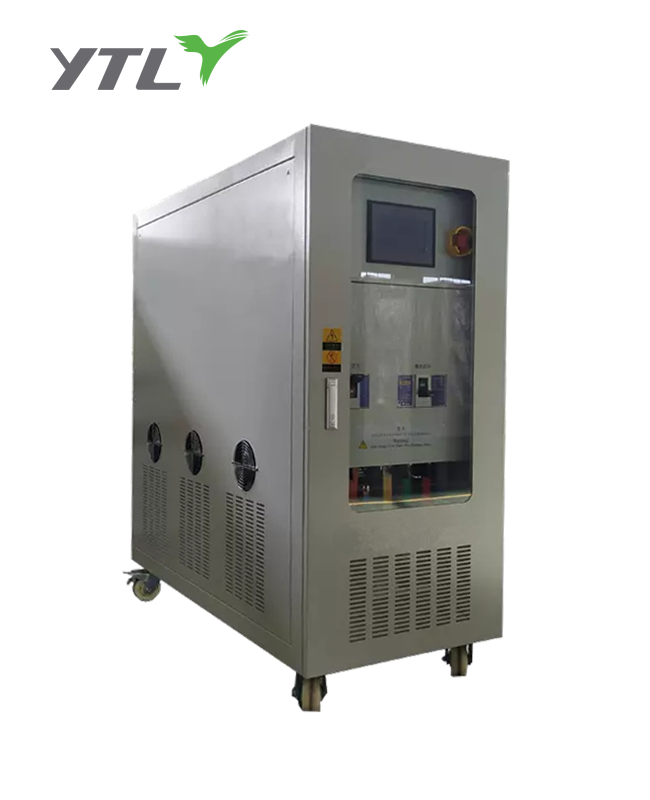
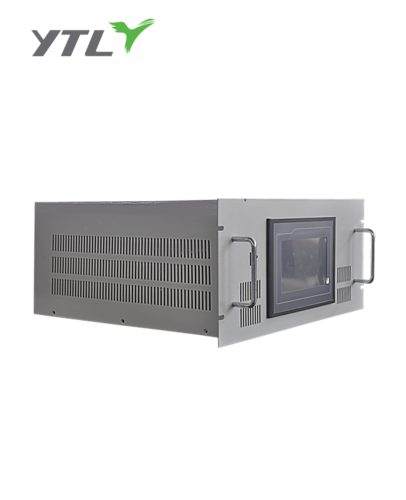
.png?imageView2/2/w/500/h/500/format/png/q/100 "YTL Two Phase Three Wire LCD Shunt sampling Energy Meter")