
 English
 简体中文
简体中文



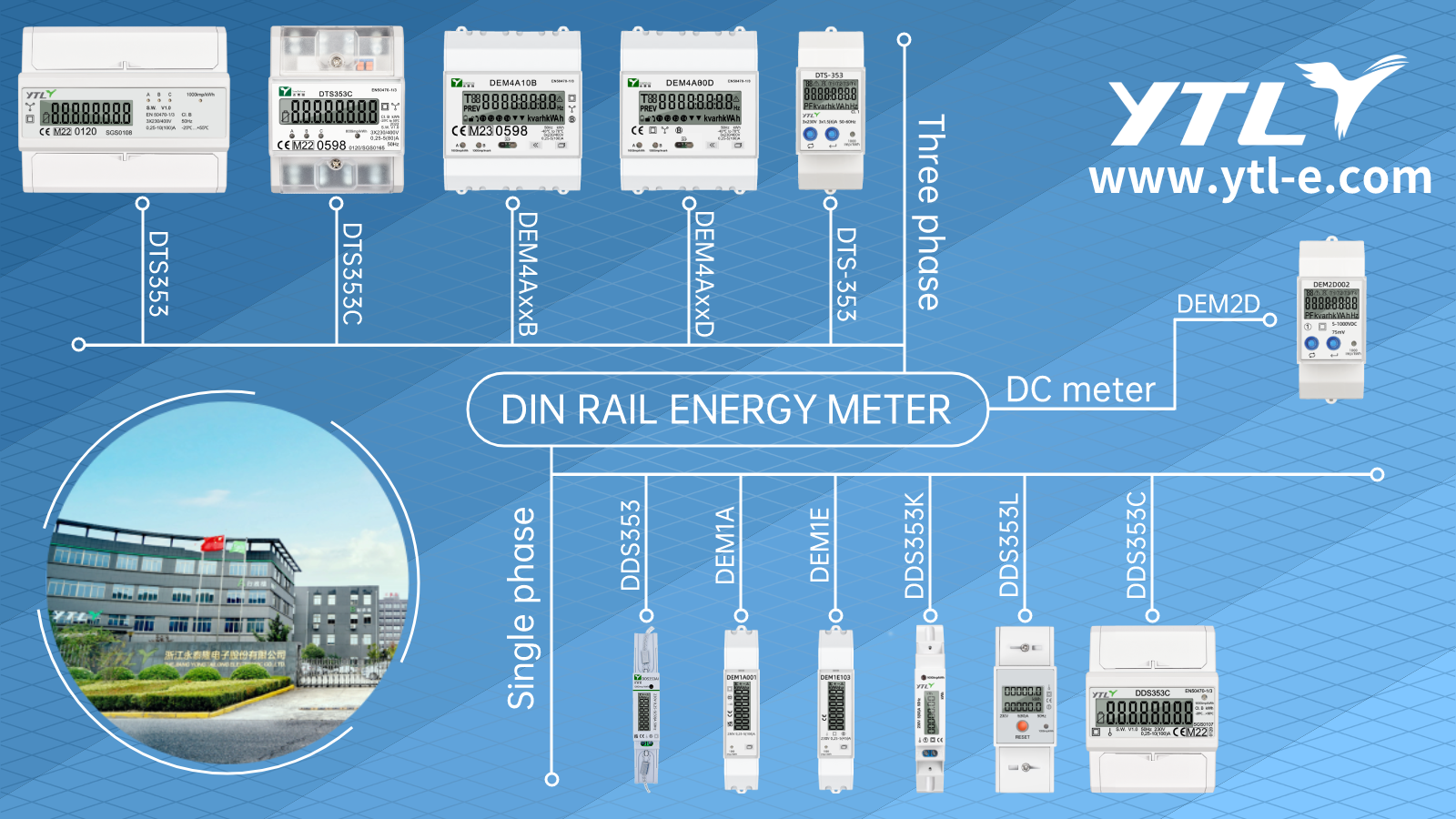
In the smart electricity management system, both high-rate electric meters and ordinary smart electric meters are common metering devices. Both have basic intelligent functions such as digital metering and data transmission, but there are significant differences in their targeted electricity consumption scenarios, core performance, and application value. Ordinary smart electric meters mainly meet the metering and basic management needs of conventional electricity consumption scenarios, while high-rate electric meters have been upgraded in terms of data collection speed, processing capability, and scenario adaptability, making them more suitable for high-dynamic and high-demand electricity monitoring needs. A clear understanding of the differences between the two helps users select more suitable equipment based on their own electricity consumption situation, avoiding problems of excessive functions or insufficient capabilities.
Core Difference 1: Different Data Collection and Transmission Rates
Data collection and transmission rates are the core differences between high-rate electric meters and ordinary smart electric meters, directly determining the accuracy of electricity data capture and feedback efficiency of the two. The collection rate of ordinary smart electric meters can usually meet the needs of daily electricity monitoring. For example, they collect basic data such as electricity consumption, voltage, and current at the minute or hour level, and the data transmission interval is relatively long, usually uploading data once every few minutes to dozens of minutes. This rate is sufficient to support electricity statistics, remote meter reading, and basic electricity fee settlement in conventional scenarios such as households and small shops.
High-rate electric meters, on the other hand, have achieved a significant improvement in rate. Their data collection can reach the second-level or even millisecond-level, enabling real-time capture of subtle changes in electricity parameters, such as instantaneous current fluctuations and power peaks. They also adopt more efficient communication technologies for data transmission, supporting real-time or near-real-time data upload to ensure that electricity data can be quickly synchronized to the management platform. This high-rate feature allows high-rate electric meters to more accurately restore the dynamic changes in the electricity consumption process, avoiding data omissions caused by overly long collection intervals. They are especially suitable for scenarios with high timeliness requirements for electricity data, providing more detailed data support for subsequent refined electricity management.
Core Difference 2: Different Adapted Electricity Consumption Scenarios
Due to differences in performance, high-rate electric meters and ordinary smart electric meters have different focuses on adapted electricity consumption scenarios, corresponding to different electricity needs and management goals respectively. The adapted scenarios of ordinary smart electric meters are mainly conventional and low-dynamic electricity consumption, such as residential household electricity consumption. In such scenarios, the electricity-consuming equipment is relatively fixed, and the electricity load fluctuates gently, so high-frequency monitoring is not required. For small commercial places such as convenience stores and small offices, electricity demand is concentrated on lighting, air conditioning, and basic office equipment, and the basic metering and remote meter reading functions of ordinary smart electric meters can meet the needs. Some small manufacturing enterprises can also use ordinary smart electric meters for basic electricity management if their production processes are stable and the electricity load changes little.
High-rate electric meters, however, are more suitable for high-dynamic and high-demand electricity consumption scenarios. For example, in large industrial enterprises, there are many production equipment, and the electricity load fluctuates frequently and sharply, requiring real-time monitoring of load changes to avoid overload or energy waste. In new energy-related scenarios such as photovoltaic power stations and energy storage systems, the processes of electric energy output and charging-discharging are highly dynamic, requiring high-frequency data to support power adjustment and efficiency optimization. For places such as data centers and large commercial complexes, the electricity-consuming equipment is dense and the requirements for power supply stability are high. High-rate electric meters can timely capture voltage and current abnormalities, providing rapid early warning for safe power supply. The timeliness and accuracy requirements for electricity data in these scenarios are far higher than those in conventional scenarios, which ordinary smart electric meters cannot meet, while the performance advantages of high-rate electric meters can be fully adapted.
Core Difference 3: Different Function Expansion and Application Value
Beyond basic functions, there are also obvious differences between the two in terms of function expansion space and final application value, which directly affect the management benefits that users can obtain. The function expansion of ordinary smart electric meters is relatively limited. In addition to basic metering and remote meter reading, they usually only support simple electricity early warnings (such as reminders for insufficient electricity balance) and time-of-use electricity price statistics. Their application value is concentrated on simplifying the meter reading process, ensuring accurate metering, and assisting in electricity fee settlement, helping users achieve "clear electricity consumption", but they cannot support more in-depth electricity optimization and refined management.
High-rate electric meters, by contrast, have stronger function expansion capabilities. Based on high-frequency data and powerful processing capabilities, they can expand advanced functions such as load forecasting, equipment status diagnosis, and energy-saving potential analysis. For example, by analyzing historical high-frequency electricity data, they can predict the electricity load in a future period, providing references for production plan adjustment or power grid dispatching; by monitoring subtle changes in equipment electricity consumption, they can determine whether the equipment has problems such as aging or failure, and issue early warnings to reduce downtime losses; by accurately analyzing electricity consumption in various links, they can locate energy waste points and provide data basis for energy-saving transformation. These expanded functions make the application value of high-rate electric meters far beyond simple metering, helping users achieve "efficient and optimized electricity consumption", reduce energy costs, improve operational efficiency, and bring more practical economic benefits to enterprises.
There is no "superiority or inferiority" between high-rate electric meters and ordinary smart electric meters, but only "difference in adaptability". Ordinary smart electric meters meet the basic needs of conventional electricity consumption scenarios with high cost-effectiveness and are the mainstream choice for public daily electricity management; high-rate electric meters, through performance upgrades, adapt to high-dynamic and high-demand electricity consumption scenarios and provide support for in-depth electricity management. When choosing, users do not need to blindly pursue "high rate", but only need to consider the dynamics of their own electricity consumption scenarios and the accuracy of data needs, so as to select electric meter equipment that can not only meet the needs but also has cost-effectiveness, and truly exert the management value of smart electric meters.
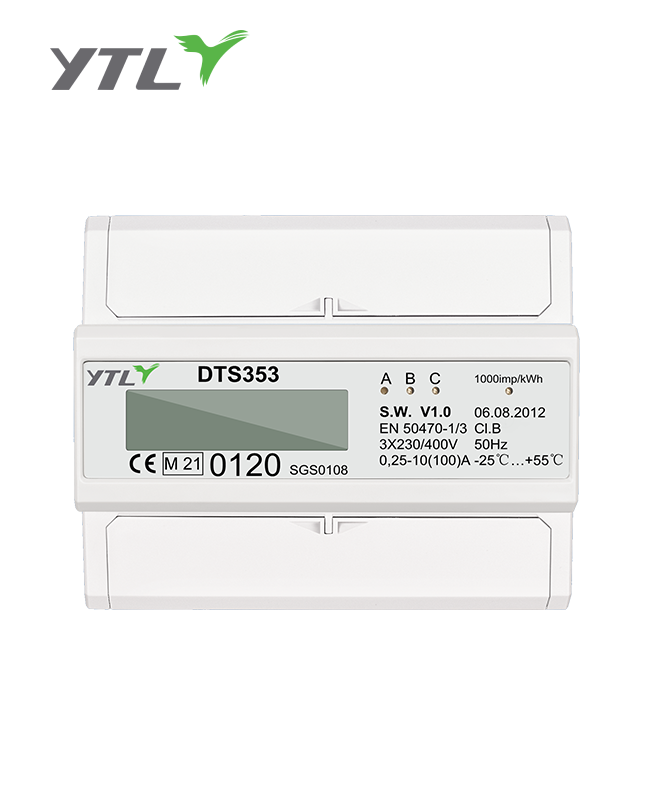
.png?imageView2/2/w/500/h/500/format/png/q/100 "YTL Two Phase Three Wire Big counter Electricity Meter")
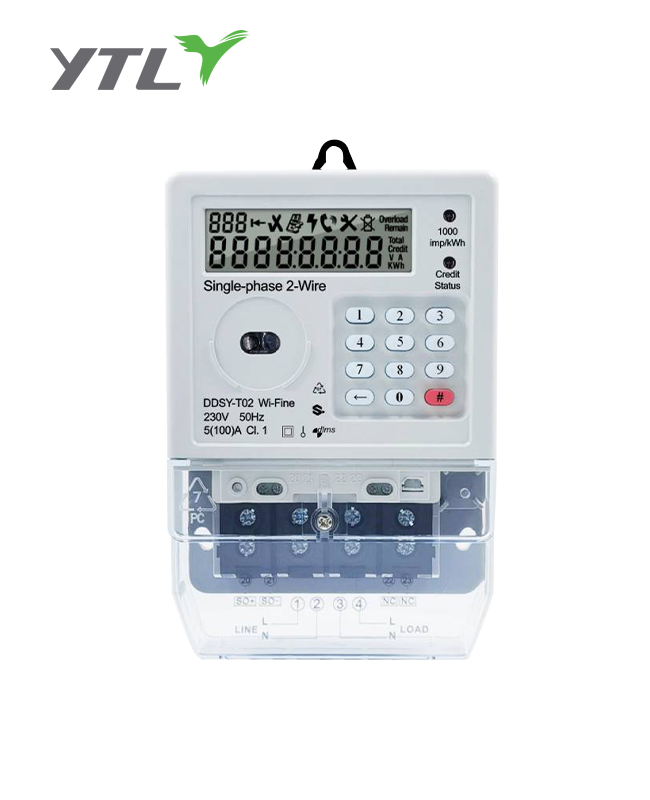
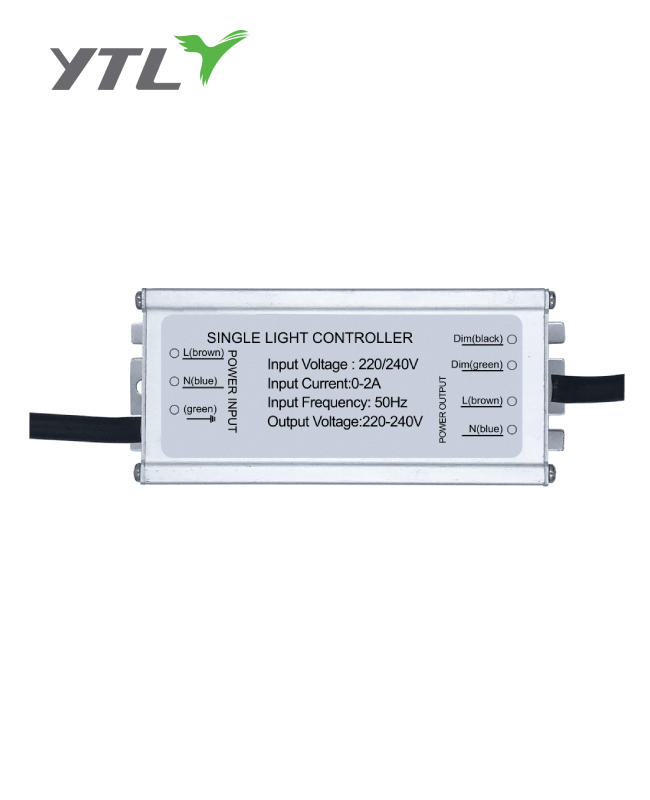
.png?imageView2/2/w/500/h/500/format/png/q/100 "YTL Single Phase Active Electronic Electricity Meter")