
 English
 简体中文
简体中文



An outdoor electric meter measures the amount of electricity your home consumes, which is then used by your utility company to calculate your bill. Understanding how it works can help you monitor your energy usage, spot potential issues, and ensure your billing is accurate.
1. Introduction
An outdoor electric meter is a device installed outside a home or building that measures the total amount of electrical energy consumed over a period of time. Its primary purpose is to provide an accurate record of your electricity usage for billing purposes. For homeowners, understanding your electric meter is crucial for several reasons. It allows you to track your energy consumption, identify potential issues like high usage or faulty appliances, and verify the accuracy of your utility bills. It's a key tool for managing your energy budget and promoting conservation.
| Key Benefit | Why It's Important |
|---|---|
| Budget Management | Tracking your usage helps you avoid bill surprises and adjust your habits to save money. |
| Troubleshooting | Monitoring your meter can alert you to problems, such as a major appliance consuming more power than it should. |
| Billing Accuracy | Knowing how to read your meter allows you to double-check your bill and ensure you're only paying for the electricity you've used. |
2. Understanding Your Outdoor Electric Meter
Components of an Electric Meter
An electric meter is a sophisticated device made up of several key parts that work together to accurately measure your home's electricity consumption.
- Meter Box/Enclosure: This is the protective casing, typically made of metal or heavy-duty plastic, that houses the electric meter. It's designed to shield the internal components from the elements and prevent unauthorized access.
- Meter Socket: The meter socket is a secure, standardized base where the meter plugs in. It's the point of connection between your home's wiring and the utility company's power lines.
- Meter Itself: This is the core component that does the measuring. You'll either have a digital or analog meter, each with its own way of displaying consumption.
- Seals and Other Security Features: Utility companies place official seals on the meter box and the meter itself to ensure its integrity. These seals, often small plastic or metal tags, show that the meter hasn't been tampered with.
Types of Electric Meters
There are two primary types of electric meters you may find outside your home: analog and digital.
- Analog (Electromechanical) Meters: These are the older, traditional meters. They use a spinning metal disc and a series of dials to measure electricity. The disc's speed is proportional to the amount of power being used—the faster it spins, the more electricity you're consuming.
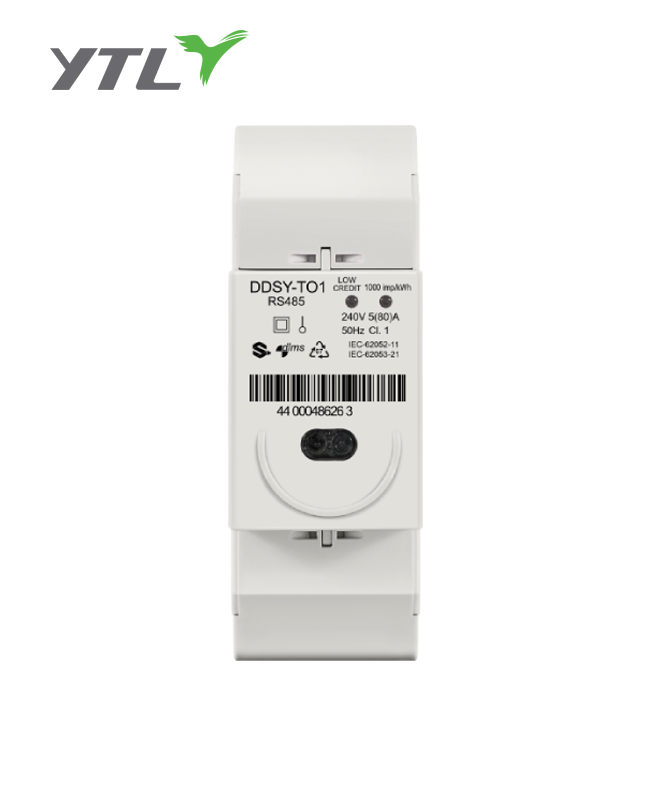
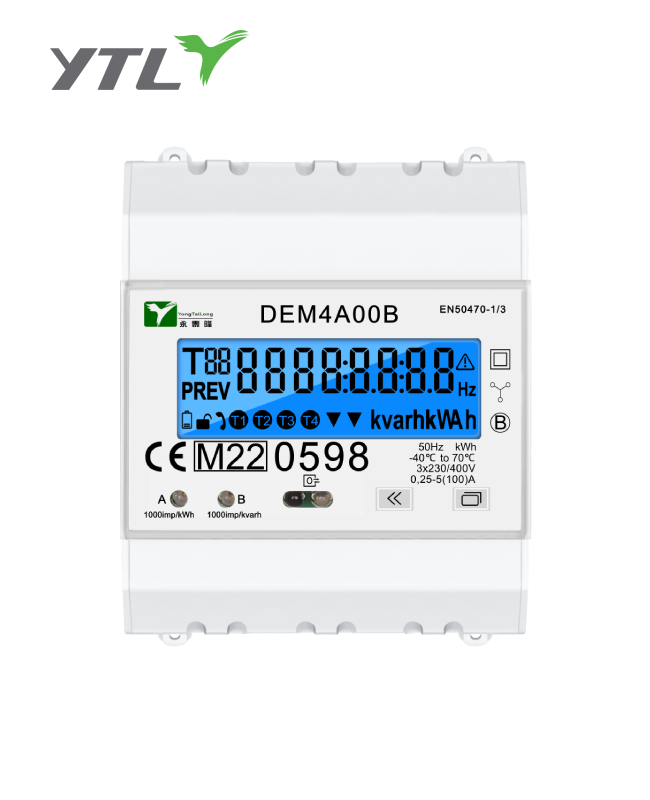
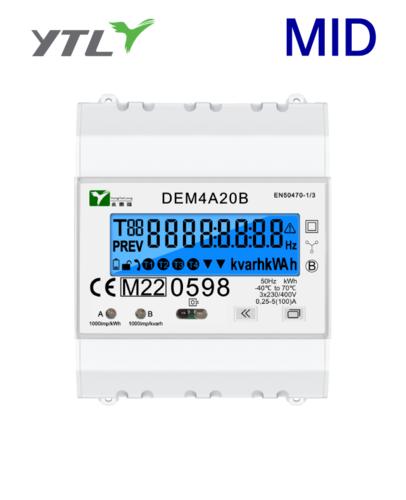
- Digital (Smart) Meters: These are the modern standard. Digital meters have an electronic display that shows your electricity usage in kilowatt-hours (kWh). Many are "smart" meters, meaning they can communicate directly with the utility company, sending readings automatically and eliminating the need for a meter reader to visit your property.
How to Read Your Electric Meter
Reading your meter is a simple process once you know how.
Analog Meter Reading
Analog meters have a row of four or five dials that look like small clocks. To read them, you read the dials from right to left.
| Step | Instruction |
|---|---|
| 1 | Start with the rightmost dial and work your way left. |
| 2 | Note the number that the hand has just passed, not the one it's pointing at. |
| 3 | If the hand is between two numbers, always choose the lower number. |
| 4 | If the hand is pointing directly at a number, check the dial to its right. If the hand on that dial has passed zero, you can use the number the hand is pointing at; if not, use the next lowest number. |
| 5 | Write down the digits in order to get your reading. |
Digital Meter Reading
Digital meters are much simpler to read as they show the numbers directly on a display screen.
| Meter Type | Instruction |
|---|---|
| Standard Digital | The display shows a single number, which is your current meter reading in kWh. Simply read and record this number. |
| Smart Meter | The display may cycle through several readings (e.g., current usage, peak usage, time of day). Look for the reading labeled "kWh" or a similar indicator to get your total consumption. |
3. Accessing Your Outdoor Electric Meter
Gaining Access
Understanding who is authorized to access your outdoor electric meter is a key part of responsible homeownership. While the meter is located on your property, it is generally considered the property of the utility company.
- Homeowner Access: You have the right to access your meter to read it, especially if you have an older, analog model. However, you should never attempt to open the meter box itself or tamper with the meter's internal components.
- Utility Company Access: Utility workers have the legal right to access the meter for a variety of reasons, including reading it (if not a smart meter), performing maintenance, or conducting inspections. They are the only ones authorized to break seals and perform work on the meter itself.
Access is typically needed for these specific situations:
| Reason for Access | Who Needs to Access |
|---|---|
| Routine Reading | Utility company representative (for analog meters) or homeowner. |
| Maintenance/Repair | A qualified utility technician. |
| Installation/Upgrade | A qualified utility technician. |
| Emergency | A qualified utility technician, particularly for issues like power outages or safety hazards. |
Safety Precautions
Working around any electrical equipment requires a strong awareness of safety. The electric meter is a critical piece of the electrical infrastructure, and you must treat it with respect to avoid injury.
- General Safety Guidelines: Always maintain a clear, safe space around your electric meter. Do not store items that could block access or pose a fire risk. Keep vegetation trimmed away from the meter box.
- Damaged or Exposed Wiring: If you notice any exposed, frayed, or damaged wiring on or near your meter, do not touch it. Immediately contact your utility company. This is a serious safety hazard that requires professional attention.
- Water and Electricity Don't Mix: Never attempt to inspect or work on your meter in wet conditions. Water can conduct electricity, creating a significant shock hazard.
- Keep Children and Pets Away: Teach children not to play near the meter. The curiosity of a child or pet can lead to dangerous situations.
4. Common Issues and Troubleshooting
Encountering a problem with your electric meter can be confusing. Knowing how to identify and respond to common issues can help you resolve them quickly and safely.
Troubleshooting Common Problems
Here are some typical issues you might encounter and what they could mean:
- Meter not spinning/displaying: If your analog meter's disc isn't spinning or your digital meter's display is blank, it doesn't automatically mean your meter is broken. If your power is out, the meter won't show any activity. However, if your power is on but the meter is not registering any usage, it could indicate an issue with the meter itself.
- Unusually high or low readings: A sudden, unexplained jump in your reading can signal a few things: a faulty meter, a new appliance that is consuming more power than you realized, or an electrical issue in your home. Conversely, an unusually low reading may also indicate a problem with the meter's function.
- Meter tampering or damage: This is a serious issue. Signs of tampering include broken seals, visible damage to the meter or its box, or wires that look disconnected or re-routed. Tampering is illegal and extremely dangerous.
When to Contact Your Utility Company
For most issues, the safest and most effective solution is to contact your utility provider. They have the expertise and equipment to handle these problems safely.
| Issue | Action to Take |
|---|---|
| Suspected Malfunction | If you think your meter is not reading correctly, contact your utility company. They can send a technician to test or replace the meter. |
| Suspected Tampering | Do not touch or attempt to fix a tampered meter. This is an immediate safety risk. Call your utility company to report it immediately. |
| Power Outages/Safety Concerns | If you have a power outage that seems to be related to your meter or if you see sparks, smoke, or exposed wires, call your utility company's emergency line immediately. Do not approach the meter. |
5. Regulations and Compliance
Understanding the rules and regulations surrounding your electric meter is crucial for safe and legal operation. These rules are in place to protect both you and the public infrastructure.
Local Codes and Regulations
Electric meters and all related wiring are subject to strict local, state, and national electrical codes, such as the National Electrical Code (NEC) in the United States.
- Overview of Relevant Codes: These codes dictate how electrical equipment must be installed and maintained to prevent fires, shocks, and other hazards. They cover everything from the proper height of the meter box to the size of the wires connecting it.
- Permitting Requirements: Any work that involves the electric meter or the main electrical panel (like an upgrade or a new installation) must be done by a licensed electrician and requires a permit from the local authority. This ensures the work is inspected and meets safety standards. Attempting to do this work yourself is illegal and extremely dangerous.
Working with Your Utility Company
Your relationship with the electric meter is managed through your utility company. They are responsible for the meter's function and the accuracy of your bill.
- Understanding Your Utility Bill: Your bill breaks down your electricity usage and the cost. The primary charge is typically for the number of kilowatt-hours (kWh) you've consumed, as measured by your meter. Understanding how to read your meter allows you to cross-reference the usage on your bill.
- Energy Efficiency Programs: Many utility companies offer programs or incentives to help homeowners reduce their energy consumption. These can include rebates for energy-efficient appliances, free energy audits, and off-peak pricing plans that encourage you to use less electricity during high-demand hours.
Here's a quick guide to common regulations:
| Regulation Aspect | Responsibility |
|---|---|
| Meter Installation | Utility company and licensed electrician. |
| Meter Maintenance | Utility company. |
| Wiring from Meter to Home | Homeowner, but work must be done by a licensed professional. |
| Permits for Upgrades | Homeowner (obtained by the licensed electrician performing the work). |
| Billing Accuracy | Utility company, with oversight from state regulatory commissions. |
6. Advanced Metering and Smart Grids
The technology behind electric meters is evolving rapidly, moving beyond simple measurement to become a key part of a modern, efficient electrical system known as the smart grid.
Smart Meter Technology
Smart meters represent the next generation of electric meters. They are digital meters with two-way communication capabilities, allowing them to send real-time usage data back to the utility company and receive information in return.
- Benefits for Homeowners: Smart meters offer significant advantages. They eliminate the need for manual meter readings, leading to more accurate billing and ending estimated bills. They can also provide you with detailed, real-time data on your energy usage, which you can often access through a web portal or mobile app. This data empowers you to make informed decisions about your energy consumption and identify opportunities for savings.
- Data Privacy and Security Concerns: The data collected by smart meters is highly detailed and can reveal patterns of occupancy and appliance use. This has raised concerns about data privacy. Utility companies have established protocols to protect this information, and regulations are in place to govern how this data can be collected, stored, and used.
The Future of Electric Metering
The integration of smart meters is a cornerstone of the broader smart grid.
- Emerging Technologies and Trends: The future of electric metering will focus on greater integration with home energy management systems, enabling automated control of appliances based on real-time energy prices. Meters may also play a bigger role in managing distributed energy resources, such as solar panels and electric vehicle charging stations, helping to balance the grid more effectively.
Here is a comparison between traditional and smart meters:
| Feature | Traditional Meter | Smart Meter |
|---|---|---|
| Data Collection | Manual, periodic readings | Automatic, real-time data transmission |
| Billing Accuracy | Can be based on estimates | Highly accurate, based on actual usage |
| Consumer Access | Limited (requires manual reading) | Detailed, real-time data via app or web portal |
| Efficiency Benefits | Minimal | Supports energy management and cost savings |
| Grid Integration | Standalone device | Integrated part of a smart grid |
Conclusion
Understanding your outdoor electric meter is more than just a matter of reading numbers; it's about taking control of your home's energy consumption and ensuring your safety. By familiarizing yourself with your meter's components and how to read it, you can become a more informed and empowered homeowner.
The transition from analog to digital meters, and the ongoing development of smart grid technology, is changing the way we interact with electricity. These advancements offer new opportunities for greater control, more accurate billing, and improved energy efficiency.
Ultimately, whether you have an old electromechanical meter or a new smart meter, the core principles remain the same: monitor your energy usage, ensure the meter is secure, and prioritize safety. By following these guidelines and working with your utility company, you can manage your energy costs effectively and contribute to a safer, more sustainable electrical system for everyone.
| Key Takeaway | Importance for Homeowners |
|---|---|
| Know Your Meter | Allows you to track energy usage and verify bill accuracy. |
| Prioritize Safety | Prevents accidents by respecting electrical equipment and reporting damage. |
| Stay Informed | Helps you take advantage of new technology and energy-saving programs. |
| Communicate with Utility | Ensures proper maintenance, billing, and timely resolution of issues. |