
 English
 简体中文
简体中文



In complex environments such as urban canyons, underground spaces, and remote mountainous areas, traditional communication methods often face challenges such as signal attenuation and severe interference. As the core node of energy digitization, the communication stability of smart meters directly affects the integrity and real-time performance of data collection. Faced with increasingly complex application scenarios, how can the new generation of smart meters break through environmental limitations and achieve reliable communication with ubiquitous signals? This article will delve into the communication technology breakthroughs and application practices of smart meters in complex environments.

1、 Complex environmental challenges: Three major challenges in smart meter communication
In practical deployment, smart meter communication mainly faces three major challenges: firstly, physical obstacles, such as the "urban canyon" formed by densely populated high-rise buildings, which can lead to signal multipath attenuation; Secondly, there is electromagnetic interference, as large equipment operating in industrial parks can generate strong electromagnetic noise; Finally, there is a distance limitation, as insufficient coverage of base stations in remote mountainous areas leads to communication distance exceeding the limit. In the renovation project of an old urban area in a coastal city, the first batch of deployed smart meters had a communication success rate of less than 70% due to narrow alleys and thick walls, seriously affecting data collection efficiency.
2、 Technological breakthrough: Multi dimensional communication architecture creates seamless coverage
To solve communication difficulties in complex environments, modern smart meters adopt a communication architecture of "primary backup collaboration, multi-layer complementarity". The main communication channel usually uses PLC (power line carrier) technology with strong anti-interference ability to transmit data through power lines, effectively avoiding spatial obstacles; The backup channel can flexibly choose wireless communication methods such as 4G, LoRa, or low-power wireless based on environmental characteristics. In response to terrain obstruction, a power supply company in a mountainous county integrated LoRaWAN communication modules into smart meters and cooperated with the construction of relay nodes, increasing the communication success rate to 99.2%.
3、 Adaptive tuning: the "environmental perception" capability of smart meters
The new generation of smart meters has the ability to adapt to the environment, and through the built-in signal quality detection algorithm, it can evaluate the communication channel status in real time and dynamically adjust parameters. When a decrease in signal strength is detected, the smart meter will automatically increase the transmission power or switch the communication mode; In heavily interfered industrial areas, smart meters will use frequency hopping technology to avoid contaminated frequency bands. This intelligent tuning mechanism enables smart meters to actively adapt to environmental changes like "smart terminals", ensuring the stability of communication links.

4、 Networking Innovation: From Single Point Transmission to Mesh Collaboration
The communication capability of a single smart meter is limited, but a collaborative communication network can be formed through networking technology. The smart meter system based on Mesh network allows devices to relay data to each other, and signals can be transmitted along multiple paths to the concentrator. In a certain underground pipe gallery project, smart meters transmit data from deep underground to ground receiving points through multi hop relay, successfully solving the problem of signals being unable to penetrate thick concrete layers in traditional solutions. This relay based communication mode greatly expands the coverage range of smart meters.
5、 Extreme case: Communication security practices in special environments
In extreme environments, customized solutions are required for smart meter communication. The microgrid project on a certain island is facing harsh conditions such as salt spray corrosion and frequent typhoons. Therefore, a corrosion-resistant smart meter with a protection level of IP68 has been specifically selected, and satellite communication has been used as a backup link. When the main communication is interrupted due to weather, the smart meter automatically activates the satellite channel to transmit key data, ensuring the stable operation of the offshore power grid. This case demonstrates that through targeted design, smart meters can maintain smooth communication even in the most demanding environments.
6、 Operation and maintenance guarantee: intelligent diagnosis and fast recovery mechanism
Communication stability not only depends on hardware performance, but also requires comprehensive operational support. The modern smart meter management system has intelligent communication fault diagnosis function, which can accurately locate problem nodes and generate disposal plans. When there is a communication interruption among smart meters in a certain area, the system will automatically analyze factors such as terrain and weather to recommend the optimal solution. After a certain power supply company introduced an AI diagnostic platform, the average repair time for communication faults in smart meters was shortened from 48 hours to 4 hours, and the operation and maintenance efficiency was significantly improved.
7、 Future prospects: Evolution of communication technology and upgrading of smart meters
With the development of new technologies such as 5G-A and satellite IoT, the communication capability of smart meters will continue to evolve. The next generation of smart meters will support integrated communication between heaven and earth, and data can be transmitted through low orbit satellites in areas where ground networks cannot cover; Meanwhile, AI based predictive communication scheduling technology will enable smart meters to anticipate channel changes and switch to the optimal communication path in advance. These innovations will completely eliminate communication blind spots and achieve true global coverage.
Conclusion
From underground cities to remote mountainous areas, from industrial workshops to coastal islands, the continuous innovation of smart meter communication technology is constantly breaking through environmental limitations. Through multidimensional communication architecture, intelligent adaptive algorithms, and collaborative networking strategies, modern smart meters have the ability to achieve fast and stable communication in complex environments. As technology evolves, smart meters will become ubiquitous energy data nodes, laying a solid foundation for building a resilient energy Internet.
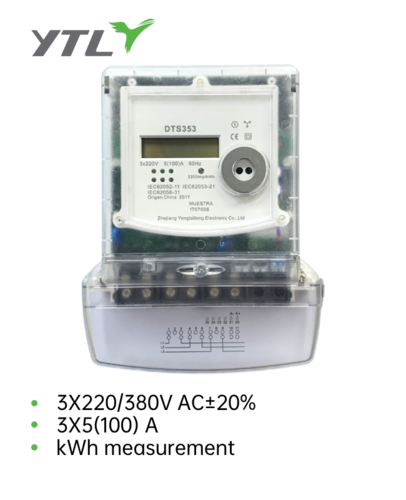
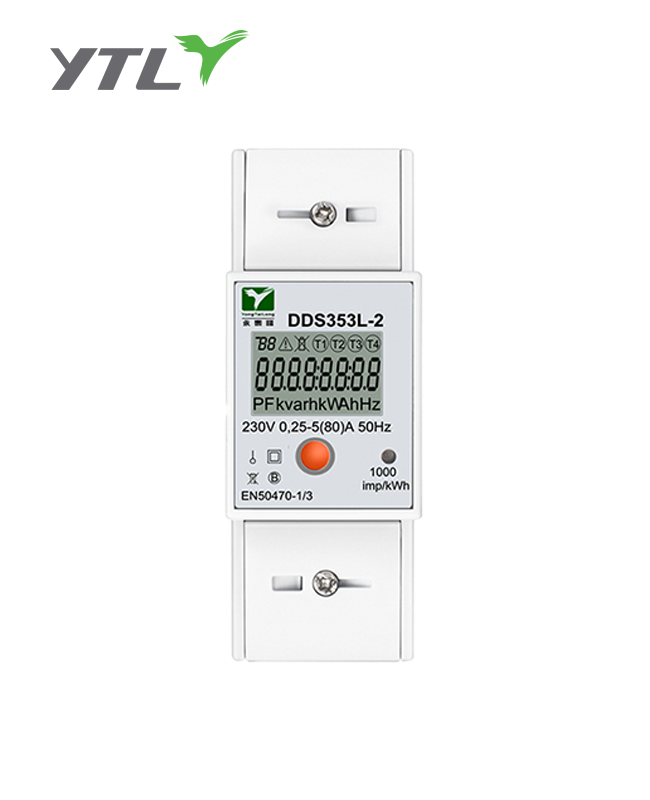
.png?imageView2/2/w/500/h/500/format/png/q/100 "YTL Two Phase Three Wire LCD Shunt sampling Energy Meter")
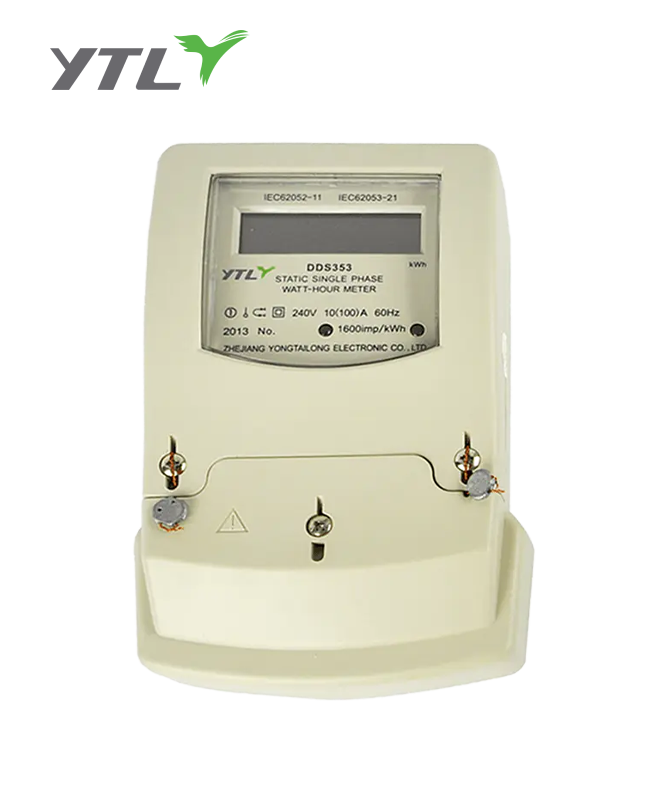
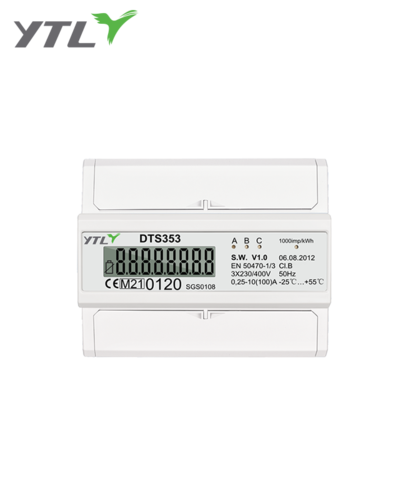
.png?imageView2/2/w/500/h/500/format/png/q/100 "YTL Single Phase Active Electronic Electricity Meter")