
 English
 简体中文
简体中文



Introduction: When photovoltaic panels meet energy storage batteries, a revolution of energy self-sufficiency is happening
On the roof of an industrial park, 3000 photovoltaic panels generate 12000 kWh of electricity per day; In the underground energy storage compartment, 200 sets of lithium batteries store excess electricity as a "green bank"; In the distribution room, a smart meter is accurately recording the flow of each kilowatt hour of electricity - generation, consumption, energy storage, and sales - at a sampling frequency of 200 times per second. The four sets of data are jumping in real time on the screen, outlining a new picture of enterprise energy management.
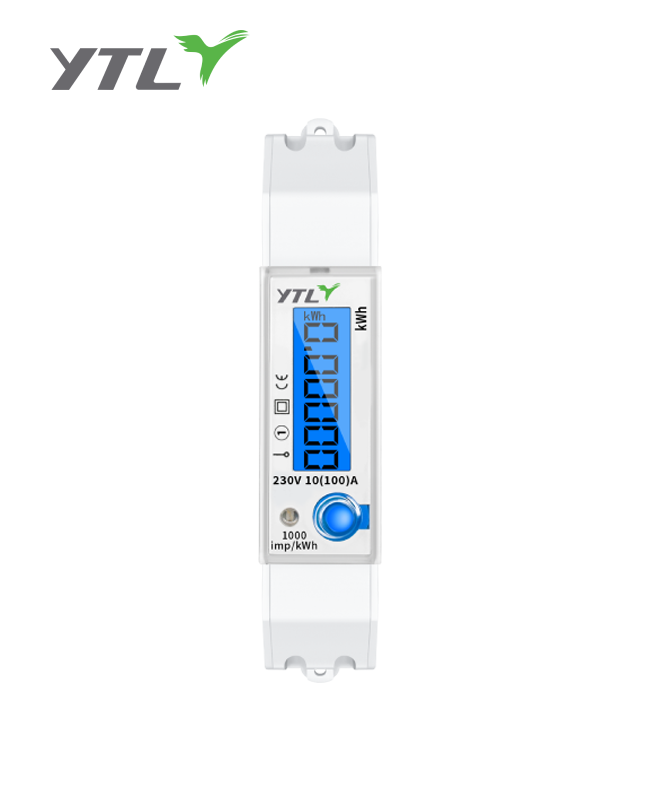
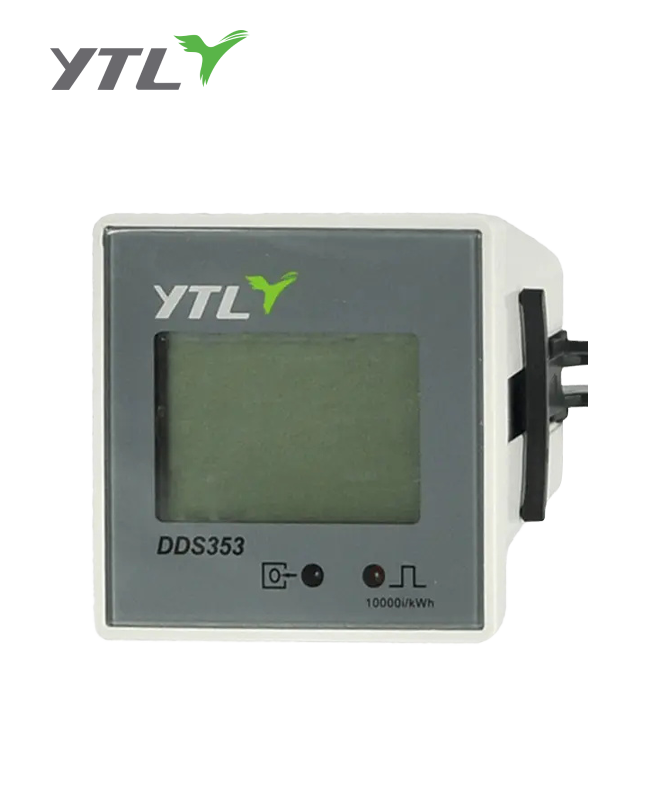
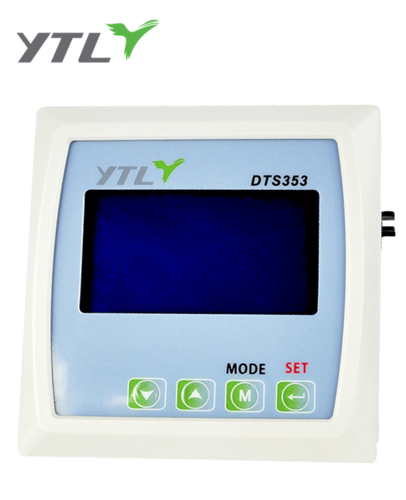
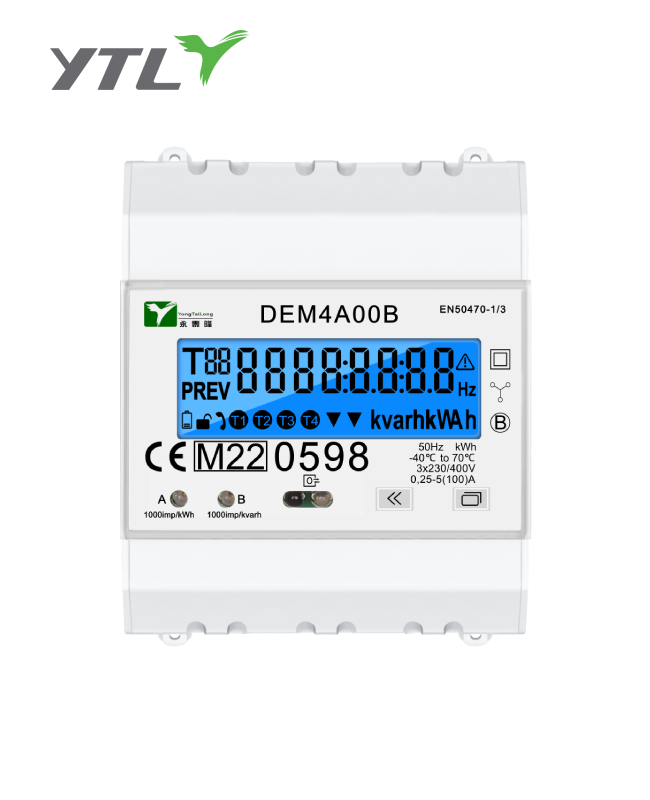
Behind this revolution is the breakthrough application of bidirectional metering function in smart meters. By simultaneously monitoring the bidirectional data of photovoltaic power generation and grid electricity consumption, smart meters not only enable users to have a clear understanding of energy flow, but also shorten the investment payback period of photovoltaic energy storage systems by 40% through optimized scheduling strategies. The measured data reveals the enormous value of an underestimated energy management tool.

1、 Bidirectional metering: cracking the "data black box" of photovoltaic energy storage systems
Traditional single-phase electricity meters have fatal flaws in photovoltaic energy storage scenarios: they can only record the electricity consumption on the grid side, but cannot capture key data such as photovoltaic power generation, energy storage charging and discharging, and surplus electricity grid connection. This' one-way blind spot 'leads to three major pain points:
1. Fuzzy revenue accounting: Users are unable to accurately calculate electricity sales revenue and subsidy amounts
2. Extensive scheduling strategy: The timing of charging and discharging energy storage batteries relies on manual experience, resulting in low efficiency
3. Difficulty in fault location: It is difficult to determine whether it is a problem with the photovoltaic components, energy storage equipment, or the meter itself when the system is abnormal
Smart meters have achieved four core breakthroughs by integrating dual channel metering modules:
Dual ADC independent sampling: Independent 16 bit analog-to-digital converters are used on both the photovoltaic side and the grid side to avoid signal interference
Four quadrant measurement: supports full parameter recording of forward active power (generation and grid connection), reverse active power (electricity purchase), inductive reactive power, and capacitive reactive power
Dynamic time synchronization: Built in GPS/Beidou dual-mode time synchronization ensures that the timestamp error of power generation and consumption data is less than 1ms
edge computing capability: built-in ARM Cortex-M7 processor, which can locally run peak and valley electricity statistics algorithm
2、 Peak valley arbitrage: creating dual value for every kilowatt hour of electricity
Under the time of use electricity pricing mechanism, the bidirectional metering function of smart meters has become the "digital operator" of peak valley arbitrage. By monitoring the real-time curve of photovoltaic power generation and grid electricity prices, the system can automatically execute three optimization strategies:
1. Intelligent storage of photovoltaic surplus electricity: When the generated power exceeds the load demand and the electricity price is in the valley, priority will be given to storing the excess electricity in the energy storage battery
2. Load side response scheduling: During peak electricity prices, prioritize the use of energy storage batteries for power supply to reduce high priced grid purchases
3. Timing of surplus electricity grid connection: Combining weather forecast and electricity price prediction, implement grid connection when there is excess photovoltaic power generation and high electricity prices
3、 Carbon asset management: from energy monitoring to green value realization
Driven by the "dual carbon" goal, the bidirectional measurement data of smart meters is becoming a key credential for enterprises to participate in carbon trading. Its value is reflected in three major dimensions:
1. Green power certificate issuance: Accurately record the amount of renewable energy generation, support green certificate application and trading
2. Carbon emission reduction accounting: Based on ISO 14064 standard, calculate the amount of carbon dioxide emissions reduced by photovoltaic systems
3. Energy Efficiency Benchmarking Management: Compare energy consumption data in the same industry to identify areas for energy-saving improvement

4、 Fault Warning: Building a 'Digital Immune System' for Photovoltaic Energy Storage Systems
The predictive maintenance capability of smart meters is redefining the equipment operation and maintenance mode. By analyzing historical data and real-time parameters, the system can identify four major types of hidden dangers in advance:
Component level faults: Monitor the deviation of the IV curve of the photovoltaic array, warn of issues such as hot spots and hidden cracks
Abnormal electrical connection: detect changes in contact resistance on the DC side to prevent overheating of the connector
Aging of energy storage batteries: tracking the growth trend of internal resistance and predicting the remaining service life
System efficiency attenuation: Calculate the transmission efficiency of the entire photovoltaic energy storage electricity chain and locate the loss link
5、 Full lifecycle management: a reliable commitment to stable operation for 10 years
For the 25 year design life of photovoltaic energy storage systems, smart meters ensure long-term stability through five major designs:
Wide temperature operation: accuracy maintained at ± 0.5% in environments ranging from -40 ℃ to 85 ℃
Dustproof and Waterproof: IP68 protection level, suitable for harsh environments such as deserts and coastal areas
Electromagnetic compatibility: Passed IEC 61000-4-6 level anti-interference test to resist harmonic interference from frequency converters
Data security: AES-128 encryption algorithm is used to ensure that the measurement data cannot be tampered with
Remote upgrade: Supports FOTA firmware updates and continuous iteration of new features
Conclusion: Invisible measurement, visible return
When photovoltaic panels quietly convert sunlight on the roof, when energy storage batteries silently absorb energy underground, smart meters always accurately record the story of each kilowatt hour of electricity in the distribution room. It does not produce electricity, but improves the efficiency of clean energy utilization; It does not create value, but significantly shortens the investment return cycle.
In the upgrading revolution of photovoltaic energy storage systems, the bidirectional metering function of smart meters is redefining the boundaries of energy management. From precise measurement to intelligent scheduling, from carbon asset management to predictive maintenance, it weaves a safe, efficient, and green energy network with data. For every enterprise pursuing sustainable development, choosing a smart meter is not only choosing a measuring device, but also choosing a reliable partner leading to energy independence. When we look back at this revolution in the future, perhaps we will find that true change began with respect and control over every kilowatt hour of electricity.