
 English
 简体中文
简体中文



1. Introduction to Smart Energy Meters
1.1 What are Smart Energy Meters?
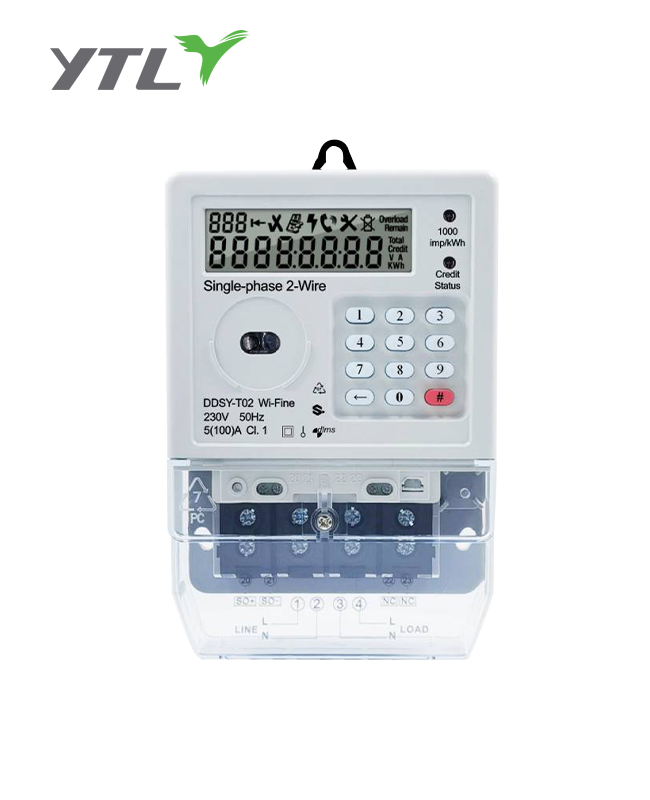
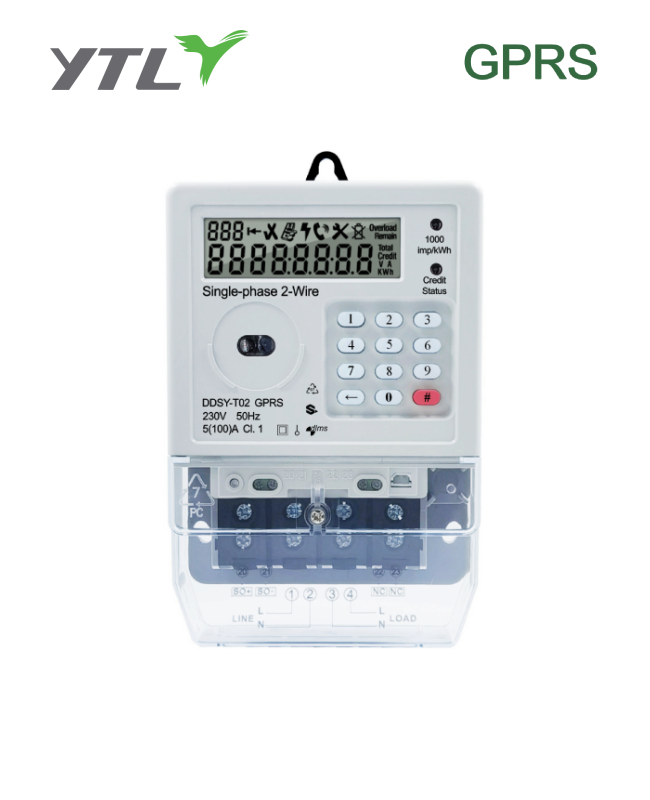
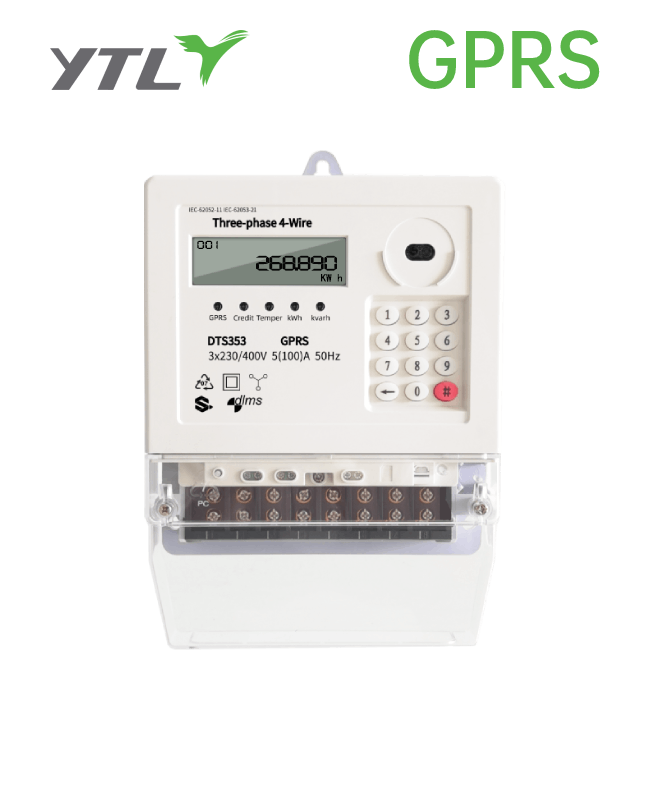
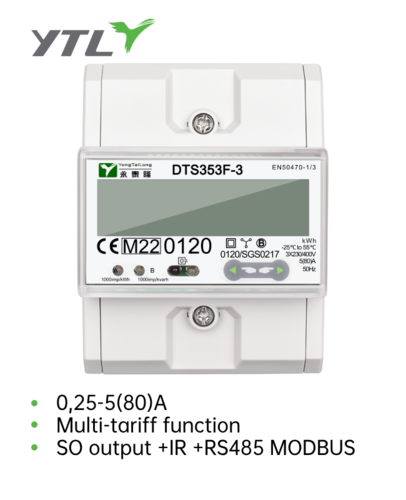
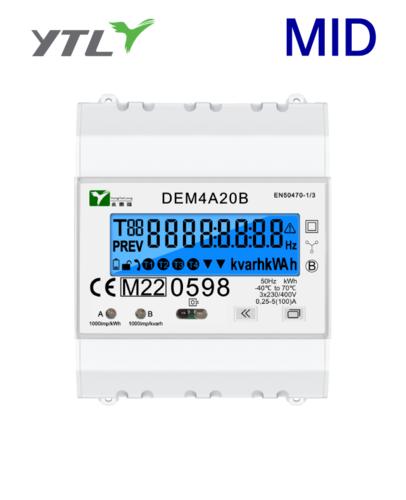
Smart energy meters are advanced electronic devices that measure and record electrical energy consumption (and other parameters like voltage levels and current) in much greater detail than traditional mechanical or digital meters. Unlike their predecessors, smart meters establish a two-way communication link between the device installed at the consumer’s location and the utility company.
This communication capability allows for automatic, real-time data transmission regarding energy usage back to the utility, eliminating the need for manual meter readings. Furthermore, they can receive signals from the utility for tasks such as remote service connection/disconnection, firmware updates, and managing demand response events. Essentially, a smart energy meter is a foundational component of a modern smart grid, offering transparency and dynamic control to both the consumer and the utility provider.
1.2 The Role of IoT in Modern Energy Management
The Internet of Things (IoT) is the crucial technology that transforms a standard digital meter into a “smart” one. IoT refers to the network of physical objects embedded with sensors, software, and other technologies for the purpose of connecting and exchanging data with other devices and systems over the internet.
In the context of energy management, IoT provides the robust, secure, and scalable communication infrastructure necessary for smart meters to operate.
- Connectivity: IoT enables the constant, reliable connection between millions of meters and the utility’s data systems.
- Data Intelligence: It facilitates the collection of granular, time-stamped energy usage data, which, when analyzed, provides deep insights into consumption patterns.
- Automation: It supports automated processes like remote diagnostics, outage detection, and load balancing across the grid.
By leveraging IoT, energy management shifts from a passive, reactive process to an active, proactive, and data-driven system, optimizing resource allocation and service delivery.
1.3 Traditional Meters vs. Smart Meters: A Comparative Overview
The difference between traditional and smart energy meters goes beyond simple measurement; it represents a fundamental change in how energy is monitored, billed, and managed. Traditional meters (mechanical or basic digital) only record cumulative energy usage, while smart meters offer sophisticated data and communication capabilities.
| Feature | Traditional Meter (Mechanical/Basic Digital) | IoT Smart Energy Meter |
|---|---|---|
| Data Collection | Cumulative, single total reading | Granular, time-stamped readings (e.g., every 15 minutes) |
| Communication | One-way (Utility only reads the meter manually) | Two-way (Utility sends and receives data; meter sends data) |
| Manual Reading | Required for billing | Not required; readings are automated |
| Outage Detection | Dependent on customer reporting | Automatic and immediate notification to the utility |
| Remote Control | Not possible (e.g., for connection/disconnection) | Possible (Remote service connection, disconnection, load limiting) |
| Consumer Insight | Very limited; only a monthly bill total | High; real-time usage via in-home display or app |
| Billing Accuracy | Potential for human error in reading | Highly accurate due to automated data transfer |
2. How IoT Smart Energy Meters Work
IoT smart energy meters operate as sophisticated data acquisition and communication platforms, functioning on a cyclical process of measurement, storage, and transmission. Their operation is fundamentally dependent on embedded computing and networking capabilities.
2.1 Key Components of a Smart Energy Meter
A modern smart energy meter integrates several critical components to accurately measure, process, and transmit data. These components work in unison to provide the core functionality of the device:
- Metering Engine (Metrology Chip): This is the core measurement component. It uses high-precision analog-to-digital converters to sample the voltage and current waveforms multiple times per second, calculating power, reactive energy, and other quality parameters.
- Microcontroller Unit (MCU) / Processor: The “brain” of the meter. It manages the metering engine, processes the raw usage data into time-stamped consumption profiles, manages the communication modules, stores data, and executes commands received from the utility.
- Communication Module: This is the IoT element. It contains the transceiver hardware (e.g., radio chipset, cellular modem) necessary for establishing the two-way link with the utility’s network.
- Non-Volatile Memory: Used for secure and permanent storage of critical data, such as historical usage logs, tamper events, and encryption keys, ensuring data integrity even during power outages.
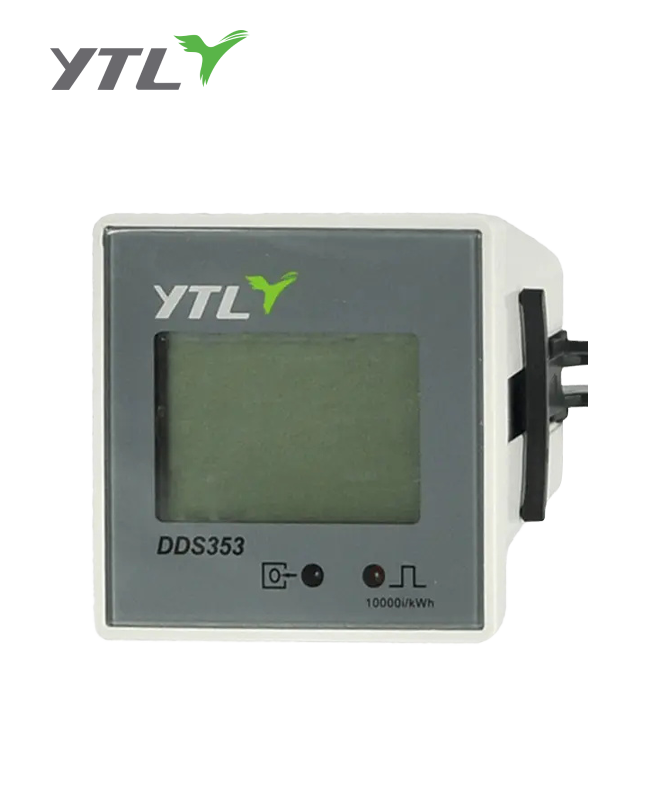
- Display Interface: Typically an LCD screen that provides real-time and cumulative usage information to the consumer.
- Power Supply: A robust power circuit that handles various grid conditions and includes a backup battery for continued operation of the communication module and memory during power loss.
2.2 Data Collection and Communication Technologies (e.g., Zigbee, Wi-Fi, Cellular)
The defining feature of an IoT smart meter is its ability to communicate. The choice of communication technology is highly dependent on the geographic environment and the required data frequency.
| Communication Technology | Description | Typical Application |
|---|---|---|
| Cellular (3G/4G/5G) | Uses standard mobile network infrastructure to transmit data directly to the utility’s network. Offers long range and high bandwidth. | Rural areas or meters outside of densely populated network coverage. |
| Power Line Communication (PLC) | Transmits data signals over the existing electrical wiring infrastructure. Ideal for high-density areas and minimizing wireless congestion. | Apartment buildings and dense urban environments. |
| RF Mesh (e.g., Zigbee, Wi-Fi) | Meters communicate with each other to form a self-healing network, routing data to a central concentrator or gateway that connects to the utility. | Neighborhoods and suburban areas where meters are close enough to form a mesh. |
| Low-Power Wide-Area Networks (LPWAN) | Technologies like LoRaWAN or NB-IoT designed for long-range, low-data rate transmissions with minimal power consumption, extending battery life. | Emerging standard for remote or battery-operated devices requiring infrequent reporting. |
2.3 Real-time Monitoring and Remote Control
The sophisticated two-way communication enables capabilities far beyond simple metering:
- Real-time Monitoring: Data is collected at granular intervals (often every 5, 15, or 30 minutes) and transmitted regularly. This allows the utility to create accurate load profiles, identify peak demand times, and detect energy imbalances on the distribution network as they occur. For consumers, this translates to immediate feedback on consumption, enabling behavioral changes for savings.
- Remote Control: Smart meters are often equipped with a disconnect switch (contactor) that can be activated remotely by the utility. This feature allows for the quick and safe connection or disconnection of service without dispatching a field technician, greatly improving operational efficiency. It is also essential for implementing Demand Response (DR) programs, where the utility can signal the meter to temporarily reduce or shift power consumption during times of grid stress.
- Event Reporting: Meters can immediately report significant events, such as tampering attempts, power outages, and voltage sags, allowing utilities to respond rapidly and proactively maintain grid stability.
3. Benefits of IoT Smart Energy Meters
The implementation of IoT smart energy meters creates a multi-layered value proposition, transforming the relationship between consumers and the grid, and significantly enhancing the operational efficiency of utility providers.
3.1 For Consumers:
IoT smart meters empower consumers by giving them unprecedented visibility and control over their energy usage.
3.1.1 Enhanced Energy Consumption Monitoring
Unlike traditional monthly bills, smart meters provide granular, near real-time data on energy usage. Consumers can access this information via in-home displays or dedicated mobile apps, seeing how much energy specific appliances are using and when peaks occur. This level of detail allows for informed decision-making and the immediate identification of energy-wasting habits or faulty equipment.
3.1.2 Reduced Energy Costs
With real-time monitoring, consumers are incentivized to adjust their behavior, leading to noticeable cost savings. The data enables participation in Time-of-Use (ToU) tariffs, where electricity is cheaper during off-peak hours. By shifting energy-intensive tasks (like charging an electric vehicle or running a dishwasher) to these lower-rate periods, users can significantly lower their monthly energy expenditure.
3.1.3 Improved Billing Accuracy
Smart meters eliminate the need for estimated billing based on historical use or manual meter readings, which are prone to human error. Since the meter automatically sends precise, validated consumption data directly to the utility, customers receive accurate bills every time, fostering greater trust and eliminating disputes related to over- or under-billing.
3.2 For Utility Companies:
For utility providers, smart meters are a fundamental component of the Advanced Metering Infrastructure (AMI), driving operational efficiencies and improving grid reliability.
3.2.1 Better Grid Management
The constant flow of granular data from millions of smart meters provides utility operators with real-time insight into the operational status of the low-voltage distribution network. This allows for:
- Accurate Load Balancing: Utilities can precisely forecast demand, manage peak loads more effectively, and proactively shift energy distribution to maintain grid stability.
- Faster Outage Detection: Meters can immediately report power outages or voltage anomalies, dramatically reducing the time required for fault location and restoration of service.
3.2.2 Theft Detection
Smart meters are equipped with sophisticated sensing technology that detects and logs any physical tampering, voltage abnormalities, or attempts to bypass the meter. By comparing consumption data against aggregate neighborhood patterns, utilities can use data analytics to identify suspicious energy loss points on the network, leading to a significant reduction in Non-Technical Losses (NTL).
3.2.3 Predictive Maintenance
The continuous monitoring of electrical parameters like voltage, current, and power quality provides a wealth of diagnostic data on grid asset health (e.g., transformers, cables). Utilities can apply Machine Learning to this data to predict equipment failure before it occurs, shifting from costly, reactive maintenance to scheduled, efficient predictive maintenance, thereby extending asset lifespan and reducing downtime.
3.3 Environmental Benefits: Energy Conservation and Reduced Carbon Footprint
The advantages of smart metering extend to broader societal and environmental goals.
- Energy Conservation: By making energy usage visible and costly behavior immediately apparent, smart meters encourage energy-saving habits. This collective reduction in demand means less power needs to be generated overall.
- Reduced Carbon Footprint: Lower overall energy consumption directly translates to reduced fossil fuel reliance and lower greenhouse gas emissions from power generation. Furthermore, the remote operational capabilities (connecting/disconnecting service, reading meters) significantly reduce the need for utility vehicle dispatches, cutting down on associated fleet emissions, often referred to as “truck rolls.”
- Integration of Renewables: Smart meters facilitate the smooth integration of Distributed Energy Resources (DERs), such as residential solar panels. They accurately measure energy consumed from the grid as well as surplus energy fed back into the grid, which is crucial for managing the two-way energy flow characteristic of a sustainable, modern energy system.
4. Key Applications of Smart Energy Meters
The capabilities of IoT smart energy meters extend far beyond basic billing, serving as critical data gateways for innovation across the energy ecosystem.
4.1 Smart Homes and Buildings
In the residential and commercial sectors, smart meters are the cornerstone of energy intelligence:
- Consumption Awareness: They feed real-time usage data to Home Energy Management Systems (HEMS) or Building Energy Management Systems (BEMS). This data is crucial for creating accurate energy profiles and identifying “vampire loads” (devices consuming energy while idle).
- Automation and Optimization: By integrating with smart thermostats, lighting, and major appliances (like HVAC systems), the meter’s data can automatically adjust these devices based on electricity prices or grid stress. For example, a smart water heater might automatically heat water when energy prices are lowest, optimizing cost and consumption without user intervention.
- Prosumer Management: For residences and buildings equipped with solar panels (prosumers), the smart meter accurately handles net metering—measuring both the energy imported from the grid and the excess energy exported back to the grid.
4.2 Industrial Energy Management
In industrial settings, where energy costs are a significant operational expense, smart meters provide the necessary precision for deep energy audits and control:
- Load Profiling and Shifting: Industrial smart meters, which are often polyphase and highly robust, capture precise load profiles for major machinery. This data allows facility managers to identify peak demand times and implement load-shifting strategies, reducing penalty charges associated with high peak consumption.
- Efficiency Benchmarking: Real-time data collection enables the creation of energy consumption benchmarks for specific processes or production lines. Management can track Key Performance Indicators (KPIs) related to energy efficiency and quickly spot deviations or inefficiencies in plant operation.
- Power Quality Monitoring: Smart meters can monitor factors like voltage sags, swells, and harmonic distortion, which can damage sensitive industrial equipment. Immediate reporting of these issues helps maintain equipment lifespan and operational continuity.
4.3 Smart Grids and Distribution Networks
The most significant application is enabling the Smart Grid, a digitized, two-way communication electricity network:
- Distribution Automation: Smart meter data provides the low-voltage grid visibility that was previously non-existent. Utilities use this data to perform crucial tasks like Volt/VAR Optimization (VVO) to maintain ideal voltage levels, reducing energy loss on the distribution lines.
- Demand Response (DR): Smart meters are the execution point for DR programs. During high-demand periods, the utility can send a signal to a group of meters to temporarily reduce non-essential loads or activate on-site generation (like battery storage) to stabilize the grid and avoid costly infrastructure upgrades.
- Feeder Load Management: By aggregating data from meters along a distribution feeder, utilities can accurately model the feeder’s load, preventing overloading of transformers and circuits, which improves safety and reliability.
4.4 Electric Vehicle (EV) Charging Infrastructure
As the adoption of Electric Vehicles accelerates, smart meters are essential for managing the significant new load imposed by charging:
- Managed Charging: EVs typically charge during the evening when they are parked, often coinciding with residential peak demand. Smart meters facilitate managed charging, allowing utilities to coordinate EV charging sessions based on grid capacity and real-time electricity prices, preventing localized overloads.
- Time-of-Use (ToU) Billing: Smart meters enable precise billing for EV charging at different rates throughout the day. This encourages EV owners to charge during off-peak hours (when electricity is cheaper and often generated by less carbon-intensive sources), balancing grid load and benefiting the consumer.
- Vehicle-to-Grid (V2G) Integration: In the future, smart meters will be the vital link for V2G systems, where EV batteries can temporarily feed power back into the grid during peak demand. The meter accurately measures and processes these bidirectional energy flows.
5. Security Considerations for IoT Smart Energy Meters
Given their role as networked devices handling sensitive consumer data and controlling critical grid functions, the security of IoT smart energy meters is non-negotiable. Robust security measures are vital to maintain consumer trust and grid integrity.
5.1 Potential Security Threats and Vulnerabilities
The two-way communication and data richness of smart meters introduce several potential attack vectors that must be actively mitigated:
- Data Theft and Privacy Breaches: The meters collect granular usage data, which, when analyzed, can reveal detailed occupancy patterns and appliance usage within a home. Malicious actors could target this data for surveillance or identity theft.
- Billing Manipulation/Fraud: Hackers could attempt to alter the consumption readings stored on the meter or transmitted to the utility to reduce or eliminate energy costs, resulting in revenue loss for the utility.
- Grid Disruption (Denial of Service - DoS): An attacker could compromise a large number of meters to flood the utility’s network with spurious data or coordinate simultaneous disconnect commands, potentially destabilizing or causing cascading failures across the distribution network.
- Firmware Tampering: If the communication channel is not secure, an attacker could inject malicious firmware updates to meters, giving them persistent control, disabling safety features, or corrupting data.
- Physical Tampering: The meter itself can be physically attacked to bypass measurement or disrupt its operation, necessitating physical security measures and integrated tamper detection circuits.
5.2 Data Encryption and Authentication Methods
To counter these threats, smart metering systems rely on a layered defense approach centered on strong cryptography:
- End-to-End Encryption: All data transmitted between the meter and the utility’s head-end system must be encrypted. Standard cryptographic protocols such as Transport Layer Security (TLS) or proprietary secure communication protocols ensure that data remains unreadable even if intercepted.
- Mutual Authentication: Both the meter and the utility’s server must cryptographically verify each other’s identity before any data exchange begins. This typically involves the use of Public Key Infrastructure (PKI) and digital certificates, ensuring that only trusted devices can join the network and receive commands.
- Data Integrity Checks: Cryptographic Hash Functions and Message Authentication Codes (MACs) are used to ensure that the data received has not been altered or tampered with during transit, verifying the origin and integrity of every message.
- Secure Over-the-Air (OTA) Updates: Firmware updates must be cryptographically signed by the utility. The meter only accepts and installs the update if the digital signature is valid, preventing the installation of malicious software.
5.3 Compliance and Standards (e.g., GDPR, NIST)
Adherence to global and regional regulatory standards is crucial for maintaining legal compliance and operational trust:
- GDPR (General Data Protection Regulation): For systems deployed in the EU, and increasingly used as a benchmark globally, smart meter data is considered personal data. Compliance requires implementing data minimization (only collecting necessary data), ensuring purpose limitation, and providing consumers with rights regarding their data (e.g., right to access, right to erasure).
- NIST (National Institute of Standards and Technology) Frameworks: Organizations like NIST provide comprehensive cybersecurity guidance, such as the NIST Cybersecurity Framework, which outlines best practices for identifying, protecting, detecting, responding to, and recovering from cyber threats in critical infrastructure environments.
- Industry-Specific Standards: Compliance with energy sector-specific regulations (e.g., NERC Critical Infrastructure Protection (CIP) standards in North America) ensures that the system meets mandatory security requirements for the bulk electric system. Certifications from organizations like the Wi-SUN Alliance or DLMS/COSEM often include mandatory security profiles.
6. Future Trends in Smart Energy Metering
The evolution of smart metering is driven by continuous innovation in digital technology, moving the devices beyond simple data collection towards becoming intelligent, autonomous edge computing assets at the heart of the grid.
6.1 Integration with AI and Machine Learning
The integration of Artificial Intelligence (AI) and Machine Learning (ML) is the next major step in smart meter functionality:
- Disaggregation of Loads (Non-Intrusive Load Monitoring - NILM): ML algorithms can be applied to the high-frequency data collected by the meter to identify the energy consumption signature of individual appliances (e.g., refrigerator, oven, HVAC) without installing separate sub-meters. This provides consumers with itemized usage breakdowns for targeted savings.
- Predictive Maintenance: AI models analyze meter data—such as fluctuations in voltage or current—to predict when grid components (like distribution transformers) are likely to fail, allowing utilities to replace equipment proactively and minimize service disruptions.
- Advanced Fraud Detection: ML algorithms are significantly better than rule-based systems at identifying sophisticated theft patterns or anomalies that indicate cyber-attacks, learning from new types of fraudulent behavior as they emerge.
6.2 Advanced Data Analytics for Energy Optimization
The true value of smart metering lies in the analytics applied to the vast datasets generated:
- Micro-Forecasting: Instead of simply forecasting demand across a vast region, advanced analytics enable utilities to generate highly accurate, localized load forecasts for specific neighborhoods or even individual feeders, optimizing power flow and generation scheduling on a micro-level.
- Energy Quality Analysis: Data analytics will enable continuous, automated analysis of power quality across the entire low-voltage network, identifying the precise locations and root causes of power factor issues or voltage instability, leading to higher quality electricity supply.
- Personalized Recommendations: Analytics will process usage data to provide consumers with highly personalized, actionable recommendations for energy efficiency, moving beyond general tips to device-specific or behavior-specific advice.
6.3 5G and Enhanced Communication Infrastructure
The rollout of 5G networks and other high-capacity, low-latency communication technologies is transforming the meter’s role:
- Ultra-Low Latency: 5G enables near real-time control capabilities, which is crucial for managing highly dynamic energy resources like battery storage and fast-acting demand response programs. This paves the way for advanced grid stabilization services.
- Massive Connectivity (mMTC): 5G is designed to reliably connect millions of devices within a small area, easily accommodating the massive scale of smart meter deployments and ensuring seamless data transmission even in dense urban environments.
- Edge Computing: Faster processors and 5G connectivity allow smart meters to perform more data processing at the edge (i.e., inside the meter itself) before sending condensed, relevant information to the utility. This reduces network traffic and speeds up critical decision-making processes.
6.4 The Role of Blockchain in Secure Energy Transactions
Blockchain technology offers a decentralized, transparent, and immutable ledger that has transformative implications for energy transactions:
- Secure Peer-to-Peer (P2P) Trading: Blockchain can facilitate secure, automated energy trading between prosumers (e.g., one home selling surplus solar power directly to a neighbor). The smart meter acts as the trustworthy measuring device, and the blockchain validates and records the transaction instantly and securely.
- Automated Billing and Settlement: Smart contracts, running on a blockchain, can automate billing, payment, and settlement processes based on the validated readings provided by the smart meter, increasing efficiency and reducing administrative costs.
- Data Integrity and Auditability: The immutable nature of the blockchain provides the highest level of trust for meter readings and usage records, making it nearly impossible for malicious actors to tamper with the historical data used for billing or regulatory compliance.
Conclusion
The Future of Energy Management with IoT Smart Meters
IoT smart energy meters have cemented their role as indispensable components of the modern energy infrastructure. They are no longer just billing instruments but critical data gateways that enable the digitization of the grid. By providing real-time visibility, two-way communication, and a foundation for advanced analytics and AI, these devices are essential for managing the growing complexity of distributed energy resources, improving grid resilience, and empowering consumers to actively participate in the energy market. Their continued evolution, driven by 5G, AI, and blockchain, promises a future of highly efficient, sustainable, and reliable energy management for utilities and users alike.
Call to Action: Embracing Smart Energy Solutions
For utility providers and energy stakeholders, embracing the latest generation of IoT smart energy meters is not merely an upgrade—it is a strategic necessity for future competitiveness, efficiency, and sustainability. Partner with us to deploy custom-engineered smart metering solutions that are secure, scalable, and optimized for the demands of the modern smart grid.