
 English
 简体中文
简体中文



In today's era of increasingly refined energy management, electronic instruments, as key measuring devices, are playing an increasingly important role. With the advancement of technology and the expansion of application scenarios, electronic instruments have evolved from a single measuring function to an intelligent device that integrates data collection, communication, and analysis. This article will comprehensively introduce a full range of electronic instrument solutions from civilian single-phase to industrial three-phase electricity meters, and explore how these advanced electronic instruments meet the energy metering needs in different scenarios.
Evolution of Electronic Instrumentation Technology: From Basic Measurement to Intelligent Management
The development process of electronic instruments can be described as constantly changing. Early electronic instruments mainly completed basic measurement functions, while modern electronic instruments integrate various advanced technologies such as microelectronics, digital signal processing, and communication technology. These electronic instruments not only have higher measurement accuracy, but also have intelligent functions such as data storage, remote communication, and real-time monitoring. In the civilian field, single-phase electronic instruments have become the core equipment for household energy management; In the industrial field, three-phase electronic instruments undertake more complex energy monitoring tasks. With the popularization of IoT technology, the new generation of electronic instruments is rapidly developing towards networking and intelligence, laying a solid foundation for building a smart energy system.

Civilian single-phase electronic instruments: Energy management center for smart homes
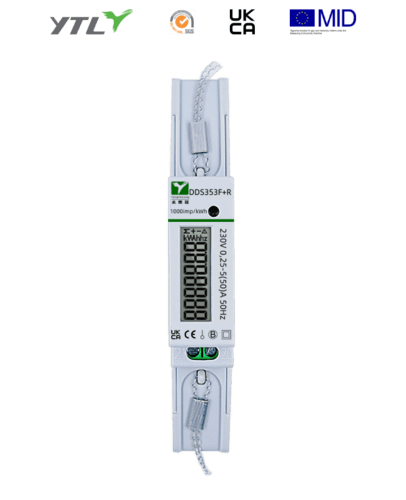
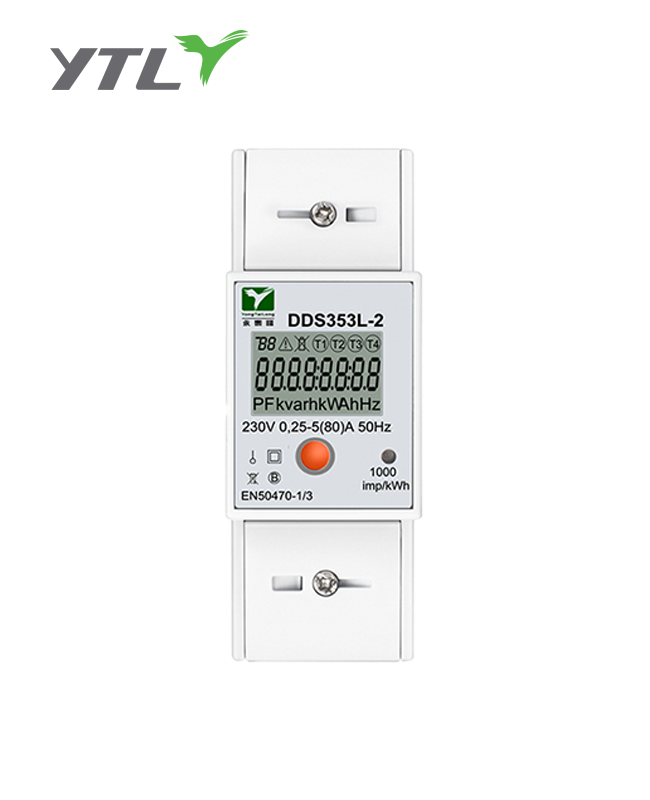
In the civilian field, single-phase electronic instruments have become an indispensable energy management device for modern households. These electronic instruments help users understand energy usage in real time by accurately measuring household electricity consumption. Modern single-phase electronic instruments are usually equipped with LCD displays, which can clearly display various parameters such as voltage, current, power, etc. Some advanced single-phase electronic instruments also support remote meter reading function, transmitting electricity data to the management platform through wireless communication technology. In addition, intelligent single-phase electronic instruments can be linked with home energy management systems to achieve intelligent control of electrical equipment. The widespread application of these electronic instruments not only improves the accuracy of civil measurement, but also provides reliable data support for household energy conservation.
Industrial three-phase electronic instruments: reliable selection in complex environments
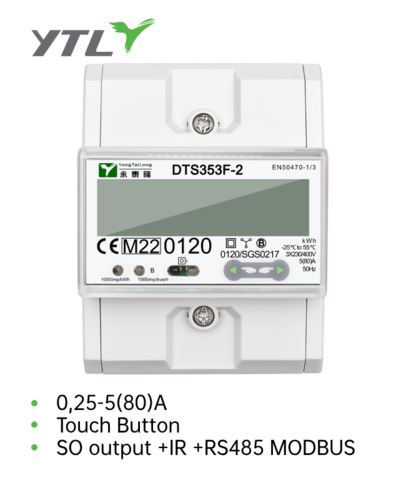
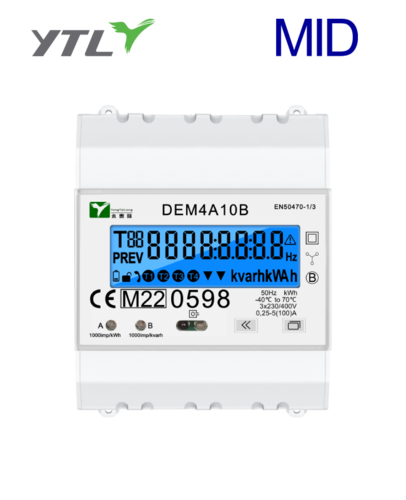
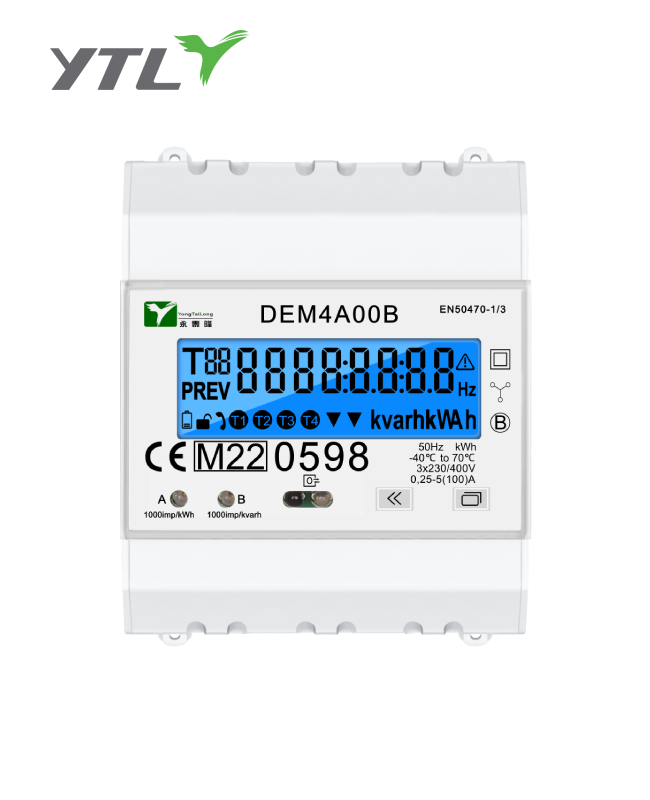
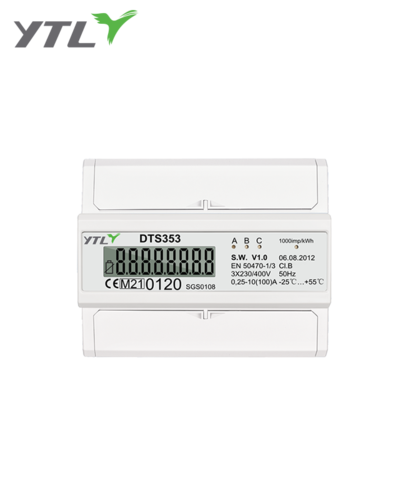
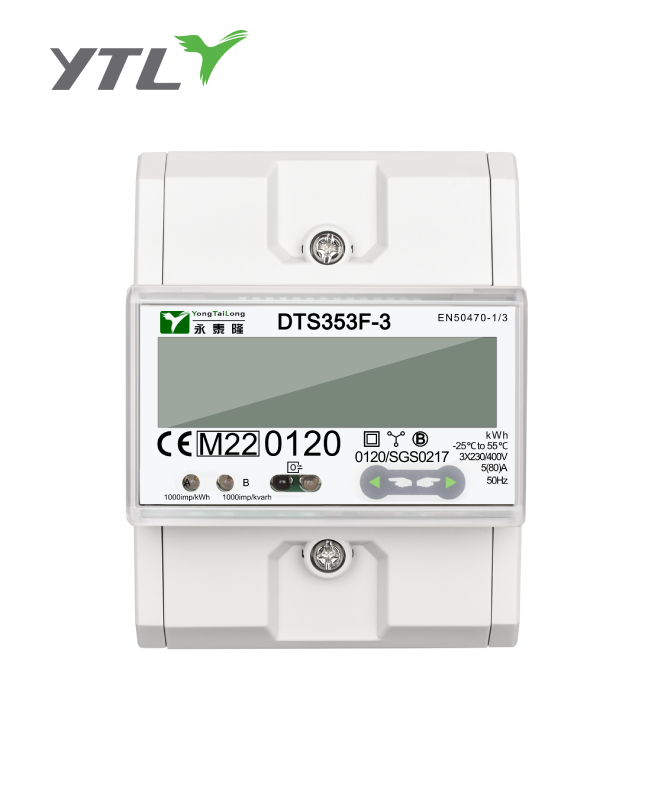
The industrial field has put forward higher requirements for electronic instruments, and three-phase electronic instruments are professional equipment designed to meet these needs. These electronic instruments adopt a sturdy housing design and high-quality electronic components, which can adapt to various challenges in industrial environments. Industrial three-phase electronic instruments have a wider measurement range and higher accuracy levels, and can accurately measure various parameters in three-phase power systems. These electronic instruments are typically equipped with multiple communication interfaces and support industrial communication protocols such as Modbus and DL/T645, making it easy to integrate into the factory's automation system. In addition, intelligent three-phase electronic instruments also have advanced functions such as harmonic analysis and fault recording, providing comprehensive energy quality monitoring solutions for industrial enterprises.
Innovative Technologies for Electronic Instruments: Improving Performance and Reliability
The outstanding performance of modern electronic instruments cannot be achieved without continuous technological innovation. In terms of hardware, electronic instruments use high-precision measurement chips and reliable electronic components to ensure long-term stability. The new generation of electronic instruments also integrates temperature compensation circuits, which can maintain measurement accuracy under different environmental conditions. In terms of software, electronic instruments run advanced algorithms to achieve intelligent functions such as power quality analysis and load identification. The innovation of communication technology has also enabled electronic instruments to achieve more efficient data transmission, supporting various communication methods such as 4G and NB IoT. These technological innovations have brought electronic instruments to new heights in reliability, accuracy, and functionality.
The application value of the full range of electronic instrument solutions
The complete electronic instrument product line provides users with comprehensive solutions. In residential areas, single-phase electronic instruments can achieve intelligent meter reading and improve management efficiency; In commercial buildings, electronic instruments can monitor the electricity usage in different areas, aiding in energy-saving management; In industrial enterprises, three-phase electronic instruments provide reliable support for energy monitoring of production equipment. These electronic instruments can also form a complete energy management system, helping users achieve energy efficiency improvement through data analysis and optimization suggestions. Especially in the field of new energy, electronic instruments play an important role in emerging applications such as photovoltaic power generation and electric vehicle charging. The collaborative work of the entire series of electronic instruments provides a solid foundation for building a smart energy network.

The future development trend of electronic instruments
With the deepening of the energy revolution, electronic instruments will continue to develop towards intelligence and diversification. Future electronic instruments will integrate more sensors to achieve more comprehensive parameter monitoring. The application of artificial intelligence technology will enable electronic instruments to have stronger data analysis capabilities and provide more accurate energy management recommendations. In terms of communication, the new generation of electronic instruments will support more advanced communication technologies such as 5G, achieving lower latency data transmission. In addition, electronic instruments will be combined with technologies such as blockchain to ensure the security and credibility of energy data. These development trends indicate that electronic instruments will play a more important role in the future energy system.
Conclusion
From civilian single-phase to industrial three-phase, a full range of electronic instrument solutions are providing strong support for energy management in various fields. These electronic instruments, with their advanced technology, reliable performance, and rich functions, help users achieve more accurate and efficient energy metering. With the continuous advancement of technology, electronic instruments will continue to innovate and develop, contributing to the construction of a clean, low-carbon, safe, and efficient energy system. We believe that by continuously optimizing electronic instrument products and services, we can create more value for users in different fields and jointly promote the modernization process of energy management.
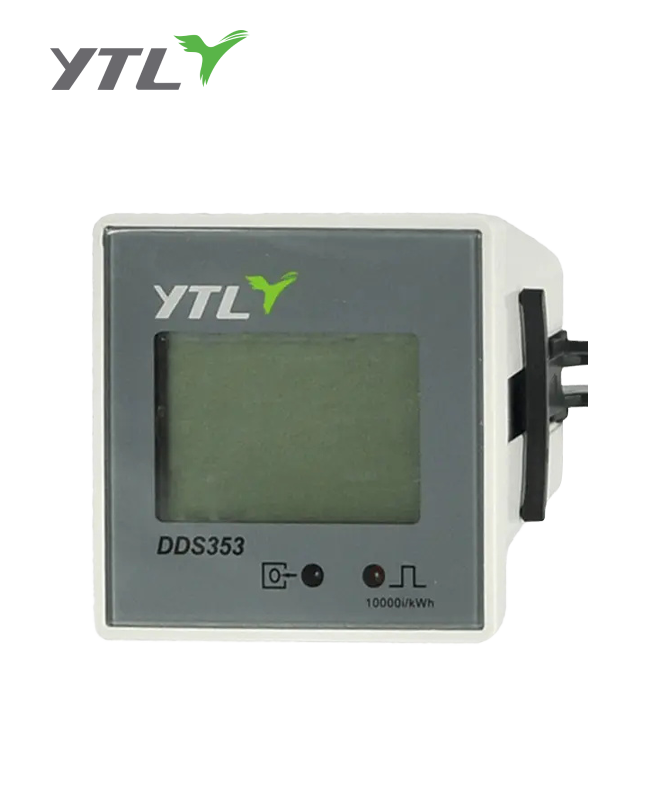
.png?imageView2/2/w/500/h/500/format/png/q/100 "YTL STS Prepaid Wi-Fine Energy Meter Single Phase Wall")
.png?imageView2/2/w/500/h/500/format/png/q/100 "YTL Two Phase Three Wire LCD Shunt sampling Energy Meter")