
 English
 简体中文
简体中文



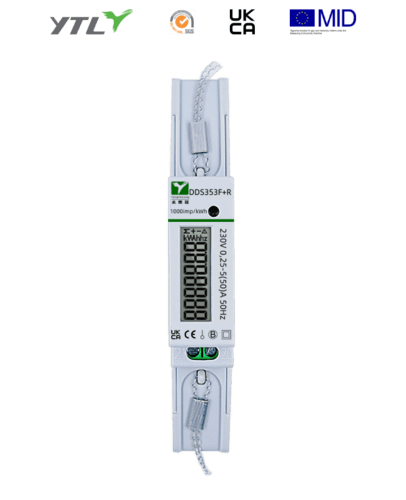
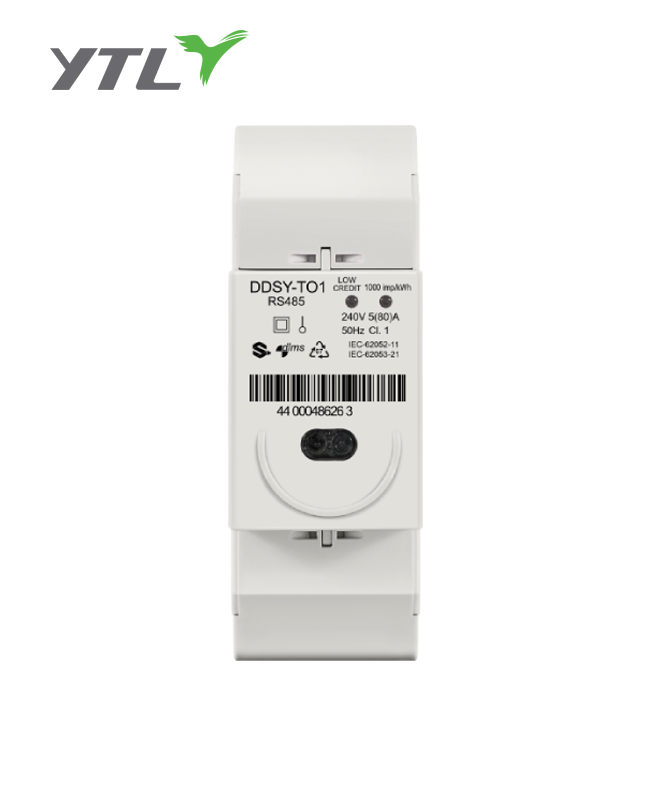
You may have noticed that power supply companies are gradually replacing traditional mechanical electric meters with new smart ones. This upgrade is far more than just a change in appearance; it brings innovations from the core to the functions, quietly transforming our electricity consumption experience. Let’s take a closer look at what makes this new meter different.
I. Core Transformation: From "Mechanical Recording" to "Digital Sensing"
Metering Method
Traditional mechanical meters rely on the rotation of an aluminum disk for billing. Long-term use may lead to reduced accuracy due to wear and tear, especially at low currents. Smart meters adopt electronic chip metering, which features higher and more stable precision, and can accurately capture tiny electricity consumption.
Data Interaction
Traditional meters are "silent", requiring meter readers to make on-site readings every month. Smart meters are "online": they automatically transmit electricity consumption data back to the power supply system multiple times a day through High-speed Power Line Carrier (HPLC) or wireless communication, enabling remote automatic meter reading.

II. Four Major Experience Upgrades for You
1. Transparent Electricity Consumption, Say Goodbye to the "Monthly Mystery"
In the past, we could only check the total electricity consumption at the end of the month. Now, through mobile apps (such as State Grid Online), you can inquire about the electricity consumption curve of yesterday, the current day, or even every hour at any time. Wondering why your electricity bill is on the high side? A quick look at the consumption curve will give you a clear answer, helping you develop energy-saving habits.
2. Flexible Payment Methods, Avoid Power Outage Due to Arrears
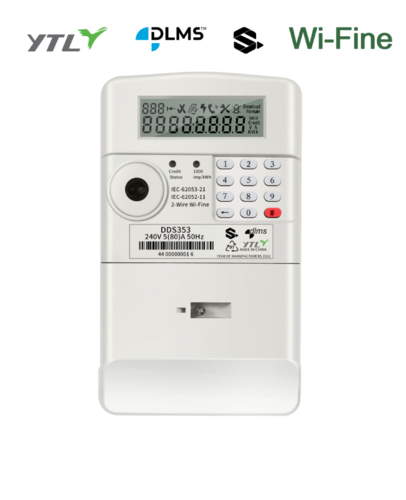
Smart meters support flexible billing modes. The widely adopted one at present is remote fee control: the system calculates electricity fees automatically, and sends reminders for online recharge through the app, SMS and other channels when the balance is insufficient. You can complete the recharge without leaving home, bringing great convenience to office workers and the elderly. This effectively avoids the inconvenience caused by forgetting to pay the electricity bill.
3. Extra Data Protection for Electricity Safety
Smart meters can continuously monitor the power supply status. In case of abnormal voltage, current imbalance, meter cover opening and other incidents, the meter will record and report the events, helping power supply companies detect potential problems in a timely manner and adding a layer of data-based monitoring protection for the electricity safety of your home.
4. Lay the Foundation for the Future Smart Energy Life
A smart meter is the "gateway" connecting your home to the future smart energy network. It paves the way for the future application of more refined time-of-use electricity prices, data linkage with rooftop photovoltaic power generation, and participation in the orderly charging of electric vehicles, enabling your home to better integrate into the efficient and clean modern power system.

III. Understand the Upgrade and Embrace the Change
The replacement of mechanical meters with smart ones is an important part of the country’s construction of a new smart grid and the improvement of public service levels. It is not only the evolution of metering tools, but also a reflection of the digitalization and interactivity of power supply services.
As users, we can make more active use of these new functions: keep an eye on electricity consumption through the app and optimize electricity usage habits; enjoy the convenience of online payment; and learn how these data support a more reliable and efficient electricity consumption environment. Ultimately, this upgrade is to make power services more thoughtful and make the use of every kilowatt-hour of electricity clearer and more economical.
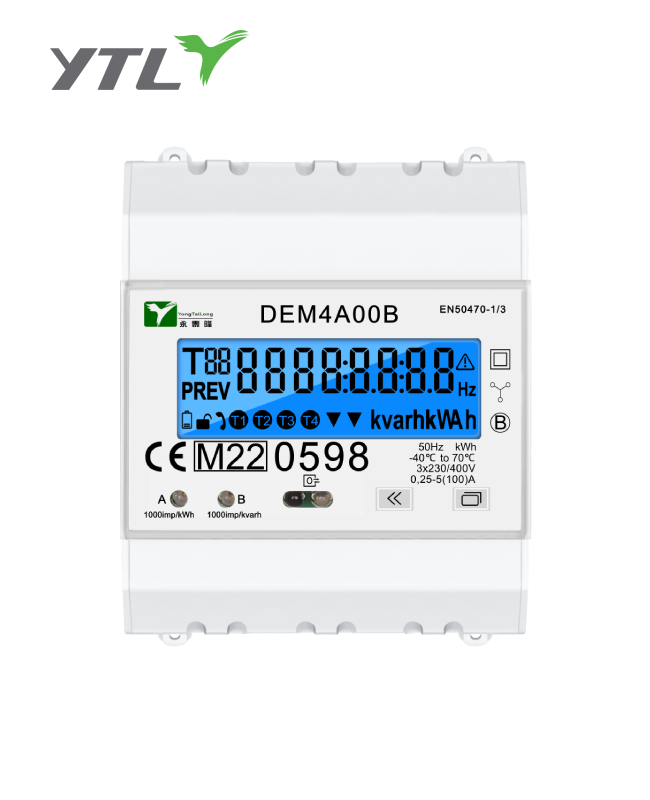
.jpg?imageView2/2/w/500/h/500/format/png/q/100 "YTL Company DTS353C DIN Rail 3P 4 Model Electricity Meter MID")
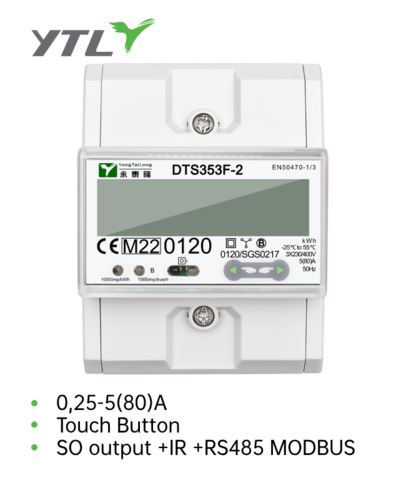
.png?imageView2/2/w/500/h/500/format/png/q/100 "YTL China Single Phase IC card Prepayment Electricity Meter")