
 English
 简体中文
简体中文



1. Introduction
The global transition to advanced utility networks relies heavily on smart metering technology. These devices are essential for enabling a more efficient, responsive, and sustainable energy system. For manufacturers and utility providers, understanding the long-term performance and reliability of these devices—especially their power source—is paramount.
What is a Smart Meter?
A smart meter is an advanced electronic device that records a consumer's energy (electricity, gas, or water) consumption and automatically communicates this data back to the utility company for monitoring and billing purposes.
Unlike traditional analog meters, which require a manual, on-site reading, smart meters utilize secure digital communication technologies (such as cellular, radio frequency, or Power Line Communication - PLC) to provide near real-time data.
The core functions of a smart meter include:
- Accurate Measurement: Recording consumption data at set intervals (e.g., every 15 or 30 minutes).
- Two-Way Communication: Sending data to the utility and receiving information (e.g., software updates, remote connection/disconnection commands).
- Data Logging: Storing usage history internally.
- Tamper Detection: Alerting the utility to any attempt to interfere with the meter.
| Meter Type | Primary Power Source | Role of Internal Battery |
|---|---|---|
| Electric Smart Meter | Primarily powered directly from the mains electrical supply (AC power). | Typically serves as a backup power source for essential functions (e.g., Real-Time Clock - RTC, data logging) during a power outage. |
| Gas & Water Smart Meters | Primarily powered solely by an internal battery. | Serves as the main power source for all meter functions, including measurement, data processing, and wireless transmission. |
Why Do Smart Meters Need Batteries?
The necessity of batteries in a smart meter varies significantly based on the utility (electricity, gas, or water) and the meter's specific design, but their core purpose is to ensure uninterrupted functionality and data integrity.
1. Independent Operation (Gas and Water Meters)
Gas and water meters are generally installed in locations, often outdoors or underground, where a continuous mains electricity connection is either impractical or too costly. For these meters, the battery is the primary power source, meaning its longevity dictates the entire operational life of the device.
2. Backup and Data Integrity (Electric Meters)
While electric meters draw their main power from the electrical grid, they still require a backup power solution. The battery ensures that, in the event of a power outage:
- Billing Data is Preserved: Critical consumption records are maintained.
- The Real-Time Clock (RTC) Continues: The meter keeps accurate time, which is essential for tariff switching and data interval logging.
- "Last Gasp" Signal: The meter can send a final alert to the utility company indicating the power loss and its location.
3. High Pulse Current Management
Data transmission, especially using technologies like cellular (e.g., Narrowband IoT) or Radio Frequency (RF) communication, requires short bursts of very high current. Even if a meter is primarily mains-powered, the battery or a combination of the battery and a capacitor (hybrid layer capacitor/supercapacitor) is often used to efficiently supply this high pulse of power, preventing excessive stress on the internal components and ensuring reliable transmission.
2. Typical Battery Lifespan in Smart Meters
For a smart meter to be a cost-effective and reliable asset for utility providers, its power source must match the device's mandated operational lifetime. Consequently, smart meter batteries are not standard consumer cells; they are highly specialized components engineered for extreme longevity and reliability.
Average Battery Life Expectancy (e.g., 10-20 years)
The expected lifespan of a smart meter battery is ambitious, typically ranging from 10 to 20 years. This period is often chosen to coincide with the typical service life or statutory calibration interval of the meter itself, allowing the utility to replace the entire unit in a single planned visit.
- Gas and Water Meters: Since the battery is the primary power source for these devices, they are generally designed for a minimum operational life of 10 to 15 years. Reaching the 20-year mark requires advanced battery management, specialized cell chemistry, and highly optimized communication protocols.
- Electricity Meters (Backup): For mains-powered electricity meters, the internal battery serves as a backup for the Real-Time Clock (RTC) and non-volatile memory. Because the load is minimal and only intermittent, these batteries often have a lifespan that exceeds 20 years, though the entire meter is often replaced before then.
Factors Influencing Battery Life
Achieving the targeted 10-to-20-year lifespan is not guaranteed and depends on a complex interplay of design choices and real-world operating conditions. We focus on three critical variables: battery chemistry, environment, and usage profile.
Battery Type (Lithium, etc.)
The vast majority of long-life smart meters use Lithium-based primary (non-rechargeable) batteries due to their exceptionally high energy density and low self-discharge rate. The specific chemistry is a foundational factor in determining the meter's longevity and performance:
| Battery Chemistry | Primary Benefit | Pulse Capability | Typical Target Lifespan |
|---|---|---|---|
| Lithium Thionyl Chloride | Highest energy density; lowest self-discharge. | Low to Moderate | 10 to 20+ years |
| Lithium Manganese Dioxide | Better high-current pulse capability. | Moderate to High | 7 to 15 years |
| Hybrid | Combines high capacity with high power delivery for communication. | Very High | 10 to 15 years |
Environmental Conditions (Temperature, Humidity)
Batteries are highly sensitive to their surrounding environment. While smart meter components are robustly sealed, extreme conditions accelerate degradation and reduce performance.
- Temperature: High ambient temperatures significantly reduce battery life by increasing the internal self-discharge rate and accelerating component aging. Conversely, extremely cold temperatures can temporarily reduce the battery's available capacity and voltage during high-current transmission periods. Meters in temperate indoor locations will generally outperform those installed in basements, attics, or outdoor vaults where temperatures fluctuate wildly.
- Humidity/Sealing: Although less common with modern designs, any compromise in the meter's seal can allow moisture ingress, leading to internal corrosion that shortens the battery's lifespan and introduces leakage paths.
Usage Patterns (Data Transmission Frequency)
The most direct control a utility has over battery life lies in defining the meter's usage pattern, specifically the frequency and power of data transmission.
- Transmission Load: Sending data (e.g., via cellular or RF) is the single largest power drain on a smart meter's battery. A meter transmitting a consumption reading every four hours will consume significantly less energy than one transmitting every 30 minutes.
- Distance and Signal Strength: If the meter is located far from the communication network gateway (requiring higher transmission power) or if the signal is poor (requiring multiple retries), the high-current pulse duration and frequency increase dramatically, leading to a much faster depletion of the battery's overall capacity.
- Feature Utilization: Activating power-intensive features, such as frequent on-demand readings, remote valve control (in gas/water meters), or advanced security monitoring, will increase the average current draw and reduce the meter's total operational life.
3. Signs Your Smart Meter Battery Is Failing
While smart meter batteries are designed for decades of reliable operation, they are not impervious to failure. Identifying the early signs of a declining battery is crucial for both utilities and end-users, as it allows for proactive replacement, preventing a complete loss of metering service.
Reduced Performance and Functionality
A failing battery first manifests as a reduction in the meter's ability to perform its power-intensive functions. The meter may still be measuring consumption, but its ability to communicate begins to degrade.
- Intermittent or Delayed Data Transmission: This is often the first noticeable sign. The meter may fail to send data at the required frequent intervals (e.g., every 30 minutes) but might still manage to send a daily or weekly summary. This is because the declining voltage can no longer support the high current pulse needed for the wireless communication module.
- Slowed Display Response: For meters with a physical display, a low battery can cause the screen to become faint, flash sporadically, or respond very slowly when the consumer attempts to cycle through the display menus using the buttons.
- Failure of Backup Functions (Electric Meters): If an electric meter experiences a power outage, its internal battery is supposed to keep the clock running and preserve data. A failing battery will result in the loss of the Real-Time Clock (RTC) during an outage, leading to time and tariff errors once power is restored.
Error Messages or Alerts
Modern smart meters are sophisticated devices capable of self-diagnosis. When the internal voltage drops below a specified threshold, the meter is programmed to generate a warning.
- Low Battery Flag: The meter's internal firmware is designed to monitor the battery's state of charge and voltage. Once this falls to a critical level (e.g., $15%$ remaining), an internal "Low Battery" flag is set and transmitted to the utility system. This is the intended and most reliable way to trigger a planned replacement.
- Display Errors: The meter's digital display may show a dedicated icon (such as a battery silhouette) or an explicit text error code (e.g., "BATT LOW," "E-32").
- Network Failure Warnings: Because low voltage directly impacts transmission, the utility's communication system may flag the meter as "offline" or having a persistent "communication failure," even though the wider network is functional.
Inaccurate Readings
While battery failure primarily impacts communication, in severe cases, it can directly affect the meter's ability to take and record accurate measurements, especially in battery-only devices (gas and water).
- Inconsistent Data Logging: The meter's processor or internal memory may lose power or experience brownouts during critical measurement cycles, leading to gaps or inconsistencies in the stored consumption data.
- Shut-Off Mechanism Failure (Gas Meters): Some battery-powered gas meters are designed to close the gas valve when the battery is critically low or completely dead to prevent unmetered usage. This results in an abrupt interruption of service, requiring an emergency visit for meter replacement.
The table below summarizes the common operational impacts as a battery nears the end of its design life:
| Indicator of Battery Decline | Typical Impact on Meter Function | Urgency Level for Replacement |
|---|---|---|
| Intermittent RF Transmission | Delayed or lost remote readings; manual reading required. | High - Affects utility operations. |
| Low Voltage Error Code | Internal flag sent to utility system; display warning. | Medium - Allows for planned maintenance. |
| Slow or Faint Display | Consumer cannot easily read data or check usage history. | Low to Medium - Affects consumer experience. |
| Total Loss of Communication | Meter becomes "dumb" and cannot send any data; requires estimated billing. | Critical - Revenue assurance risk. |
| Gas Valve Closure | Immediate service interruption for the customer. | Critical - Requires emergency dispatch. |
4. What Happens When the Battery Dies?
The primary purpose of a long-life smart meter battery is to ensure the continuity of service and data flow. When that battery completely depletes or fails, the core functionality of the smart metering system is severely compromised, moving the meter from an "intelligent" device back to a simple counter—or worse, a device that has ceased to function entirely.
Loss of Remote Reading Capabilities
The most immediate and critical consequence of a dead battery is the loss of the meter's communication module. Wireless transmission, whether through cellular, radio frequency (RF), or other proprietary networks, demands a significant burst of power, which a dead or critically low battery cannot provide.
- No More Automatic Data: The meter can no longer automatically transmit usage data to the utility company. The regular flow of data, essential for near-real-time monitoring, load balancing, and demand response programs, is instantly halted.
- Silence is Golden (for the meter, bad for the utility): The utility loses visibility into the meter's status. It can no longer receive routine health checks or crucial alerts (e.g., tamper events, high consumption warnings), which impairs system management.
- Loss of Remote Commands: Any functionality that relies on two-way communication—such as remotely connecting or disconnecting service, or pushing a firmware update—becomes impossible.
Potential Need for Manual Meter Reading
With the remote communication link severed, the utility company reverts to the outdated and costly necessity of manual meter reading.
- Estimated Billing: For a period following the battery failure, the customer will likely receive estimated bills based on historical usage patterns. This is an industry stop-gap measure but often leads to disputes or large "catch-up" bills once the actual usage is finally recorded.
- Field Technician Dispatch: To capture the actual reading necessary for accurate billing and meter replacement planning, the utility must dispatch a field technician to physically visit the site, read the meter's display, and initiate a work order for a full meter swap-out. This is expensive and defeats a core benefit of the smart grid.
Communication Issues with the Utility Company
A complete battery failure often leads to a cascading series of operational and financial problems for the utility, particularly for battery-only gas and water meters.
| Operational Impact | Reason for Failure | Utility Consequence |
|---|---|---|
| Data Void | No power for the radio/cellular module. | Reversion to estimated billing; loss of grid visibility. |
| Safety Shutoff Triggered (Gas Meters) | System is programmed to close the valve on low battery to prevent unmetered usage. | Emergency service dispatch; customer service issue. |
| Time Drift/RTC Failure (Electric Meters) | Loss of backup power to the Real-Time Clock during an outage. | Inaccurate time-of-use (TOU) billing; regulatory compliance risk. |
| Lost Meter Health Alerts | Inability to transmit "last gasp" or tamper alerts. | Increased technical risk; potential for revenue loss. |
In short, a dead battery transforms an advanced piece of infrastructure into a liability. It introduces significant operational costs (manual reading, emergency dispatch) and degrades the quality of service provided to the end customer (estimated bills, service interruption). This underscores the critical importance of installing batteries with the highest possible Design Life and implementing advanced Battery Monitoring systems.
5. Replacing Smart Meter Batteries
The eventual replacement of a smart meter battery is an inevitable event, regardless of its decades-long design life. For utilities and meter manufacturers, this maintenance event presents logistical, technical, and financial considerations. A clear understanding of the replacement process is crucial for maintaining a successful smart grid deployment.
Can Homeowners Replace the Battery?
In nearly all regulatory jurisdictions, homeowners are not permitted to replace smart meter batteries. This restriction is in place for several critical reasons:
- Safety and Certification: Smart meters are sealed, certified devices that operate with utility-level power and, in the case of gas, with combustible material. Only trained and certified technicians are authorized to open the meter housing to perform maintenance.
- Tamper Prevention: Allowing public access to internal components would compromise the meter's security protocols and increase the risk of energy theft or tampering, which could invalidate the meter's official certification.
- Specialized Batteries: The batteries used are highly specialized, high-capacity lithium primary cells (like $\text{LiSOCl}_2$), which require specific handling, disposal procedures, and activation processes that differ significantly from standard consumer batteries.
- Data Integrity: Replacing the battery requires specialized equipment to ensure the meter's internal registers and configuration data are maintained or correctly backed up during the power transition.
For the homeowner, the only action necessary when a meter fails is to contact their utility provider to report the issue.
Utility Company's Role in Battery Replacement
The responsibility for monitoring, managing, and replacing a smart meter and its battery rests entirely with the utility company or the contracted metering service provider. This process is typically governed by a predictive maintenance strategy.
| Scenario | Utility Action Required | Primary Goal |
|---|---|---|
| Planned Replacement | Schedule a technician to replace the meter or the battery based on a "Low Battery" alert or end-of-design-life analysis. | Cost-effective maintenance; prevent service interruption. |
| Unplanned Replacement (Failure) | Dispatch an emergency technician immediately following a "Loss of Communication" alert or customer report of service loss (e.g., gas shutoff). | Restore service immediately; maintain customer goodwill. |
| End-of-Life Program | Replace the entire meter unit, including the battery, often coinciding with the meter's statutory certification or calibration interval (e.g., every 10-15 years). | Ensure ongoing regulatory compliance and long-term reliability. |
Cost Considerations
Battery replacement or, more commonly, full meter replacement is a significant operational expenditure for utility companies. The goal of using 10-to-20-year batteries is to minimize the Total Cost of Ownership (TCO).
- Minimizing Field Visits: The most expensive aspect is the cost of the truck roll (dispatching a technician). A single field visit can cost more than the meter itself. Therefore, a battery that lasts 15 years and avoids even one unplanned field visit compared to a 7-year battery provides massive cost savings.
- Replacement Strategy: Many utilities opt to replace the entire meter assembly rather than just the internal battery. This strategy is driven by the fact that the electronics, seals, and calibration of the meter are also approaching their end-of-life after 10-15 years. Replacing the whole unit ensures a return to a fully certified, high-performance state.
- Advanced Monitoring: Investment in batteries with superior voltage curves and implementing advanced battery health monitoring features (like those we incorporate into our custom meter designs) allows utilities to accurately predict remaining life. This enables technicians to bundle battery replacements with other scheduled maintenance, drastically reducing overall operational costs.
6. Extending Smart Meter Battery Life
Maximizing the operational life of a smart meter battery is critical to minimizing the Total Cost of Ownership (TCO) for utility providers. Every extra year of battery life translates directly into significant savings by deferring expensive field maintenance visits. As manufacturers, we focus on design optimization and providing tools for effective meter management.
Tips for Optimizing Performance
The key to extending a smart meter's battery life lies in managing its energy budget, focusing on communication and minimizing power consumption during idle periods.
- Implement Aggressive Sleep Cycles: The vast majority of a battery's life is spent in low-power sleep mode. Optimizing the firmware to minimize wake-up time and reduce quiescent current (the power drawn when the meter is "asleep") is the single most effective design enhancement for longevity.
- Optimize Data Transmission Scheduling: Transmission is the highest current draw event. If a meter is deployed in a hard-to-reach location, the transmission frequency should be carefully managed. Instead of transmitting consumption data every 30 minutes, an optimized setting might be to collect data internally every 30 minutes but only transmit the aggregated data once or twice per day.
- Intelligent Network Registration: During the initial setup or after a long communication outage, the meter must search for and register with the network. This process can be very power-intensive. Using network-efficient communication protocols (like NB-IoT) and optimizing the registration algorithm minimizes the required search power and time.
- Smart Use of Capacitors (Hybrid Power): Integrating a high-performance Hybrid Layer Capacitor (HLC) or Supercapacitor in parallel with the primary Lithium battery allows the capacitor to handle the high-current demands of radio transmission. This shields the main battery from high-pulse stress, preventing voltage dip and prolonging its overall life.
Monitoring Meter Health
Even the best-designed battery will eventually fail. The second pillar of maximizing battery utility is implementing robust monitoring to ensure replacement happens at the optimal time—before failure, but not prematurely.
- Voltage and Temperature Monitoring: The meter's internal diagnostics should continuously track the battery's terminal voltage and the internal temperature. A sudden drop in voltage or a sustained high temperature can be an early indicator of impending failure or an external environmental problem.
- Coulomb Counting and Capacity Estimation: Advanced firmware utilizes algorithms (often referred to as fuel gauging) to calculate the amount of charge that has been consumed and estimate the Remaining Useful Life (RUL) of the battery. This allows the utility to predict when the battery will hit a critical threshold years in advance.
- Alarm Thresholds: Utilities should set dynamic warning thresholds that are lower than a critical failure point. A warning at 20% remaining capacity allows for planned, cost-effective replacement, while an alarm at 5% remaining signals an emergency that requires immediate attention.
The table below outlines how advanced monitoring features contribute to cost savings and longevity:
| Monitoring Feature | Purpose | Cost-Saving Benefit |
|---|---|---|
| Remaining Useful Life (RUL) Prediction | Estimates years left based on historical usage and chemistry model. | Eliminates unnecessary early replacements and maximizes asset life. |
| High Pulse Voltage Monitoring | Measures the voltage dip during high-current data transmission. | Detects internal battery degradation before communication fails completely. |
| Low Battery Alert Signal | Sends a standardized message to the utility when capacity drops below a set threshold. | Enables planned "truck rolls," avoiding expensive emergency dispatches. |
| Temperature Anomaly Flag | Alerts utility if internal temperature is outside the operating range. | Identifies faulty installation or severe environmental issues that shorten life. |
7. Smart Meter Brands and Battery Life
In the global smart metering industry, several major manufacturers have established reputations for reliability and long-life performance. While specific product specifications are constantly evolving, these brands rely on robust design and cutting-edge battery technology to meet utility demands for 10-to-20-year lifecycles.
It is important to note that battery life is not solely determined by the brand, but by the specific meter model, the battery chemistry, and the utility's communication settings (e.g., how often the meter is set to report data). However, each manufacturer employs specific strategies to maximize longevity.
Aclara
Aclara (now part of Hubbell) is a major provider, particularly in North America, focusing on integrated solutions for electricity, water, and gas.
- Longevity Focus: Aclara meters often emphasize network efficiency to save battery power. Their communications technology is designed for low-power operation, ensuring the high-current transmission bursts are minimized in duration and frequency.
- Battery Strategy: They utilize high-capacity, primary lithium cells paired with advanced power management integrated circuits (PMICs) to meticulously control the meter's current draw in sleep mode.
Itron
Itron is a global leader known for its diverse portfolio, which includes advanced water and gas meters that rely entirely on battery power for extended operational life.
- Longevity Focus: Itron meters are designed for durability in harsh environments, which is critical for meters placed in outdoor pits or vaults. Their sealed enclosures and robust components protect the battery from extreme temperature and moisture fluctuations.
- Battery Strategy: They heavily leverage hybrid power solutions that combine high-capacity lithium cells with integrated supercapacitors. This combination allows the meter to handle high-pulse communication (e.g., RF transmission) without overstressing the primary battery, effectively extending the overall system life.
Landis+Gyr
Landis+Gyr is one of the largest global players, supplying millions of smart meters, especially electricity meters, which often use batteries for backup functions.
- Longevity Focus: Their systems focus on proactive grid management. While their electric meters are mains-powered, their gas and water meters are optimized for long battery life, often targeting the full 15-to-20-year design life of the meter.
- Battery Strategy: Landis+Gyr's emphasis is on the predictive maintenance aspect. Their meters incorporate sophisticated firmware algorithms to monitor battery health in real time, allowing utilities to replace meters in a planned, non-emergency fashion before the battery actually dies.
Elster (Honeywell)
Elster, now part of Honeywell, has a strong presence in the gas and water metering space, where battery longevity is paramount.
- Longevity Focus: Elster's design philosophy centers on ultra-low power consumption in the measurement and processing stages, minimizing the baseline current draw .
- Battery Strategy: They select premium-grade batteries known for the lowest possible self-discharge rates, ensuring that the stored energy is reserved almost entirely for operational tasks rather than being lost internally over time.
The table below provides a general overview of the typical targeted battery lifespans across common meter applications used by these industry leaders:
| Meter Type/Application | Target Battery Life (Years) | Key Design Feature for Longevity |
|---|---|---|
| Electricity Meter (Backup) | 15–25+ Years | Low quiescent current in RTC mode; very low usage frequency. |
| Gas Meter (Primary Power) | 10–15 Years | Aggressive sleep cycles; Hybrid power for RF bursts. |
| Water Meter (Primary Power) | 15–20 Years | Extremely low-power measurement technology; minimal transmission frequency. |
| Remote Display Unit (IHD) | Varies greatly; often AC or replaceable cells | Not applicable to main meter's longevity focus. |
Conclusion
Key Takeaways on Smart Meter Battery Life
The question of how long a smart meter battery lasts has a clear answer: these specialized power sources are engineered to be a long-life asset, typically designed to operate for 10 to 20 years.
As a custom smart meter manufacturer, we understand that longevity is achieved through a precise balance of technology and operational discipline:
- Chemistry Matters: The reliance on Lithium Thionyl Chloride and high-capacity hybrid cells is foundational to achieving multi-decade operation, especially for battery-only gas and water meters.
- Design for Efficiency: The most significant factor in extending life is minimizing power draw during idle periods and optimizing data transmission frequency and power output.
- Proactive Management is Key: The best battery is only as effective as the monitoring system behind it. Implementing advanced Remaining Useful Life (RUL) prediction and low battery alerts allows utility companies to schedule planned replacements, minimizing expensive emergency visits and ensuring uninterrupted service.
By prioritizing highly efficient hardware and sophisticated battery management algorithms, we provide solutions that not only meet the required 10-to-20-year service life but also contribute to a lower Total Cost of Ownership for utility providers globally.
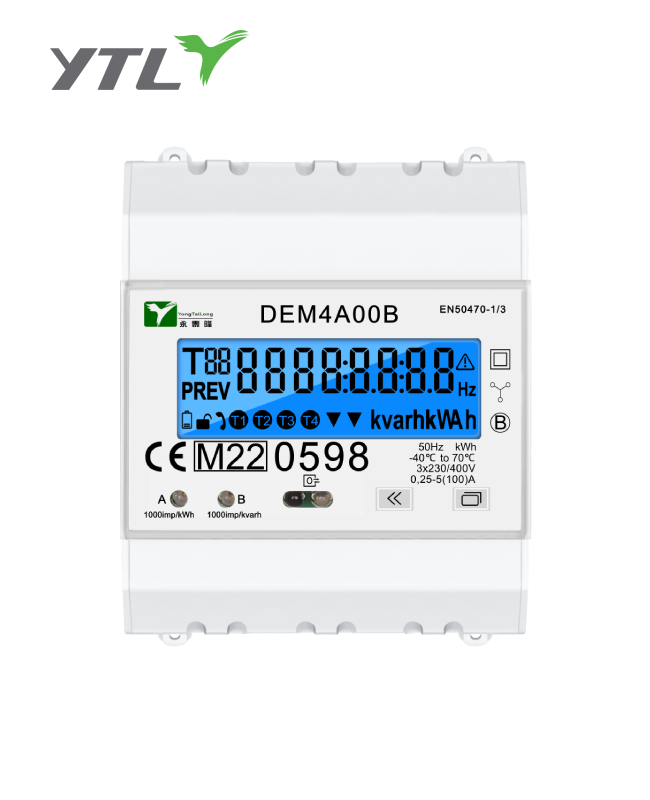
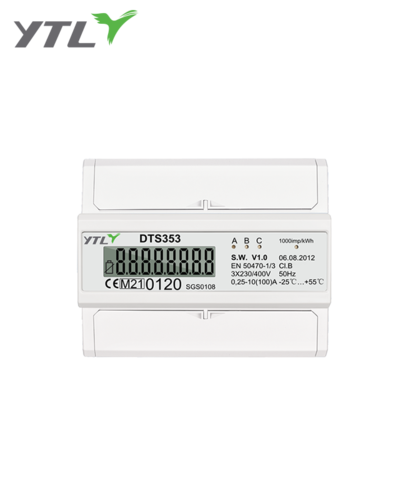
.jpg?imageView2/2/w/500/h/500/format/png/q/100 "YTL Company DTS353C DIN Rail 3P 4 Model Electricity Meter MID")
.png?imageView2/2/w/500/h/500/format/png/q/100 "YTL Two Phase Three Wire LCD Shunt sampling Energy Meter")