
 English
 简体中文
简体中文



In today's digital wave sweeping across various industries, electronic instruments, as the core equipment for energy management and industrial automation, are increasingly valued for their data security. With the rapid development of IoT technology, electronic instruments are no longer just simple measuring tools, but have evolved into intelligent nodes that integrate data collection, transmission, and processing. This article will delve into how modern electronic instruments can build reliable data security defenses through embedded systems and encryption protocols, providing solid security guarantees for various application scenarios.

Embedded System: The Safety Foundation of Electronic Instruments
The intelligent core of modern electronic instruments lies in their embedded system design. These embedded systems developed specifically for electronic instruments adopt a streamlined architecture that minimizes security risks while ensuring functional integrity. The embedded system of electronic instruments usually includes a secure boot mechanism to ensure that the device can only run trusted firmware that has been digitally signed. During operation, embedded systems isolate different programs through memory protection units to prevent the spread of malicious code. In addition, the embedded system of electronic instruments also has real-time monitoring function, which can detect abnormal operations in a timely manner and take corresponding measures. These security features enable electronic instruments to maintain stable and reliable operation in complex network environments.
Encryption Protocol: Guardian of Electronic Instrument Data Transmission
At the level of data communication, electronic instruments use multi-level encryption protocols to ensure the security of information transmission. Modern electronic instruments usually support national encryption algorithms and internationally recognized encryption algorithms, and choose the appropriate encryption scheme according to different application scenarios. In the process of data transmission, electronic instruments confirm the legitimacy of the identities of both parties through a two-way authentication mechanism, and then establish an encrypted transmission channel. The encryption protocol used in these electronic instruments can effectively prevent data theft or tampering, ensuring the integrity and confidentiality of measurement data and configuration instructions. Especially in remote meter reading and control scenarios, encryption protocols provide crucial security protection for electronic instruments.
Security architecture: defense in depth system for electronic instruments
Advanced electronic instruments adopt a defense in depth security architecture and build a multi-level protection system. At the hardware level, electronic instruments use secure chips to store keys and sensitive data, preventing information leakage at the physical level. At the system level, electronic instruments ensure that different users can only access functions and data within their authorized scope through a comprehensive permission management mechanism. At the application level, electronic instruments implement strict operational auditing functions, recording all key operations for retrospective purposes. This multi-level security architecture enables electronic instruments to effectively respond to various security threats and provide comprehensive protection for users' energy management systems.

Firmware Security: Reliability Assurance for Electronic Instrument Software Systems
The firmware security of electronic instruments directly affects the reliability and safety of the entire system. Modern electronic instruments adopt a secure firmware update mechanism, and all upgrade packages must undergo digital signature verification to prevent unauthorized firmware tampering. During operation, the firmware of the electronic instrument is verified for integrity to ensure that the system has not been maliciously modified. In addition, the firmware design of electronic instruments also follows the principle of privilege, where each functional module can only access its necessary resources. These security measures significantly enhance the ability of electronic instruments to resist malicious attacks and ensure long-term stable operation of devices.
Authentication Mechanism: Key Technology for Electronic Instrument Identity Verification
To ensure the legitimate access and use of electronic instruments, modern electronic instruments are equipped with strict authentication mechanisms. When devices are connected to the network, electronic instruments need to pass two-way authentication to ensure that only authorized devices can access the system. When users operate electronic instruments, they need to perform corresponding level of authentication based on their permission level. High security electronic instruments also support multi factor authentication, combined with various verification methods such as passwords and digital certificates. These authentication mechanisms effectively prevent illegal access and operation of electronic instruments, establishing a reliable line of defense for the entire system.
Conclusion
In the wave of digital transformation, the data security of electronic instruments has become an important standard for measuring product value. Through the secure design of embedded systems and reliable protection of encryption protocols, modern electronic instruments can provide a solid foundation for data security in various application scenarios. With the continuous advancement of technology, the safety protection system of electronic instruments will continue to improve, creating a safer and more reliable user experience. We believe that by continuously strengthening the safety construction of electronic instruments, we can provide stronger support for the development of intelligent energy management and industrial automation.
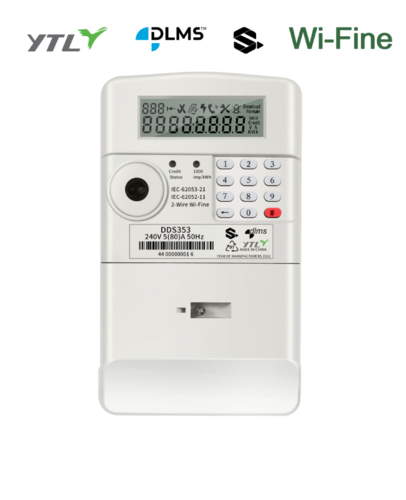

.png?imageView2/2/w/500/h/500/format/png/q/100 "YTL STS Prepaid Wi-Fine Energy Meter Single Phase Wall")
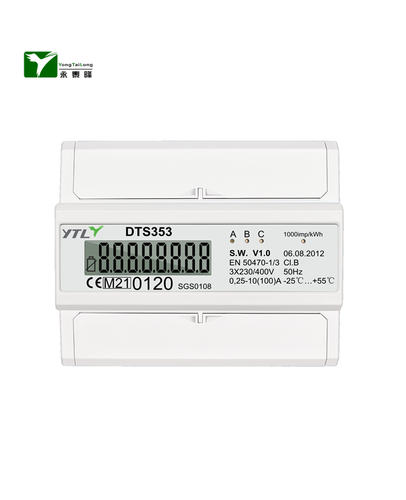
.png?imageView2/2/w/500/h/500/format/png/q/100 "YTL Two Phase Three Wire LCD Shunt sampling Energy Meter")